bluename
How to Maintain Balanced Soil Structure Year Round for Aloe
If your aloe is sitting in dense, soggy soil right now, fix it fast: repot into a gritty mix (roughly 2 parts mineral grit to 1 part organic compost), water only when the soil is bone dry, and never let the pot sit in a saucer of water. That's the short answer. The longer answer is what this whole article is about, because keeping that structure balanced through all four seasons is where most people slip up.
I've killed more aloes than I'd like to admit. My first one drowned in regular potting soil within three weeks. My second baked on a south-facing windowsill in July. It took me a few dead plants and a lot of reading before I figured out that aloe care isn't really about doing more. It's about getting the soil structure right and then mostly leaving the plant alone.
Why Soil Structure Matters More Than You Think
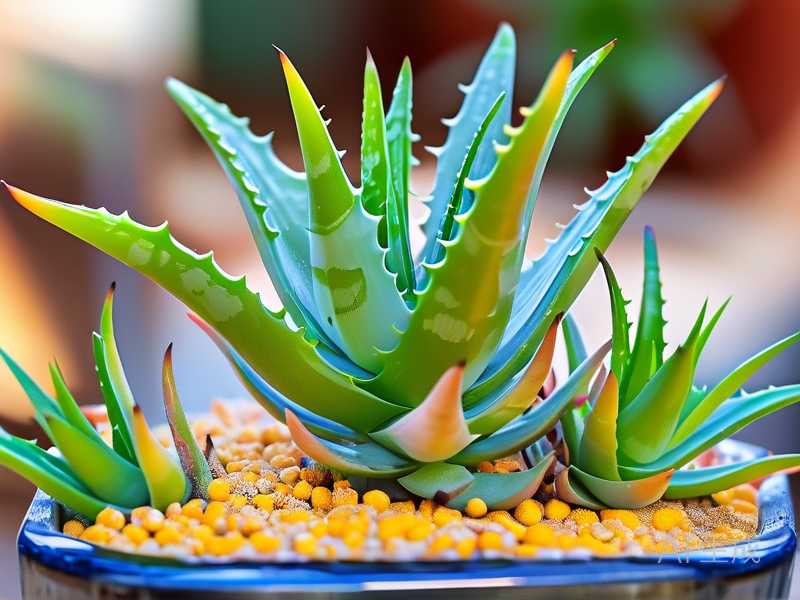
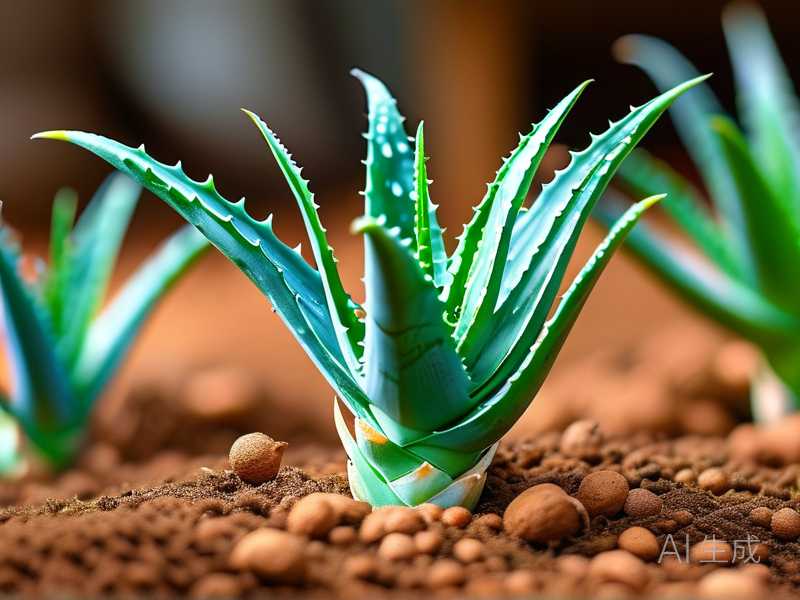
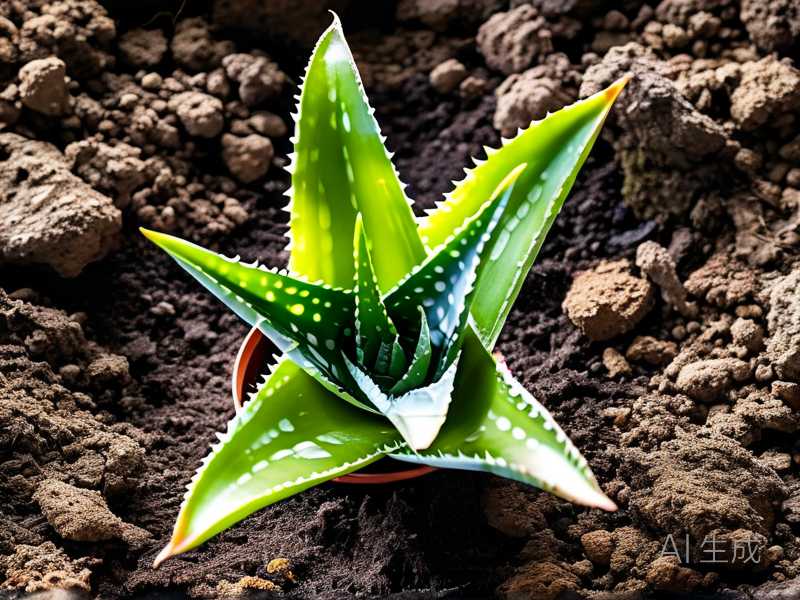
Aloe vera is a succulent, which means its roots are built for quick wet-dry cycles. In habitat, it grows in sandy, rocky ground where water passes through fast. When you put it in heavy, peat-based potting soil, that soil holds moisture for days. The roots literally suffocate.
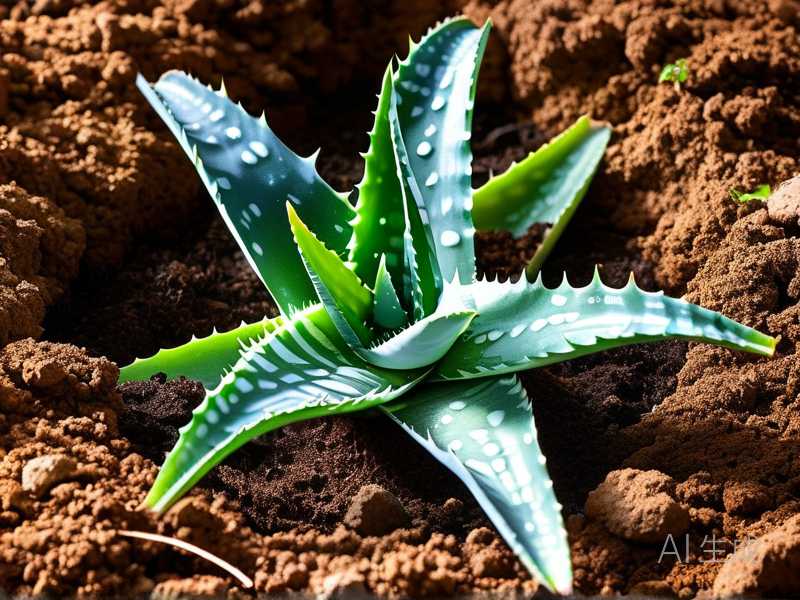
Here's a number worth remembering: 90% of indoor plants die from overwatering. Not underwatering, not pests, not bad light. Overwatering. And overwatering is almost always a soil structure problem, not a watering-can problem. If your mix drains well, it's genuinely hard to overwater an aloe.
The RHS recommends free-draining compost for succulents, and the AHS makes the same point in its succulent growing guides. Both organizations stress drainage over richness. Aloe doesn't need fancy soil. It needs air around its roots.
The Soil Mix I Actually Use
I've tried the bagged "cactus and succulent" mixes off the shelf. Some are fine. Most are still too peaty. Here's what I blend now:
- 2 parts pumice or perlite
- 1 part coarse horticultural sand
- 1 part sifted potting compost
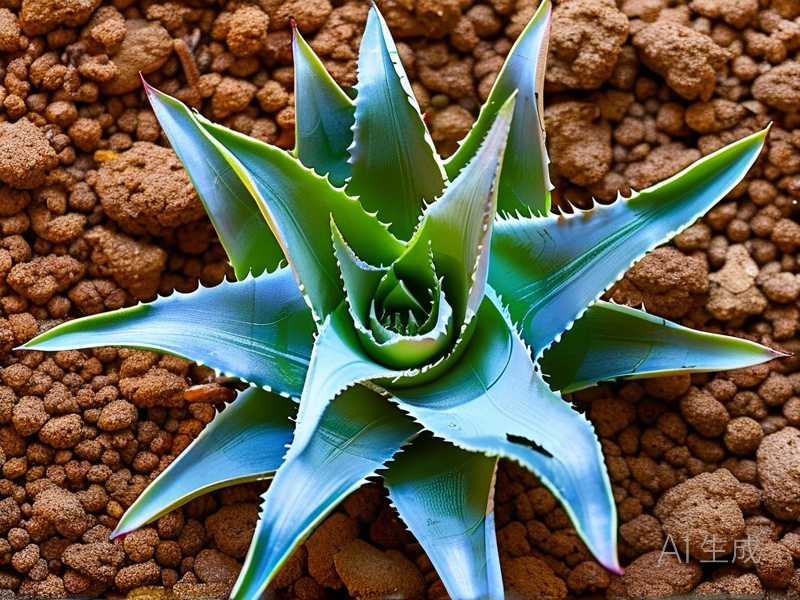
That's it. Pumice is my preference because it doesn't float to the surface the way perlite sometimes does, but perlite is cheaper and works fine. I avoid fine sand entirely. Fine sand clogs the gaps between bigger particles and turns the mix into concrete. Coarse sand or grit only.
If you don't want to blend your own, buy a succulent mix and cut it 50/50 with perlite. That single step will save you a lot of grief.
Light: Get This Right Before You Touch the Soil
Soil structure and light are connected, whether people realize it or not. An aloe in low light grows slowly and uses very little water. The soil stays wet longer. Then the roots rot. So a "soil problem" is often really a light problem.
Aloe wants bright, direct light for several hours a day. A south or west window is ideal in most homes. In very hot climates, afternoon shade in midsummer prevents scorching. If your plant is stretching tall with pale, thin leaves, it's not getting enough light, and you should move it before you adjust anything else.
Too much harsh midday sun on a plant that's been indoors all winter will burn the leaf edges. I learned that the hard way. Acclimatize gradually over a week or two instead of moving it straight into full sun.
Watering: Dry, Then Soak, Then Dry Again
My rule is simple. Stick a finger or a bamboo skewer into the soil. If it comes out dry two inches down, water thoroughly until it runs out the drainage holes. Then don't water again until it's dry at that depth.
In summer, that might be every 10 to 14 days indoors. In winter, it could be once a month or less. The plant's needs change with the season, and your watering should too.
Never let the pot stand in a saucer of runoff. Empty it within an hour. Water sitting at the bottom of the pot is the single fastest way to rot an aloe's roots.
Pots and Repotting
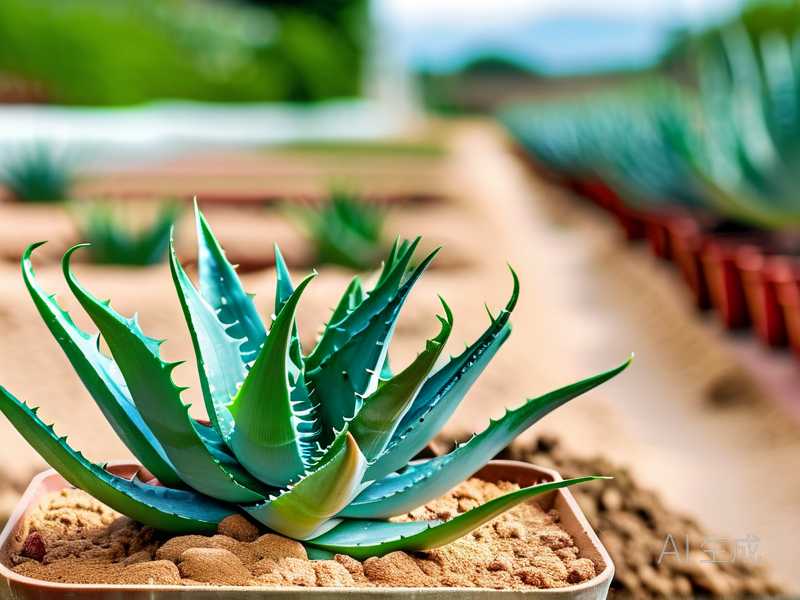
Terracotta is my favorite. It's porous and wicks moisture away from the soil, which helps the structure stay balanced. Glazed ceramic and plastic work, but they hold water longer, so you need to water less often.
Always pick a pot with a real drainage hole. No exceptions. Decorative pots without holes are for cachepots only — slip the nursery pot inside and take it out to water.
Repot every two to three years, or when roots start circling the drainage hole. Do it in spring when the plant is actively growing. Go up one pot size only. A pot that's too big holds excess soil that stays wet around the roots, which is a classic beginner mistake.
Feeding Without Breaking Down the Soil
Aloe is not a heavy feeder. I give mine a diluted liquid succulent fertilizer once in spring and once in midsummer. That's it. Half-strength at most.
Don't fertilize in winter. The plant isn't growing, and unused nutrients build up in the soil, which can damage roots and throw off the mix's balance over time. If you notice a white crust on the soil surface, that's salt buildup. Flush the pot with plenty of water and let it drain fully, or just repot into fresh mix.
Keeping Structure Balanced Through the Seasons
This is the part people skip, and it's the part that matters most. Soil structure isn't a one-time setup. It changes with how you water, how the plant grows, and what the weather does.
Spring: Refresh and Repot
Spring is when I do the heavy lifting. If the plant needs repotting, now's the time. I knock off the old soil, check the roots for rot, and repot into fresh gritty mix. I also start watering a bit more frequently as growth picks up, but I still wait for dry soil each time. This is when I give the first diluted feed.
Summer: Watch the Heat and the Water
Summer is peak growth, but it's also when overwatering temptation is highest. Hot weather makes people water more. Resist that instinct. Check the soil first, every time. Good airflow matters too — open a window or run a fan nearby. Stagnant humid air plus wet soil is a rot factory.
Autumn: Ease Off
As light levels drop, the plant slows down. I cut back on watering and stop fertilizing entirely by mid-autumn. This is also when I check that the soil hasn't compacted. If it feels dense and water pools on the surface instead of soaking in, that's a sign the structure has broken down and a spring repot is due.
Winter: The Danger Zone
Winter is where most aloes die indoors. Low light, cool temperatures, and well-meaning watering combine to keep soil wet for weeks. I water maybe once a month, sometimes less, and only on a sunny morning so any excess can evaporate. I keep the plant away from cold windows and radiators alike. No fertilizer at all.
The Three Mistakes That Kill Most Aloes
Let me be blunt about the big three, because I've made every one of them.
Mistake one: overwatering. I once watered my aloe every week like clockwork because that's what a blog told me to do. It rotted from the base up in under a month. Water on the plant's schedule, not yours.
Mistake two: wrong light. My second aloe lived in a dim corner because it "looked nice" there. It grew pale and leggy, and the soil never dried out. Light and drainage are tied together.
Mistake three: the wrong pot. I kept an aloe in a decorative glazed pot with no drainage hole for a whole summer. It sat in its own runoff. That plant didn't stand a chance.
Fix the soil, fix the pot, fix the light, and you've solved 90% of aloe problems before they start.
Pests and Problems to Watch For
Mealybugs and scale are the usual suspects on indoor aloes. Wipe them off with a cotton swab dipped in rubbing alcohol. Fungal problems almost always trace back to wet soil and poor airflow, so treat the cause, not just the symptom.
Yellow, mushy leaves at the base mean root rot. Unpot the plant, cut away the soft roots, let it callus for a day or two, and repot into fresh dry mix. Wait a week before watering. Brown, crispy tips are usually a light or water issue, not disease.
Over a two-week stretch, I watched a rotted aloe recover after repotting into pure pumice-heavy mix and holding off water entirely. New firm growth appeared at the center by day twelve. That told me everything about how much drainage matters.
Frequently Asked Questions
Can I use regular potting soil for aloe? No, not straight from the bag. It holds too much moisture. Cut it heavily with perlite or pumice, or buy a succulent mix and amend it.
How often should I water my aloe? Only when the soil is dry a couple of inches down. That might mean every two weeks in summer and once a month in winter.
Why does my aloe keep rotting even though I barely water it? Check the pot. No drainage hole, or a mix that stays dense and wet, will rot roots no matter how careful you are with the watering can.
Getting balanced soil structure for aloe right year round comes down to a gritty mix, a pot that drains, bright light, and the discipline to check before you water. Do those four things, and your plant will handle the rest.