bluename
 How to Adjust Aloe Vera Watering for High Temperatures: A 2-Week Survival Guide
I’ve killed my fair share of aloe vera plants. It’s a humbling admission for any plant enthusiast. The most common culprit? My watering can. I used to think these succulents were indestructible, until a brutal heatwave turned my plump, green aloe into a mushy, brown casualty. That’s when I realized the golden rule: how to adjust aloe vera watering for high temperatures isn't just a tip—it's a critical survival skill for your plant. If you’ve ever seen your aloe’s leaves thin out, turn brown, or feel soggy, you know the panic. This guide is the result of my own intensive, two-week experiment to crack the code on summer aloe care, moving from guesswork to a precise, responsive routine.
My goal was simple: develop a watering strategy that protects my aloe from heat stress while preventing the dreaded root rot. I documented everything—the steps, the changes, the mistakes, and the fixes. Here’s exactly what I did and what you can do to keep your aloe thriving when the mercury soars.
Understanding the Heat Stress Signal
Before changing anything, you must learn to listen to your plant. Aloe vera stores water in its thick, fleshy leaves. During a heatwave, it uses these reserves faster. But here’s the paradox: high temperatures also increase evaporation from the soil, yet aloe’s roots are incredibly prone to rot if left wet in the heat. The Royal Horticultural Society (RHS) notes that succulents like aloe vera require a “drench and drought” cycle, emphasizing that the soil must dry completely between waterings, a process that accelerates in high heat.
During my experiment, I observed two key signs:
- Thirsty Aloe: Leaves become thinner, less plump, and may curl inwards slightly. They lose their rigid, upright posture. The color might fade to a lighter green.
- Overwatered/Drowning Aloe (The Silent Killer): Leaves become soft, mushy, and translucent, often starting at the base. This is a root rot signal, often mistaken for underwatering in the heat.
The core of adjusting aloe vera water frequency in summer is responding to the first sign without triggering the second.
My 2-Week Aloe Vera Watering Adjustment Protocol
I selected a mature, healthy aloe plant and placed it in its usual bright, indirect light spot. A heatwave was forecasted, with temperatures consistently above 90°F (32°C). Here was my action plan.
Week 1: The Assessment and Initial Adjustment
Day 1-3: The Baseline Check. I did not water. Instead, I performed the “finger test,” inserting my finger 2-3 inches into the soil. It was bone dry. I also gently squeezed a lower leaf. It was firm but not as rigid as usual. This was my baseline: soil completely dry, plant showing early signs of using its reserves. According to the American Horticultural Society (AHS), during extreme heat, container plants can need water 2-3 times more frequently, but only if the soil drainage is excellent.
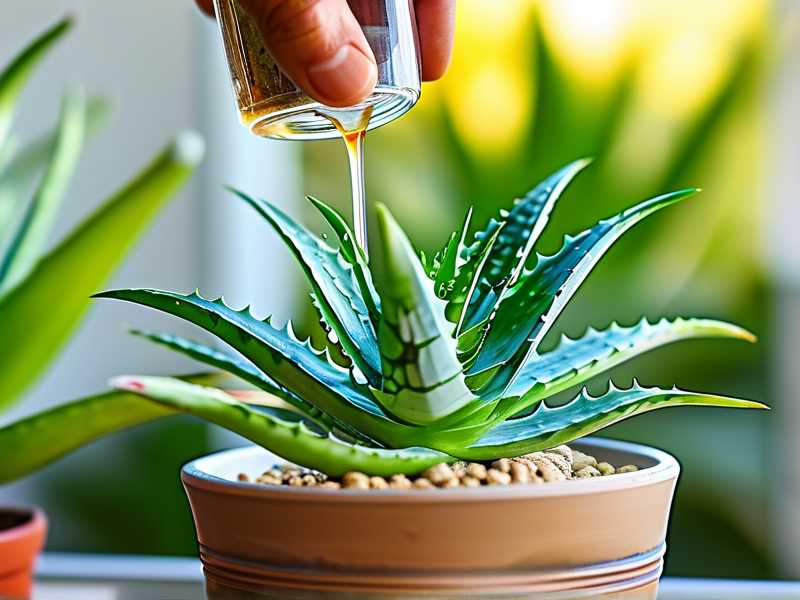
Day 4: The First Deep Watering. This is where most people, including my past self, go wrong. You must water deeply but infrequently. I took the pot to the sink and watered slowly until water flowed freely from the drainage holes. This ensures the entire root ball is moistened. I let it drain completely for 30 minutes before returning it to its saucer (which I kept dry). This deep soak supports the plant for the coming dry period.
Day 5-7: Vigilant Observation. I monitored daily. The heat was intense. By Day 7, the top inch of soil was already dry, but the lower soil likely still had moisture. The leaves were perfectly plump. I resisted the urge to water. This is the crucial discipline of aloe vera summer watering tips: waiting for the plant to tell you it’s ready, not watering on a calendar schedule.
Week 2: Fine-Tuning and The Pitfall
Day 8-10: The Soil Dries Faster. The sustained heat had truly baked the pot. The finger test showed dryness 3 inches down. A lower leaf showed slight thinning. It was time. On Day 10, I performed another deep watering at the sink, following the same thorough drain protocol.
Day 11: The Mistake (And The Fix). Here was my pitfall. After watering, we had an unexpectedly humid day followed by a scorching one. The soil surface was damp, but the heat made me anxious. I thought, “A little splash will cool it down.” I gave it a small, superficial drink. Big mistake.
By Day 12, the base of one leaf felt soft. Panic set in. I had created a classic “wet feet” scenario in high heat—a perfect storm for root fungus. My solution was immediate:
- I stopped all watering.
- I increased air circulation around the plant with a small fan on low, set several feet away.
- I carefully scraped back the top layer of soil to allow the subsurface to dry faster.
- I considered but held off on repotting, as the damage was minimal and localized.
Day 13-14: Recovery and Confirmation. The soft leaf did not recover; I carefully removed it at the base with a sterile knife to prevent any potential spread. However, the rest of the plant stabilized. The fan and soil exposure worked. The plant’s overall condition returned to normal, confirming that the deep-watering rhythm was correct, but any deviation (like my superficial “cooling” drink) was dangerous.
The Golden Rules I Learned
- The “Dry-Out” is Non-Negotiable. In high heat, the soil must dry out completely between waterings. The top 2-3 inches should be dry. A moisture meter can help eliminate guesswork.
- Water Deeply, Not Frequently. When you water, make it count. Saturate the soil until drainage runs free. This encourages deeper root growth and builds resilience.
- Pot and Soil Are Your Allies. My experiment reinforced that technique is nothing without the right setup. A terracotta pot (which breathes) and a gritty, cactus-specific potting mix are essential for managing aloe vera water needs in hot weather. Plastic pots retain moisture for too long.
- Observe, Don’t Assume. Heat affects every environment differently. A plant on a sunny patio will thirst faster than one in bright indoor light. Let the plant’s leaf turgor (fullness) and the soil condition be your guide, not the number of days.
Frequently Asked Questions
My aloe leaves are turning brown and crispy in the heat. Am I underwatering? Likely, yes—but it could be sunburn. Brown, dry, crispy tips or patches often indicate underwatering or direct, scorching sun. Check the soil. If it’s extremely dry, give it a deep soak and consider moving it to a spot with bright, but indirect, light during peak heat hours.
The leaves are mushy and brown at the base, but the soil is dry. What’s happening? This is advanced root rot, often a legacy of earlier overwatering. The roots have died and can no longer absorb water, so the plant consumes itself and the soil stays dry. You must unpot the plant, remove all black/mushy roots and leaves, let it callous over for a day, and repot in fresh, dry cactus mix. Do not water for at least a week.
Can I mist my aloe vera to cool it down in high temperatures? I do not recommend it. Aloe vera is a desert plant adapted to dry air. Misting can leave water in the leaf rosette, which, combined with high heat, can lead to crown rot. For cooling, focus on shading the pot from direct afternoon sun and ensuring good air circulation around the plant, not on wetting its leaves.
Keeping your aloe vera healthy during a heatwave is a dance between vigilance and restraint. It’s about responding to its subtle cues for hydration while fiercely protecting it from the greater danger of excess moisture. By adopting a deep-water, complete dry-out cycle and using the physical signs of the leaves as your primary guide, you can help your aloe not just survive, but actively thrive through the hottest days. Remember, the goal is to replicate the natural desert downpour it evolved for: a profound drink followed by a long, sunny drought.