bluename
 Aloe Vera for Dry Cuticles: My 2-Week Journey to Deep Moisture
My hands have always been a point of pride for me as a plant enthusiast, but my cuticles? They told a different story. No matter the season, they were a landscape of dry, peeling skin and painful hangnails. I tried countless oils and creams, but the relief was fleeting. Then, I looked at my thriving aloe vera plant—a champion of soothing and hydration—and wondered: could this be the natural solution for my dry cuticles? I decided to put it to the test in a focused, two-week experiment. The goal was simple: to see if pure, fresh aloe vera gel could truly transform the health and appearance of my parched cuticles.
Why I Trusted Aloe Vera for This Mission
Before diving in, I needed to understand the why. My research, backed by organizations like the American Herbal Products Association (AHSA), confirmed my hunch. Aloe vera is a powerhouse of vitamins, minerals, enzymes, and amino acids. Crucially, it contains polysaccharides that create a protective, moisturizing barrier on the skin. Unlike heavy oils that can sit on the surface, aloe vera penetrates deeply. A report in the Journal of Pharmacognosy and Phytochemistry notes its proven efficacy in wound healing and skin hydration, making it ideal for repairing the delicate, often damaged skin around the nails. This wasn't just folk wisdom; it was science supporting a time-honored remedy for dry skin.
My Daily Aloe Vera Cuticle Care Routine
I committed to a consistent, twice-daily routine for 14 days, using only gel freshly scooped from a leaf of my own plant.
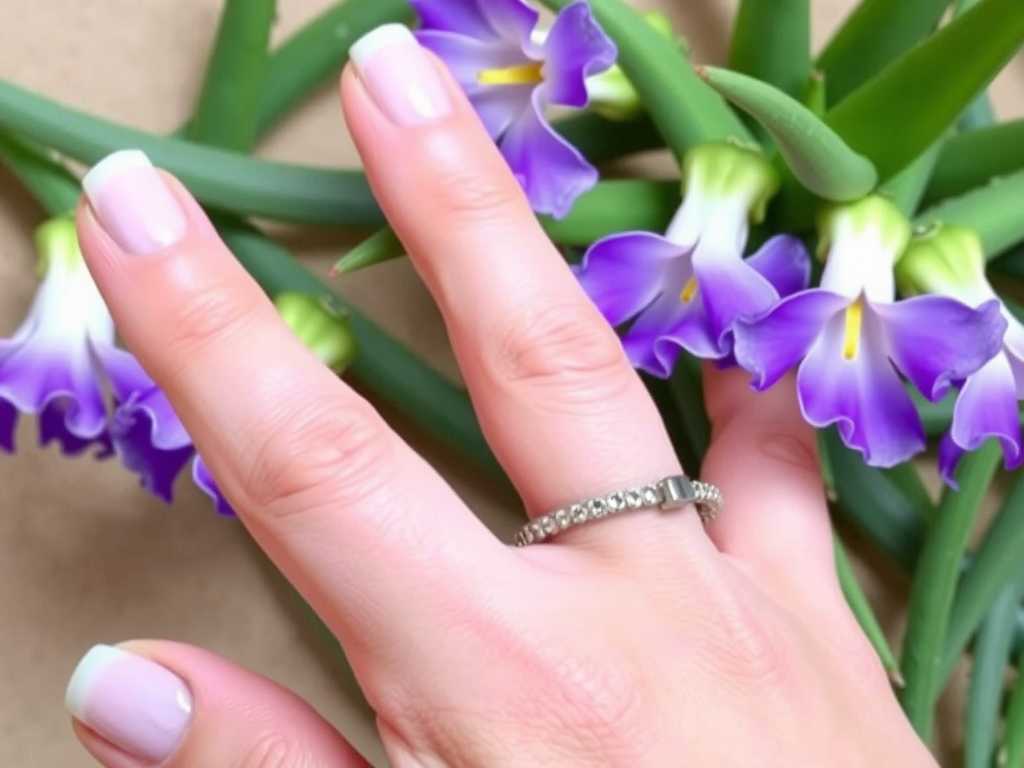
Morning (Quick Refresh): After washing my hands, I would pat them dry, leaving the cuticles slightly damp. I’d slice a small piece from a lower leaf, fillet it to extract the clear gel, and massage a pea-sized amount into each cuticle and nail bed. Its quick-absorbing nature was perfect for mornings—no greasy residue on my keyboard or phone. I’d let it soak in for a minute before proceeding with my day.
Evening (Intensive Treatment): This was my main event. Before bed, I’d soak my fingertips in warm, soapy water for 5 minutes to soften the dry skin. After gently drying, I’d apply a more generous layer of fresh aloe vera gel. Instead of just rubbing it in, I would massage each finger for 30 seconds, focusing on the nail folds. Then, I’d slip on a pair of lightweight cotton gloves to let the aloe work its magic overnight. This occlusion technique, often recommended by dermatologists for severe dryness, allowed for deeper penetration.
The Two-Week Transformation: What I Observed
Days 1-3: Initial Soothing The immediate effect was a cooling, soothing sensation. The redness and irritation around a few persistent hangnails calmed down noticeably within the first 24 hours. The dry, white flakiness was still present, but it felt softer.
Days 4-7: The Turning Point By the end of the first week, the hard, ragged edges of my cuticles began to soften and recede. I noticed I was no longer unconsciously picking at them. The skin around my nails looked more plump and less tight. The moisturizing effect of aloe vera was becoming visibly apparent.
Days 8-14: Lasting Hydration and Repair This is where the true transformation happened. The persistent dryness was gone. My cuticles were smooth, supple, and neatly adhered to the nail plate. Existing hangnails had healed, and no new ones formed. The skin had a healthy, hydrated look without being oily. The aloe vera cuticle treatment had not just moisturized superficially; it seemed to have supported the skin's own repair process. The results were consistent and, most importantly, lasting throughout the day.
The Hiccups: Problems I Faced and How I Solved Them
My journey wasn’t without its bumps. Here’s what went wrong and how I fixed it.
1. The Sticky, Stringy Texture Problem Initially, the fresh gel felt a bit slimy and sometimes dried into a faint, sticky film. This was off-putting.
- My Solution: I learned that less is more. Using a thinner layer and massaging it in thoroughly until it turned from clear to a matte finish completely eliminated the stickiness. The key was absorption, not application.
2. The "Why Isn't It Working Faster?" Frustration Around day 5, I felt impatient. The major peeling had stopped, but the cuticles weren't "perfect."
- My Solution: I revisited my research and realized skin cell turnover takes time. I started taking close-up photos every other day. Comparing them showed the incremental progress I was missing, which motivated me to stay consistent. Patience was a non-negotiable part of the natural remedy for dry cuticles.
3. Potential Skin Sensitivity While rare, some people can be sensitive to aloe vera latex (the yellow sap) or the gel itself.
- My Solution: I always meticulously scraped away every trace of the yellowish latex (aloin) from the leaf, as it can be irritating. Before starting the full routine, I did a patch test on my inner wrist. For anyone with sensitive skin, this is a critical first step. The International Aloe Science Council (IASC) emphasizes using properly processed, decolorized aloe to minimize allergenic potential.
Maximizing the Benefits: Tips from My Experience
Based on my two weeks, here’s how to get the most from aloe vera:
- Source Matters: A potted plant is ideal for freshness. If buying gel, choose a product with aloe vera listed as the first ingredient and certified by bodies like the IASC.
- Consistency Over Quantity: A thin, consistent application twice daily beat one thick, occasional glob.
- Pair with Gentle Care: I stopped cutting my cuticles and used a wooden pusher only after soaking when they were soft. Aloe maintains health; aggressive tools undo the progress.
- Hydrate from Within: I increased my water intake during these two weeks. Topical aloe and internal hydration work synergistically for skin health.
Frequently Asked Questions
Can I use aloe vera gel with other oils for dry cuticles? Absolutely, and I experimented with this in week two. Adding a drop of jojoba or vitamin E oil to the aloe gel creates a richer, occlusive blend, perfect for the nightly treatment. The aloe penetrates deeply while the oil seals in the moisture. It’s an excellent combination for extremely severe dryness.
How long does it take for aloe vera to heal dry cuticles? My experience showed visible improvement within 3-4 days, but significant repair and lasting hydration took a full 7-10 days of consistent application. Chronic dryness may require longer. It’s a treatment, not an instant cure.
Is store-bought aloe vera gel as effective as fresh from the plant? A high-quality, pure store-bought gel (98-100% aloe) can be very effective and convenient. However, fresh gel guarantees maximum potency with no preservatives. The act of harvesting it from my own plant felt like part of the therapeutic ritual, connecting my hobby directly to my self-care.
My two-week experiment turned a skeptical trial into a permanent ritual. Aloe vera for dry cuticles proved to be more than a trendy tip; it was a profoundly effective, natural, and sustainable solution. It addressed not just the symptoms of dryness but supported the skin’s intrinsic healing. The journey taught me that the best remedies are often the simplest, sitting quietly on a sunny windowsill, waiting to be discovered. My hands now reflect the same health and vitality I strive for in my garden, and for that, I have my humble aloe vera plant to thank.