bluename
 Aloe Vera and Small Pets: Hamster Safety Tips Every Owner Needs to Know
As a long-time plant enthusiast and hamster owner, I’ve always loved bringing greenery into my home. My collection includes several plump, healthy aloe vera plants, prized for their air-purifying qualities and soothing gel. But when I brought home my first hamster, Whiskers, a question nagged at me: Is aloe vera safe for hamsters? I knew many common houseplants are toxic to small pets, and I wasn't willing to risk Whiskers' health on an assumption. My core dilemma was how to balance my passion for plants with the absolute safety of my tiny, curious friend. This launched a two-week personal investigation into aloe vera and small pets, specifically focusing on hamster safety tips.
My journey wasn't just about reading articles; it was a hands-on experiment to understand the real risks and establish foolproof protocols in my own home.
Understanding the Risk: Why Aloe Vera is a Concern
My first step was deep research. I consulted resources from the American Humane Society (AHA) and various exotic pet veterinary guides. I learned that aloe vera contains compounds called anthraquinones, which have a potent laxative effect. For humans, this can be beneficial in moderation, but for a hamster weighing mere ounces, even a small nibble can cause severe digestive upset, leading to diarrhea, dehydration, and a dangerous electrolyte imbalance.
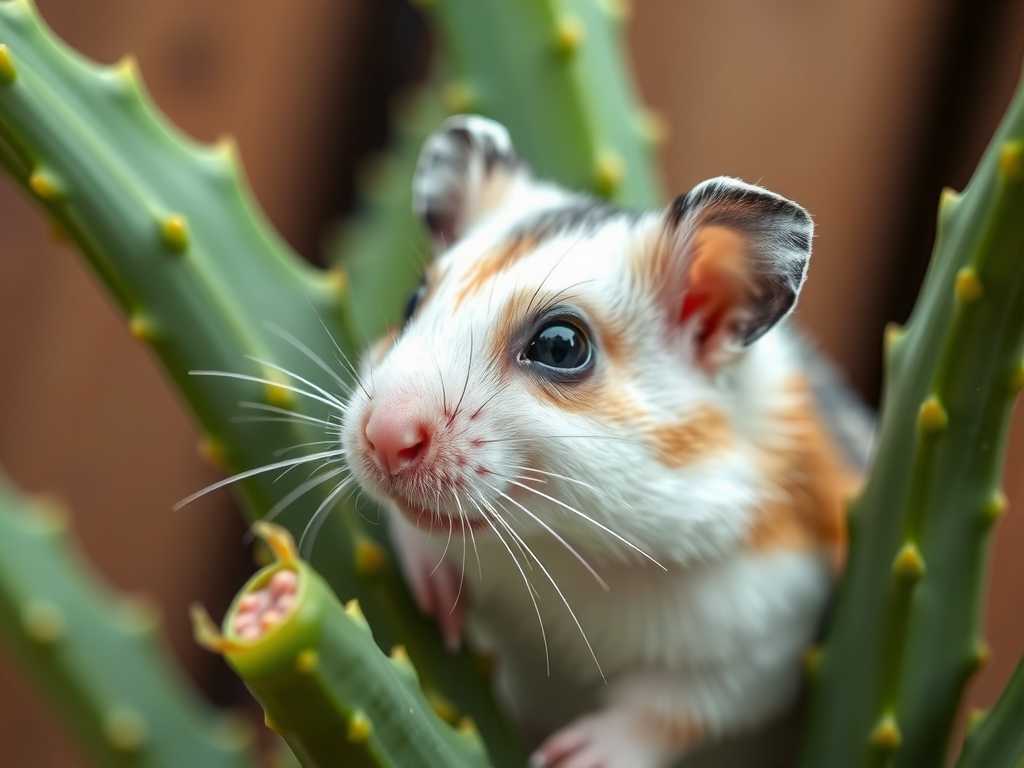
The Pet Poison Helpline categorizes aloe vera as mildly to moderately toxic to cats and dogs, and this extends to our smaller companions. The risk isn't just the gel inside the leaf; the outer latex layer, the yellow sap just beneath the skin, is particularly irritating. This was a crucial distinction I hadn't fully appreciated before.
My Two-Week Safety Experiment and Observation
I decided to conduct a controlled, safe observation. My goal was not to test aloe on my hamster, but to test my own ability to manage the environment. I have two aloe plants in my home office, where Whiskers never roams free. For this experiment, I moved one small potted aloe vera into my living room—on a high, inaccessible shelf—to simulate a "risk-present" scenario during his supervised playtime.
Week 1: Setup and Initial Vigilance I created a designated, secure playpen for Whiskers' out-of-cage time, far from the plant shelf. Every day for 30 minutes, I observed his behavior. Hamsters are climbers and explorers. I noted how he would stand on his hind legs, sniffing the air. His curiosity was palpable. The first few days, I was overly anxious, jumping at every movement toward the general direction of the shelf. I realized my anxiety was a sign that the setup was flawed. If I wasn't comfortable, it wasn't safe enough.
The "Close Call" and Immediate Solution Midway through the first week, I had what I call a "near-miss." While I was distracted for a moment answering the door, Whiskers managed to squeeze through a tiny gap in his playpen corner (a gap I had missed!). He didn't get far, and the aloe was still meters away and high up, but my heart stopped. This was the biggest pitfall: underestimating a hamster's Houdini-like escape skills.
My solution was immediate and twofold. First, I invested in a fully enclosed, transparent playpen with a secure lid. Second, I instituted a "pre-flight check" routine before every play session: inspecting the pen's seams, ensuring all room doors were closed, and—most importantly—removing the aloe plant from the room entirely. Not just to a high shelf, but physically placing it in a closed closet during hamster playtime. This eliminated the source of risk completely rather than just managing it.
Week 2: Implementing the New Protocol With the new enclosed playpen and the strict "plant removal" rule, the second week was transformative. My observation sessions became relaxed and enjoyable for both of us. Whiskers explored his new, secure space with gusto, and I could watch him without a background hum of worry. I confirmed that without the visual or scent trigger of the plant nearby, he showed no particular interest in that part of the room. The environment was now predictably safe.
Essential Hamster Safety Tips for Aloe Vera Owners
Based on my two-week experience, here are the actionable steps I now live by:
1. Prioritize Absolute Prevention. The only safe amount of aloe vera for a hamster is zero. Do not assume "just a little" is okay. Never use aloe vera gel, even if marketed as pure, to treat a hamster's minor skin issues. Consult an exotic vet for pet-safe alternatives. The ASPCA Animal Poison Control Center database clearly lists aloe as toxic, and that's authority enough for me.
2. Create Impenetrable Barriers. Your hamster's primary cage must be in a plant-free zone. For free-roam time, use a secure, escape-proof playpen in a room where all plants have been removed. Remember, hamsters can climb and chew through surprising materials. A high shelf is not a safe barrier.
3. Become a Vigilant Observer. Know the signs of potential poisoning: lethargy, loss of appetite, watery diarrhea, or unusual stillness. If you suspect your hamster has ingested any part of an aloe vera plant, contact your veterinarian immediately. Time is critical for such a small animal.
4. Offer Safe Alternatives. A big part of keeping hamsters safe around houseplants is redirecting their natural chewing instinct. I provide a constant supply of approved chew sticks (applewood, pearwood) and edible treats like millet sprays. A happy, engaged hamster with appropriate outlets is less likely to seek out forbidden greenery.
What About Other Small Pets?
While my focus was on hamsters, my research showed that the safety of aloe vera for guinea pigs and rabbits is also a firm "no." These herbivores have sensitive digestive systems that are equally disrupted by the plant's compounds. The same strict prevention rules apply. For any small pet, when in doubt, leave the plant out.
Can I use aloe vera gel from my plant on my hamster's dry skin? No, you should not. The risk of ingestion during grooming is high, and the latex residues can be irritating. Always seek veterinary advice for skin conditions. Your vet can recommend specifically formulated, safe ointments.
What if my hamster just touched the aloe plant? Simple contact with the exterior of a clean leaf is low risk, but wash the area with warm water if you're concerned. The primary danger is ingestion. However, if the leaf is damaged and the sap is exposed, contact could cause mild skin irritation. Monitor the area and consult a vet if you see redness.
What are some safe plants I can have around my hamster? Excellent question! Focus on plants that are out of reach in hanging planters or in completely separate rooms. Some generally recognized safe plants (but still keep them inaccessible) include spider plants, Boston ferns, and certain herbs like basil. Always double-check each specific plant species with a reputable source like the ASPCA list before bringing it into a pet-friendly home.
Balancing a love for plants and a love for small pets is entirely possible, but it requires a mindset shift from co-existence to proactive protection. My two-week experiment taught me that the comfort of a high shelf is an illusion for a determined hamster. True safety comes from creating a pet-centric zone that is utterly free from risks like aloe vera. By removing the plant during interactive time, using secure enclosures, and providing plenty of approved chews, I now enjoy my lush aloe plants and my thriving, curious hamster with genuine peace of mind. His safety isn't just a tip on a list; it's the foundation of our shared home.