bluename
 aloe vera plant Stress: Signs and Relief Methods
Does your once-plump and vibrant aloe vera plant now look a little sad? You’re not alone. Aloe vera, known for its resilience, can still send clear distress signals when its needs aren’t met. Recognizing these signs early is key to restoring its health and enjoying its lush, decorative appeal in your home. This guide will help you become fluent in your aloe’s language, decode the symptoms of aloe vera plant stress, and provide practical, step-by-step relief methods to bring it back to its thriving best.
Understanding Aloe Vera Plant Stress
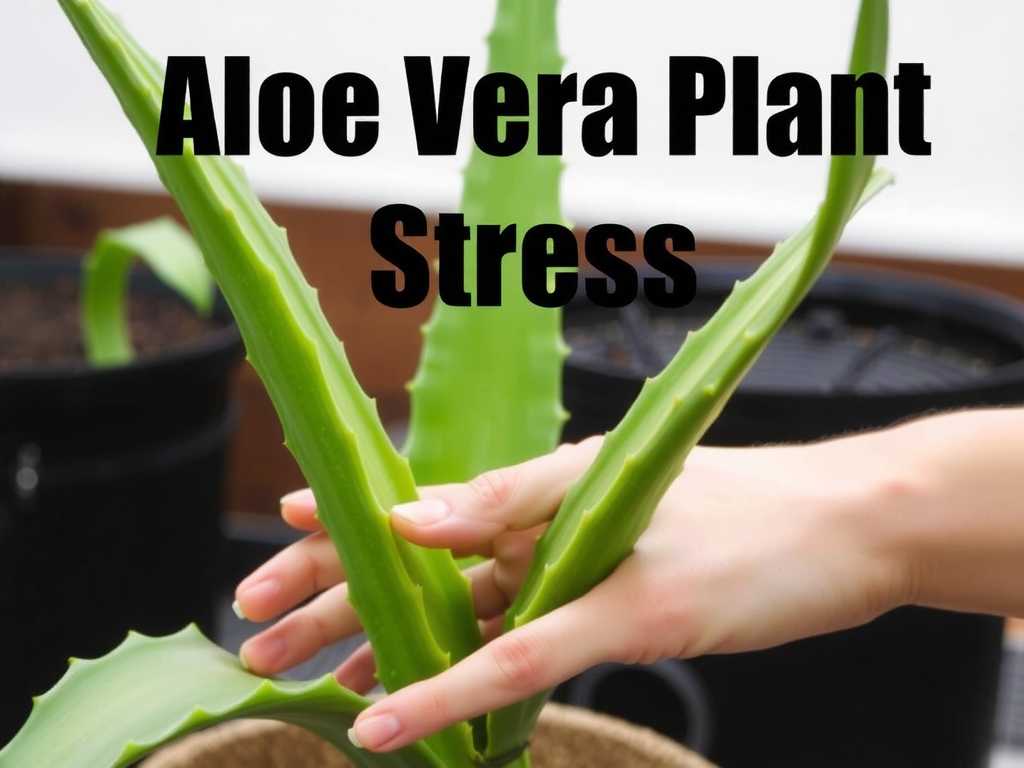
Aloe vera is a succulent, adapted to store water in its thick, fleshy leaves. Its natural stress responses are often tied to deviations from its preferred dry, bright, and warm environment. Stress in aloe vera plants isn't always a death sentence; it's a cry for help. By observing changes in leaf color, texture, and growth patterns, you can diagnose the issue accurately. According to horticulturists at the Royal Botanic Gardens, Kew, succulents like aloe vera exhibit specific physical changes when under environmental duress, which are reliable indicators for attentive plant owners.
Top Signs Your Aloe Vera Plant is Stressed
Your aloe can’t speak, but its leaves tell a detailed story. Here are the most common signs of distress.
Leaf Discoloration and Texture Changes
- Soft, Mushy, or Translucent Leaves: This is the classic sign of overwatering. The water-storing cells burst, turning the leaves soft and brownish. In severe cases, the base of the stem may also become mushy—a symptom of root rot.
- Thin, Curled, or Wrinkled Leaves: When an aloe vera plant is underwatered, it consumes the moisture reserves in its leaves. They become thin, curl inward, and develop a wrinkled or puckered texture. The plant looks deflated.
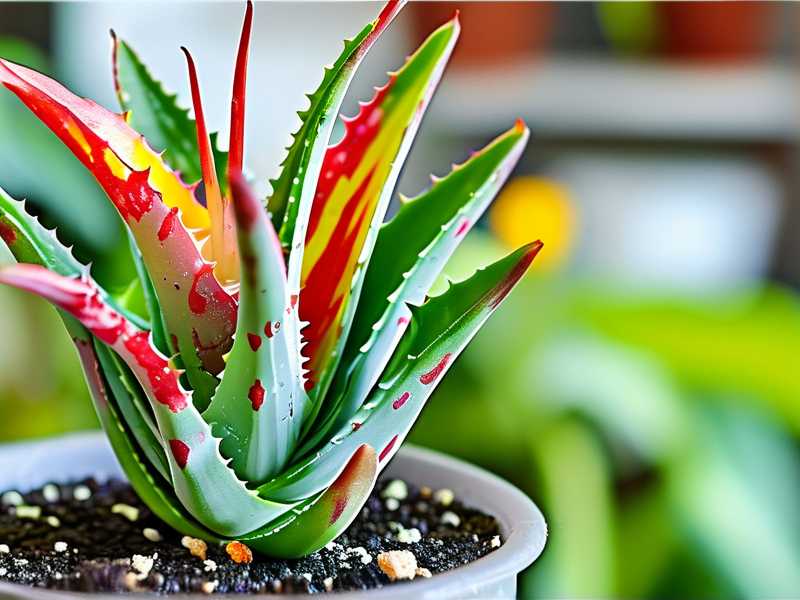
- Brown or Reddish Leaves: Often mistaken for disease, this is usually a sunburn. Sudden exposure to intense, direct sunlight, especially after a period indoors, can cause leaves to turn brown or develop a reddish-purple tinge. The Cornell University Horticulture Department notes that while some succulents develop protective pigments, a sudden widespread color change in aloe typically indicates light stress.
Stunted or Unusual Growth Patterns
- Leggy or Elongated Growth: If your aloe is stretching out, with long, weak stems and widely spaced leaves, it’s etiolating. This means it’s not getting enough bright, direct light and is reaching for the sun.
- Failure to Produce New Pups: A healthy, happy aloe vera plant will produce offsets, or “pups,” around its base. A prolonged absence of new growth can indicate chronic stress from poor soil, incorrect pot size, or inadequate light.
Root and Base Health
- Foul Odor from Soil: A musty or rotten smell emanating from the pot is a red flag for root rot, often caused by overwatering and poor drainage.
- Instability in the Pot: If the plant wobbles easily in the soil, the roots may be compromised due to rot or desiccation.
Effective Relief Methods for a Stressed Aloe Vera
Once you’ve identified the sign, you can take targeted action. Here’s how to address the most common causes of aloe vera plant stress.
Correcting Watering Issues (The Most Common Problem)
-
For Overwatered Aloe:
- Stop Watering Immediately. Let the soil dry out completely.
- Check the Roots. Gently remove the plant from its pot. Inspect the roots. Healthy roots are firm and white or tan. Soft, brown, or black roots are rotten.
- Perform Root Surgery. Using a sterile knife or scissors, cut away all rotten roots and any mushy parts of the stem or leaves.
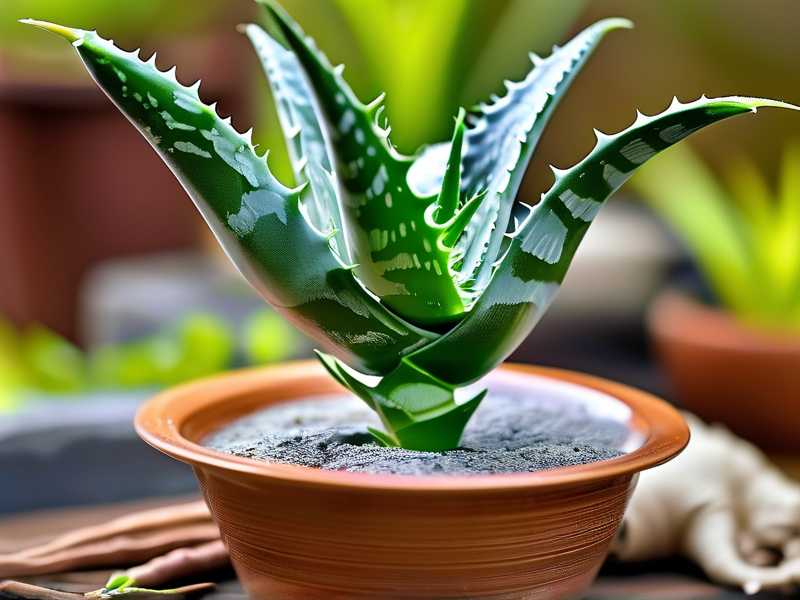
- Repot. Use a completely fresh, well-draining succulent or cactus mix. A terracotta pot is ideal as it wicks away excess moisture. Do not water for at least a week after repotting to allow roots to heal.
-
For Underwatered Aloe:
- Soak Thoroughly. Place the pot in a sink or basin filled with a few inches of water for about 30-45 minutes, allowing the soil to absorb moisture from the bottom up.
- Return to Proper Routine. Going forward, water only when the top 1-2 inches of soil are bone dry. Soak the soil completely until water runs out the drainage hole, then empty the saucer.
Optimizing Light and Temperature Conditions
- For Sunburned Aloe: Move the plant to a location with bright, indirect sunlight. Filtered light from an east or west-facing window is perfect. The burned leaves will not recover, but you can prune them if they are unsightly once the plant is stable. New growth will be healthy.
- For Leggy Aloe: Gradually introduce it to more direct sunlight. Start with an hour of morning sun, increasing daily over a week or two to avoid shock. A south-facing window is often ideal. The existing growth won’t shorten, but new growth will be compact.
- Maintain Ideal Temperature: Aloe thrives in temperatures between 55-80°F (13-27°C). Protect it from cold drafts and temperatures below 50°F (10°C).
Repotting and Soil Management
The right foundation is crucial. Aloe vera requires soil that drains exceptionally fast.
- Soil Mix: Use a commercial succulent/cactus mix. For extra drainage, you can amend it with perlite or coarse sand (a 50/50 mix is safe). Research from the University of Melbourne School of Ecosystem and Forest Sciences emphasizes the critical role of free-draining substrates in preventing root diseases in container-grown succulents.
- Pot Choice: Always use a pot with a drainage hole. Size matters—choose a pot only 1-2 inches wider than the root ball. Too much soil holds excess water.
Reviving and Repurposing Damaged Leaves
If you have to remove healthy but damaged leaves (like sunburned tips), don’t throw them away. The clear gel inside has wonderful uses for home skin hydration routines.
- Harvesting Gel: Cut the leaf at the base, stand it upright in a glass for 15 minutes to let the yellow latex (aloin) drain out, then fillet the leaf to scoop out the clear gel.
- Simple Soothing Gel: Blend the pure gel and store it in the refrigerator in a clean jar for up to a week. It can be used as a cooling moisturizer for dry skin after sun exposure (not for treating burns, but for general skin cooling and hydration).
- DIY Moisturizing Base: Mix the fresh gel with a few drops of coconut or olive oil to create a rich, natural body moisturizer. Always do a patch test first on a small area of skin.
Preventative Care: Keeping Your Aloe Vera Stress-Free
Prevention is simpler than cure. Integrate these habits for a consistently happy plant.
- The “Soak and Dry” Watering Method: This is the golden rule. Water deeply, then wait until the soil is completely dry before watering again.
- Seasonal Adjustments: Water much less frequently in fall and winter when the plant is dormant. Increase light exposure if possible during darker months.
- Regular Inspection: Make a habit of checking your aloe’s leaf firmness and soil moisture weekly. Look under leaves and at the base for early signs of trouble.
Frequently Asked Questions
Can a completely brown aloe vera plant be saved? It depends on the cause and location of the damage. If the central stem and some inner leaves are still firm and green, there is hope. Remove all dead and mushy material, check the roots, repot in dry soil, and provide appropriate light. Recovery will be slow. If the entire plant, including the core, is mushy and brown, it may not be salvageable.
How often should I fertilize my aloe vera plant? Aloe vera has very low fertilizer needs. Feeding once a year, at the start of the growing season (spring), is sufficient. Use a balanced, water-soluble fertilizer diluted to half strength. Over-fertilizing can cause salt buildup in the soil and lead to stress in aloe vera plants.
Is tap water bad for my aloe? It can be, depending on your water. Aloe is sensitive to minerals and chemicals like fluoride and chlorine, which can cause leaf tip browning. If your tap water is hard, using filtered, distilled, or rainwater is better. Alternatively, you can let tap water sit out overnight to allow some chemicals to evaporate before using it.
Caring for an aloe vera plant is a rewarding practice in mindful observation. By learning to read its physical signs—whether leaves are too soft, too thin, or changing color—you can quickly adjust its care. The solutions are often straightforward: mastering the watering cycle, ensuring plenty of bright light, and providing the right gritty soil mix. With these adjustments, your aloe will not only recover but will reward you with robust growth, decorative pups, and even a harvest of gel for your non-medical skin hydration and moisturizing projects. A stress-free aloe is a beautiful, enduring addition to any living space.