bluename
 How to Adjust Aloe Vera Watering for Spring Growth: Your Complete Guide to a Thriving Plant
Spring is here, and your aloe vera plant is stirring from its winter rest. You notice new, vibrant green shoots pushing up from the center. Excited, you reach for your watering can, thinking it’s time for a deep drink. But wait. This common impulse is the number one mistake that leads to mushy leaves, root rot, and a struggling plant just as it’s ready to thrive. The transition from winter dormancy to active spring growth requires a careful, informed shift in your watering routine. This guide will walk you through exactly how to adjust aloe vera watering for spring growth, ensuring your plant not only survives but flourishes in the warmer months.
Understanding Your Aloe Vera’s Natural Rhythm
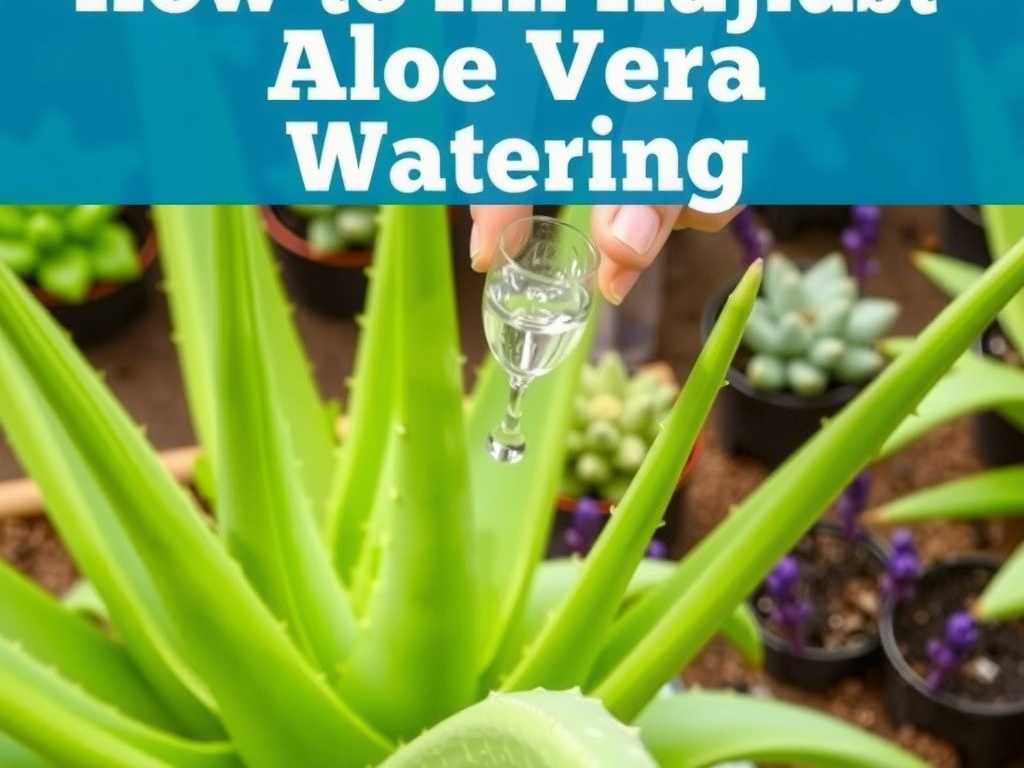
Aloe vera is a succulent, a master of water storage and drought survival. Its thick, fleshy leaves are designed to hold moisture for extended periods. During winter, with lower light levels and cooler temperatures, its metabolic processes slow down significantly. It uses very little water. Come spring, increasing daylight and warmth signal the plant to begin active growth, producing new leaves and potentially offsets, or “pups.” This awakening means its water requirements change, but not as drastically as you might think. The key is to respond to the plant’s cues and environmental factors, not just the calendar.
The Spring Watering Reset: A Step-by-Step Approach
Don’t make an abrupt change. Follow this progression to safely transition your aloe vera into its growing season.
Assess Before You Address
Your first step isn’t watering; it’s investigation. Check the soil moisture depth. Insert your finger or a wooden skewer at least 2-3 inches into the potting mix. If it comes out with damp soil clinging to it, hold off on watering. For aloe vera in spring, the top two-thirds of the soil should be completely dry before you consider watering. Also, gently feel the lower leaves. Are they plump and firm, or slightly thinner and more flexible? Slight flexibility can be a good early indicator of thirst, but waiting for the soil to dry is a safer rule.
Master the “Soak and Dry” Method
This is the golden rule for watering succulents like aloe vera, and it’s especially critical in spring. The method is simple but precise:
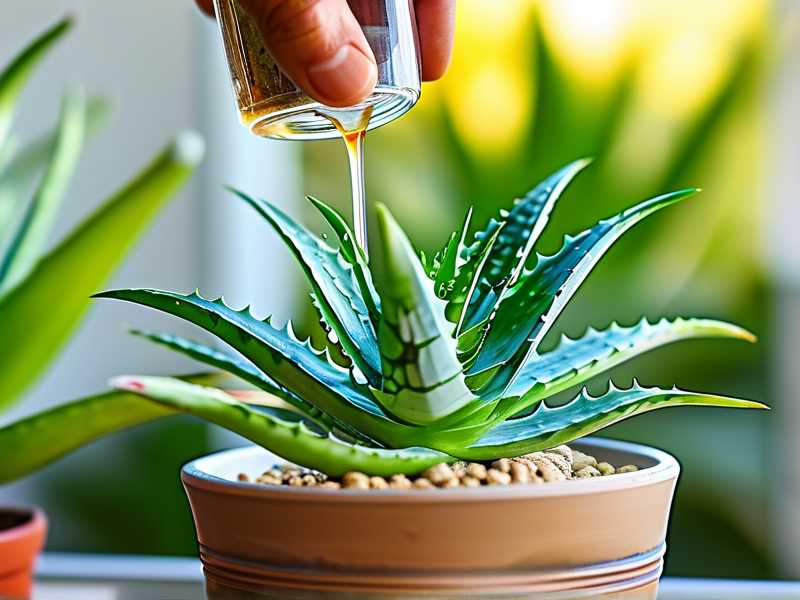
- Soak Thoroughly: When the soil is completely dry deep down, water the plant slowly and evenly. Pour water until you see it freely running out of the drainage holes at the bottom of the pot. This ensures the entire root ball gets moistened.
- Dry Completely: This is the non-negotiable second part. Empty the saucer or cache pot of any excess water immediately. Do not let the plant sit in standing water. Then, allow the soil to dry out completely again, as verified by your finger test.
This cycle mimics the natural desert rains aloe vera is adapted to: a heavy downpour followed by a prolonged dry period. In spring, this cycle may occur more frequently than in winter, but the “dry” phase remains essential.
Key Environmental Factors That Dictate Watering Frequency
“How often?” is the wrong question. The right question is, “Under what conditions?” Your watering schedule depends entirely on these variables:
- Light Exposure: A spring sunbeam is stronger than a winter one. An aloe vera placed on a bright, south-facing windowsill or moved to a sheltered outdoor patio will photosynthesize more actively and dry out its soil much faster than one in moderate indoor light. More light = more potential for growth = more frequent checks for dryness.
- Temperature and Humidity: Warmer spring temperatures increase evaporation from the soil and transpiration from the leaves. Conversely, a humid environment will slow soil drying. Monitor how quickly the soil dries in your specific spring conditions.
- Pot and Soil Composition: This is foundational. A terracotta pot is porous and pulls moisture from the soil, drying it faster than a plastic or ceramic pot. More importantly, your soil must be fast-draining. A standard potting mix holds too much water. Experts from the Cornell University Horticulture Department recommend a cactus or succulent mix, or amending regular potting soil with 50% perlite or coarse sand to ensure rapid drainage and prevent waterlogging.
Signs You’re Getting It Right (And Getting It Wrong)
Your plant will communicate its needs.
Signs of Perfect Spring Watering:
- Firm, upright, plump leaves with vibrant green or bluish-green color.
- Steady growth of new leaves from the center rosette.
- The emergence of healthy offsets (baby plants) at the base.
Warning Signs of Overwatering (The Spring Danger):
- Leaves turning soft, mushy, and translucent, often starting at the base.
- Brown, black, or waterlogged spots on leaves.
- A persistently wet, soggy soil mix days after watering.
- Foul odor from the soil, indicating possible root rot.
Signs of Underwatering (Less Common, But Possible):
- Leaves become thin, curled inward, and feel dry or crispy.
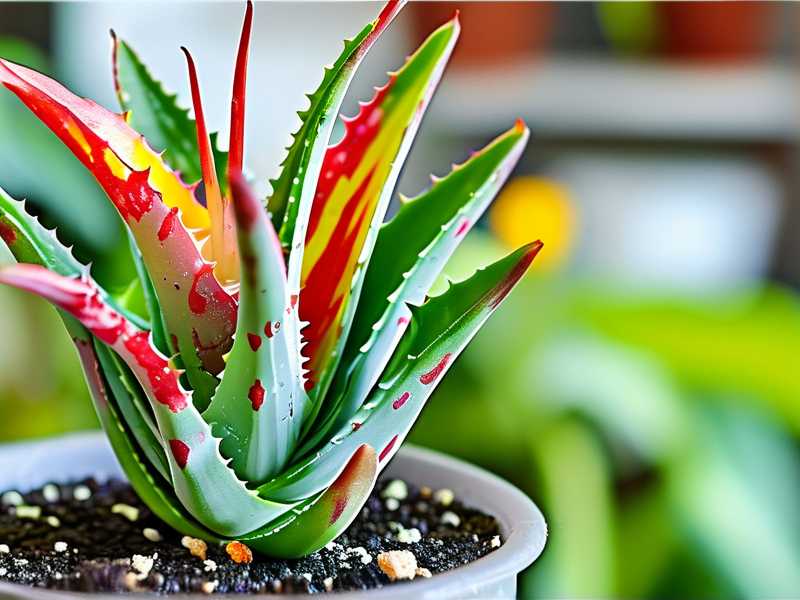
- The entire plant may take on a reddish or brownish tinge (a stress color from intense light combined with low water).
- Growth is completely stunted.
Beyond Watering: Holistic Spring Care for Maximum Growth
Watering doesn’t exist in a vacuum. To support the growth triggered by your adjusted watering, consider these companion practices:
Refresh the Soil for Vitality Spring is the ideal time to repot if your aloe has outgrown its container or if the soil has become compacted. Repotting into a fresh, well-draining mix provides essential aeration and nutrients. Choose a pot only 1-2 inches larger in diameter than the previous one; too much soil holds excess water.
Introduce Fertilizer—Sparingly After a winter fast, your aloe can benefit from light feeding. Use a balanced, water-soluble fertilizer diluted to half-strength, or a fertilizer specifically formulated for succulents. Apply only once at the beginning of the growing season. Over-fertilizing can harm the roots and lead to weak, leggy growth.
Optimize Light for Robust Growth As you water more, ensure your plant has ample light to use that energy. Gradually acclimate it to brighter spring and summer sunlight to avoid scorching. Bright, indirect light or a few hours of direct morning sun is often ideal for strong, compact leaf growth.
Creative and Safe Uses for Your Spring Aloe Harvest With proper spring care, your aloe may produce abundant leaves. Harvesting a mature, outer leaf responsibly can be part of plant maintenance.
A Simple Soothing Skin Moisturizer The clear gel inside the leaves is renowned for its hydrating properties. After harvesting, you can apply the fresh gel directly to clean skin as an intensive moisturizer to soothe areas of dryness. Always do a patch test on a small area of skin first to check for sensitivity.
Enhancing Your Home’s Green Aesthetic A healthy, well-watered aloe vera is a striking architectural plant. Its sculptural form adds a modern, clean line to desks, kitchen windowsills, or bathroom shelves. Group it with other succulents in varying heights and textures for a low-maintenance, stylish display that thrives with similar care.
My aloe leaves are thin and curling. Should I water more? Thin, curling leaves are a classic sign of underwatering. Check the soil. If it’s bone-dry, perform a thorough “soak and dry” cycle. The leaves should plump up within a few days. Ensure the plant isn’t in excessively hot, direct sun which can accelerate moisture loss.
The leaves on my aloe are turning brown and soft at the base. What’s happening? This is almost certainly overwatering, especially if the brown areas are soft and mushy. Stop watering immediately. Remove the plant from its pot to inspect the roots. Trim away any black, mushy roots with a sterile tool. Repot in fresh, dry, fast-draining soil and do not water for at least a week to allow the plant to recover.
Can I put my aloe outside in the spring? Yes, but acclimatize it gradually over 7-10 days. Start in full shade, then move to dappled light, and finally to a spot with morning sun only or bright indirect light. Be extra mindful of rainfall; you may need to move it under cover to prevent the pot from becoming waterlogged by spring showers. Always bring it back indoors if nighttime temperatures are forecast to drop below 50°F (10°C).
Adjusting your aloe vera watering for spring is a practice of mindful observation and responsive care. By shifting from a dormant-season mindset to an active-growth strategy—centered on the “soak and dry” method and influenced by light, temperature, and soil—you provide the foundation for a season of vigorous growth. A thriving aloe vera rewards you not just with its resilient beauty as a living decor piece but also with a harvest of gel for simple, natural skin hydration. Start slow, watch closely, and let the plant’s condition be your ultimate guide.