bluename
 Aloe Vera for Pet Hot Spots: A Soothing, Natural Treatment Guide
Seeing your beloved dog or cat relentlessly lick, chew, or scratch at a raw, red patch of skin is heartbreaking. These angry lesions, commonly known as hot spots, can appear suddenly and worsen rapidly, causing significant discomfort for your pet and worry for you. In the search for quick relief, many pet parents are turning away from harsh chemicals and exploring gentle, natural remedies. Among the most popular and effective is the aloe vera plant. This comprehensive guide will explore how to safely and effectively use aloe vera for pet hot spots, providing a soothing treatment to ease your pet’s pain and promote healing.
Understanding Pet Hot Spots: The Itchy Culprit

Before diving into treatment, it’s crucial to understand what you’re dealing with. Medically termed acute moist dermatitis, a hot spot is a superficial skin infection that results from a cycle of itching and scratching. It often starts with a minor irritation—a flea bite, a tick, a small scrape, or even moisture trapped in the fur. Your pet’s natural response is to lick or chew the area. This breaks the skin’s barrier, allowing normal bacteria on the skin to multiply and cause a painful, oozing, and inflamed wound. The more it itches, the more they scratch, creating a self-perpetuating problem.
Common signs include:
Intense licking, biting, or scratching at one specific area.
Red, moist, and swollen skin.
Hair loss around the lesion.
A weeping sore that may have pus or a foul odor.
Visible pain or agitation when the area is touched.
Why Aloe Vera is a Potent Remedy for Soothing Pet Skin
Aloe vera isn’t just a folk remedy; its therapeutic properties are supported by centuries of use and modern research. The clear gel inside the aloe leaf contains a powerhouse of compounds that directly address the symptoms and causes of hot spots.
Cooling and Anti-Inflammatory: The gel provides an immediate cooling sensation, offering instant relief from the burning itch. Compounds like salicylic acid and certain enzymes help reduce swelling and redness, calming the inflamed skin.
Antimicrobial and Antibacterial: Hot spots are bacterial infections. Aloe vera contains natural antimicrobial agents, such as lupeol and phenols, which help inhibit the growth of bacteria like Staphylococcus, commonly found in these lesions.
Promotes Healing and Cell Regeneration: Rich in polysaccharides and gibberellin, aloe gel stimulates skin repair and accelerates the growth of new, healthy tissue. It acts as a protective barrier, keeping the wound moist—a key factor for optimal healing—while allowing oxygen to circulate.
Moisturizing and Soothing: Unlike drying agents, aloe vera hydrates the skin deeply, preventing the scab from becoming too hard and itchy, which can lead to more scratching.
According to Dr. Janet Tobiassen Crosby, DVM, “The soothing, cooling properties of aloe vera can provide comfort for minor skin irritations. Its moisturizing effect can also help protect the skin barrier.” This makes it an excellent component of a holistic treatment for pet hot spots.
A Step-by-Step Guide to Using Aloe Vera on Your Pet’s Hot Spot
Safety and preparation are paramount. Incorrect application can worsen the situation. Always consult your veterinarian before starting any new treatment, especially for severe or infected wounds.
Step 1: Preparation is KeyGather your supplies: blunt-ended scissors or clippers, a mild antiseptic solution (like diluted chlorhexidine, as recommended by your vet), clean gauze pads, and your chosen aloe vera product. Ensure your hands are clean.
Step 2: Gently Clean and Trim the AreaThe hot spot must be exposed to air and treatment. Carefully trim the hair around the lesion (not over the raw skin) using scissors. This prevents hair from sticking to the wound and allows the aloe vera to make direct contact. Gently clean the area with a vet-approved cleanser and pat it dry completely with a clean gauze pad.
Step 3: Applying the Aloe Vera GelThis is the most critical step. You have two main options:
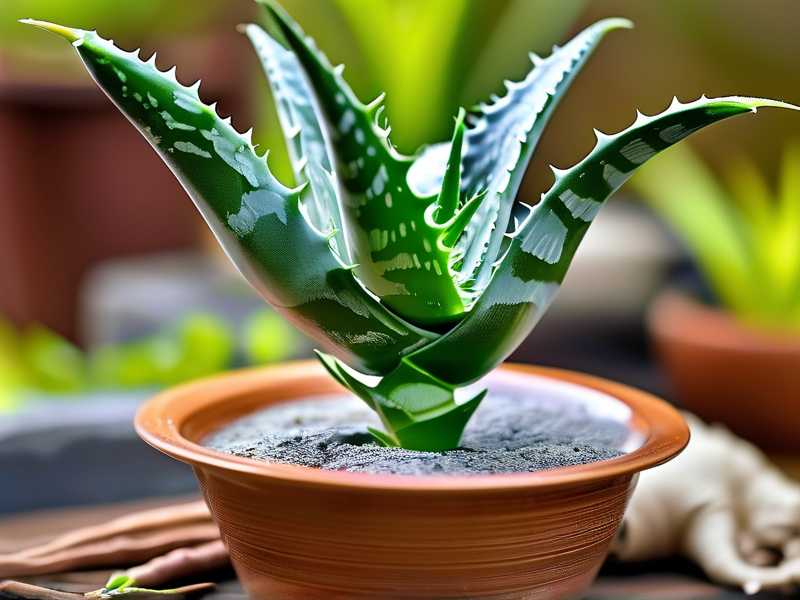
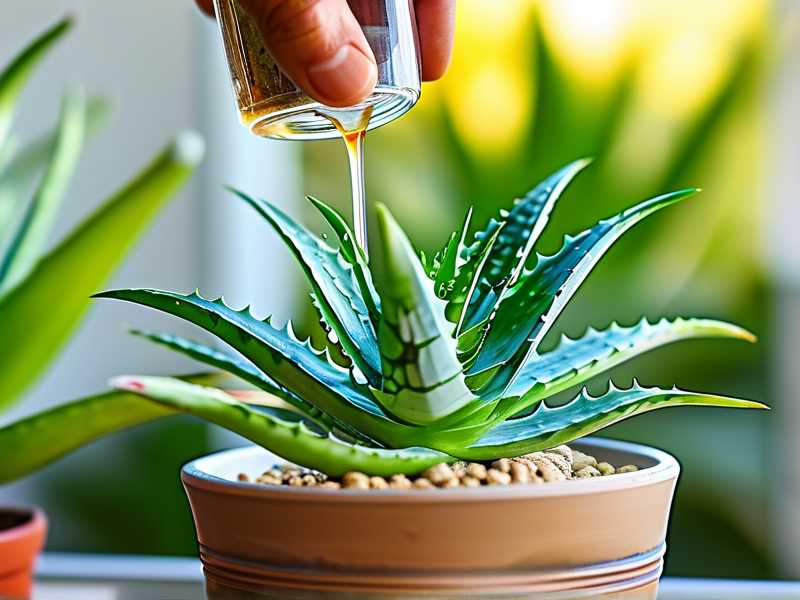
Fresh Aloe Vera Leaf: If using a plant from your garden (ensure it’s pure Aloe barbadensis miller), slice open a leaf and scoop out the inner clear gel. Avoid the yellow latex (aloin) near the rind, as it can be a strong irritant and laxative.
High-Quality, Pure Aloe Vera Gel: This is often the safer, more convenient choice. You must select a product that is 100% pure aloe vera gel, organic if possible, with no added colors, fragrances, alcohols, or xylitol—an artificial sweetener highly toxic to dogs.
Apply a thin layer of the pure gel directly onto the cleaned hot spot. Massage it in very gently.
Step 4: Preventing Further TraumaTo break the itch-scratch cycle, you must prevent your pet from interfering with the healing wound. An Elizabethan collar (cone) is often necessary. Distraction with toys or gentle exercise can also help.
Step 5: Monitor and ReapplyReapply the aloe vera gel 2-3 times daily. Monitor the hot spot closely. You should see reduced redness and moisture within 24-48 hours, with scabbing and healing following. If the area worsens, spreads, or shows no improvement in 2-3 days, discontinue use and contact your veterinarian immediately.
Important Safety Warnings and When to See the Vet
While aloe vera is generally safe for topical use, caution is essential.
Prevent Ingestion: Do not let your pet lick the gel. While the inner fillet gel is considered low-risk, ingestion can cause gastrointestinal upset in some animals. The cone is vital here.
Patch Test: Before full application, test a small amount of the gel on a healthy patch of your pet’s skin and wait 24 hours to check for any allergic reaction.
Not a Cure-All: Aloe vera addresses symptoms and supports healing but does not treat the underlying cause. Hot spots are often a symptom of a larger issue like allergies, flea infestations, or ear infections.
Seek immediate veterinary care if:
The hot spot is very large, deep, or excessively painful.
Your pet has a fever or seems lethargic.
The wound is bleeding profusely or has a foul smell.
You see no improvement after a few days of home care. Your vet may need to prescribe antibiotics or steroids to control severe infection and inflammation.
Addressing the Root Cause: Beyond Topical Treatment
Successfully managing hot spots means looking beyond the visible sore. A holistic approach is necessary for long-term prevention. Since allergies are a prime trigger, working with your vet to identify potential allergens—whether food-based (like beef or dairy) or environmental (like pollen or dust mites)—is crucial. Implementing a rigorous flea and tick prevention protocol year-round is non-negotiable. For pets prone to anxiety-induced licking, behavioral modifications, increased exercise, or calming aids may be needed. Regular grooming, especially for thick-coated breeds, and thoroughly drying your pet after baths or swimming will minimize skin moisture that can trigger these painful sores.
Frequently Asked Questions
Can I use human aloe vera gel from the store on my pet?Extreme caution is advised. Many human aloe gels contain additives like alcohol (which stings and dries the skin), fragrances, and preservatives that can irritate your pet’s skin. Most dangerously, some contain xylitol, which is life-threatening to dogs. Always check the label and opt for a pure, pet-safe product or fresh plant gel.
How long does it take for a hot spot to heal with aloe vera?With proper care, including clipping, cleaning, and regular application of aloe vera, a small, uncomplicated hot spot can show significant improvement within 2-3 days and may heal within a week. Larger or infected spots will take longer and likely require veterinary intervention.
Are some pets more prone to hot spots than others?Yes. Breeds with thick, dense coats (like Golden Retrievers, Labrador Retrievers, German Shepherds, and Bernese Mountain Dogs) and those with skin folds are more susceptible. Pets living in hot, humid climates and those with allergies, flea sensitivities, or underlying ear or anal gland issues are also at higher risk. Regular grooming and proactive health management are key for these individuals.
Watching your pet suffer from the intense itch and pain of a hot spot is difficult. While these lesions require attention and sometimes professional care, aloe vera offers a natural, soothing treatment that can play a significant role in the healing process. By understanding how to properly prepare, apply, and select a safe product, you can harness its cooling, antibacterial, and healing properties to provide comfort. Remember, the ultimate goal is to heal the current sore and, in partnership with your veterinarian, identify and manage the underlying trigger to prevent future outbreaks, ensuring your furry friend enjoys healthy, comfortable skin for years to come.
Distinguish between daily care products and veterinary drugs: In accordance with the provisions of the Advertising Law, daily pet care products shall not imply therapeutic effects. A clear distinction from veterinary drugs must be made to avoid misleading consumers. Avoid absolute efficacy claims: The use of absolute expressions such as "100% effective" or "guaranteed cure" is prohibited. Meanwhile, it is necessary to specify that the actual effect varies from pet to pet, which complies with the compliance principle of "no efficacy guarantee". Reject professional endorsement implications: No non-compliant expressions such as "veterinarian-recommended" or "clinician-certified" shall be used. Only guidance is provided for users to consult veterinarians when necessary, which is both compliant and practical. Emphasize individual differences: Disclaimers regarding allergies and varying efficacy are supplemented to prevent misunderstandings caused by differences in pet adaptability, in line with the principle of truthful promotion.