bluename
 Can Aloe Vera Grow in a Terrarium with Succulents? My 2-Week Experiment
I love the idea of a self-contained, miniature garden. For years, I’ve been obsessed with terrariums and succulents. But one question kept nagging at me: can aloe vera grow in a terrarium with succulents? It seems like a logical pairing—both are popular, low-maintenance plants. Yet, every time I considered it, something felt off. I decided to stop wondering and start testing. This is my hands-on journey, a two-week experiment to see if these two can truly coexist in a glass world.
I’ll walk you through my exact setup, daily observations, the unexpected problems I faced, and how I fixed them. If you’re a fellow plant enthusiast contemplating this mix, my real-world trial might save your green project.
Why Mixing Aloe Vera and Succulents in a Terrarium is Tricky
On the surface, aloe vera and succulents like echeveria or haworthia seem like perfect roommates. They all store water in their leaves and prefer bright light. However, the devil is in the details—specifically, the details of a closed terrarium environment.
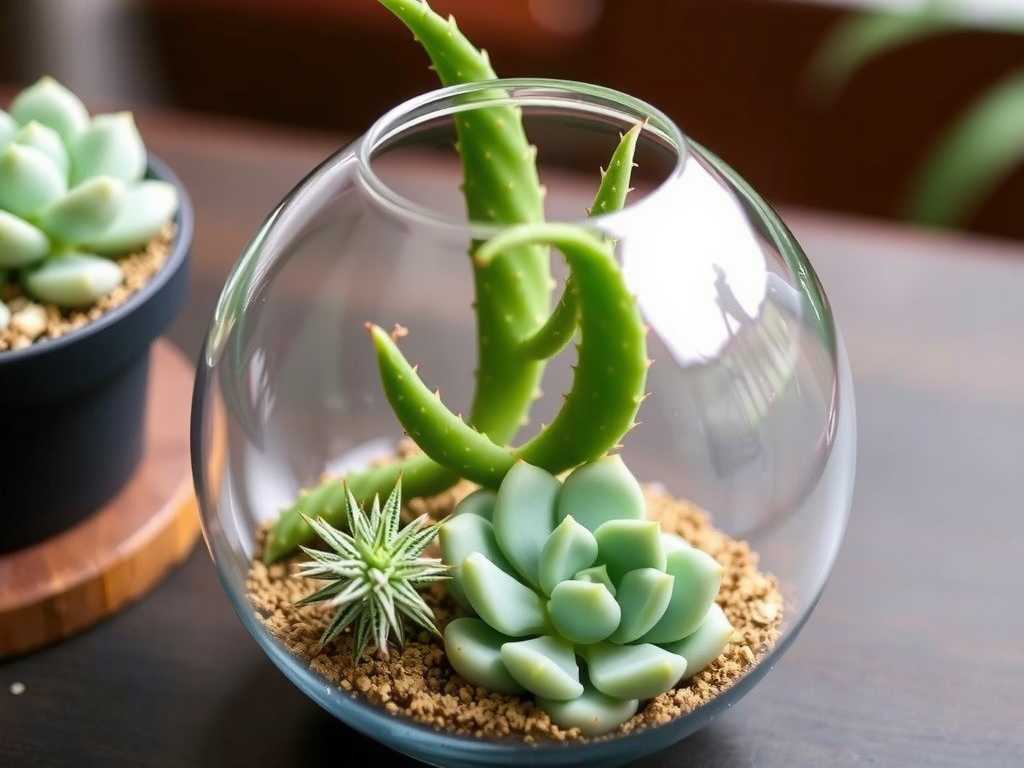
A closed terrarium creates a humid, recycled ecosystem with minimal airflow. Most succulents, including aloe vera, have evolved in arid, open-air environments. They thrive on neglect, excellent drainage, and dry air. Placing them in a humid, enclosed space is like putting a cactus in a rainforest. The Royal Horticultural Society (RHS) clearly states that most succulents and cacti are poor candidates for closed terrariums due to their high susceptibility to rot in stagnant, moist conditions.
My goal was to test this expert advice firsthand. Could I tweak the conditions to make it work, even temporarily?
My Step-by-Step Terrarium Build for Aloe and Succulents
I decided to use a large, open-top glass vessel instead of a fully sealed one. This was my first critical decision to mitigate humidity. Here’s exactly what I did.
Day 1: Gathering Materials and Planting
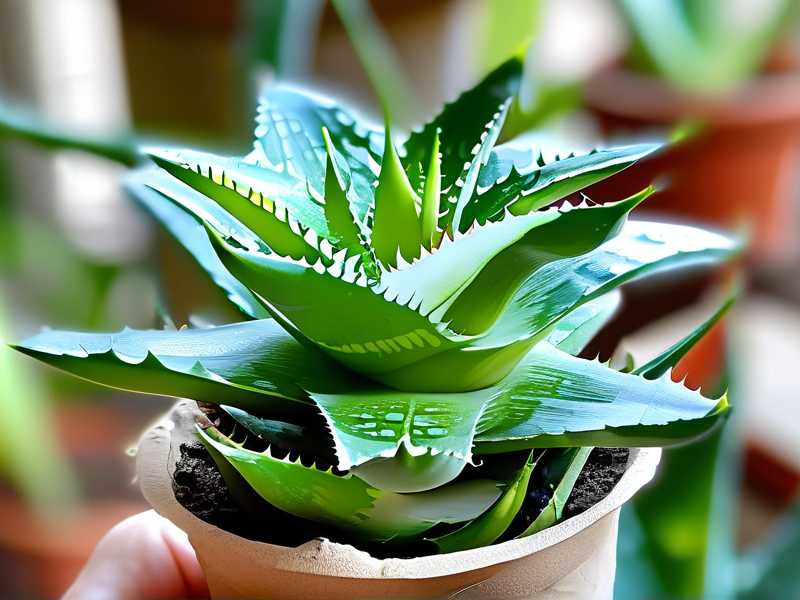
I chose a young, small Aloe barbadensis (common aloe vera) plant and two small echeverias. Small plants are key to avoid immediate overcrowding. My layers, from bottom to top, were:
- A thick drainage layer: I used about 1.5 inches of sterilized aquarium gravel. This is non-negotiable. Terrariums have no drainage holes, so this layer acts as a reservoir for excess water.
- A separation barrier: A thin sheet of horticultural charcoal (to keep things fresh and fight bacteria) followed by a permeable landscape fabric. This prevents the soil from washing down into the gravel.
- The growing medium: This is where most beginners fail. I did not use regular potting soil. I created a very fast-draining mix of 2 parts succulent/cactus soil, 1 part coarse perlite, and 1 part coarse sand. The American Horticultural Society (AHS) emphasizes the need for “sharp drainage” for succulents to prevent root rot.
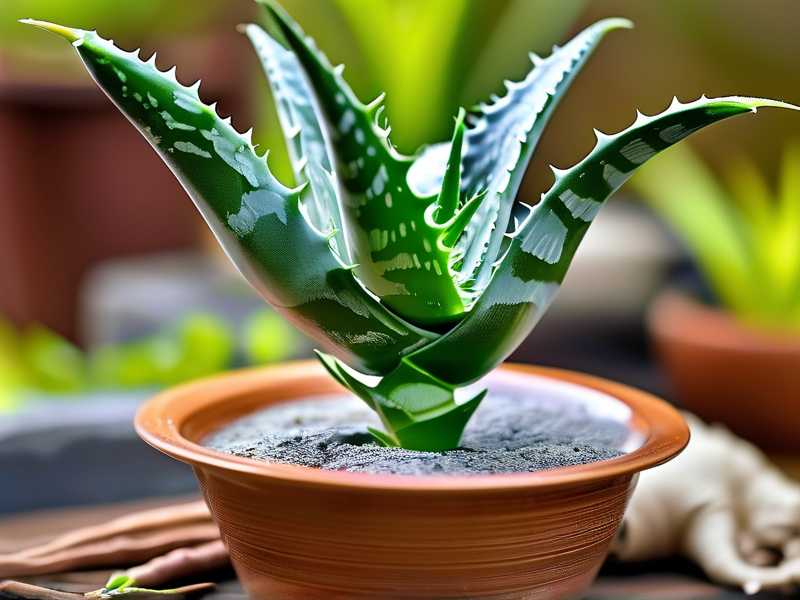
- Planting: I gently planted my aloe vera as the centerpiece and flanked it with the two echeverias. I left ample space between them for air circulation. I brushed all soil off the leaves to prevent moisture sitting on them.
- Decorative topping: A thin layer of small, light-colored pebbles as top dressing. This serves two purposes: it looks great and keeps the base of the plants dry by lifting them away from the damp soil.
I did not water the plants after planting. The soil had a slight, natural moisture to it, which was sufficient. I placed the terrarium on a bright shelf with plenty of indirect light, avoiding direct southern sun which could magnify through the glass and scorch the plants.
The 2-Week Observation Log: What Actually Happened
This was the fascinating part. I monitored the terrarium closely, taking notes every other day.
Days 1-4: The Honeymoon Phase
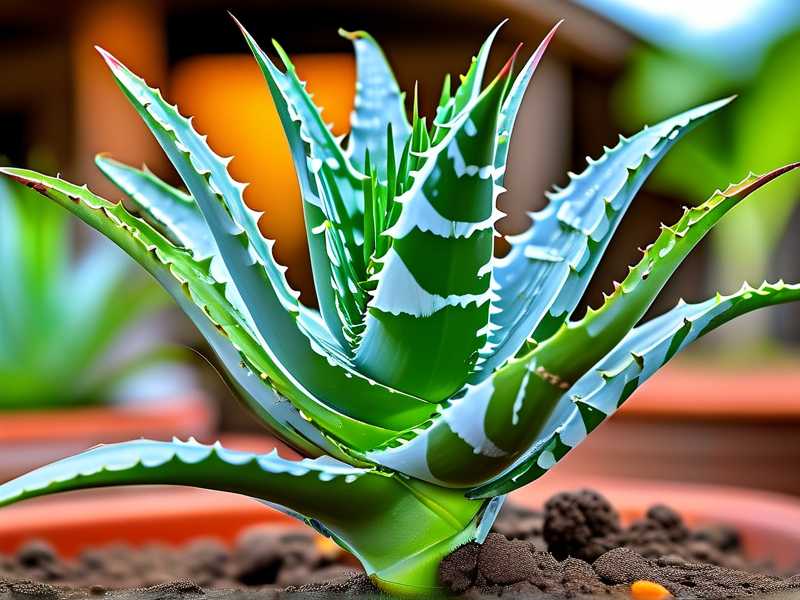
Everything looked perfect. The aloe vera’s plump, green leaves stood upright. The echeverias had a healthy, compact shape. The interior of the glass had slight condensation in the early morning, which evaporated by midday—a sign my open-top design was working.
Days 5-8: The First Warning Signs
By day five, I noticed the very bottom leaves of one echeveria starting to feel slightly soft, not firm and turgid. Not mushy yet, but a definite texture change. The aloe vera, however, still looked robust. This highlighted the first major insight: not all succulents have the same tolerance. My aloe vera was holding up better than the more delicate echeveria.
I took immediate action. I moved the terrarium to a spot with even better air circulation, near a gently circulating fan (not directly blowing on it). I also used a small pipette to carefully remove a few beads of condensation that had formed near the soft echeveria’s base.
Days 9-14: Intervention and Adjustment
The softness on the echeveria progressed no further after my adjustments, but it didn’t revert to being firm. The plant was essentially in stasis, struggling. The aloe vera began showing its own subtle sign: the tips of its oldest, largest leaves started developing very small, faint brown spots. This is a classic early sign of too much moisture for aloe.
At the two-week mark, I made a decisive call. The experiment was revealing the inherent conflict. I carefully removed the struggling echeveria from the terrarium. Its roots were still white and healthy, but the stem base was darker than ideal. I repotted it in a traditional clay pot with dry cactus mix to recover.
The aloe vera and the remaining, healthier echeveria stayed in. I realized that for this to have any chance long-term, I needed to treat it like a potted arrangement, not a classic terrarium. On day 14, I gave it its first minimal watering—literally one tablespoon of water directed at the root zone of each plant with a long-spouted watering can, avoiding the leaves entirely.
The Pitfalls I Encountered and How I Solved Them
My experiment wasn’t flawless. I hit predictable snags, and here’s how I navigated them.
Pitfall 1: Underestimating Micro-Humidity Even with an open top, the glass walls trap more humidity than a standard pot. My fix was to proactively manage airflow (the fan) and physically remove condensation with a paper towel or pipette when necessary.
Pitfall 2: The “One-Soil-Fits-All” Mentality Using a standard terrarium moss mix would have doomed this project in days. My pre-emptive solution was creating the ultra-gritty, custom soil blend. This was the single most important factor in preventing a total collapse.
Pitfall 3: Overcrowding and Poor Plant Choice I started with small plants, but even then, the echeveria proved too sensitive. The solution is ruthless selection. Choose the most rot-tolerant succulents if you must try this. Haworthias or some sedums might be slightly better bets than echeverias. Aloe vera, while tougher, is not immune.
Pitfall 4: The Watering Instinct The urge to water a newly planted arrangement is strong. Withholding initial water was crucial. My watering at two weeks was extremely conservative. The rule is: when in doubt, don’t water. Check the soil deep down with a chopstick; it must be completely dry.
Is a Succulent and Aloe Vera Terrarium Sustainable?
After two intensive weeks, my conclusion is nuanced. Can aloe vera grow in a terrarium with succulents? Technically, yes, for a short period under meticulously controlled conditions. But “grow” is different from “thrive.”
My aloe vera survived the two weeks, but the signs of stress were emerging. For long-term health, both aloe and most succulents will be happier and healthier in traditional, unglazed clay pots with drainage holes. A terrarium, especially a closed one, creates an environment fundamentally at odds with their natural needs for dryness and air circulation.
If you are determined to create this look, use a large, wide-open container, treat it as a decorative pot rather than a self-sustaining ecosystem, and be prepared for vigilant, hands-on care. It becomes a high-maintenance project for a low-maintenance plant, which somewhat defeats the purpose.
Will a closed terrarium work if I just water it less? No, it’s not just about water volume. The sealed environment creates constant 100% humidity around the leaves and soil, which suffocates the roots and invites fungal diseases. Less watering doesn’t reduce the ambient humidity trapped inside.
What’s the best alternative to a terrarium for aloe and succulents? A shallow, open “dish garden” or a planter box is ideal. Use a container with multiple drainage holes, a gritty cactus mix, and don’t use a humidity-trapping glass or plastic cover. This gives you the clustered aesthetic without the rot risk.
My aloe in a terrarium is getting mushy at the base. Can I save it? Act immediately. Remove it from the terrarium. Cut away all soft, mushy tissue with a sterile knife until you see only healthy, firm, green stem. Let the cut end callous over for 2-3 days, then replant it in fresh, dry cactus mix in a normal pot. Do not water for at least a week.
My experiment showed that while the idea of an aloe and succulent terrarium is aesthetically appealing, it’s a constant battle against the plants’ core needs. The minor stress signs I observed in just two weeks would likely compound into serious health issues over months. For truly happy, thriving plants, I’ve learned it’s best to appreciate their desert origins and provide the open, dry conditions they inherently crave. Sometimes, the most beautiful display is also the healthiest one for the plant.