bluename
 The Ultimate Guide to How to Adjust Aloe Vera Watering for Autumn Growth
You’ve nurtured your aloe vera plant through the bright, thirsty days of summer, watching it thrive. But as the days shorten and the air turns crisp, you notice something unsettling. The plump, green leaves that were once firm and upright are starting to look a bit soft, perhaps even developing a brownish tinge at the tips. You water it, thinking it’s parched, but the problem seems to worsen. This frustrating scenario is the classic autumn aloe dilemma, rooted in one critical mistake: failing to adjust your watering routine for the season. Understanding how to adjust aloe vera watering for autumn growth is not just a tip—it’s the fundamental shift needed to transition your plant from a summer survivor to a healthy, winter-ready specimen. This guide will walk you through the precise steps, backed by plant physiology, to ensure your aloe vera not only survives the cooler months but enters them in robust health.
Why Your Aloe Vera’s Needs Change in Autumn
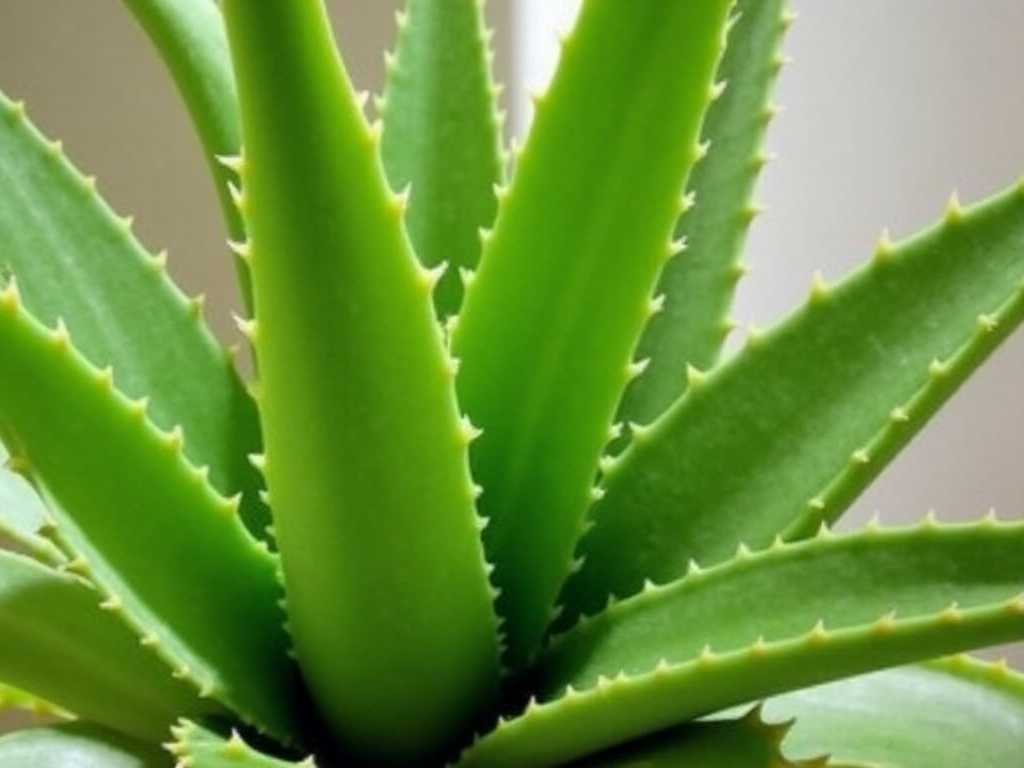
Aloe vera, like many succulents, is a master of adaptation. Its natural growth cycle is dictated by light and temperature. During spring and summer, with long days and abundant light, aloe vera is in its active growth phase. It conducts photosynthesis at a higher rate, using water and nutrients to produce new leaves and offsets.
Autumn signals a slowdown. The decrease in daylight hours and lower sun intensity means photosynthesis reduces dramatically. Furthermore, cooler temperatures, especially at night, slow down the plant’s metabolism and water evaporation from both the soil and the plant itself (a process called transpiration). As noted by horticulturists at the Royal Horticultural Society, most succulents enter a period of semi-dormancy in autumn and winter, where growth nearly halts. Continuing a summer watering schedule in this dormant state is the fastest route to root rot, as the roots sit in moisture they cannot absorb.
The Golden Rule: From "Soak and Dry" to "Deep and Rare"
Your summer mantra was likely the "soak and dry" method: watering thoroughly until it drains from the pot’s bottom, then waiting until the soil is completely dry before repeating. In autumn, this evolves into the "deep and rare" protocol. The principle of a thorough watering remains, but the "dry" period extends significantly.
Step 1: Master the Finger Test – Ditch the Schedule Forget watering on a weekly calendar. Your primary tool is your finger. Insert it into the soil up to the second knuckle (about 2 inches deep). In autumn, you must wait until the soil is completely dry at this depth before even considering watering. For larger pots, consider using a wooden chopstick; if it comes out clean, the soil is dry.
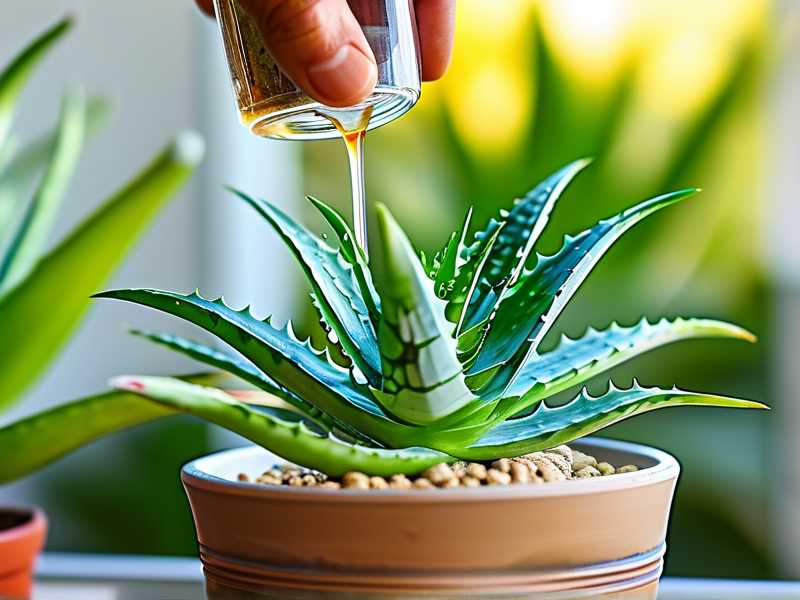
Step 2: Water Deeply, But Only When Needed When your plant passes the dryness test, water it thoroughly. Pour water evenly around the soil surface until you see a steady stream escape the drainage hole. This ensures the entire root ball receives moisture. The key is that this single watering must sustain the plant for a much longer period—often 3 to 4 weeks, or even longer depending on your environment.
Step 3: Adjust for Your Specific Environment Your home’s microclimate is crucial. Factor in these elements:
- Indoor Heating: A plant near a radiator or heat vent will dry out faster than one in a cool, bright room.
- Light Exposure: An aloe on a sunny, south-facing windowsill may need slightly more frequent water than one in indirect eastern light.
- Pot and Soil: Terracotta pots breathe and dry soil faster than plastic or ceramic. A well-draining succulent mix (with perlite or pumice) is non-negotiable for healthy aloe vera autumn care.
Recognizing the Signs: Is It Thirsty or Drowning?
Correctly interpreting your aloe’s language is vital for adjusting water for succulents in fall.
Signs of Overwatering (Much More Common in Autumn):
- Soft, Mushy Leaves: The base of the leaves or the entire leaf feels soft and waterlogged, not firm.
- Brown, Soggy Spots: Discoloration starting at the soil line or in patches.
- Leaf Drop: Leaves falling off easily with a gentle touch.
- Foul Soil Odor: A sign of advanced root rot.
Signs of Underwatering (Less Common, But Possible):
- Thin, Wrinkled Leaves: The leaves lose plumpness, becoming concave and wrinkled, often starting at the tips.
- Crispy, Dry Brown Tips: Unlike the soggy brown of overwatering, these are dry and brittle.
- Overall Pale Color: The plant may take on a lighter, stressed hue.
The Supporting Cast: Light, Temperature, and Soil
Watering doesn’t exist in a vacuum. It’s part of a holistic autumn aloe vera maintenance routine.
Maximize Light Exposure: As the sun’s angle changes, place your aloe in the brightest spot possible, typically a south or west-facing window. This provides the energy it needs to efficiently use the water you do provide.
Avoid Temperature Shocks: Keep your plant away from drafty windows, doors, and direct blasts from heating vents. A consistent temperature between 15-24°C (60-75°F) is ideal.
Hold the Fertilizer: Do not fertilize your aloe vera in autumn and winter. The plant is not actively growing and cannot use the nutrients, which can lead to salt buildup in the soil and root damage.
Preparing for the Dormant Winter
Your autumn aloe vera maintenance directly sets the stage for winter. By late autumn, your watering frequency should be at its minimum. The goal is to keep the plant barely hydrated, preventing severe shriveling while allowing it to rest fully. This dormant period is essential for its long-term health and encourages vibrant growth when spring returns.
My aloe vera has a mushy bottom leaf. Is it too late to save it? Not necessarily. Immediately stop watering. Gently remove the plant from its pot and inspect the roots. Healthy roots are firm and white/tan. Cut away any black, mushy roots with a sterile tool. Remove the affected mushy leaves. Let the plant and its root system air dry for 2-3 days, then repot in fresh, dry succulent mix. Do not water for at least a week after repotting.
Should I mist my aloe vera in autumn for humidity? No. Aloe vera is a desert plant adapted to dry air. Misting the leaves provides no benefit and can lead to water sitting in the leaf rosette, promoting fungal or bacterial rot. Focus on proper root hydration through the soil.
Can I repot my aloe in autumn? It’s not the ideal time. The best time to repot is at the start of the active growing season in spring or early summer. However, if you are dealing with an emergency like root rot, repotting is necessary regardless of season. Just be extra cautious with watering afterward, as the plant will be even more susceptible to overwatering while trying to recover in a low-growth period.
Transitioning your aloe vera’s care for the cooler months is an exercise in restraint and observation. By shifting from frequent hydration to a strategy of mindful, infrequent watering, you work in harmony with the plant’s natural cycle. Paying close attention to the soil’s dryness, your home’s environment, and the subtle signals from the leaves themselves will ensure your aloe remains a resilient and thriving companion through autumn and beyond. Remember, when in doubt, it’s always safer to err on the side of dryness.