bluename
 Can Aloe Vera Grow in a Basement? My 2-Week Experiment Reveals the Truth
I love my houseplants, but my apartment has a serious lack of sunny windowsills. My basement, however, is a spacious, temperature-stable area just begging to be used. So, I found myself asking a question many urban gardeners ponder: can aloe vera grow in a basement? Conventional wisdom says aloe needs bright, direct sun. But what if you could provide what it needs artificially? I decided to run a two-week experiment to find out, documenting every step, success, and setback.
My goal was clear: to create a viable basement environment for aloe vera, focusing on replicating its two most critical needs—light and proper drainage. I wasn't aiming for explosive growth in 14 days, but for signs of health and adaptation. This is my hands-on journey.
Setting Up My Basement Aloe Vera Station
First, I assessed my basement's natural conditions. It's a finished basement with no natural sunlight, a constant temperature of around 68°F (20°C), and moderate humidity. Clearly, light would be the biggest hurdle.
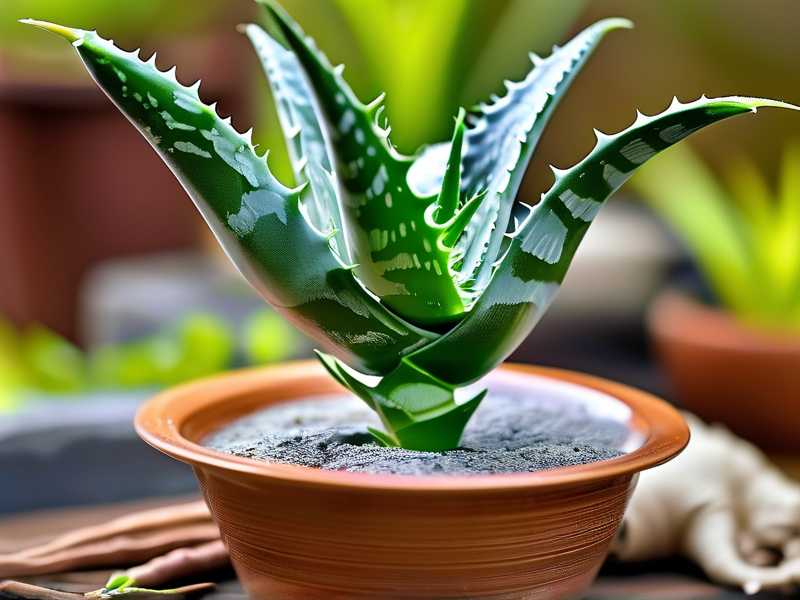
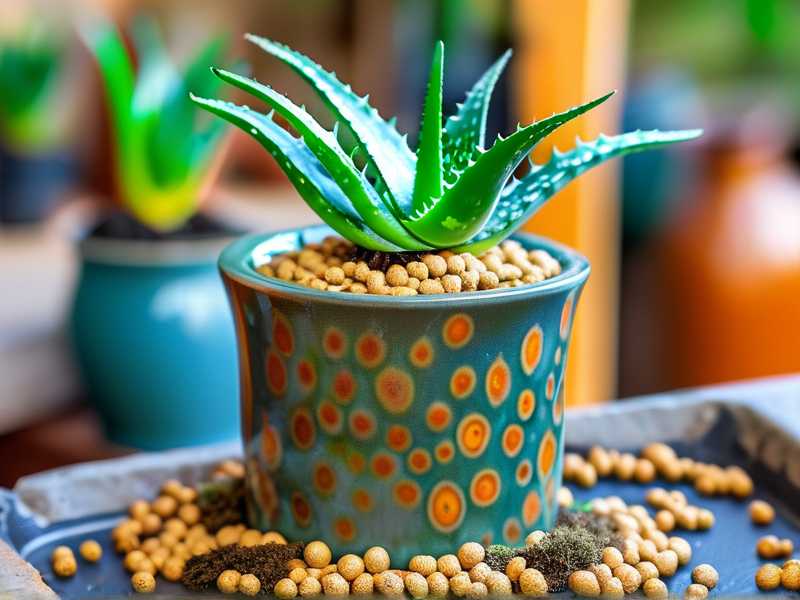
I selected a mature, healthy aloe vera pup from my parent plant. I used a terra cotta pot, which is porous and helps prevent overwatering—a key risk in lower-light, cooler environments. My soil mix was a classic, well-draining cactus and succulent blend, to which I added a handful of extra perlite for good measure. Good drainage is non-negotiable for aloe, especially when light is limited and soil evaporation slows.
The centerpiece of my setup was the lighting. After researching, I chose a full-spectrum LED grow light designed for succulents. According to the Royal Horticultural Society (RHS), aloe vera requires high light intensity. I positioned the light about 12 inches above the plant, setting it on a 12-hour timer to mimic a natural day cycle. I was careful not to place any other items too close, to avoid raising the local humidity unnecessarily.
The Two-Week Observation Diary: Progress and Problems
Days 1-3: The Adjustment Period The plant looked fine, but I noticed the soil was still damp from the initial, sparing watering. This was my first red flag. In the basement's cool, still air, evaporation was much slower than in my sunlit kitchen. I made a note to drastically extend the time between waterings.
Days 4-7: The First Challenge Appears By day five, I saw the very tip of one lower leaf starting to soften and turn slightly brown. Panic! Was it root rot already? I gently removed the plant from its pot. The roots looked healthy and white, but the soil was still moist deep down. The issue wasn't root rot yet, but the very beginning of overwatering stress. The AHSA (American Horticultural Society Alliance) notes that aloe vera's greatest enemy is "wet feet," particularly in low-light conditions. My watering schedule, based on my upstairs plants, was all wrong for this environment.
- My Fix: I left the plant out of its pot on a newspaper for 24 hours to help the root ball dry out faster. I then repotted it, this time adding even more perlite to the bottom third of the pot for extra drainage insurance. I vowed not to water again until the soil was completely dry all the way to the bottom—a lesson in patience.
Days 8-14: Signs of Stability and Success After correcting the watering issue, the plant stabilized. The slight browning didn't spread. More importantly, I began to notice positive changes. The aloe's color remained a vibrant, healthy green instead of stretching and fading to a pale green (a condition called etiolation that signals insufficient light). The center rosette felt firm, and I even spotted what looked like the very beginnings of a new, tiny leaf emerging from the center—a sure sign of active, healthy growth.
The grow light was clearly working. The plant was photosynthesizing effectively. It wasn't growing as fast as it would in a south-facing window, but it was maintaining its compact, sturdy form and showing incremental growth. This was the proof I needed.
Key Lessons and Solutions from My Basement Trial
This experiment taught me more than any generic gardening article could. Here are the critical takeaways for anyone wondering how to grow aloe vera in low light conditions like a basement.
1. Light is Non-Negotiable, But Controllable You cannot grow a healthy aloe vera in a dark basement without a grow light. Period. My successful outcome hinged entirely on that LED panel. The RHS emphasizes that while aloe can tolerate some shade, it thrives in bright light. An artificial grow light is not a compromise; it's a necessity. Choose a full-spectrum LED to cover all its photosynthetic needs.
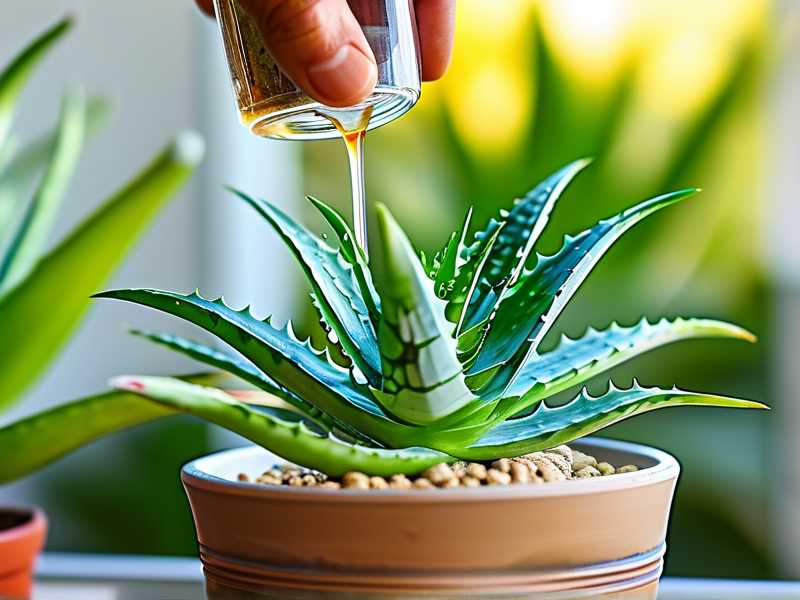
2. Watering is a Different Game Down Here This was my biggest "aha" moment and the most common pitfall. Watering aloe vera in a basement requires a completely different mindset. The cooler temperatures and lack of sun mean soil stays wet for 3-4 times longer. My solution? Ignore the calendar. Use a moisture meter or the classic finger test—push it deep into the soil. Only water when it's bone-dry. When you do water, do so thoroughly until it runs from the drainage holes, then let it drain completely. This cycle encourages strong roots.
3. Airflow and Humidity Matter Basements can be stagnant. I added a small, oscillating fan set on low, positioned across the room to create gentle air movement. This helped mimic a natural breeze, strengthening the plant and reducing the risk of fungal issues by speeding up soil surface evaporation. I monitored humidity with a simple gauge, ensuring it stayed below 50%, which is comfortable for aloe.
Your Basement Aloe Vera Questions, Answered
Will aloe vera survive in a basement without any windows? Yes, but only with the correct artificial grow light setup. It will not survive, let alone thrive, in complete darkness. Think of the grow light as your basement sun.
What type of grow light is best for aloe vera in a basement? A full-spectrum LED grow light is ideal. They are energy-efficient, produce less heat, and provide the complete light spectrum aloe needs. Look for one labeled suitable for succulents or vegetables. Position it 6-12 inches above the plant for 12-14 hours a day.
How often should I water my basement aloe vera plant? There is no set schedule. The interval could be two weeks or even longer. Always test the soil moisture first. The top few inches should be completely dry, and the pot should feel light when lifted. When in doubt, wait a few more days. Overwatering is a far greater and faster threat than underwatering for aloe in a basement.
So, can aloe vera grow in a basement? My two-week experiment proves it absolutely can. The success hinges on understanding that you are creating a controlled, artificial microclimate. The plant's basic needs don't change—it still craves bright light and dry roots—but how you meet those needs does. With a dedicated grow light, a disciplined watering hand, and well-draining soil, you can cultivate a healthy, happy aloe vera plant far from any window. It’s a rewarding project that turns a challenging space into a little green oasis.