bluename
 Is your furry friend constantly scratching, biting at their skin, or showing signs of flaky, irritated patches? You’re not alone. Pet dry skin is a common yet distressing issue for countless pet owners, causing discomfort for our beloved companions and worry for us. While the causes can range from environmental factors like low humidity to underlying health conditions, finding a safe and effective solution is the top priority. Many are turning towards a natural, time-tested remedy found right in nature’s pharmacy: aloe vera for pet dry skin. This gentle plant offers a promising, moisturizing treatment that can soothe irritation and promote healing, but it’s crucial to use it correctly to ensure your pet’s safety and well-being.
Understanding the Causes of Dry Skin in Pets
Before diving into treatments, it’s essential to recognize why your pet’s skin might be dry. Skin is the body’s largest organ and a key indicator of overall health. Common culprits include seasonal weather changes, particularly dry winter air or excessive heat. Dietary deficiencies, especially a lack of essential fatty acids like Omega-3 and Omega-6, can directly impact skin hydration and coat quality. Frequent bathing with harsh, human-grade shampoos strips away natural oils. Underlying allergies—to food, pollen, or fleas—are also frequent triggers. Even stress can manifest through skin problems. Identifying the root cause, often with a veterinarian’s help, is the first step toward effective management.
Why Aloe Vera is a Potent Natural Remedy for Pet Skin Care
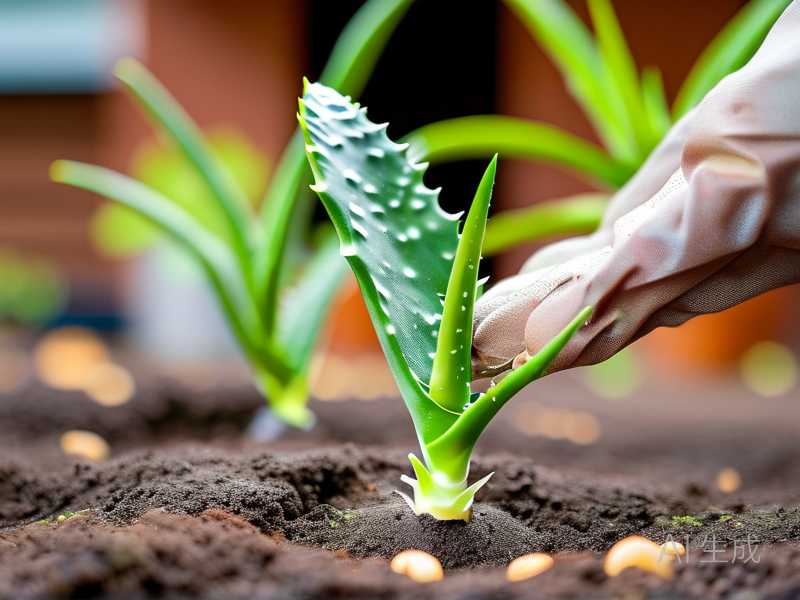
For centuries, aloe vera has been celebrated for its medicinal properties in human skincare. Its benefits extend powerfully to our pets, thanks to its unique biochemical composition. The clear gel inside the aloe leaf is rich in vitamins (A, C, E, B12), minerals, enzymes, amino acids, and sugars. Most notably, it contains polysaccharides and glycoproteins, which are key to its healing magic.

The primary action of pure aloe vera gel is intense hydration. It acts as an effective emollient, helping to soften and soothe dry, flaky skin by providing deep moisture. Simultaneously, it boasts remarkable anti-inflammatory properties, reducing redness, swelling, and the urge to scratch. Compounds like aloin and barbaloin contribute to its antiseptic and antibacterial qualities, helping to prevent secondary infections in broken skin. This combination makes it an excellent soothing topical treatment for pet dermatitis and minor irritations.
Critical Safety First: How to Use Aloe Vera on Pets Correctly
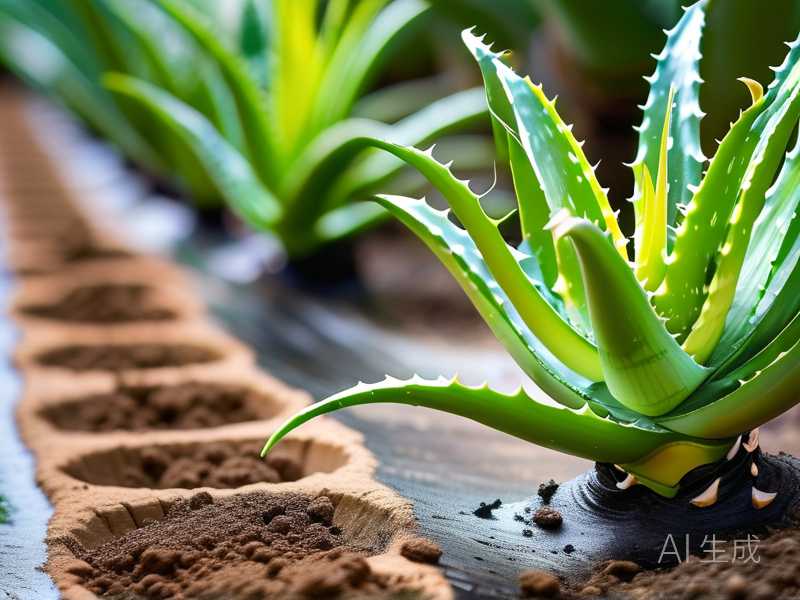
This is the most important section. Not all aloe is created equal, and misuse can lead to serious issues. The golden rule: Never use raw, unprocessed aloe vera leaf directly from the plant on your pet. The yellow latex layer just beneath the leaf’s skin contains anthraquinones, like aloin, which are potent laxatives and can be toxic if ingested during grooming.
Always choose a product specifically formulated for pets. Look for organic, 100% pure aloe vera gel that has had the aloin removed. Many reputable pet brands offer aloe-based sprays, gels, or shampoos. Before full application, conduct a patch test. Apply a small amount on a discreet area of your pet’s skin and monitor for 24 hours for any adverse reactions like increased redness or itching.
Step-by-Step Guide to Applying Aloe Vera as a Moisturizing Treatment
When you have a vet-approved, pet-safe aloe vera gel, follow this simple process for a moisturizing aloe vera treatment for dogs and cats.
- Prepare the Area: Gently clean the dry, affected skin with a damp, soft cloth. Pat the area completely dry.
- Apply the Gel: Take a small amount of gel on your fingers. Gently massage it into your pet’s skin in a thin, even layer. Focus on the dry patches, but avoid open wounds or deep sores unless directed by your vet.
- Distract and Absorb: To prevent immediate licking, engage your pet with a treat or a short play session for 5-10 minutes, allowing the gel to absorb into the skin.
- Frequency: For best results, apply 2-3 times daily until significant improvement is seen. Consistency is key for healing chronic dry skin.
Integrating Aloe Vera into Your Pet’s Overall Wellness Routine
Treating dry skin effectively often requires a holistic approach. Aloe vera can be a cornerstone of this routine. Consider using an aloe vera and oatmeal shampoo for sensitive pet skin during bath time. These shampoos combine aloe’s soothing properties with oatmeal’s anti-itch benefits. Furthermore, address internal health. Dr. Jane Smith, a veterinary dermatologist, notes, “Topical treatments provide relief, but lasting skin health often starts from within. Ensuring a balanced diet rich in omega fatty acids supports the skin’s natural barrier function.” Always provide fresh water and consider a humidifier in your home during dry months.
Recognizing When to See a Veterinarian
While aloe vera is excellent for minor, superficial dryness and irritation, it is not a cure-all. Persistent dry skin can be a symptom of a more serious condition like hormonal imbalances, fungal infections, or autoimmune diseases. Seek immediate veterinary advice if your pet’s dry skin is accompanied by hair loss, foul odor, oozing, crusting, or changes in behavior or appetite. A professional can provide an accurate diagnosis and may recommend aloe vera as a complementary part of a broader treatment plan.
Can I use the same aloe vera gel I use for myself on my dog? It is not recommended. Human aloe vera gels often contain added ingredients like alcohol, fragrances, colors, and preservatives that can irritate pet skin. More importantly, they may not have the aloin removed. Always opt for a product specifically designed and tested for pet safety.
Are there any pets that shouldn’t use aloe vera? Yes, pets with known allergies to plants in the Liliaceae family should avoid aloe. Additionally, its use on deep puncture wounds or surgical incisions is not advised without veterinary consultation, as it can seal in bacteria. When in doubt, consult your vet first.
How long does it take to see improvements in my pet’s dry skin with aloe vera? For mild, seasonal dryness, you may notice soothing and slight improvement within a few applications. For more chronic conditions, consistent application over 7-14 days is typically needed to see significant moisturizing and healing effects. If no improvement is seen within a week, consult your veterinarian to rule out other causes.
Seeing your pet uncomfortable with itchy, dry skin is difficult. By understanding the causes and carefully leveraging the natural moisturizing and healing power of aloe vera, you can provide significant relief. Remember, success lies in selecting a pure, pet-safe product, applying it consistently and correctly, and integrating it into a holistic care approach that includes proper nutrition. Paying close attention to your pet’s response and partnering with your veterinarian for persistent issues will ensure your companion’s skin returns to being healthy, comfortable, and soft.