bluename
 Aloe Vera Leaf Curling Upwards: Causes and Fixes
I remember the first time I noticed my aloe vera leaves curling upwards. It was a healthy, plump plant for years, and suddenly, the once-outstretched leaves began to cup inward, like little green spoons. As a plant enthusiast who’s nurtured dozens of succulents, I knew this wasn’t just an aesthetic quirk. It was a distress signal. Aloe vera leaf curling upwards is a common cry for help, and over the years, I’ve diagnosed and treated this issue more times than I can count. The key is to understand the “why” before you apply the “fix.” Through trial, error, and a lot of patient observation, I’ve learned that this curling is almost always linked to water, light, or roots.
In this guide, I’ll walk you through exactly what I do when I see those leaves start to curl. I’ll share my step-by-step diagnostic process, the two-week rescue plan I follow, and the very real mistakes I’ve made along the way. My goal is to help you transform those curled leaves back into the robust, gel-filled wonders they’re meant to be.
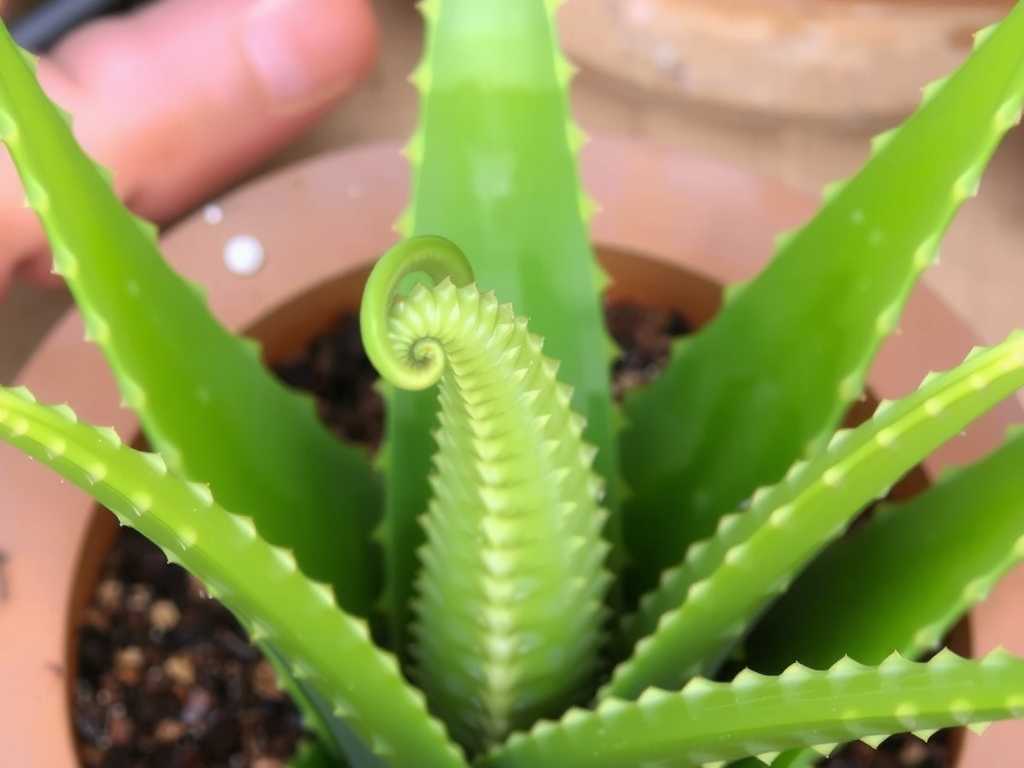
Why Are My Aloe Vera Leaves Curling Inward?
Before you can fix the problem, you need to play plant detective. Curling aloe vera leaves typically point to one of three core issues: too much water, too much sun, or a root system in trouble. The direction and texture of the curl give you the first clues.
Upward curling, specifically, is often the plant’s attempt to reduce its surface area. Think of it like this: a leaf lying flat catches more sunlight and loses more moisture. By curling upwards, the leaf is trying to conserve water or shield itself from excessive light. It’s a survival mechanism. The Royal Horticultural Society (RHS) notes that many succulents, including aloe, will alter leaf posture in response to environmental stress, making this your primary diagnostic sign.
Here’s how I break down the main culprits:
Overwatering and Root Rot This is public enemy number one for aloe vera. These plants store water in their leaves. When the roots sit in soggy soil, they suffocate and rot, becoming unable to deliver water to the plant. Ironically, this causes symptoms of dehydration, like curling and thinning leaves, because the water in the pot is unusable. The American Horticultural Society (AHS) emphasizes that “soggy soil is the fastest way to kill a succulent.” The leaves may feel soft and mushy at the base, not just curled.
Underwatering and Drought Stress While less common than overwatering, it does happen, especially with “benign neglect.” If the soil has become hydrophobic (repels water) or you’ve simply forgotten for too long, the plant will use up its internal reserves. The leaves will curl, become thin, and may develop dry, brown tips. They’ll feel limp and less plump rather than mushy.
Too Much Direct Sunlight (Sun Stress) Aloe loves bright light, but intense, direct afternoon sun can be too harsh. Think of it as a sunburn. The plant curls its leaves to minimize exposure, and you might notice a color change—leaves turning reddish, brown, or pale. This is often called “sun stress,” and while a little can cause attractive coloring, too much causes damage.
Pot-Bound Roots A healthy aloe is a growing aloe. If it’s been in the same pot for years, the roots can become so densely packed that they can’t absorb water or nutrients effectively. This creates a similar stress to underwatering, as the root mass has no room to function. The plant may also become top-heavy and unstable.
My 2-Week Rescue Plan for Curling Aloe Leaves
When I see the curl, I don’t panic. I start a structured, two-week observation and intervention plan. Here is the exact process I followed with my most recent patient, a large aloe that started curling after I moved it to a new, sunnier apartment.
Days 1-3: Diagnosis and Immediate Action
First, I gently tipped the plant out of its pot to inspect the roots. This is the most critical step. The soil was damp on top, but the bottom was wetter than I liked. The roots were a mix: some were firm and white, but several were dark brown, soft, and slimy—classic root rot in aloe vera.
My immediate fix:
- I stopped all watering immediately. This seems obvious, but the temptation to “give it a little drink” is strong. Resist.
- I performed root surgery. Using sterile scissors, I carefully cut away every soft, rotten root. I cut back until I saw only healthy, firm, white tissue. It felt drastic, but it’s necessary. Rotten roots will not recover and will spread disease.
- I let it air dry. I placed the bare-root plant on a newspaper in a shaded, airy spot for 48 hours. This allows the cut ends to callous over, preventing new infections when repotted.
- I prepared a new home. I chose a terracotta pot (porous, helps wick away moisture) that was only slightly larger than the remaining root ball. I used a commercial cactus & succulent mix, but I amended it further by mixing in 50% extra perlite for maximum drainage. The AHS recommends a soil mix that “drains so quickly it’s almost difficult to overwater,” and this is what I aim for.
The First Mistake I Made: In the past, I’ve been too timid with root pruning. I’d leave slightly questionable roots, hoping they’d recover. They never did. They always continued to rot and eventually killed the plant. Now, I am ruthless but careful. If it’s not firm and healthy, it gets cut.
Days 4-10: Repotting and The Recovery Environment
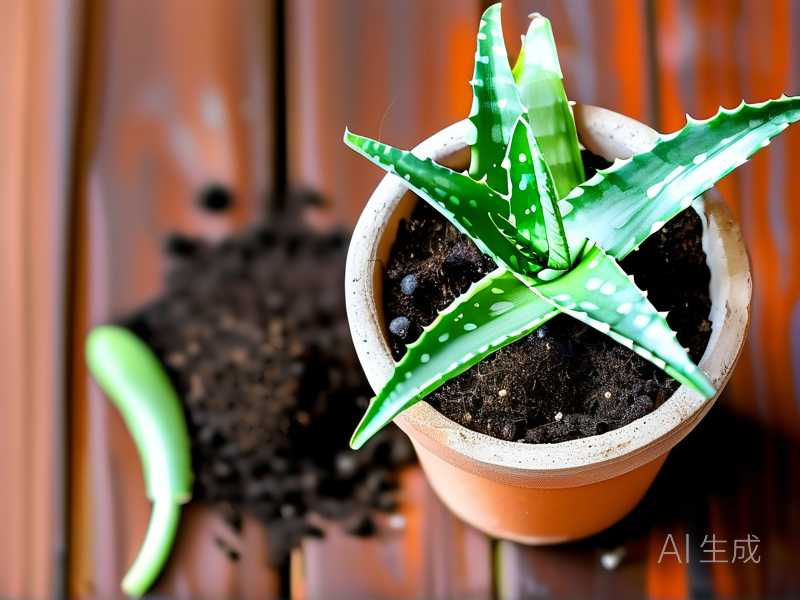
After the roots had calloused, I repotted. I placed a layer of gravel at the bottom for extra drainage (a debated practice, but it works for my setup), filled the pot partway with my dry soil mix, set the aloe in, and gently filled around the roots. I did not water it.
I placed the repotted plant in a location with bright, indirect light for aloe vera. This meant a spot about 3 feet back from a large east-facing window. It received plenty of bright light but no harsh midday or afternoon sun. The goal was to give it light for photosynthesis without the stress of direct rays while it had no functional root system to support transpiration.
I did not water for a full week after repotting. This was hard. The leaves were still curled and looked thirsty. But watering a plant with fresh root wounds in fresh soil is inviting rot to return. The plant needs to focus on healing and pushing out new roots first.
Days 11-14: The First Water and Observation
On day 11, I gave it its first watering. I used the “soak and dry” method: I placed the pot in a sink and watered thoroughly until water ran freely from the drainage holes, ensuring the entire root ball was moistened. I then let it drain completely before returning it to its spot.
Now, the observation began. Over the next three days, I looked for the slightest changes. I felt the base of the leaves for firmness. By day 14, I noticed something promising: the very center, the newest small leaves, were beginning to plump up and grow outward, not upward. The older, curled leaves showed minimal change—and that’s okay. Severely curled older leaves often never fully flatten back out. The sign of success is new, healthy growth.
My Second Big Lesson: Patience is not passive. It’s active observation without interference. In earlier rescues, I’d fiddle, move the plant, or give tiny sips of water, disrupting its recovery. This two-week plan works because it creates stable conditions for the plant to help itself.
How to Prevent Aloe Leaves from Curling Again
Fixing the problem is half the battle. Preventing its return is where you win the war. Based on my experience, here’s my maintenance routine to keep leaves flat and happy.
Perfect Your Watering Technique I never water on a schedule. I use the “finger test.” I insert my finger into the soil up to the second knuckle. If it’s dry all the way down, I water deeply. If there’s any moisture, I wait. In winter, this might mean watering only once a month or less. The pot should feel very light before you consider watering.
Find the Light Sweet Spot My aloes now thrive in bright, indirect light. A south or west window with a sheer curtain is perfect. An east-facing window is often ideal. If you only have direct sun, acclimate the plant slowly, increasing exposure by an hour every few days. Watch for signs of sun stress (reddish tint) and adjust.
Repot on a Schedule Every 2-3 years, I proactively repot my aloe in fresh, well-draining soil, even if it doesn’t look pot-bound. This refreshes the nutrients and gives me a chance to inspect the root system for any early signs of trouble. Prevention is always easier than cure.
A Note on Temperature and Humidity Aloe vera prefers temperatures between 55-80°F (13-27°C). Keep it away from cold drafts in winter and away from hot air vents. Standard household humidity is usually fine. The RHS confirms that good air circulation is more important than specific humidity levels for preventing fungal issues.
Frequently Asked Questions
Can curled aloe vera leaves go back to normal? It depends on the severity and cause. Mild curling from temporary thirst often resolves with proper watering. However, leaves that have been severely curled for a long time, especially due to chronic overwatering, may never fully flatten. The most important indicator of recovery is the growth of new, healthy, uncurled leaves from the center of the plant.
Should I cut off the curled leaves? I don’t recommend it, at least not immediately. While unsightly, they still contain moisture and nutrients the plant can reabsorb as it recovers. Once the plant is stable and pushing out several new leaves, you can carefully remove the most damaged older leaves at the base with a clean cut. Never remove more than a third of the plant at once.
Is leaf curling always a bad sign? Not necessarily. A very slight, uniform curl can sometimes be a sign of perfect adaptation to very bright light. However, pronounced curling, especially when combined with color changes (yellowing, browning) or textural changes (softness, thinning), is almost always a sign of stress that needs addressing. When in doubt, check the roots.
Seeing your aloe vera’s leaves curl upwards can be worrying, but it’s a solvable problem. The journey from diagnosis to recovery requires a methodical approach, a little bit of courage to inspect the roots, and a lot of patience to let the plant heal on its terms. By understanding the causes—overwatering, excessive light, or cramped roots—and following a clear rescue plan, you can guide your plant back to health. Remember, the goal isn’t just to fix the curl, but to create an environment where it never needs to send that distress signal again. Focus on the new growth, learn from the process, and your aloe will reward you with years of resilient, graceful beauty.