bluename
 Aloe Vera for Sensitive Scalp: Gentle Care Tips
If you’re like me, with a scalp that seems to react to everything—itching, flaking, turning red at the slightest provocation—you’ve probably tried a dozen products promising relief, only to end up feeling more frustrated. I’ve been there. My journey as a plant enthusiast led me back to a classic, often overlooked remedy: aloe vera for sensitive scalp. For years, I’d used it for sunburns, but applying it to my irritated scalp felt like a leap of faith. I decided to commit to a two-week experiment, documenting every step, the results, and the inevitable hiccups along the way. What I discovered was a level of gentle, effective care I hadn’t found in any bottle off the shelf.
Why I Trusted Aloe Vera for This Sensitive Skin Mission
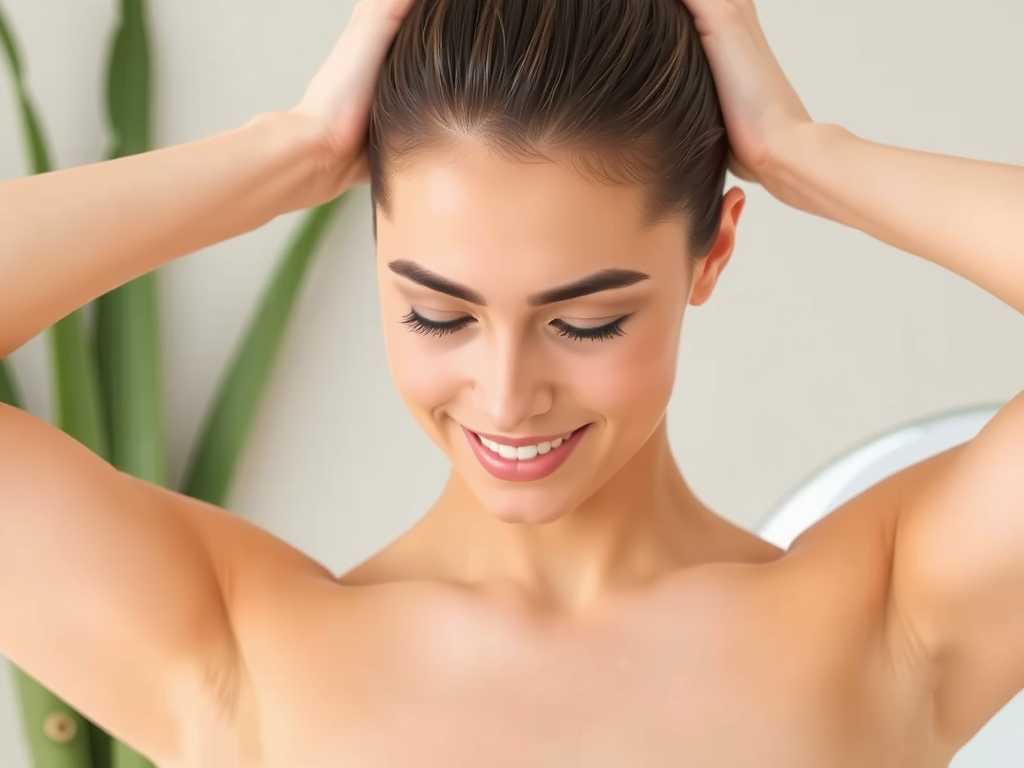
Before diving into my routine, I needed to understand the why. My scalp sensitivity often felt like a mystery—was it dryness, a mild dermatitis, or product buildup? Research and conversations with a dermatologist (whose advice I always cross-reference with sources like the American Holistic Health Association, or AHSA, for a balanced view) clarified things. Aloe vera’s magic lies in its composition. It’s packed with anti-inflammatory compounds like polysaccharides and enzymes (such as bradykinase) that soothe irritation. It’s a natural humectant, drawing moisture to the skin, and contains salicylic acid, which gently helps exfoliate dead skin cells without harsh scrubbing. Crucially, as noted in several botanical studies, pure aloe vera gel has a pH close to that of our skin, making it exceptionally non-disruptive for sensitive skin types. This wasn’t just an old wives’ tale; it was botany and dermatology aligning.
My Two-Week, Step-by-Step Aloe Vera Scalp Care Protocol
I aimed for simplicity and consistency. Here’s exactly what I did, three times a week for two weeks.
Week 1: The Foundation Phase
My goal was to reset my scalp. I used a large, mature aloe vera leaf from my own plant (store-bought, 100% pure organic gel is a perfect alternative).
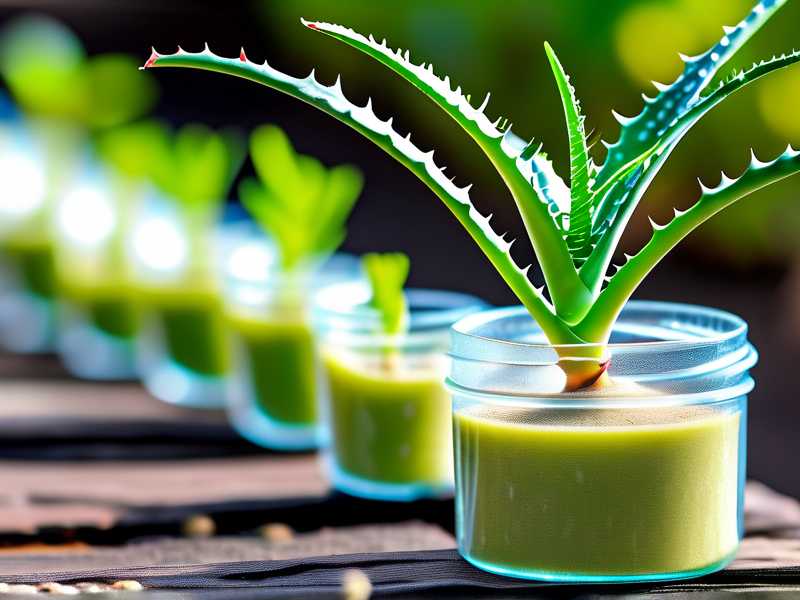
- Step 1: The Pre-Wash Soothing Mask. Before my shower, I would slice open a leaf, scoop out the clear inner gel, and blend it briefly with a teaspoon of olive oil for extra emollience. Parting my hair in sections, I gently massaged the cool gel directly onto my scalp with my fingertips. The immediate sensation was incredible cooling relief. I left it on for 30 minutes. The first time, I made a major mistake: I didn’t blend it smoothly enough. Tiny, stringy bits of aloe got tangled in my hair and were a nightmare to rinse out. The fix? Straining the blended gel through a fine mesh sieve created a perfectly smooth, lump-free liquid that applied and rinsed like a dream.
- Step 2: The Gentle Cleanse. After rinsing out the mask with cool water, I followed with a tiny amount of a fragrance-free, sulfate-free shampoo. I focused on my roots, letting the suds cleanse without stripping. The aloe seemed to prevent that “squeaky-clean” tightness.
- Step 3: The Leave-In Tonic. After towel-drying my hair, I mixed a tablespoon of pure aloe gel with about 3 tablespoons of water in a spray bottle. I lightly misted my scalp, avoiding soaking my hair. This provided lasting hydration without grease.
The First Week Observations: By day 3, the intense itching that usually plagued me by midday had subsided significantly. The redness around my hairline was visibly calmer. However, I noticed a slight buildup feeling by the fifth day. This was my second pitfall: over-applying the leave-in tonic. My solution was to use the tonic only after my two weekly mask treatments, and on the third wash day, I just did a simple cleanse without any aloe pre-treatment to let my scalp breathe.
Week 2: The Adjustment and Observation Phase
I refined the routine based on my first-week learnings.
- Step 1: The Refined Mask. I continued the pre-wash mask twice a week, but now with my strained, smooth gel. I sometimes added a drop of peppermint essential oil for a stimulating tingle, but only after a patch test confirmed no reaction.
- Step 2: Strategic Cleansing. My third wash of the week was just shampoo, no mask. This prevented any potential buildup and kept my scalp balanced.
- Step 3: Tonic as Needed. I used the diluted aloe mist only if I felt any hint of tightness or itch, which became less and less frequent.
The Two-Week Results: A Transformed Scalp
The difference was undeniable. The constant, low-grade irritation was gone. The flaky patches I used to see along my part had completely cleared. My scalp felt calm, hydrated, and resilient—no more reacting to every weather change or new product. My hair also benefited; it felt softer, and I swear there was less breakage around the crown, likely due to reduced scratching and a healthier scalp environment. This wasn’t a dramatic overnight cure, but a steady, gentle restoration. The key takeaway was consistency and listening to my scalp’s feedback, adjusting the frequency of the treatment to find its sweet spot.
Pro Tips for Your Own Aloe Vera Scalp Journey
Based on my trial and error, here’s how to ensure success and avoid my missteps:
- Patch Test, Always. Even with a natural ingredient, test a small amount behind your ear or on your inner arm and wait 24 hours. Sensitive skin can be unpredictable.
- Purity is Paramount. Whether you extract it fresh or buy it, ensure your aloe gel is as pure as possible. Avoid products filled with alcohols, dyes, or fragrances—these defeat the purpose. Look for certifications or ingredients lists you can understand.
- Strain Your Fresh Gel. This is non-negotiable if using fresh leaves. The sieve method saves you from a sticky, frustrating detangling session.
- Start Slow. Begin with one treatment a week. See how your scalp responds before increasing frequency. More is not always better.
Addressing Your Curiosities About Aloe Vera Scalp Care
Can aloe vera help with dandruff on a sensitive scalp? Yes, but it’s important to understand the type. For dry, flaky skin caused by irritation, aloe’s moisturizing and anti-inflammatory properties are excellent. For more severe seborrheic dermatitis (oily, yellow flakes), its gentle exfoliating and soothing traits can help manage symptoms, but it may need to be part of a broader care plan discussed with a doctor.
How do I use aloe vera for an itchy scalp immediately? For instant relief, keep a bottle of pure, refrigerated aloe gel. Part your hair and apply the cool gel directly to the itchy spots. Leave it on for 15-20 minutes before rinsing with cool water. The cooling effect and anti-inflammatory action provide fast, soothing relief without harsh chemicals.
Is it safe to leave aloe vera on my scalp overnight? While some people do this, I’m cautious with sensitive skin. Prolonged, occlusive application can sometimes lead to irritation or folliculitis for certain individuals. I found the 30-minute pre-wash mask perfectly effective. If you want to try an overnight treatment, do a shorter test first and ensure your gel is impeccably pure and well-rinsed in the morning.
Embracing aloe vera for sensitive scalp care taught me that sometimes the gentlest solutions are the most powerful. It’s a practice of patience and observation, of working with your body’s rhythms rather than forcing a quick fix. My scalp is no longer a source of daily annoyance but a testament to the quiet, healing power of plants. If your sensitive scalp has left you feeling defeated, this simple, natural protocol might just be the gentle turning point you need.