bluename
 Aloe Vera and Fish Tanks: My 2-Week Experiment on Humidity Impact
As a long-time plant enthusiast and aquarium keeper, I’ve always been fascinated by the intersection of these two worlds. One question kept nagging at me: what is the real impact of placing an aloe vera plant near a fish tank? Specifically, I wanted to understand the humidity impact of this setup. We all know aloe vera thrives in dry conditions and aquariums are humidity powerhouses. Could they coexist, or would one suffer? I decided to move beyond speculation and run a real-world, two-week experiment to document the effects, step-by-step.
My primary goal was to see if the consistent moisture from the aquarium would harm the aloe, and conversely, if the plant offered any benefits to the tank environment. I focused on two core long-tail keywords: "effects of aquarium humidity on aloe vera" and "using aloe vera to regulate tank room humidity." I was ready to get my hands dirty.
My Experimental Setup: Creating a Controlled Test
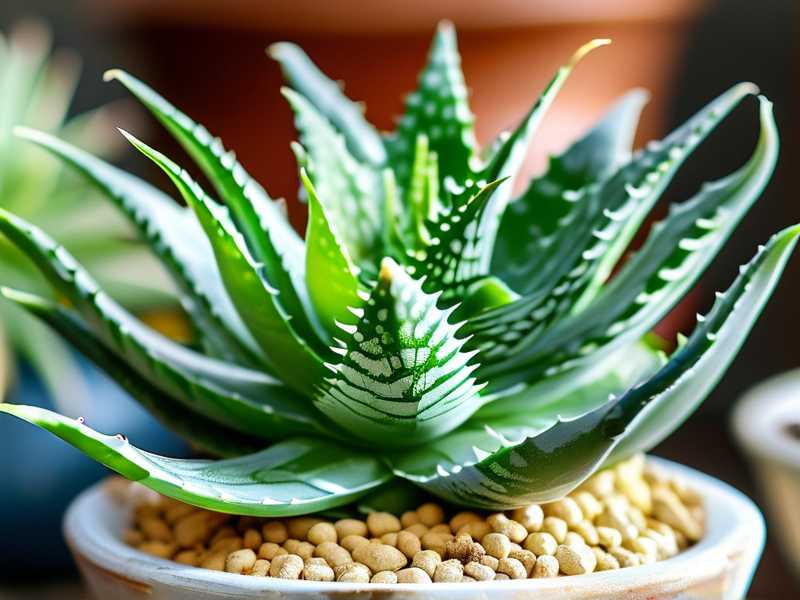
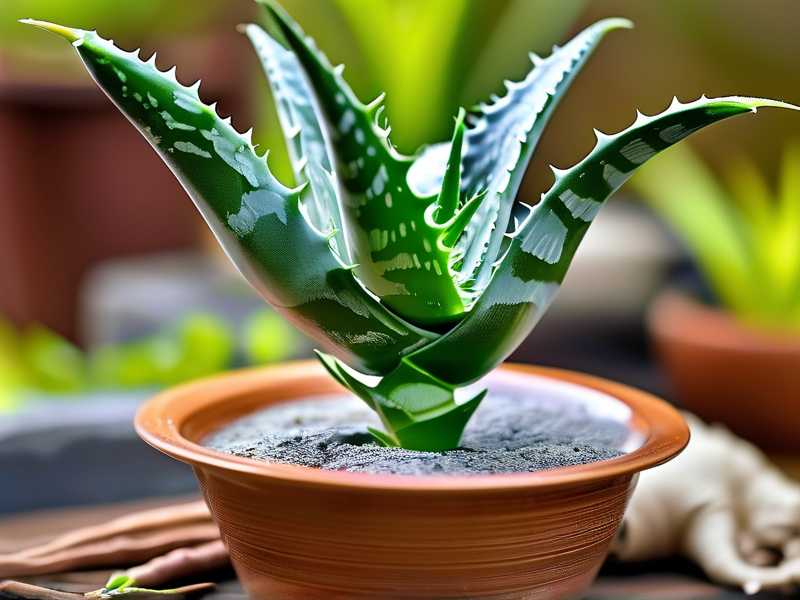
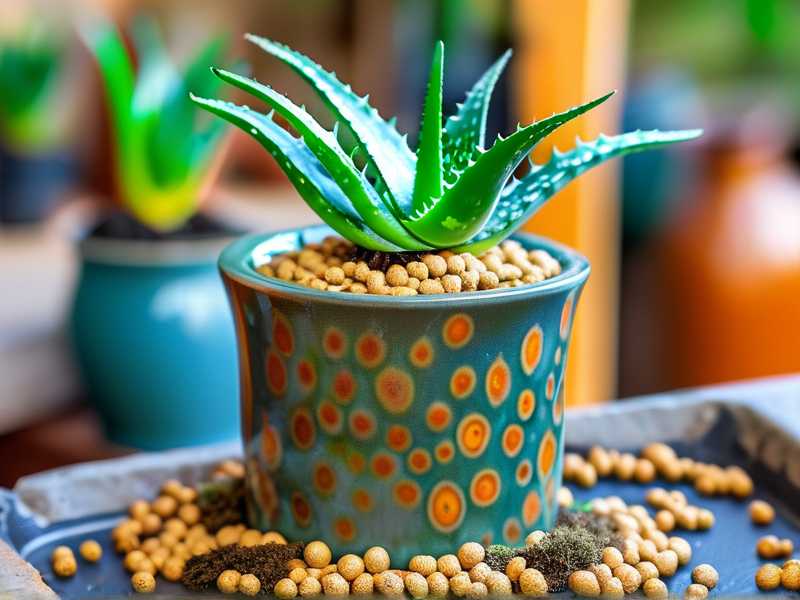
To ensure accurate observations, I needed a proper setup. I used a standard 20-gallon freshwater community tank, well-established with stable parameters. The room’s ambient humidity hovered around 40%. I placed a healthy, mature aloe vera plant in a terracotta pot (excellent for drainage) on a stand directly adjacent to the tank, so its leaves were within 5 inches of the water surface.
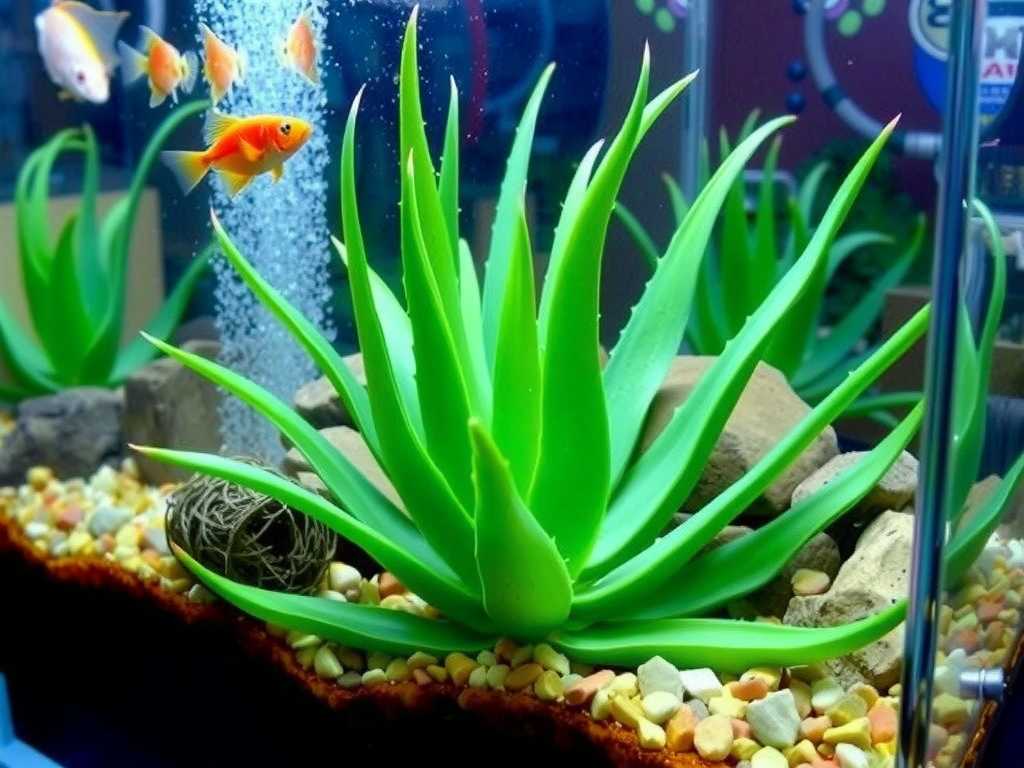
I gathered my tools: two digital hygrometers (one for the tank area and one for the room as a control), a notebook for daily logs, and my phone for photo documentation. The plan was simple: monitor and record humidity levels at the aloe’s base and the plant’s condition twice daily for 14 days.
Week One Observations: The Immediate Humidity Shock
The humidity impact was immediate and measurable. Within 48 hours, the hygrometer near the aloe’s soil showed a consistent reading 15-20% higher than the room’s ambient humidity. The zone around the tank had become a microclimate.
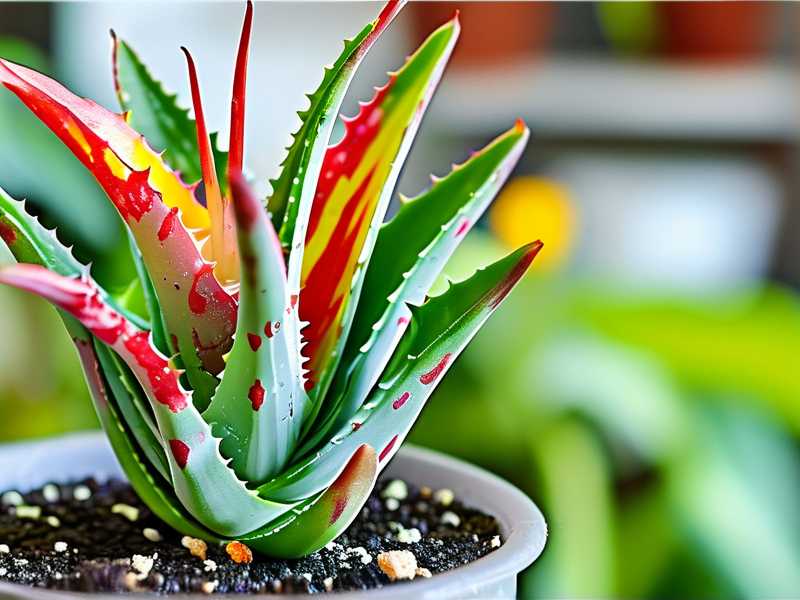
Initially, the aloe vera seemed unfazed. Its leaves remained plump and green. However, by day five, I noticed the first red flag—literally. The tips of the oldest, lowest leaves began developing small, soft brown spots. This was my first real encounter with the effects of aquarium humidity on aloe vera. The constant moisture in the air was likely preventing the soil from drying out thoroughly between waterings, even though I was watering less. Terracotta helps, but it can’t combat saturated air.
I also checked for any benefit to the tank. Evaporation rates seemed slightly lower than before, suggesting the plant might be absorbing some airborne moisture. But the change was minimal. The primary interaction was the tank affecting the plant, not the other way around.
The Pitfall I Hit: Early Signs of Rot and My Solution
By the start of week two, the brown spots had spread, and the base of one leaf felt unpleasantly soft. I had fallen into the classic trap: assuming visible soil dryness was enough. In this high-humidity microclimate, the soil surface looked dry, but the core root ball remained damp.
This was a critical lesson. My solution was threefold. First, I moved the plant back 18 inches from the tank, breaking the direct humidity bubble. Second, I drastically altered my watering schedule. Instead of weekly, I now waited until the aloe’s leaves showed slight thinning and the soil was dry several inches down. Third, I pointed a small, low-speed fan across the room to gently improve air circulation around the plant, discouraging fungal growth. According to the Royal Horticultural Society (RHS), good airflow is paramount for preventing rot in succulents grown in humid conditions.
Week Two: Recovery and Adjusted Equilibrium
After implementing these changes, the progression of rot halted within three days. The damaged leaves would not recover, but the plant’s core and new growth remained healthy. Humidity readings at the new plant location normalized, closely matching the room’s ambient level.
For the remainder of the experiment, the aloe stabilized. It showed no new adverse effects. However, it also showed no remarkable growth benefits. The idea of using aloe vera to regulate tank room humidity proved largely ineffective for a tank of this size. While it may absorb trace moisture, its impact is negligible compared to the volume of water evaporating from an aquarium. A dehumidifier or proper ventilation are far more effective tools for humidity control.
Key Takeaways and Best Practices
So, what did my 14-day deep dive teach me? The relationship is one-sided. Aquarium humidity significantly impacts aloe vera, posing a real risk of overwatering and rot. The plant’s effect on tank humidity is functionally irrelevant.
If you want to keep aloe vera near your aquarium, here is my hard-earned advice:
- Distance is Key: Maintain at least 12-18 inches of space between the plant and the water surface to avoid the most intense humidity zone.
- Prioritize Drainage and Airflow: Use terracotta pots and a gritty, fast-draining cactus mix. Consider a gentle fan to disrupt stagnant, moist air.
- Water by Plant Cues, Not a Calendar: Forget your old schedule. Let the aloe’s leaves tell you when it’s thirsty. In a humid room, this could mean weeks between waterings.
- Monitor Relentlessly: Check the base leaves and soil moisture frequently. Early detection of softness is the only way to save the plant.
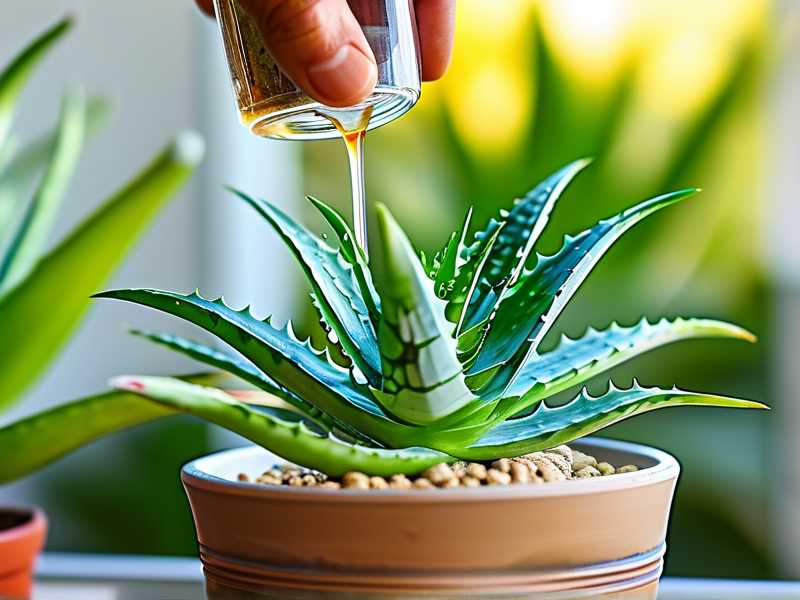
Can aloe vera gel from my plant be used in my aquarium? Absolutely not. This is a dangerous practice. While aloe vera gel has beneficial properties for humans, it is organic matter that will decay in your tank. This can foul the water, spike ammonia levels, and harm your fish. Only use products specifically formulated for aquarium use.
Will the humidity from my tank help other plants? Yes, but it depends on the plant. Tropical plants like pothos, philodendron, or peace lilies (with only their roots in the water, not leaves) will love the increased humidity. It creates a perfect environment for them. Always research a plant’s native habitat before placing it near a tank.
What are the real benefits of having plants near a fish tank? The main benefit is aesthetic—creating a beautiful, integrated biome. Functionally, some plants (like the pothos mentioned) can help with nitrate absorption if their roots are in the filter or tank water. However, for humidity control or air purification on a room scale, the impact of a few plants is very small.
My experiment confirmed that while the idea of combining an aloe vera plant and a fish tank is visually appealing, it requires careful management. The aquarium’s humidity is a dominant force. Success lies in respecting the aloe’s need for dryness by providing space, impeccable drainage, and vigilant care. It’s a partnership where you must actively protect the plant from the very environment you’re trying to integrate it with.