bluename
 How to Make Aloe Vera Insecticidal Soap: My 2-Week Journey to a Healthier Garden
There's nothing more frustrating than watching your beloved plants become a buffet for aphids, spider mites, and mealybugs. I've been there, staring at curled leaves and sticky residue, hesitant to douse my indoor herbs and prized succulents with harsh commercial chemicals. I wanted something effective, gentle on my plants, and safe to have around. That's when I discovered how to make aloe vera insecticidal soap. This natural remedy combines the pest-fighting power of soap with the soothing, healing properties of aloe vera. After two weeks of testing my own homemade blend, I can confidently share the process, the results, and the lessons learned.
Why Aloe Vera Makes the Difference
Most DIY insecticidal soap recipes call for a simple mix of liquid castile soap and water. While effective, plain soap can sometimes stress plant tissues, especially on sensitive or succulent leaves. This is where aloe vera gel becomes a game-changer.
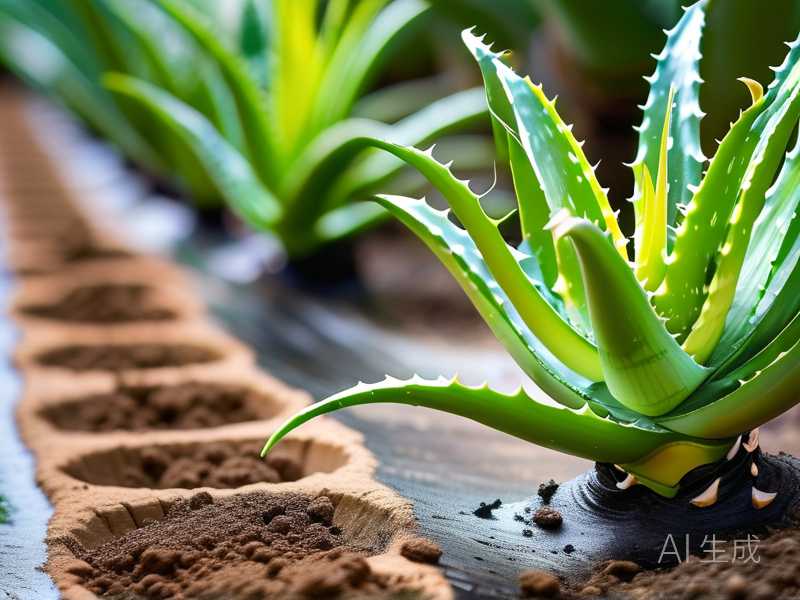
Aloe vera is packed with polysaccharides and healing compounds like acemannan. According to research cited by the American Horticultural Society (AHS), aloe vera has demonstrated natural antifungal and antibacterial properties. In our context, it acts as a natural surfactant, helping the soap solution spread and stick to pests more effectively. More importantly, it forms a protective, moisturizing layer on the leaf surface. This helps prevent the soap from stripping away the plant's natural protective oils, reducing the risk of phytotoxicity—a fancy term for chemical damage to plants. Essentially, you get the bug-killing power without the harsh side effects.
Gathering Your Simple, Natural Ingredients
You don't need a chemistry lab for this. Here’s what I used:
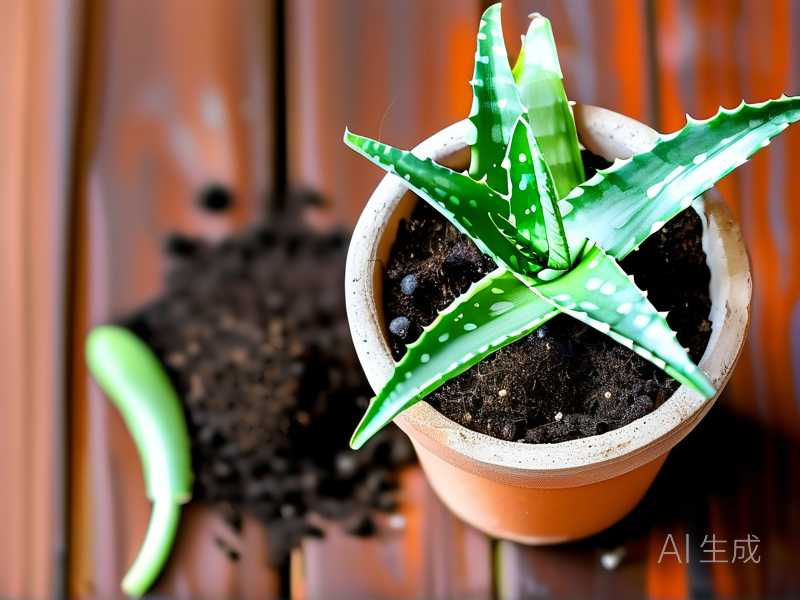
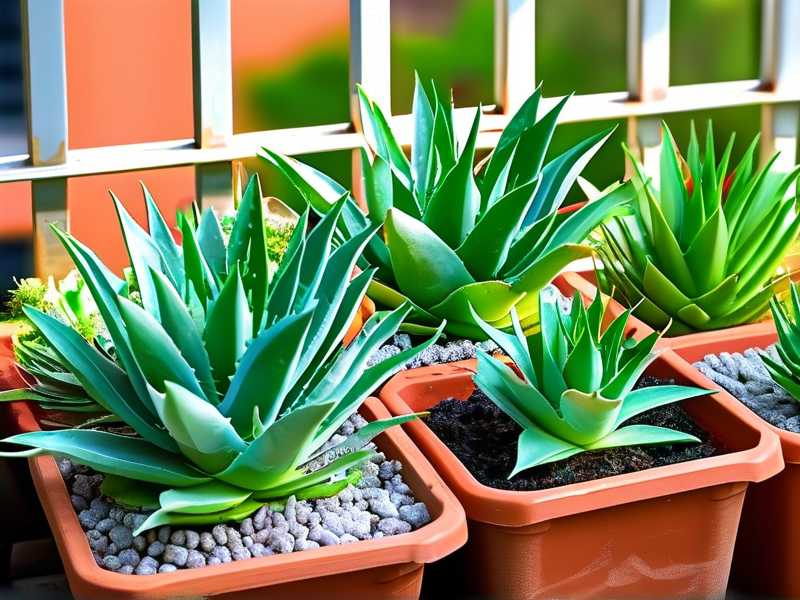
- Pure Aloe Vera Gel: I used fresh gel from a large leaf of my Aloe barbadensis miller plant. You can also use a high-quality, pure store-bought gel (look for 99-100% aloe, with no added colors, fragrances, or thickeners like xanthan gum).
- Liquid Castile Soap: This is the insecticidal agent. I chose unscented, pure castile soap. It's derived from plant oils and is biodegradable. Crucial note: Do not use dish detergents, degreasers, or soaps with added moisturizers, fragrances, or antibacterial agents. These can severely harm your plants.
- Distilled Water: Tap water can contain minerals that might react with the soap. I used distilled water to ensure a stable mixture.
- A Spray Bottle: A clean, 16-ounce bottle with a fine mist setting is perfect.
- A Small Bowl and Whisk or Fork.
My Step-by-Step Process for Making the Soap
I treated this like a small kitchen experiment, measuring carefully to ensure consistency.
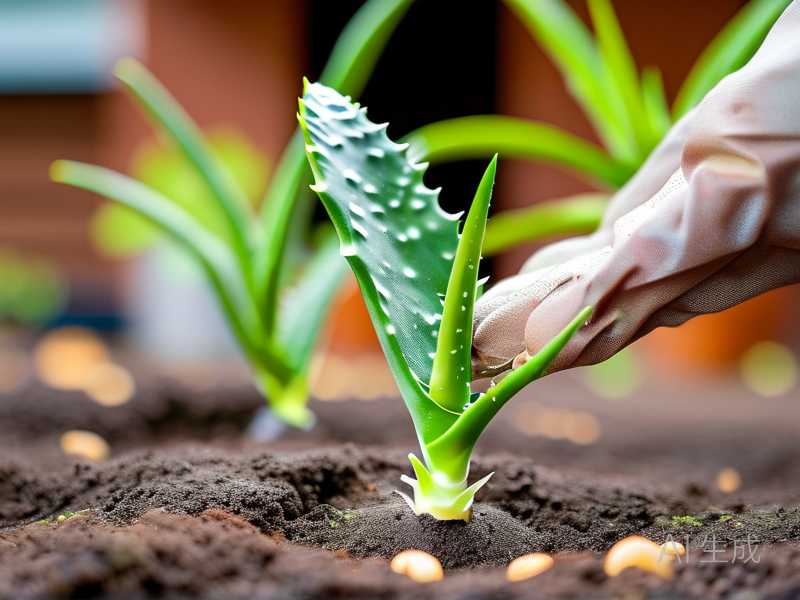
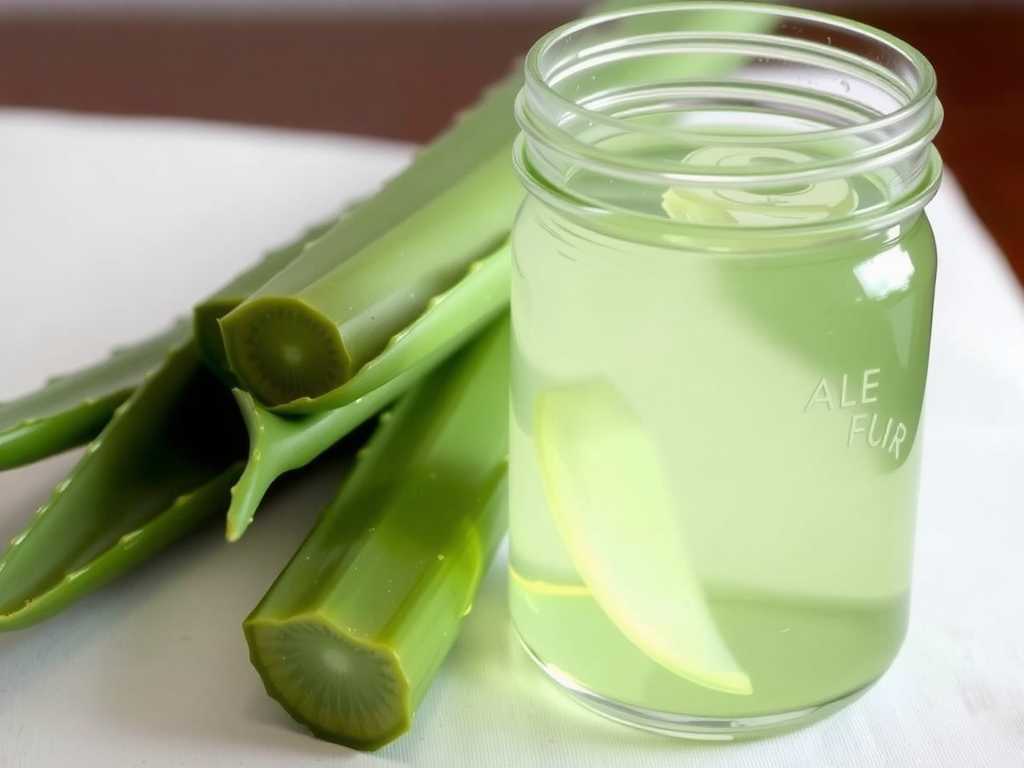
- Extracting the Aloe Gel: I cut a thick, mature leaf from the base of my aloe plant, sliced off the serrated edges, and filleted the skin away. I scooped out two tablespoons of the clear inner gel into my bowl. For store-bought gel, simply measure two level tablespoons.
- Creating the Aloe Base: Using a fork, I whisked the gel vigorously until it became a smooth, slightly frothy liquid. This step is key to breaking down the gel's structure for easy mixing.
- Mixing the Solution: To the liquefied aloe, I added one tablespoon of liquid castile soap. I whisked gently to combine—avoid creating too many suds. Then, I slowly poured in one quart (4 cups) of distilled water while stirring.
- The Final Transfer: I carefully funneled the mixture into my clean spray bottle. I labeled it immediately with the contents and date. Important: This mixture is best used fresh. I made a new batch each week during my trial to ensure potency.
Application: How I Tested It on My Plants
I selected two test groups in my home garden. Group A was an infestation of aphids on my cherry tomato seedlings. Group B was a mild case of spider mites on my bird of paradise plant. For a control, I left a few affected leaves untreated.
My application routine was strict:
- Timing: I sprayed in the cool, early evening to prevent rapid evaporation and avoid sun exposure on wet leaves (which can cause burns).
- Method: I thoroughly drenched the leaves, making sure to coat the undersides where pests love to hide. I used my hand to shield the soil from overspray.
- Frequency: I applied the aloe vera insecticidal soap every 3-4 days for two weeks, for a total of 5 applications.
The 2-Week Observation: What Happened?
Days 1-3: After the first application, I checked the next morning. On the tomato plants, many aphids appeared brown and shriveled. The soap disrupts their cell membranes, causing dehydration. The spider mites were less visibly affected immediately. Days 4-7: After the second spray, the aphid population was decimated. New, healthy growth was emerging. The bird of paradise showed fewer yellow speckles (a sign of spider mite feeding). I noticed zero leaf burn or yellowing on any treated plant, which was a major win. Days 8-14: By the third application, the aphids were gone. The spider mite damage had halted. The plants looked vigorous. The untreated control leaves, however, showed worsening damage. The aloe vera seemed to give the leaves a healthy sheen. I concluded the natural pest control spray was a success for these soft-bodied pests.
The Pitfalls I Encountered (And How I Fixed Them)
My journey wasn't without hiccups. Here’s what went wrong and how I solved it.
- The Clogged Sprayer Disaster: For my first batch, I was lazy and didn't fully liquefy the aloe gel. Small chunks remained and clogged my spray nozzle completely. Solution: I strained the mixture through a fine mesh sieve into the bottle. For all subsequent batches, I whisked the aloe gel relentlessly until it was completely smooth before adding anything else.
- The "More is Better" Mistake: In an early test on a different plant, I doubled the soap concentration, thinking it would work faster. This led to slight leaf dullness on a sensitive fern. Solution: I stuck religiously to the 1 Tbsp soap per quart ratio. I learned that consistency (regular reapplication) is more important than concentration. I immediately rinsed the fern leaves with clean water to mitigate the issue.
- Missing the Hidden Pests: After my first spray, I celebrated too soon. A new cluster of aphids appeared a week later from eggs I had missed. Solution: I became meticulous. I inspected every stem and leaf underside before each spray and physically removed any egg clusters I saw. The homemade insecticidal soap needs to contact the pest directly, so coverage and follow-up are critical.
Frequently Asked Questions
Is this aloe vera soap spray safe for all plants? While much gentler than plain soap, it's wise to test any spray on a small, inconspicuous part of the plant first. Wait 24-48 hours for any adverse reaction. I've found it exceptionally safe on vegetables, herbs, and most houseplants, but always exercise caution with very delicate or fuzzy-leaved plants.
How often should I apply it for severe infestations? For a heavy infestation, you can apply every 2-3 days for up to two weeks. Once the pests are under control, switch to a weekly preventative spray or use it only as needed. Over-application, even of gentle mixes, can stress plants.
Can I store the leftover mixture? I don't recommend long-term storage. The fresh aloe vera gel can degrade and ferment. I made fresh, small batches weekly. If you must store it, keep it in the refrigerator for no more than 5-7 days, and let it come to room temperature before shaking well and using it.
Learning how to make aloe vera insecticidal soap has transformed my approach to plant care. It's a powerful, yet gentle, tool that aligns with nurturing a healthy garden ecosystem. The two-week test proved its effectiveness against common pests while keeping my plants robust and unharmed. The process is simple, the ingredients are natural, and the satisfaction of solving a problem with your own hands is immense. Give it a try—your plants will thank you for the natural defense.