bluename
 Aloe Vera Watering Mistakes to Avoid for a Thriving Plant
You've brought home a beautiful aloe vera plant, drawn by its striking form and promise of easy care. It's known as a resilient, forgiving succulent, perfect for beginners. Yet, weeks or months later, you might find yourself staring at a plant that's turned soft and brown, or perhaps shriveled and crispy. What went wrong? The culprit, more often than not, is improper watering. While aloe vera is drought-tolerant, it has specific needs that, when misunderstood, lead to common and often fatal Aloe Vera Watering Mistakes. Mastering the simple "soak and dry" method is the single most important skill for keeping your aloe healthy. This guide will walk you through the critical errors to avoid, transforming you from an unsure plant owner into a confident aloe vera caretaker.
The Golden Rule: Understanding "Soak and Dry"
Before diving into the mistakes, let's establish the core principle. Aloe vera plants store water in their thick, fleshy leaves. Their roots are adapted to absorb a large amount of water quickly when it's available (like a rare desert rain) and then endure a long period of dryness. The "soak and dry" method mimics this natural cycle.
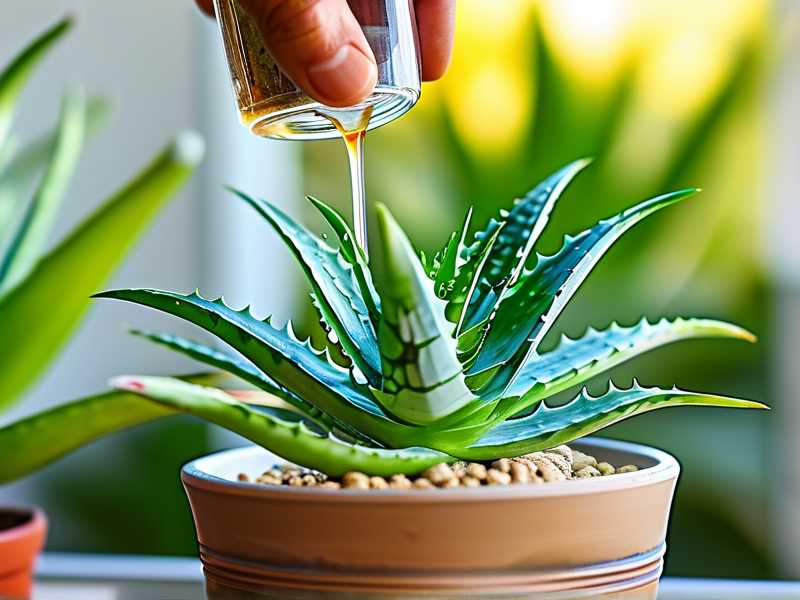
- Soak: Water the plant thoroughly until excess water flows freely out of the drainage holes at the bottom of the pot. This ensures the entire root ball gets moistened.
- Dry: Then, you must allow the soil to dry out almost completely before even thinking about watering again. The top few inches of soil should feel bone-dry, and the pot will feel significantly lighter. Forgetting either part of this cycle—giving shallow sips or not letting the soil dry—is where most problems begin.
Mistake #1: Overwatering – The Silent Killer
This is the most frequent and devastating error. Aloe vera roots sitting in consistently moist soil will begin to rot, a condition that can quickly kill the entire plant.
Signs You're Overwatering:
- Soft, Mushy Leaves: Healthy aloe leaves are firm and plump. Overwatered leaves become soft, translucent, and may ooze liquid. They might droop or feel squishy to the touch.
- Brown, Soft Spots: Rot often starts at the base of the plant or on lower leaves, appearing as dark, water-soaked areas.
- Foul Smell from Soil: A musty or rotten odor from the potting mix is a telltale sign of root rot below the surface.
How to Avoid It:
- Check, Don't Guess: Never water on a schedule (e.g., "every Saturday"). Always check the soil moisture first. Insert your finger 2-3 inches into the soil. If it feels damp, wait.
- Ensure Proper Drainage: This is non-negotiable. Your pot must have drainage holes. Use a well-draining succulent or cactus potting mix, or amend regular potting soil with perlite or coarse sand (50/50 mix is a good start).
- Empty the Saucer: After watering, always discard any water that collects in the saucer or cache pot. Never let the pot sit in standing water.
Mistake #2: Underwatering and Inconsistent Watering
While less immediately fatal than overwatering, chronic underwatering stresses the plant, stunting its growth and making it vulnerable.
Signs You're Underwatering:
- Thin, Curled, or Crispy Leaves: The plant uses up its internal water reserves, causing leaves to become thin, curl inward, and develop dry, brown tips or edges.
- Slow or No Growth: The plant enters survival mode and stops producing new leaves.
- Brown, Dry Patches: Unlike the soft brown of rot, these are dry and papery.
How to Avoid It:
- Water Deeply When You Do Water: When the soil is dry, give it a proper soak. A light sprinkle only wets the surface, encouraging roots to grow upward instead of deep, making the plant less stable and more thirsty.
- Observe Seasonal Changes: Aloe vera typically grows more in spring and summer and slows down in fall and winter. Adjusting your Aloe Vera Watering Schedule seasonally is crucial. You may water every 2-3 weeks in summer but only once a month or less in winter.
- Consider Your Environment: Plants in hot, dry, sunny spots will dry out faster than those in cool, humid, low-light conditions.
Mistake #3: Ignoring Environmental Factors
Watering isn't just about the amount of water; it's about how the plant uses it. Several environmental factors dramatically affect watering frequency.
Pot Material and Size:
- Terracotta vs. Plastic: Porous terracotta pots allow soil to dry out much faster than glazed ceramic or plastic pots. A plant in terracotta will need more frequent watering than the same plant in plastic.
- Pot Size: A small pot dries out quickly. A pot that is too large for the plant holds excess soil that stays wet for too long, increasing rot risk. Choose a pot that is only 1-2 inches wider than the root ball.
Light and Temperature:
- A plant in bright, direct sunlight will use water much faster than one in low light. However, too much harsh, direct sun can also scorch leaves. Bright, indirect light is often ideal.
- Higher temperatures increase evaporation and transpiration (water loss from leaves), demanding more frequent watering.
Humidity: In very humid environments, soil takes longer to dry out. In arid environments, it dries rapidly. Adjust your checking frequency accordingly.
Mistake #4: Watering the Leaves, Not the Soil
A common error in Aloe Vera plant care is pouring water directly over the center of the plant, letting it pool in the leaf rosette.
Why This is a Problem:
- Crown Rot: Water sitting in the center of the plant (the crown) can lead to rot, just like wet soil around the roots.
- Fungal Issues: Constant moisture on the leaves, especially in poor air circulation, can invite fungal diseases.
- Sunburn Magnification: Water droplets on the leaves can act like tiny magnifying glasses under direct sun, burning the leaf tissue.
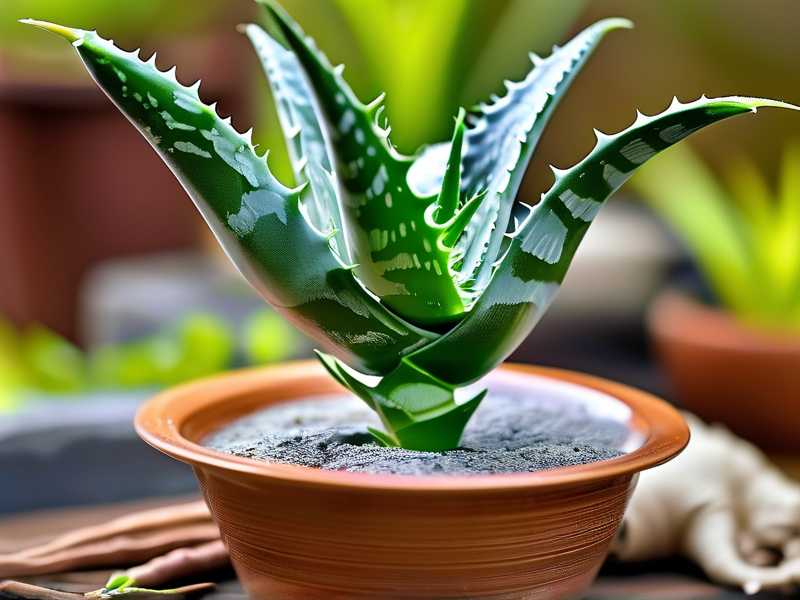
The Correct Technique: Always aim your watering can at the soil around the base of the plant. Water slowly and evenly until it runs out the bottom. If water gets into the crown, gently tip the plant or use a paper towel to blot it dry.
Advanced Care: Watering for Propagation and Recovery
Sometimes, you need to adjust your approach for special situations.
Watering Newly Potted or Propagated Pups: When you repot an aloe or plant a new offset ("pup"), wait about a week before giving it the first thorough watering. This allows any minor root damage from handling to callus over, preventing rot.
Rescuing an Overwatered Aloe: If you suspect root rot, act fast:
- Gently remove the plant from its pot.
- Brush away wet soil and inspect the roots. Healthy roots are firm and white/tan. Rotten roots are mushy, dark, and may smell bad.
- Using sterile scissors, cut away all rotten roots and any affected leaves.
- Let the plant air dry in a shaded, well-ventilated spot for 2-3 days.
- Repot in fresh, dry, well-draining soil. Do not water for at least another week to allow the plant to settle and recover.
How often should I water my aloe vera plant? There is no universal schedule. The only reliable method is to check the soil. For most indoor environments, this typically translates to watering every 2-4 weeks during the growing season and even less frequently in winter. Always let the soil dry completely between waterings.
What type of water is best for aloe vera? Room temperature water is ideal. If your tap water is very hard or heavily fluoridated, using filtered or distilled water can prevent tip burn and mineral buildup in the soil over time. Avoid using ice cubes, as the cold can shock the roots.
My aloe vera leaves are turning brown. Does it need more or less water? It depends on the texture. Soft, mushy brown leaves almost always indicate overwatering and potential root rot. Dry, crispy brown leaves or tips usually point to underwatering, low humidity, or possibly too much direct sun. Assess the leaf feel and your recent watering habits to diagnose correctly.
By moving away from a rigid schedule and towards an observant, soil-based approach, you can avoid these common watering pitfalls. Remember that your aloe vera would rather be a bit thirsty than constantly wet. Paying attention to its signals—the firmness of its leaves, the color of its tips, and the weight of its pot—will create a dialogue between you and your plant. With patience and these guidelines, you'll be rewarded with a robust, vibrant aloe vera that not only survives but thrives for years to come.