bluename
 How to Treat Aloe Vera Mealybug Infestations Naturally: A 2-Week Battle Plan from My Windowsill
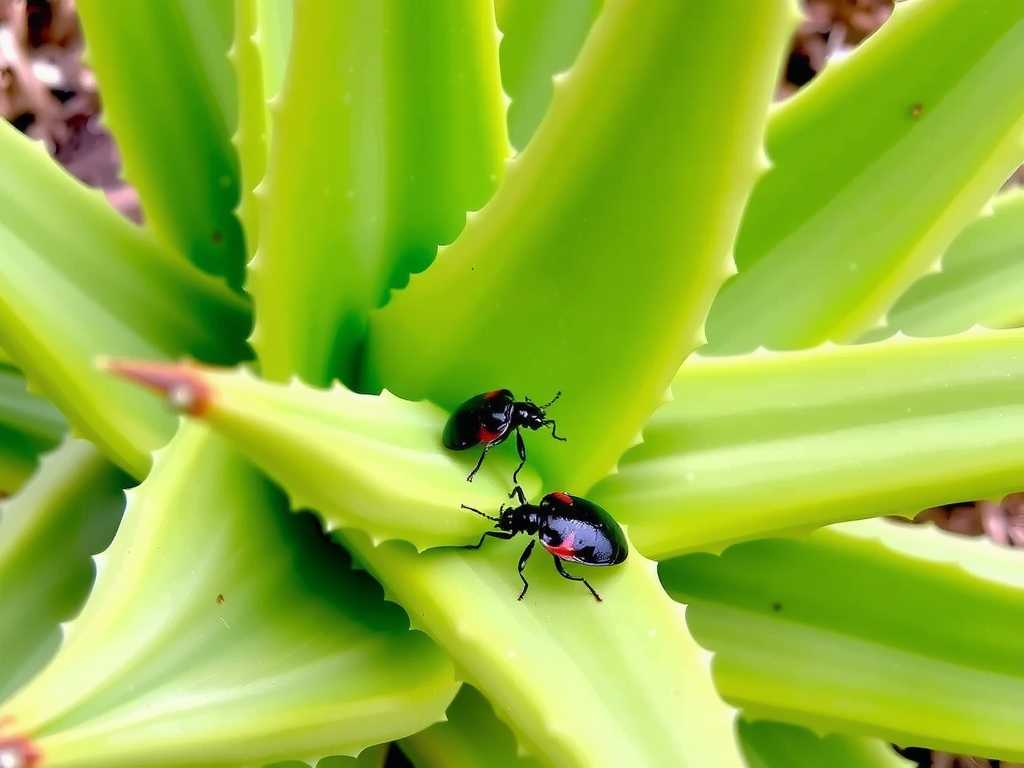
I’ll never forget the sinking feeling I got when I noticed my prized aloe vera plant, a plump and vibrant specimen I’d nurtured for years, suddenly looked… wrong. Nestled in the tight crevices between its leaves was a fluffy, white substance that looked like tiny bits of cotton wool. Upon closer inspection, I saw tiny, pale bugs scurrying around. My heart sank. It was a full-blown aloe vera mealybug infestation.
If you’re reading this, you likely know that panic. These sap-sucking pests can weaken your aloe, stunt its growth, and introduce sooty mold. I was determined to save my plant without resorting to harsh chemicals. As a hands-on plant enthusiast, I embarked on a two-week mission to treat aloe vera mealybugs naturally. Here is my complete, step-by-step journal, including what worked, the mistakes I made, and the final, triumphant results.
My Arsenal: Understanding the Natural Remedies
Before starting, I researched my options. The Royal Horticultural Society (RHS) notes that for minor infestations, non-pesticide methods are often effective and preferable, especially for indoor plants. I decided to combine physical removal with two primary natural treatments: isopropyl alcohol and neem oil. My core long-tail focus became natural mealybug treatment for succulents and homemade spray for aloe vera pests.
Week 1: The Initial Assault and a Critical Mistake
Days 1-3: Isolation and Manual Eviction
My first step was immediate quarantine. I moved my afflicted aloe away from all other plants to prevent the mealybugs on aloe vera from spreading.
- Step 1: The Q-tip & Alcohol Spot Treatment. I dipped a cotton swab in 70% isopropyl alcohol (rubbing alcohol) and meticulously dabbed every single white mass I could see. The alcohol dissolves the bugs’ waxy coating on contact, killing them. This was satisfying—you can see them die instantly. I got into every nook, especially the base of the leaves and the center growth point.
- Step 2: The Spray Down. After spot-treating, I prepared a gentle spray. I mixed 1 part 70% isopropyl alcohol with 3 parts water in a spray bottle and added a few drops of mild liquid soap (Castile soap is ideal) to help the solution stick. I lightly misted the entire plant, focusing on the undersides of the leaves. The American Horticultural Society (AHS) advises testing any spray on a small leaf first and waiting 48 hours to check for damage. I did this, and my aloe was fine.
- Step 3: The Root Check. This is where I made my first big mistake. I only treated the parts I could see. Mealybugs can hide in the soil and on roots. I didn’t check.
Days 4-7: Introducing Neem Oil and The Setback
Confident after the initial cleanup, I prepared a neem oil solution, a classic organic pest control for houseplants. I mixed 1 teaspoon of cold-pressed neem oil with ½ teaspoon of liquid soap in a liter of warm water, shaking vigorously.
- The Application: I thoroughly sprayed the plant until it dripped, ensuring full coverage. Neem oil works as both an insecticide and a fungicide and disrupts the pests’ life cycle.
- The Mistake Revealed: Two days after the neem application, I saw a few new fluffy spots. I was disheartened. Where were they coming from? I finally un-potted the plant. To my horror, there were tell-tale white patches on the roots—root mealybugs. I had missed a major colony. This is a common pitfall; many guides forget to mention checking the soil.
The Fix:
- I gently washed all the soil from the aloe’s roots under a steady stream of lukewarm water.
- I then submerged the root ball in a bowl of my isopropyl alcohol solution (1:3 ratio) for about 15 seconds, swishing it gently. Some sources suggest a mild soapy water bath, but the alcohol dip was recommended for severe root cases.
- I left the plant with bare roots to air-dry for a day in a shaded, well-ventilated spot.
- I discarded all the old soil and thoroughly scrubbed the pot with soapy water before repotting with fresh, sterile cactus/succulent mix.
Week 2: Persistence and Patience Pay Off
Days 8-14: The Regimen and Observation
With the root issue addressed, I established a strict treatment schedule. Consistency is key in eliminating mealybugs from succulents.
- Every 3-4 Days: I alternated between the alcohol spray (for quick kill) and the neem oil spray (for long-term prevention). I would inspect meticulously with a magnifying glass each time, using an alcohol-dipped swab for any visible bugs.
- Environmental Changes: I moved the plant to a slightly brighter spot (with indirect light, as aloe can sunburn) and ensured excellent air circulation with a small fan. Mealybugs thrive in stagnant conditions.
- Watering Discipline: I allowed the soil to dry out completely between waterings, as overwatering stresses the plant and makes it more susceptible.
The 2-Week Observation Results:
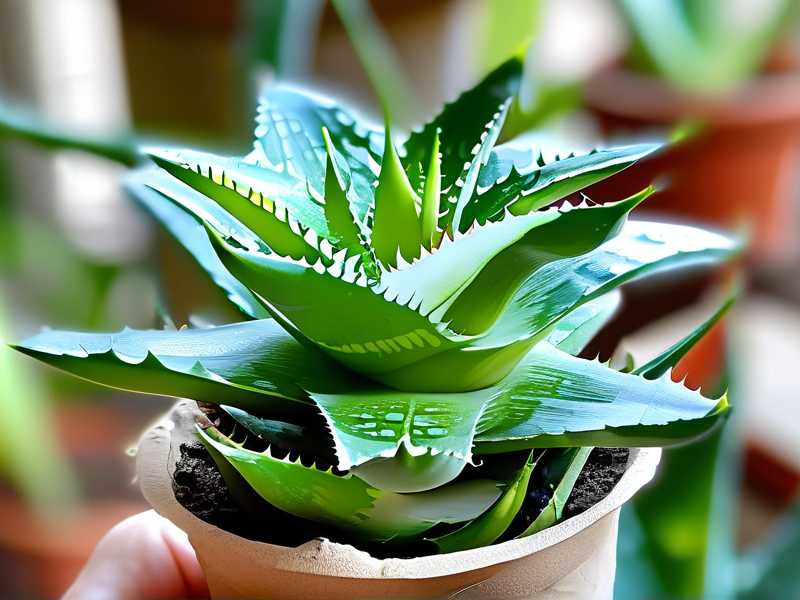
By Day 10, the visible bugs were almost entirely gone. The occasional scout would appear, but was quickly dispatched. By Day 14, after four treatment cycles, I could not find a single live mealybug or new cottony mass. The aloe itself showed signs of recovery. The previously infested leaves had stopped deteriorating, and the plant’s overall color looked healthier and more robust. The new growth from the center was clean and bug-free. The battle was won.
Key Lessons from My 2-Week Fight
- Inspect the Roots Immediately. Don’t make my mistake. At the first sign of a mealybug infestation, check the roots. It saves precious time.
- Isolation is Non-Negotiable. These pests spread with alarming ease.
- Persistence Over Power. Natural remedies often require repeated applications. The life cycle of the bug means eggs can hatch after your first attack. You must break the cycle.
- Neem Oil Needs Emulsifying. Neem oil separates from water easily. Always mix it with a small amount of soap (the emulsifier) in warm water first, then dilute, and shake the bottle constantly while spraying.
Frequently Asked Questions
Can I use vinegar to kill mealybugs on my aloe? I do not recommend vinegar sprays for aloe vera. Vinegar is acidic and can easily burn the delicate tissues of succulent leaves, causing permanent scarring or damage. Safer options like diluted isopropyl alcohol are just as effective without the high risk of harming your plant.
How often should I spray my aloe with neem oil for mealybugs? During an active infestation, spraying every 4-7 days for at least two weeks is crucial. For prevention, after the bugs are gone, a light monthly spray can help keep them at bay. Always spray in the evening or out of direct sunlight to prevent leaf burn.
Will mealybugs eventually kill my aloe vera plant? Yes, if left untreated. A severe infestation drains the plant’s sap, weakening it significantly, stunting growth, and causing leaf distortion and drop. The honeydew they excrete also leads to sooty mold, which blocks sunlight from the leaves. Early intervention is key to saving your plant.
Winning the war against aloe vera mealybugs naturally is entirely possible. It demands vigilance, a willingness to get your hands dirty, and the patience to follow through for multiple weeks. The process taught me more about the resilience of plants and the importance of holistic care. Today, my aloe is not just surviving; it’s thriving, putting out new pups as a sign of its full recovery. By combining physical removal, targeted natural sprays, and correcting the plant’s environment, you can reclaim your healthy, pest-free aloe vera.