bluename
 How to Grow Aloe Vera in Small Spaces: A Complete Guide for Urban Gardeners
Do you dream of having your own supply of soothing aloe vera gel but think your tiny apartment, cramped balcony, or limited windowsill makes it impossible? You're not alone. The desire for fresh, homegrown remedies and greenery often clashes with the reality of compact urban living. Many believe that growing plants like aloe vera requires a sprawling garden or significant space. The good news? This resilient succulent is one of the best plants for small-space gardening. With the right approach, you can successfully cultivate a thriving aloe vera plant almost anywhere, turning even the smallest nook into a source of natural beauty and first-aid. This guide will walk you through every step, from choosing the perfect pot to harvesting gel, specifically tailored for tight quarters.
Why Aloe Vera is the Perfect Small-Space Plant
Before we dive into the how, let's understand the why. Aloe vera's natural characteristics make it uniquely suited for confined environments. Native to arid regions, it has evolved to store water in its thick, fleshy leaves, meaning it requires infrequent watering—a boon for busy urban dwellers. Its growth habit is relatively compact and slow, especially when slightly pot-bound, preventing it from quickly outgrowing its designated spot. Furthermore, it's an incredibly adaptable and low-maintenance plant, thriving on neglect rather than constant attention. Beyond its practical growing needs, having an aloe plant within arm's reach provides immediate access to its well-documented cooling gel for minor burns, skin irritations, or DIY beauty treatments, adding both function and serene, architectural greenery to your home.
Essential Supplies for Your Compact Aloe Garden
Starting right is crucial, especially when space is at a premium. You don't need much, but choosing the correct essentials will set your plant up for long-term success.
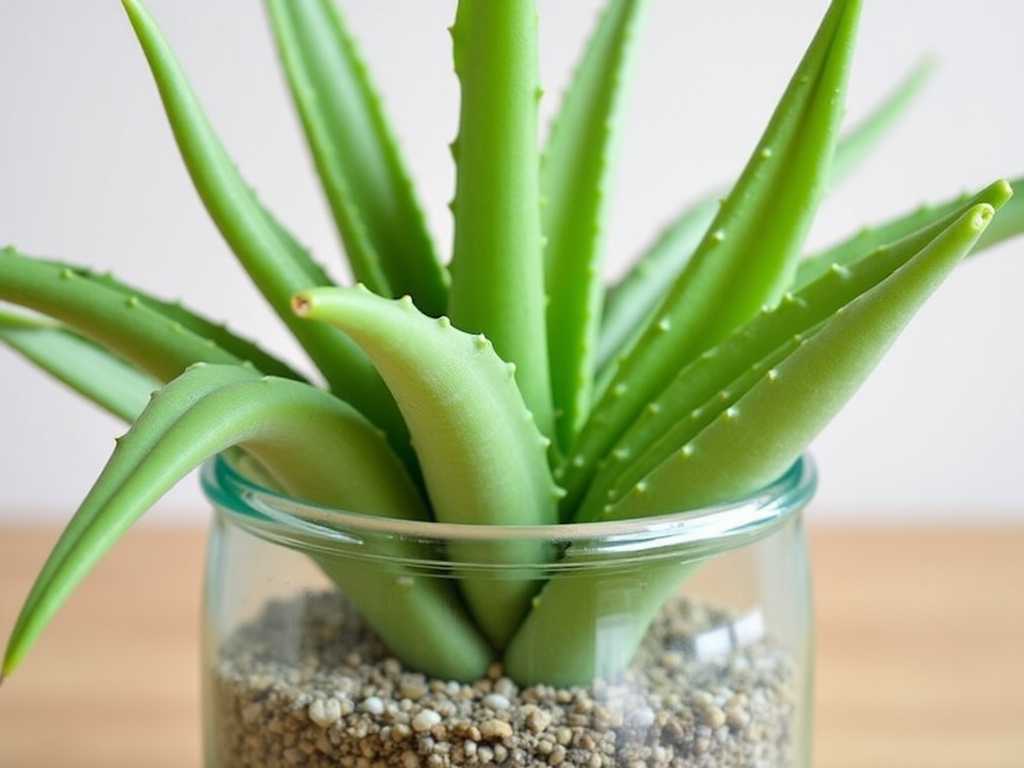
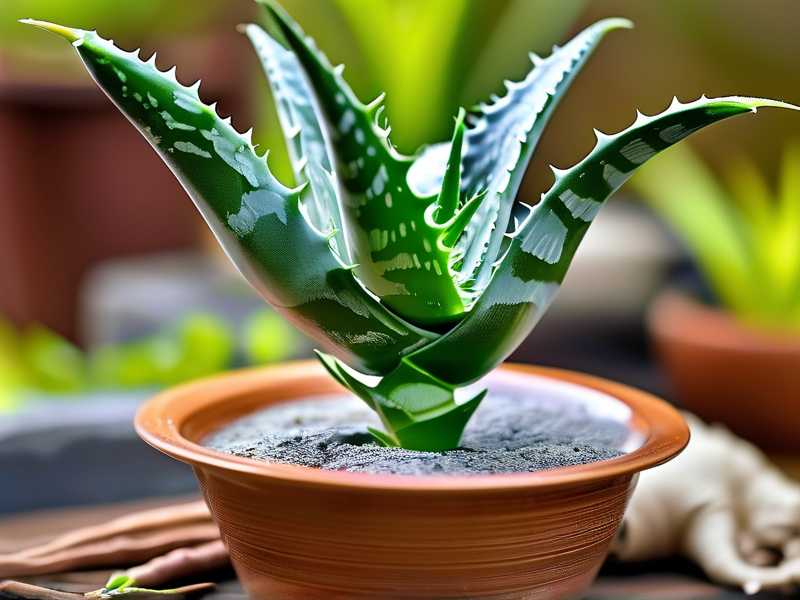
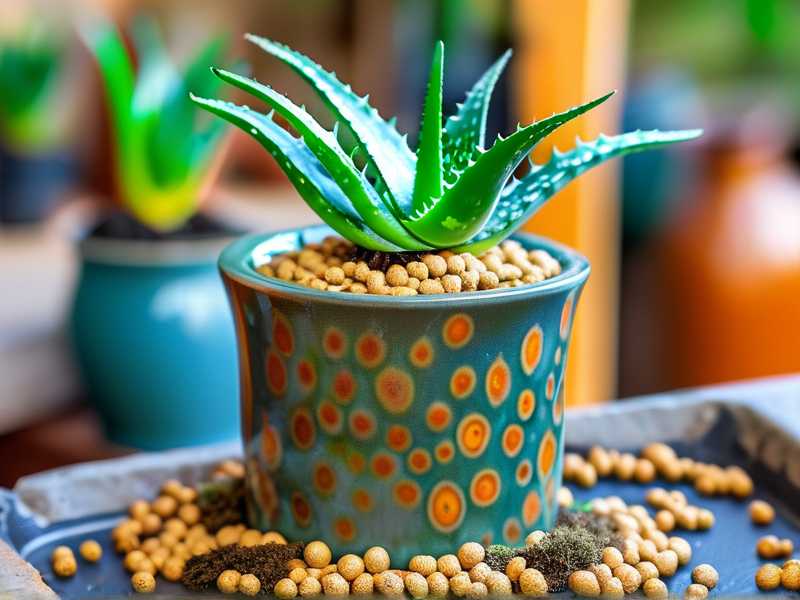
Choosing the Right Container: This is perhaps the most critical decision for growing aloe vera in small spaces. Opt for a pot that is wide and shallow rather than deep, as aloe roots grow horizontally. A container that is 1-2 inches wider than the plant's base is ideal. Terracotta or unglazed ceramic pots are superior to plastic for small-space aloe care because they are porous, allowing the soil to dry out more evenly and preventing root rot. Most importantly, ensure the pot has excellent drainage holes—this is non-negotiable.
Selecting the Ideal Soil Mix: Aloe vera demands fast-draining soil. A standard potting mix will hold too much moisture. Use a specialized cactus and succulent potting mix, or create your own by blending two parts regular potting soil with one part perlite or coarse sand. This gritty mixture mimics its natural habitat and ensures water flows through quickly, keeping the roots healthy in a confined pot.
Finding the Perfect Spot: Light Requirements: Aloe vera loves bright, indirect sunlight. In a small apartment, the best locations are typically a south- or west-facing windowsill. If you only have a north-facing window or a room with lower light, your plant will survive but may grow slowly and become leggy. For very dark spaces, consider a small LED grow light—a compact, energy-efficient solution that can provide the necessary light spectrum without taking up much room.
Step-by-Step: Planting and Potting Your Aloe
- Prepare the Pot: Place a small piece of broken pottery or a mesh screen over the drainage hole to prevent soil from washing out. Fill the bottom third of your chosen container with your pre-moistened cactus/succulent soil mix.
- Handle with Care: If you're transplanting a pup (baby plant) or a new aloe, gently loosen the roots. If the plant has any damaged or dead leaves, carefully remove them at the base.
- Position the Plant: Set the aloe vera in the center of the pot. The base of the plant and the top of the soil should be about ¾ to 1 inch below the rim of the pot.
- Fill and Settle: Add more soil mix around the roots, gently tamping it down to remove large air pockets. Ensure the plant is stable and upright.
- The Initial Watering (or Not): Here’s a key tip from expert succulent growers: wait 5-7 days before watering a newly potted aloe. This allows any minor root damage from repotting to callous over, drastically reducing the risk of rot. After this period, give it a thorough watering until water runs out the bottom.
Mastering the Art of Care in Limited Space
Caring for aloe in a small pot revolves around mimicking the drought-and-downpour cycle of the desert.
Watering Wisdom for Small Pots: The golden rule is "soak and dry." Always check the soil moisture before watering. Insert your finger about 2 inches into the soil. If it's completely dry, it's time to water. Water deeply and slowly until excess water drains freely from the holes. Then, let the soil dry out completely again. In winter, watering may only be needed once a month or less. Overwatering is the fastest way to kill an aloe plant, and small pots, while drying faster, can also become waterlogged if drainage is poor or watering is too frequent.
Feeding for Controlled Growth: Aloe vera is not a heavy feeder. Fertilizing once or twice during the spring and summer growing season is sufficient. Use a balanced, water-soluble fertilizer diluted to half-strength. Avoid feeding in fall and winter. This minimal feeding supports health without encouraging rapid growth that would require more space.
Pruning and Maintenance: Regular maintenance for your compact aloe vera plant is simple. Use clean, sharp scissors to trim away any brown, dried, or damaged leaf tips or whole leaves at the base. This keeps the plant looking tidy, prevents potential disease, and encourages energy to go into healthy new growth. Regularly wipe the leaves with a damp cloth to remove dust, which can block sunlight.
Creative Space-Saving Display Ideas
Growing aloe isn't just about function; it can enhance your decor. Here are ideas for aloe vera indoor gardening in tight spots:
- Vertical Gardens: Use a wall-mounted pocket planter or a small, tiered shelf unit on a balcony wall to grow multiple aloe plants vertically.
- Windowsill Collections: Dedicate a sunny windowsill as a "succulent station," grouping your aloe with other small succulents in coordinating pots.
- Hanging Possibilities: While aloe leaves can become heavy, younger plants or certain varieties can thrive in shallow, well-draining hanging planters, freeing up floor and shelf space.
- Multi-Plant Arrangements: Plant a single, handsome aloe as the "thriller" in a wide, shallow dish garden, surrounded by smaller "filler" succulents like echeveria or sedum.
How to Harvest Aloe Vera Gel Without Harming the Plant
One of the joys of growing aloe vera in small spaces is having fresh gel on demand. Harvest responsibly to keep your plant healthy.
- Always choose a mature, outer leaf that is thick and plump.
- Using a clean knife, cut the leaf as close to the main stem as possible at a slight angle.
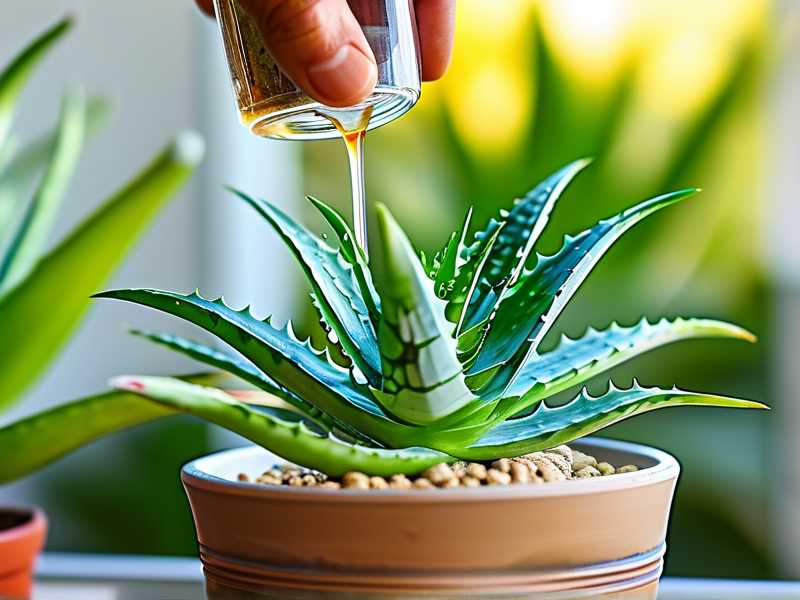
- Place the cut leaf upright in a glass or bowl for 10-15 minutes to let the yellow latex (aloin, a laxative) drain out.
- Rinse the leaf, lay it flat, and carefully slice off the serrated edges and the top layer of skin.
- Scoop out the clear, gelatinous flesh with a spoon. Store unused gel in an airtight container in the refrigerator for up to a week.
Troubleshooting Common Small-Space Issues
- Leggy or Drooping Plant: This is almost always a sign of insufficient light. Move your plant to a brighter location or introduce a supplemental grow light.
- Soft, Mushy Leaves (Root Rot): Caused by overwatering or poor drainage. Stop watering immediately. You may need to unpot the plant, remove any black, mushy roots with sterile tools, and repot it in fresh, dry soil. Hold off on watering for a week.
- Brown, Thin Leaves: Typically indicates underwatering or extreme heat stress. Give the plant a deep soak and ensure it's not in the direct path of a heating vent.
- The Plant is Outgrowing Its Pot: If the plant is spilling over the sides or has numerous pups filling the container, it's time to repotting aloe vera in containers. Choose a new pot only 1-2 inches wider. You can also divide the plant by carefully separating the pups (with roots attached) and potting them individually—a great way to share with friends!
Can I grow aloe vera in a bathroom with no window? Unfortunately, it's very challenging. Aloe vera requires significant bright, indirect light to thrive. A windowless bathroom will not provide enough light, leading to a weak, etiolated plant that will eventually die. Consider a low-light tolerant plant like a pothos or ZZ plant for such spaces instead.
How often should I water my small aloe plant on a kitchen windowsill? There is no fixed schedule. The frequency depends on temperature, humidity, and pot size. Always use the "finger test" – water only when the soil is completely dry 2 inches down. In a warm, sunny kitchen, this might be every 2-3 weeks in summer and every 4-6 weeks in winter.
My aloe plant has little "babies." What should I do with them? These "pups" are a sign of a happy, healthy plant. You have two great options for small-space aloe care: First, you can leave them attached to create a fuller, cluster-like appearance in the pot. Second, you can carefully remove them (ensuring they have some roots) and pot them in their own small containers to expand your collection or give as gifts.
Growing aloe vera in a limited area is not only possible but highly rewarding. By understanding its core needs—a snug pot with perfect drainage, gritty soil, bright light, and minimal water—you can cultivate a resilient and useful companion. This versatile plant proves that you don't need a backyard to connect with nature and enjoy the benefits of gardening. Start with one small pot, apply these focused principles, and you'll soon have a thriving piece of the desert in your own urban oasis, ready to soothe and beautify for years to come.