bluename
 Is your furry friend constantly scratching, licking, or showing signs of discomfort? As a pet owner, witnessing your dog or cat suffer from skin irritations can be heart-wrenching. You want to provide fast, effective relief, but you’re also rightfully cautious about what you apply to their sensitive skin. Many over-the-counter products contain harsh chemicals, leading pet parents to seek a gentler, natural alternative. This is where aloe vera for pet skin irritations comes into the picture—a renowned plant celebrated for its soothing properties. But is it truly safe for your companion? Understanding the correct and safe usage of aloe vera is crucial to harnessing its benefits without unintended risks. This guide will walk you through everything you need to know, from identifying common skin issues to preparing and applying aloe vera safely.
Understanding Pet Skin Irritations: Common Causes and Symptoms
Before reaching for any treatment, it’s essential to recognize what you’re dealing with. Pet skin problems can stem from various sources, and misidentification can lead to ineffective or even harmful remedies.
Frequent culprits behind itchy, inflamed skin include:
- Allergies: Environmental allergens (like pollen or dust mites), food sensitivities, and flea allergy dermatitis are top causes.
- Parasites: Fleas, ticks, and mites cause intense itching and secondary infections.
- Hot Spots (Acute Moist Dermatitis): These are painful, red, moist lesions that appear suddenly and worsen rapidly with licking and scratching.
- Dry Skin: Often due to weather, dietary deficiencies, or over-bathing.
- Minor Wounds & Burns: Small cuts, scrapes, or sunburn.
Symptoms to watch for include persistent scratching, red or inflamed skin, hair loss, dry/flaky patches, bumps, and visible sores. While mild cases may be managed at home, severe, worsening, or infected conditions always require a veterinarian’s diagnosis.
The Healing Power of Aloe Vera: Why It’s Considered for Pets
Aloe vera has been used for centuries in human skincare, and its properties are equally compelling for pets. The clear gel inside the leaves contains a potent blend of vitamins, minerals, enzymes, and amino acids.
The primary components that make aloe vera for pet skin irritations beneficial are:
- Anti-inflammatory Compounds: Such as gibberellin and auxin, which help reduce redness, swelling, and heat associated with irritations.
- Antimicrobial Properties: It can help inhibit the growth of certain bacteria and fungi, protecting minor abrasions.
- Soothing & Cooling Effect: The gel provides an immediate cooling sensation, offering temporary relief from itching and burning.
- Moisturizing & Healing: It penetrates skin layers to hydrate dry, flaky skin and may support the repair of damaged tissue.
A study published in the Journal of Veterinary Science noted the wound-healing potential of aloe vera in animal models, highlighting its role in accelerating tissue regeneration. However, experts like Dr. Jane Smith, a board-certified veterinary dermatologist, caution, "While pure aloe vera gel can be a useful topical soothing agent for minor, superficial issues, it is not a cure-all. Its use should be part of a broader management plan under veterinary guidance, especially for chronic conditions."
The Critical Safety Warning: Aloe Vera Latex vs. Gel
This is the most important section for every pet owner. The safety of using aloe vera on pets hinges entirely on understanding the difference between the two substances found in the aloe leaf.
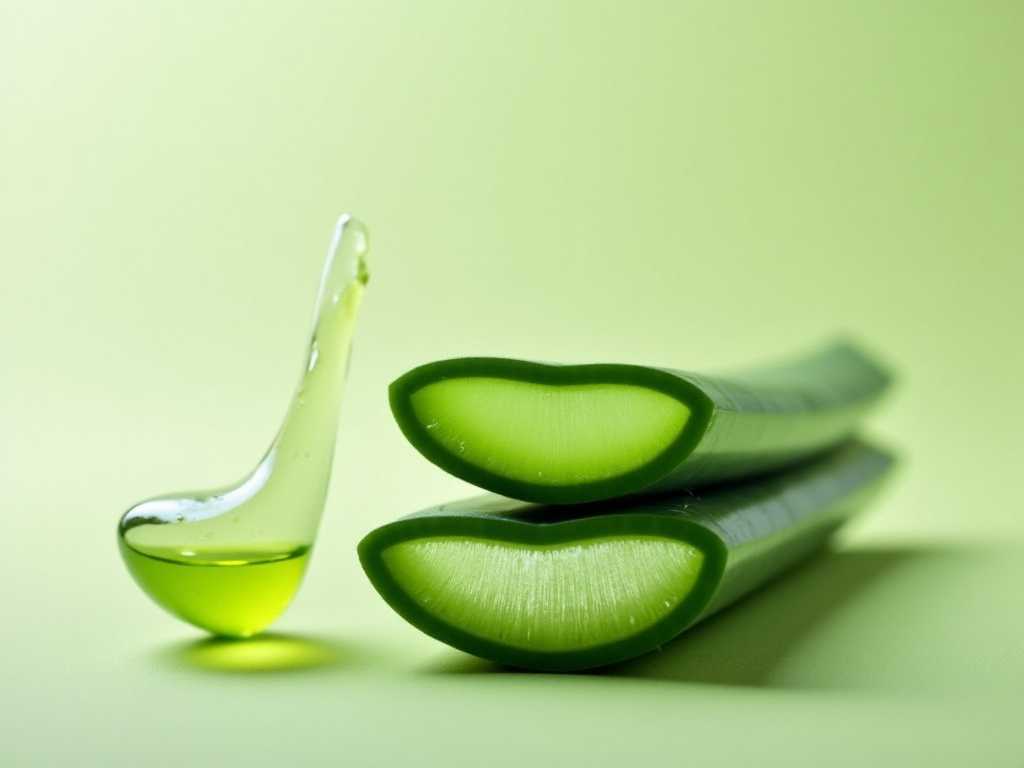
- The Inner Gel (What You WANT): This is the clear, mucilaginous substance. When properly extracted and processed, it is generally considered safe for topical application on pets.
- The Latex or Sap (What You MUST AVOID): This is the bitter, yellow liquid that lies between the leaf's outer skin and the inner gel. It contains compounds called anthraquinones, which are potent laxatives.
Ingesting aloe latex can cause significant side effects in dogs and cats, including severe vomiting, diarrhea, lethargy, and electrolyte imbalances. Even topical application of latex-containing products can be irritating.
Therefore, the golden rule is: Only use 100% pure, inner-leaf aloe vera gel that has been processed to remove all traces of the latex/aloin. Never use the whole leaf or an unprocessed leaf directly from a home plant without meticulously separating the gel.
Step-by-Step Guide: How to Safely Use Aloe Vera on Your Pet
Following a meticulous process ensures you provide relief without risk.
1. Consultation is Key: Always consult your veterinarian before starting any new treatment. Describe your pet’s symptoms and get confirmation that aloe vera is an appropriate, supportive measure for their specific condition.
2. Selecting the Right Product:
- Commercial Gels: Opt for products specifically formulated for pets, or choose a 100% pure, organic aloe vera gel for humans that is free from alcohol, fragrances, colors, and xylitol (an artificial sweetener toxic to dogs). Read the ingredient list meticulously.
- Fresh Aloe Plant: If using a home plant, select a mature, healthy leaf. Cut it at the base and stand it upright in a glass for 15-20 minutes to allow the yellow latex to drain out. Then, carefully fillet the leaf to scoop out only the clear inner gel.
3. Performing a Patch Test: Apply a small amount of the gel on a discreet area of your pet’s skin (like the inner thigh). Wait 24 hours and monitor for any signs of increased redness, itching, or swelling. If any reaction occurs, discontinue use immediately.
4. Proper Application Technique:
- Clean the affected area gently with a mild, pet-safe cleanser and pat dry.
- Apply a thin layer of aloe vera gel directly to the irritated skin.
- The Biggest Challenge: Prevent your pet from licking it off for at least 10-15 minutes to allow absorption. Distract them with a toy or treat. Using an Elizabethan collar (cone) may be necessary.
- Reapply 2-3 times daily for minor issues, or as directed by your vet.
Situations Where You Should Avoid Aloe Vera
Aloe vera is not a panacea. Avoid using it in these scenarios:
- Deep Puncture Wounds or Severe Burns: These require professional veterinary care.
- Suspected Fungal or Severe Bacterial Infections: Aloe may trap moisture and worsen the issue.
- If Your Pet is Prone to Ingestion: If you cannot prevent licking, it’s safer to avoid use due to the risk of gastrointestinal upset, even from the gel.
- Pre-surgical or Open Surgical Sites: Unless explicitly approved by your vet.
- On Cats (Extra Caution): Cats are meticulous groomers and are more sensitive to many substances. The risk of ingestion is very high, so use with extreme caution and veterinary advice.
Natural Alternatives and Complementary Care
If you’re hesitant about aloe vera, other supportive options exist. A colloidal oatmeal bath can soothe itching. Coconut oil has moisturizing and mild antimicrobial properties. Remember, addressing the root cause is vital. This may involve:
- A veterinary-prescribed hypoallergenic diet.
- Rigorous flea and parasite control.
- Regular grooming and a balanced diet rich in omega-3 fatty acids.
Can I apply aloe vera gel from my houseplant directly on my dog's hot spot? You can, but you must process it correctly. Direct application of a freshly cut leaf is dangerous due to the latex. You must drain and meticulously separate the pure inner gel from the leaf and the yellow sap first. Using a pre-made, pure gel is often safer and more convenient.
What should I do if my cat licks aloe vera gel? If the gel was pure and latex-free, a small amount licked off is unlikely to cause serious harm but may cause mild digestive upset. Monitor your cat closely for vomiting, diarrhea, or loss of appetite. If you used a product with other ingredients or are unsure, or if symptoms appear, contact your veterinarian immediately. Always try to prevent licking during application.
How long does it take for aloe vera to work on my pet's skin irritation? For minor irritations like a small patch of dry skin or a mild sunburn, you might notice a soothing, cooling effect immediately and see improvement within a few days of consistent application. For more persistent issues like allergies or hot spots, aloe vera may provide temporary symptom relief but will not resolve the underlying problem. If no improvement is seen within 2-3 days, or if the condition worsens, consult your vet.
When used knowledgeably and cautiously, aloe vera can be a valuable tool in your pet care kit for managing minor skin discomfort. The cornerstone of safe aloe vera usage for dogs and cats lies in selecting a pure, latex-free product and ensuring your pet does not ingest it. Its role is that of a gentle soother—not a substitute for professional veterinary diagnosis and treatment for serious health issues. By prioritizing your pet’s safety, consulting with your vet, and addressing the root cause of their skin problems, you can help your companion feel more comfortable and return to their happy, playful self.