bluename
 Aloe Vera Pups Not Rooting? Your Complete Troubleshooting Guide
You’ve carefully separated those promising little aloe vera pups from the mother plant, full of hope for new growth. But weeks have passed, and instead of thriving, they sit in the soil, looking limp, discolored, or simply refusing to put down roots. The frustration is real. Why won’t my aloe vera pups root? This common issue can stem from several easily overlooked factors during the propagation process.
Don’t worry. This guide will walk you through every potential cause and solution, transforming you from a puzzled plant parent into a confident aloe propagator. We’ll cover everything from the critical preparation steps to the ideal aftercare, ensuring your next batch of pups grows into robust, independent plants.
Understanding the Aloe Vera Propagation Process
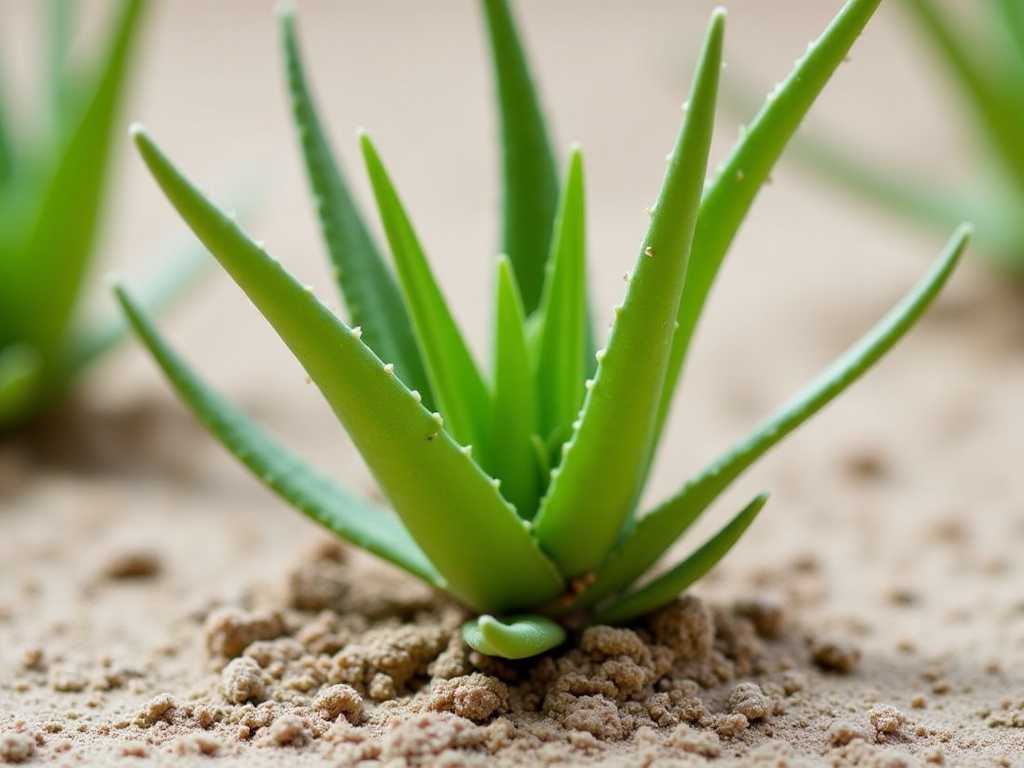
Before diving into fixes, it’s helpful to know what’s supposed to happen. Aloe vera pups, also called offsets, are clones of the mother plant. They already have a rudimentary root system. Successful propagation involves encouraging these existing root initials to develop further and establish themselves in a new medium. The goal is to replicate the stable, slightly dry conditions aloe thrives in, minimizing stress and rot risk. A study in the Journal of Applied Horticulture emphasizes that succulents like aloe require a well-draining substrate and a controlled watering regime post-separation to avoid fungal diseases that halt root growth.
Primary Reasons Your Aloe Pups Are Not Rooting
Diagnosing the problem is the first step. Here are the most common culprits behind rooting failure.
The Separation Was Too Premature or Damaging
A pup that is removed too early lacks the energy reserves to sustain itself. If it was torn away violently or cut improperly, the wound site may be too large or ragged to callus effectively, leaving it vulnerable to pathogens.
Signs: The pup feels very small, overly soft, or has a mushy, torn base.
The Fix: Always wait until pups are at least one-third the size of the mother plant and have developed their own small roots. Use a clean, sharp knife to make a precise cut, minimizing damage.
Insufficient Callusing Time Before Planting
This is arguably the number one mistake. Planting a freshly cut aloe pup is an invitation for rot. The moist soil comes into direct contact with the open wound, causing it to decay instead of form roots.
Signs: The base of the pup turns brown, black, or mushy shortly after planting.
The Fix: After separation, place the pup in a dry, shaded, airy spot for 7 to 14 days. Allow the cut end to form a hard, dry callus. This seal is its primary defense.
Using the Wrong Potting Mix
Regular potting soil retains too much moisture, suffocating the pup’s base. Aloe vera requires a gritty, fast-draining environment.
Signs: Soil stays wet for days, pup base shows rot, or the pup seems to shrink and wither.
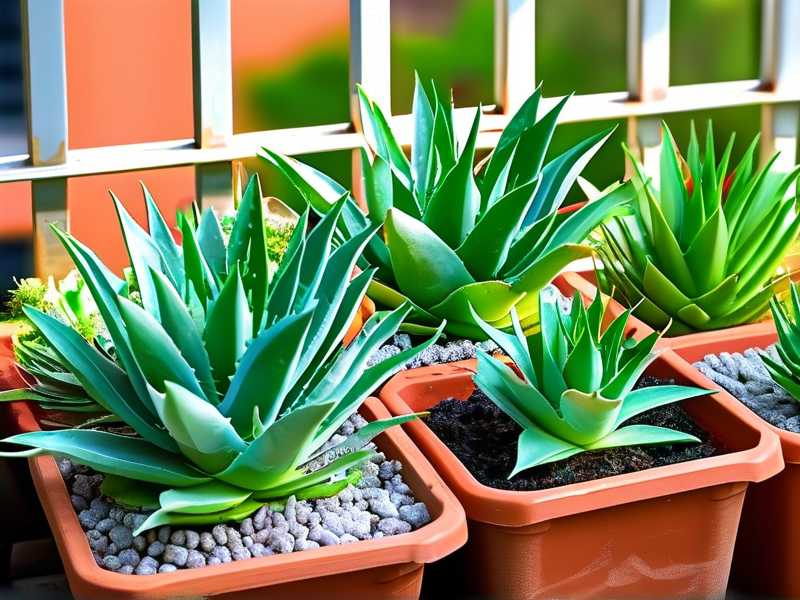
The Fix: Use a dedicated cactus and succulent mix. For even better drainage, create your own blend by mixing 50% potting soil with 50% perlite, coarse sand, or pumice.
Overwatering During the Rooting Phase
The instinct to “water it to help it grow” is fatal for aloe pups. Without roots, they cannot absorb water, which simply sits around them, promoting rot.
Signs: Constantly damp soil, yellowing or translucent leaves, a soft base.
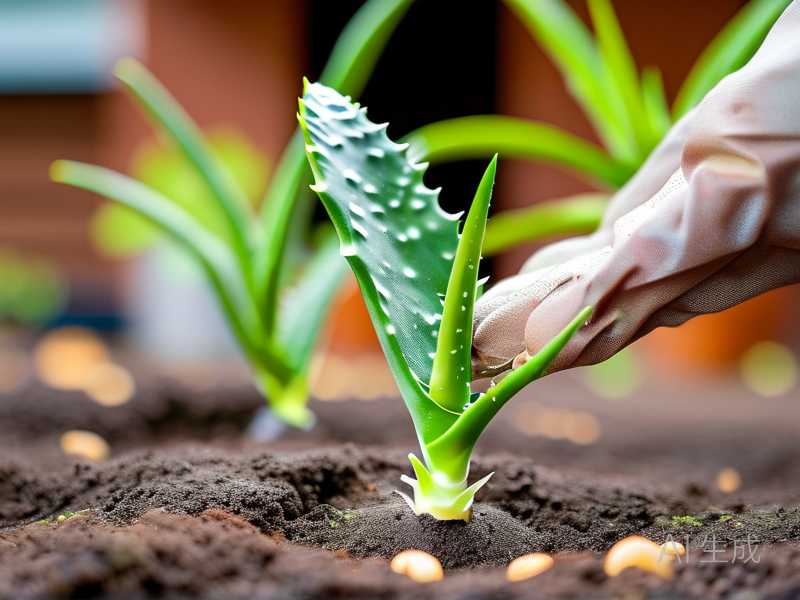
The Fix: After planting the callused pup, give the soil a very light sprinkle to settle it. Then, wait. Do not water again until you feel slight resistance when giving the pup a gentle tug, indicating root formation. This can take 3-6 weeks.
Insufficient or Harsh Light
While established aloe loves sun, a rooting pup is under stress. Direct, intense sunlight can scorch it or cause excessive water loss before roots can replenish it.
Signs: The pup turns brown, red, or bleached-white. It may look dehydrated or sunburned.
The Fix: Provide bright, indirect light. A spot near an east-facing window or a few feet back from a south-facing window is perfect. Once rooted and growing, you can gradually introduce more direct light.
Step-by-Step Rescue Plan for Non-Rooting Aloe Pups
If your pup is already in trouble, follow this action plan.
Gently Unpot and Inspect: Carefully remove the pup from its soil. Brush away all medium and examine the base.
Assess for Rot: If the base is black, brown, and mushy, rot has set in. Using a sterilized knife, cut away all affected tissue until only firm, healthy green flesh remains. If the entire base is gone, you may be able to save the pup by re-starting from a leaf, though success rates are lower.
Re-Callus: Let the pup (or its salvaged top) dry and callus again for a full week.
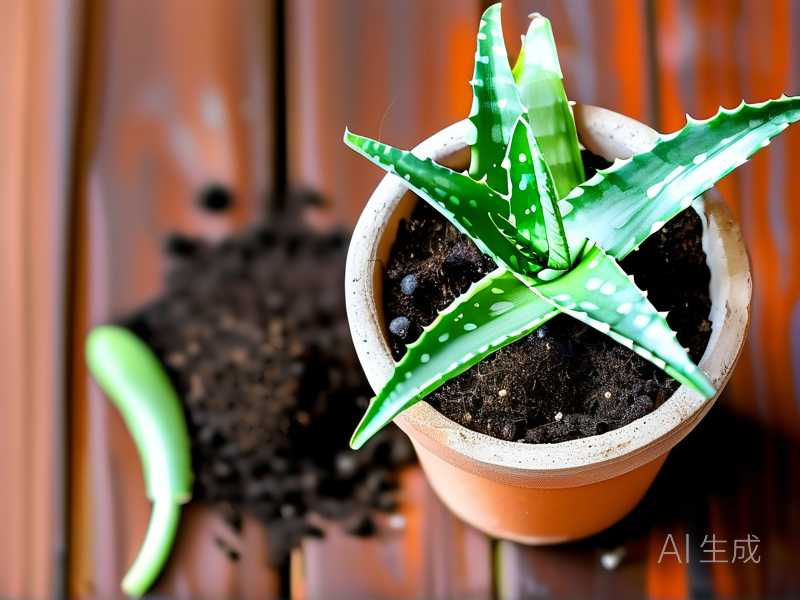
Reset with Correct Medium: Plant it in a small pot with excellent drainage, filled with fresh cactus/succulent mix. A pot only 1-2 inches wider than the pup is ideal.
Practice “Rooting Zone” Watering: Instead of soaking the soil, use a spray bottle to lightly moisten only the top inch of soil around the pup every 10-14 days. This encourages roots to seek out moisture without drowning the base.
Be Patient: Place it in bright, indirect light and wait. Resist the urge to over-handle or overwater. Aloe operates on its own timeline.
Optimizing Conditions for Future Success
Prevention is always better than cure. Here’s how to ensure a high success rate from the start.
Choose the Right Container: Always use pots with drainage holes. Terracotta pots are excellent as they wick away excess moisture.
Master the “Tug Test”: The only reliable way to check for roots is a gentle tug after 4 weeks. Slight resistance means roots are forming.
Hold Off on Fertilizer: Do not fertilize aloe pups. They have no need for it and it can burn any delicate new roots. Wait until the plant is well-established and has been actively growing for several months.
Expert Tips for Stubborn Cases
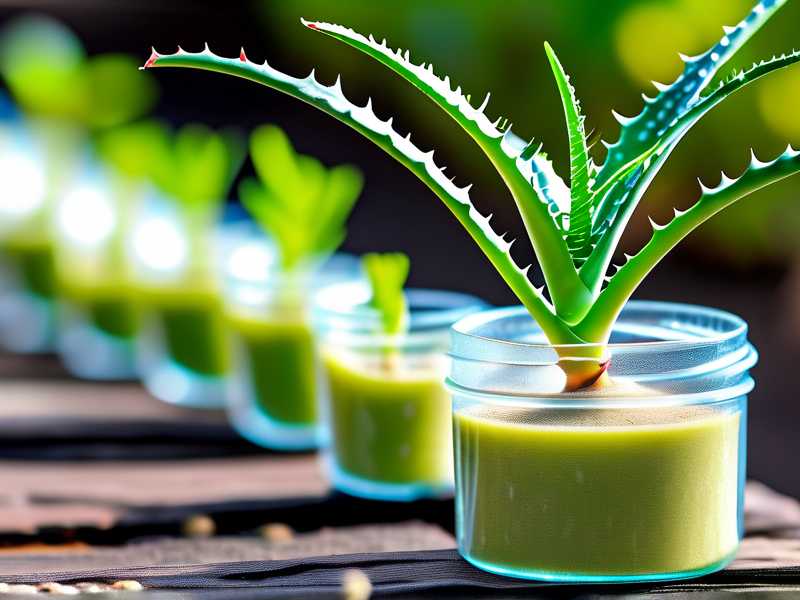
For pups that seem particularly reluctant, horticulturists suggest a couple of advanced techniques. Some growers use a rooting hormone powder designed for succulents on the callused end before planting. This can stimulate root cell growth. Others swear by the “water suspension” method: suspuring the pup over a jar of water so the base is near but not touching the water. The humidity can encourage root growth without rot risk, after which it’s transferred to soil.
How long does it typically take for aloe vera pups to root?Under ideal conditions, you can expect to see signs of rooting in 3 to 6 weeks. Some varieties or larger pups may root faster, while smaller ones or those in sub-optimal conditions can take 8 weeks or more. Patience is key.
Can I root an aloe pup directly in water?It is not recommended. While you might see some root growth, aloe vera roots adapted to water are fragile and often struggle to transition to soil, leading to shock or rot. The soil-based method is far more reliable and mimics the plant’s natural growth cycle.
My pup isn’t rotting, but it’s not growing either. What’s wrong?It’s likely in a dormant “waiting” phase. Double-check that it has adequate bright, indirect light and is kept in a warm environment (above 60°F or 15°C). Ensure you’re not watering it too frequently. As long as it’s not shriveling or rotting, give it more time. Growth often happens in spurts once roots are established.
Successfully propagating aloe vera is a rewarding skill that expands your plant collection for free. The journey hinges on understanding that these succulents demand a period of dry neglect after separation. By ensuring a proper callus, using a gritty soil mix, withholding water until roots form, and providing gentle light, you eliminate the major barriers to growth. Remember, the pup is living off stored water and energy; your role is not to force growth but to provide the stable, dry foundation it needs to initiate roots on its own. Apply these troubleshooting tips, and you’ll soon see those once-stubborn pups transform into vigorous, rooted plants ready for a long life in your care.