bluename
 Aloe Vera and Spiders: Natural Repellent Tips from a Plant Enthusiast’s Diary
I’ve always loved sharing my home with greenery, but I draw the line at eight-legged roommates. Like many, I was desperate for a way to keep spiders at bay without resorting to harsh chemicals. That’s when I stumbled upon the idea of using aloe vera for spiders as a natural repellent. Skeptical but hopeful, I decided to put this theory to the test in my own home. What followed was a two-week experiment filled with careful observation, a few unexpected pitfalls, and ultimately, some genuinely useful insights for any fellow plant lover seeking a gentler solution.
Why Even Consider Aloe Vera as a Spider Repellent?
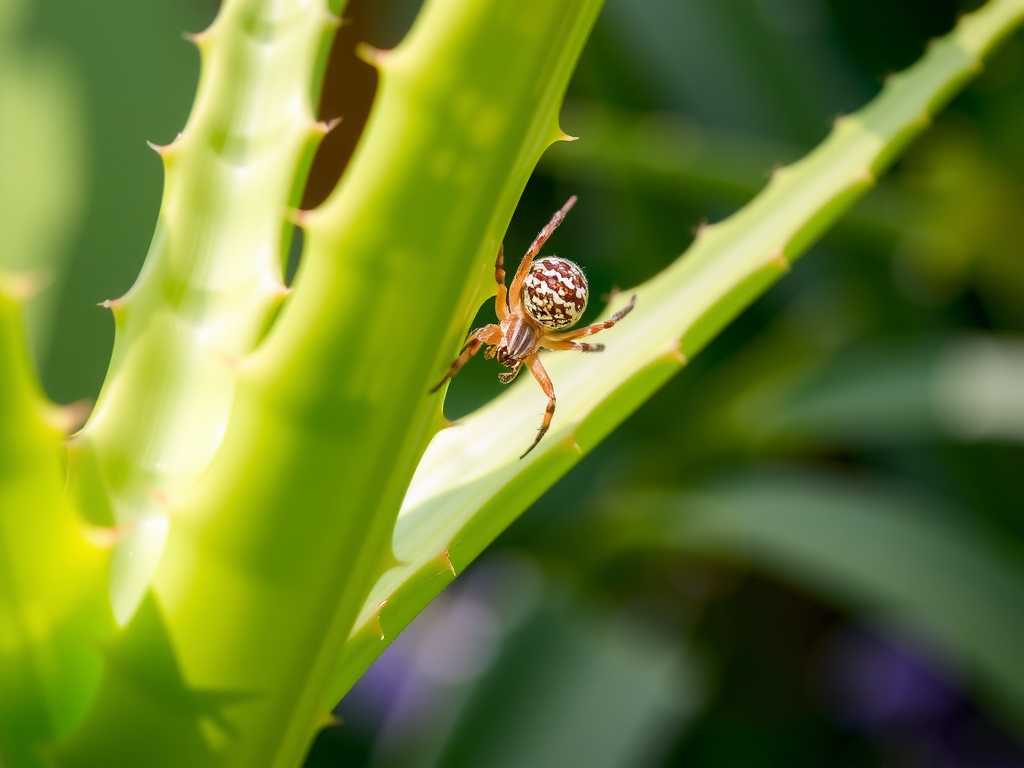
Before diving into my process, I needed to understand the “why.” Spiders are sensitive to strong smells and certain textures. While aloe vera gel itself is famed for its soothing properties, the plant’s leaves contain compounds like saponins and anthraquinones. Some gardening circles and anecdotal reports suggest these substances can create an environment spiders find unpleasant. Importantly, I consulted resources from the National Pesticide Information Center (NPIC) to ground my approach in safety, confirming that using a whole plant like aloe poses minimal risk compared to synthetic pesticides. My goal wasn’t to harm spiders—ecosystem allies that they are—but to gently encourage them to set up shop elsewhere.
My Two-Week Experiment: A Step-by-Step Journey
I designated my sunroom, a common spider entry point, as the testing ground. Here’s exactly what I did.
Week 1: Preparation and Initial Application
I started with two mature aloe vera plants from my collection. The key was using the inner leaf gel, not just the whole plant.
-
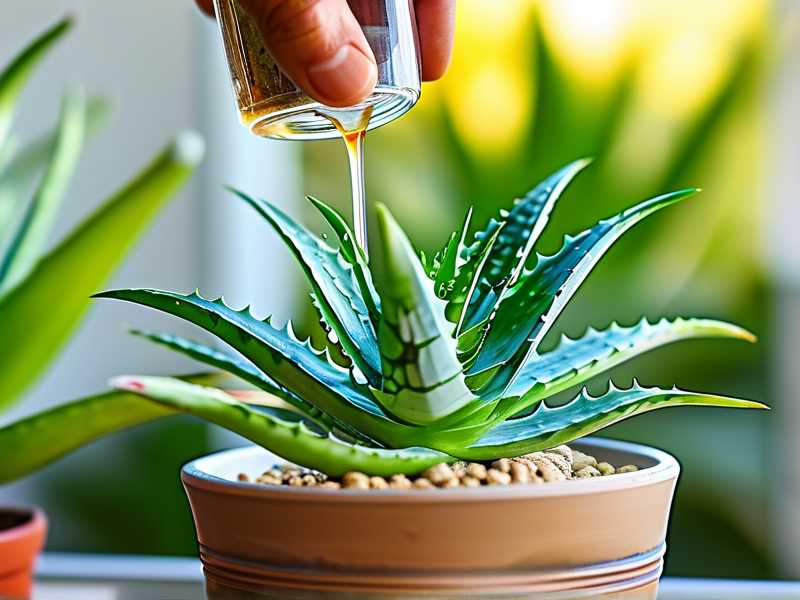
Step 1: Harvesting and Processing the Gel. I carefully cut a few lower leaves from each plant, rinsed them, and filleted them to scoop out the clear gel. I avoided the yellow latex near the rind, as it can be a skin irritant. I blended about one cup of pure gel with two cups of water in a spray bottle. This created my primary aloe vera spider repellent spray.
-
Step 2: Strategic Application. I didn’t spray wildly. Following advice from entomology forums, I focused on known spider highways: window sills, door frames, baseboards, and corners where walls meet ceilings. I lightly misted these areas, ensuring a thin, non-dripping film. I also placed small, open containers of fresh aloe gel near potential entry points like the sliding door track.
-
Step 3: The First Observations (Days 1-3). Initially, I saw no dramatic change. A small cobweb in the corner remained occupied. The first pitfall emerged: my aloe mixture, being organic, began to dry and leave a slightly sticky residue on one windowsill. It wasn’t damaging, but it attracted a bit of dust.
-
The First Fix: Adjusting the Formula. To solve the residue issue, I added a teaspoon of white vinegar to my next batch. Vinegar is a known cleaning agent and mild repellent itself, and it helped the solution dry clearer and less tacky. I wiped the first application area with a damp cloth and reapplied the new formula.
Week 2: Consistency and Noting the Effects
I maintained a routine of applying the spray every other day. Consistency is crucial, as natural remedies don’t create a long-lasting chemical barrier.
-
Observations (Days 7-14). By the middle of the second week, I started noticing subtle shifts. The existing cobweb in the corner was abandoned. More tellingly, I stopped seeing new web construction in the treated zones. Previously, I’d often find new, delicate webs by the windows each morning. This activity ceased. However, I did spot a single spider moving across the untreated floor in the room’s center—the repellent effect seemed localized to the applied surfaces.
-
The Second Pitfall: Over-application and Plant Health. In my zeal, I had over-harvested leaves from one aloe plant, stressing it. A couple of the remaining cut stems looked unhealthy.
-
The Second Fix: Sustainable Harvesting. I learned to rotate which plant I harvested from and never took more than 2-3 leaves per plant per month. For a more sustainable supply, I researched and found that a diluted, store-bought pure aloe vera juice (with no additives) could be used as a backup in the spray mix, ensuring I didn’t harm my beloved plants.
What My Experiment Truly Revealed
After two weeks, I can confidently say that using aloe vera to deter spiders showed a measurable, though not absolute, effect. It did not kill or repel every spider instantly like a potent insecticide might. Instead, it functioned as a gentle deterrent. Treated areas became less attractive for web-building and habitation. For those seeking a non-toxic, pet-friendly method to reduce spider activity around specific points of entry, this aloe vera method holds merit. It aligns with an integrated pest management (IPM) approach, using a low-impact tool first.
Enhancing the Aloe Vera Approach
Based on my experience, I wouldn’t rely on aloe alone for a major infestation. But for maintenance and prevention, it works well when combined with other natural strategies I employed:
- Essential Oil Boost: Adding 10-15 drops of peppermint or tea tree oil to my aloe spray bottle seemed to enhance the repellent effect, as these scents are widely noted to be disliked by spiders.
- The Importance of Cleanliness: The aloe treatment worked best alongside my regular habit of vacuuming corners and removing existing webs. It’s about making the area inhospitable, not just spraying and forgetting.
Your Questions, Answered
Is the smell of aloe vera what repels spiders? It’s likely a combination. The scent of pure aloe, especially when combined with vinegar or essential oils, can be a factor. However, the texture of the dried gel film on surfaces might also interfere with their ability to traverse or anchor webs, making the location less desirable.
Can I just put potted aloe vera plants around my house to keep spiders away? Simply having the plants did little in my test. The spiders in my sunroom coexisted with the potted aloes until I actively processed and applied the gel to specific surfaces. The plant itself acts more as a ingredient source than a passive repellent.
How often do I need to reapply the aloe vera spray? For it to remain effective, reapplication is key. In low-traffic, dry areas, every 3-4 days might suffice. In areas with more airflow or near doors/windows, I found applying every other day, as I did, maintained the deterrent effect best. It becomes a simple part of your cleaning routine.
My journey into using aloe vera as a natural spider deterrent was enlightening. It’s not a magic bullet, but a practical, safe component of a natural home care strategy. It requires a bit more effort than buying a chemical spray, but the peace of mind from using a non-toxic solution is worth it. If you’re patient, observant, and willing to tailor the approach to your home, this method can help you enjoy your green space with fewer unwanted guests. Remember, the goal is harmonious coexistence, and with a little help from a humble aloe plant, it’s an achievable one.