bluename
 Aloe Vera for Eczema in Children: A Parent's Gentle Care Journey
As a lifelong plant enthusiast and a parent, few things are as heart-wrenching as watching your child struggle with the relentless itch and discomfort of eczema. The search for a gentle, effective remedy led me back to my own shelves, lined with various succulents, and to the star of my collection: the aloe vera plant. I had long used its gel for minor kitchen burns, but could this soothing plant truly offer relief for my child's sensitive, inflamed skin? This question launched a focused, two-week experiment using pure aloe vera for eczema in children, documenting every step, observation, and lesson learned.
Why I Trusted Aloe Vera From the Start
Before applying anything to my child's skin, I dove into the research. The appeal of aloe vera lies in its complex biochemistry. It's rich in polysaccharides, which help with moisture retention and skin repair, and contains compounds like glucomannan which are known for their anti-inflammatory properties. Organizations like the National Eczema Association acknowledge its potential as a soothing, complementary therapy for dry skin conditions. For a parent seeking gentle eczema care for kids, this natural profile was incredibly promising. It wasn't about replacing prescribed treatments, but about finding a supportive, nurturing ally in our daily skincare routine.
My Step-by-Step Process: From Leaf to Skin
My approach was methodical, prioritizing purity and safety above all.
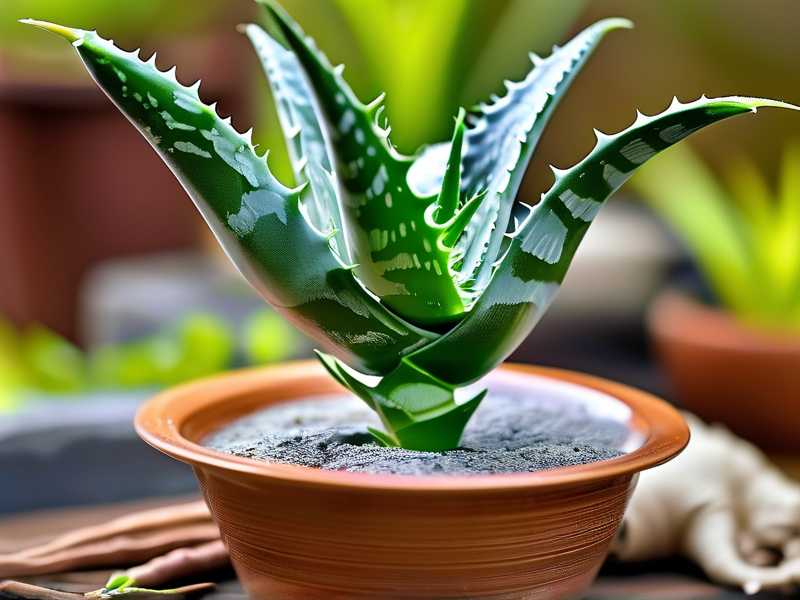
- Selecting and Harvesting: I used a mature, organic aloe vera plant I've grown for over three years. I chose a thick, healthy outer leaf, cutting it cleanly at the base with a sterile knife.
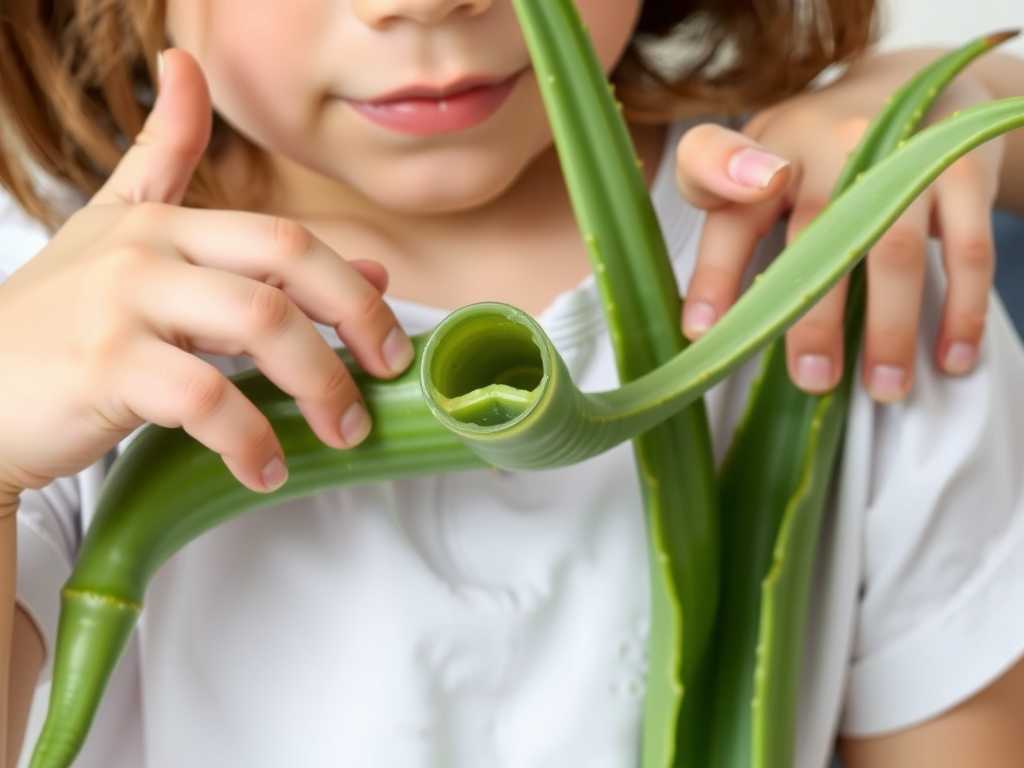
- Preparing the Pure Gel: This is where many go wrong. I laid the leaf flat on a cutting board and carefully filleted it, removing the green rind entirely. The rind contains latex (aloin), which can be a skin irritant, especially for sensitive eczema skin. I then rinsed the clear inner fillet under cold water to wash away any residual latex. I scooped the gel into a clean glass bowl—no blenders, as they can oxidize and degrade the active compounds.
- The Patch Test is Non-Negotiable: However excited I was, I started with a patch test. I applied a small dab of the fresh gel on a clear patch of skin on my child's forearm, covered it loosely, and waited 24 hours. No redness or reaction meant we were clear to proceed.
- Application Routine: After my child's evening bath (using lukewarm water and a fragrance-free cleanser), I would gently pat the skin until slightly damp. Using my fingers, I applied a thin layer of the fresh aloe vera gel directly onto the eczema patches. I massaged it in with gentle, circular motions until absorbed. We did this twice daily, morning and night.
The Two-Week Observation: Ups, Downs, and Clear Results
The journey wasn't a straight line of improvement, but the overall trend was positive.
- Days 1-3 (The Soothing Phase): The immediate effect was noticeable. My child reported the gel felt "cool" and "good" on the itchy patches. The intense redness seemed to calm slightly within minutes of application. This initial soothing effect was a huge win for managing itchy eczema in children naturally.
- Days 4-7 (The Drying Concern): Here, I hit my first major "坑" or pitfall. Around day four, I noticed some of the drier, scaly patches seemed to become even more papery. I realized that while aloe is hydrating, its astringent properties can, for some skin types, feel drying if used alone. This is a rarely discussed but crucial point in using aloe vera for childhood eczema.
- The Fix – Layering: My solution was to modify the routine. I started applying a thin layer of a pure, fragrance-free moisturizer (an ointment-based one) over the aloe gel once it had fully absorbed. This locked in the soothing and anti-inflammatory benefits of the aloe while creating a superior moisture barrier. The combination was perfect.
- Days 8-14 (The Healing Turn): With the layering technique, progress resumed. The inflammation continued to subside. The skin on the smaller patches began to look more normalized, and the frequency of intense scratching episodes decreased noticeably. The skin's texture improved from being rough and scaly to smoother and more pliable. It wasn't a "cure," but it was a significant, gentle management tool.
Essential Tips and Lessons from My Trial
My experience taught me more than any generic article could.
- Fresh is Best, But Be Careful: While I advocate for fresh gel, its potency varies. For consistency, a high-quality, commercially prepared pure aloe vera gel (99% or 100%, with minimal ingredients) is a valid and sometimes more practical option. Always check for additives like alcohol, fragrance, or colorants, which are counterproductive for eczema.
- It's a Team Player: Aloe vera worked best for us as part of a holistic regimen. This included short baths, immediate moisturizing (the "soak and seal" method supported by the American Academy of Dermatology), identifying and avoiding trigger foods, and using cotton clothing. It complemented our medical plan; it didn't replace it.
- Manage Expectations: Aloe vera is a superb symptom manager—it soothes itch, reduces redness, and supports skin hydration. View it as a reliable part of daily care, not a magic bullet.
Addressing Your Top Questions
Can I apply aloe vera if my child's eczema is weeping or infected? Absolutely not. Aloe vera is for managing mild, dry, inflamed patches. If the skin is weeping, crusting, or shows signs of infection (yellow pus, increased warmth), it's crucial to see a pediatrician or dermatologist. Applying anything to broken skin can worsen the situation.
How does aloe vera compare to steroid creams? They serve different purposes. Topical steroids are potent anti-inflammatory medications used to actively quell severe flares under medical guidance. Aloe vera is a gentle, natural anti-inflammatory best for daily maintenance, mild flares, and providing soothing relief alongside a medical plan. Think of steroids as the fire department for a major blaze, and aloe vera as the ongoing maintenance to keep the building's fire hazards in check.
My child's skin stings after application. What does this mean? This could mean two things. First, you may not have rinsed all the latex (aloin) from the rind off the gel. Second, and more likely, even pure aloe can cause a stinging sensation on severely compromised, cracked skin. Discontinue use if stinging persists. You might try a different brand of purified gel or focus on healing the skin barrier with a simple emollient first before reintroducing aloe later.
Watching my child find relief through something as simple and natural as a leaf from my own plant was profoundly rewarding. The journey with aloe vera for eczema in children taught me patience, observation, and the importance of adapting a remedy to fit individual needs. It underscored that gentle care often means combining wisdom—from both traditional plant knowledge and modern dermatology—into a routine that soothes not just the skin, but the frustration that comes with it. For parents navigating the challenging waters of eczema care, this humble plant offers a genuinely gentle, effective tool worth exploring.