bluename
 Aloe Vera and Ladybugs: A Natural Alliance for a Thriving Garden
Tired of watching your precious plants fall victim to aphids, mites, and other sap-sucking pests? You’ve likely tried chemical sprays, only to worry about their impact on your health, your pets, and the beneficial life in your soil. What if there was a way to harness nature’s own pest control system, creating a garden that is both lush and self-regulating? The secret lies in a powerful, natural partnership. This guide explores the fascinating synergy between Aloe Vera and Ladybugs, showing you how to use this common succulent to attract these beneficial insects and build a resilient, organic garden ecosystem.
Why Ladybugs Are a Gardener’s Best Friend
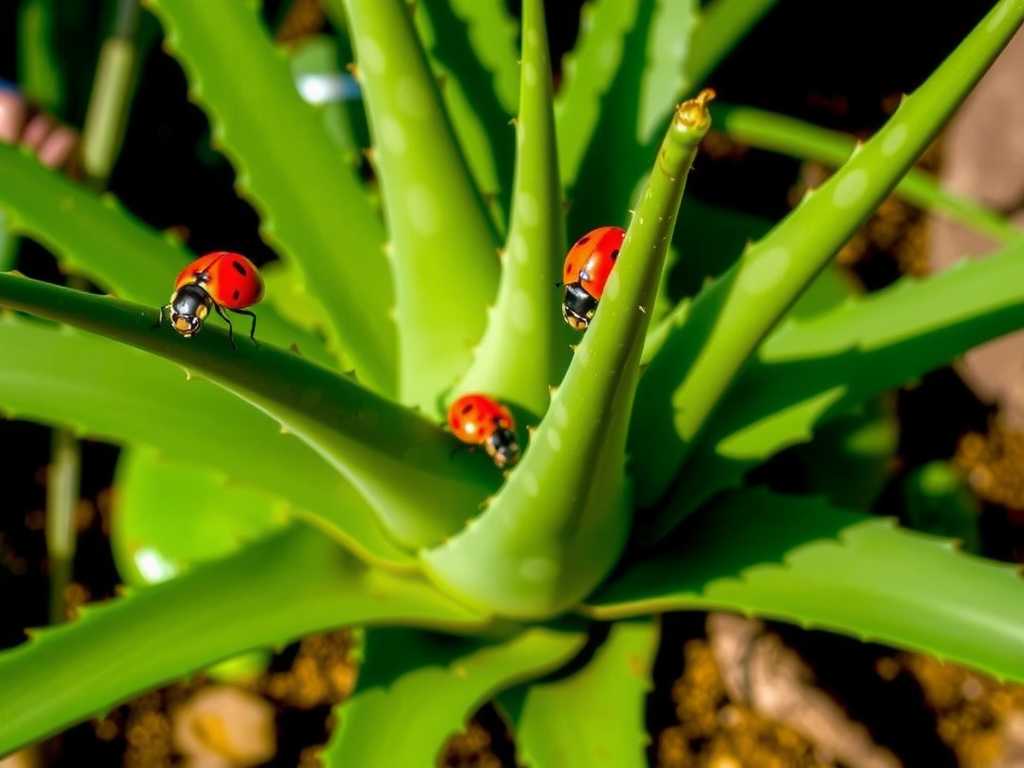
Before we delve into the role of aloe vera, it’s crucial to understand why ladybugs (or ladybird beetles) are such invaluable allies. They are not just charming red beetles; they are voracious predators in both their larval and adult stages. A single ladybug larva can consume up to 50 aphids per day. By inviting a stable population of ladybugs into your garden, you initiate a continuous, free, and non-toxic pest management service.
Their presence is a key indicator of a healthy, balanced garden. However, attracting them and, more importantly, convincing them to stay and reproduce is the real challenge. This is where strategic planting and habitat creation come in, with aloe vera playing a surprisingly effective supporting role.
How Aloe Vera Helps Attract Beneficial Insects Like Ladybugs
Aloe vera is renowned for its medicinal and skincare properties, but its benefits extend powerfully into the garden. It acts as a multifaceted tool in the beneficial insect attraction strategy, particularly for pollinators and predators like ladybugs.
1. A Source of Nectar and Pollen While aloe vera is not a ladybug’s primary food source (pests are), adult ladybugs do supplement their diet with nectar and pollen. This provides them with essential sugars and nutrients, especially when pest populations are low. aloe vera plants produce tall, striking flower spikes, typically in shades of yellow, orange, or red. These flowers are rich in nectar and can serve as a valuable secondary food source, helping to sustain adult ladybugs in your garden and encouraging them to explore and lay eggs nearby.
2. Creating a Favorable Micro-Habitat Aloe vera’s succulent, rosette-forming growth habit creates a unique micro-environment. The thick leaves can offer small pockets of shelter and humidity, which can be appealing to various beneficial insects seeking respite from the hot sun or predators. A cluster of aloe plants contributes to the structural diversity of your garden, which is a fundamental principle of attracting ladybugs with aloe vera. A diverse garden with varied plant structures is more attractive to a wider range of beneficial insects.
3. Supporting the Overall Ecosystem Healthy aloe vera plants contribute to a robust garden ecosystem. They are drought-tolerant and can thrive with minimal care, adding greenery without competing heavily for resources. A thriving ecosystem, in turn, supports a more complex food web. By including plants like aloe vera that support other beneficial insects and pollinators, you create an environment where ladybugs’ prey (like aphids) are naturally controlled by a broader community, making your garden a more stable and attractive home for them.
Building Your Ladybug Haven: A Step-by-Step Guide
Attracting and retaining ladybugs requires more than just one plant. Think of aloe vera as a cornerstone in a broader habitat design. Follow this integrated approach to turn your garden into a ladybug paradise.
Step 1: Strategic Planting with Aloe Vera Incorporate aloe vera plants into your garden beds, especially near plants that are historically prone to aphid infestations, such as roses, milkweed, or fruit trees. Plant them in sunny, well-draining spots. Consider creating small “insectary” clusters by grouping aloe vera with other plants that attract ladybugs and other beneficials.
Step 2: Companion Planting for Maximum Effect Pair your aloe vera with classic ladybug-attracting companion plants. This creates a powerful, multi-layered attraction strategy. Excellent companions include:
- Herbs: Dill, Cilantro, Fennel, and Parsley (let them flower).
- Flowers: Calendula, Sweet Alyssum, Cosmos, and Marigolds.
- Others: Yarrow, Angelica, and Dandelions (yes, a few can be helpful!).
These plants provide ample pollen, nectar, and also attract the very pests that ladybug larvae love to eat, ensuring a ready food supply.
Step 3: Provide Water and Shelter Like all creatures, ladybugs need water. Place shallow dishes filled with pebbles and water in your garden to provide a safe drinking spot. Avoid using pesticides, even organic ones like neem oil, as they can harm ladybugs at various life stages. Leave some leaf litter and allow a few areas of your garden to be a little “wild” to offer overwintering sites.
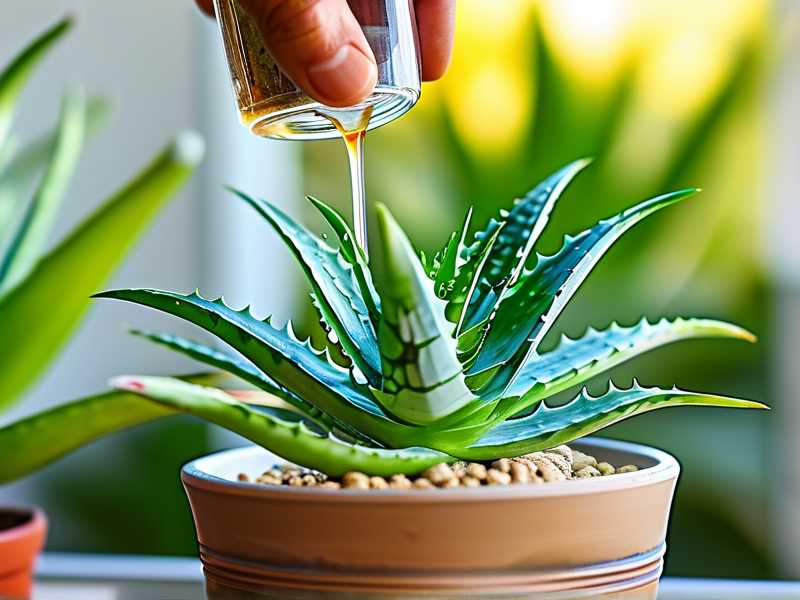
Step 4: The Aloe Vera “Boost” (Optional) Some gardeners report success with using diluted aloe vera gel as a foliar spray. The theory is that the sugars and compounds in aloe may attract ladybugs or stimulate plant health, making pests more detectable. While not a proven scientific method for direct attraction, a light spray (1 part pure aloe gel to 10 parts water) can boost plant immunity. As entomologist Dr. Jessica Walliser notes in her book Attracting Beneficial Bugs to Your Garden, “Plant health is intrinsically linked to pest resistance. A healthy plant is your first line of defense.” A healthy plant, supported by aloe vera’s nutrients, may indirectly support the ecosystem that ladybugs thrive in.
Beyond Ladybugs: The Ripple Effect of a Healthy Garden
Focusing on attracting beneficial insects to aloe vera plants creates a positive ripple effect. The same flowers that feed adult ladybugs will also nourish lacewings, hoverflies, and parasitic wasps—all formidable pest predators. Furthermore, a pesticide-free garden populated with aloe and other supportive plants becomes a sanctuary for bees, butterflies, and vital soil organisms. You’re not just managing pests; you’re cultivating biodiversity and resilience from the ground up.
How many ladybugs should I release in my garden, and is it effective? Releasing purchased ladybugs can be hit-or-miss. If released without a proper habitat (food, water, shelter), they will likely fly away. It is more effective and sustainable to focus on creating a garden environment that naturally attracts and sustains a resident population. If you do release them, do so at dusk near infested plants after lightly misting the area, and ensure your garden is already prepared with the plants and resources mentioned above.
Can aloe vera harm my plants or other beneficial insects? No. Aloe vera is a non-invasive, non-competitive succulent. It poses no threat to surrounding plants or beneficial insects when used as described. In fact, its gel is often used as a natural rooting hormone and can help treat minor plant wounds. The key is to ensure it is planted in well-draining soil to prevent root rot.
I don’t have a large garden. Can I use this method on a balcony or patio? Absolutely. Container gardening is perfect for this strategy. Plant a large pot with a central aloe vera, surrounded by trailing sweet alyssum and some dill or cilantro. Place it on your sunny balcony, add a small water source, and you’ve created a miniature beneficial insect oasis that can help protect your container vegetables and flowers.
Embracing the partnership between aloe vera and ladybugs is about working with nature, not against it. By understanding what these beneficial predators need to thrive and using versatile plants like aloe vera to support those needs, you build a garden that is less work and more joy. You’ll spend less time battling pests and more time observing the intricate, balanced world you’ve helped create—a world where vibrant aloe spikes bloom and spotted guardians patrol the leaves, ensuring your garden flourishes naturally.