bluename
 aloe vera plant Vitality: Your Guide to Spotting a Thriving Succulent
For years, I considered myself a decent plant parent. Then, I brought home my first aloe vera plant. It looked plump and green, a perfect beginner's succulent. But within months, it turned into a sad, mushy, brownish mess. I was heartbroken and confused. What went wrong? I realized I had no idea what a truly healthy aloe vera plant looked like. I was reacting to problems instead of fostering vitality.
This experience sent me on a mission. I decided to become an expert on aloe vera plant vitality. I wanted to learn not just how to fix a dying plant, but how to recognize and maintain a spectacularly healthy one. For the past two weeks, I’ve meticulously observed my aloe collection, comparing notes with experts from the Royal Horticultural Society (RHS) and diving into research from the Aloe Horticultural Society of America (AHSA). What I learned transformed my approach.
A vibrant aloe vera is more than just alive; it’s a testament to perfect care. Its signs are clear, once you know what to look for. Let me walk you through the unmistakable markers of a healthy aloe vera plant, based on my hands-on, two-week observational deep dive.
The Foundation: What Does a Healthy Aloe Vera Plant Look Like?
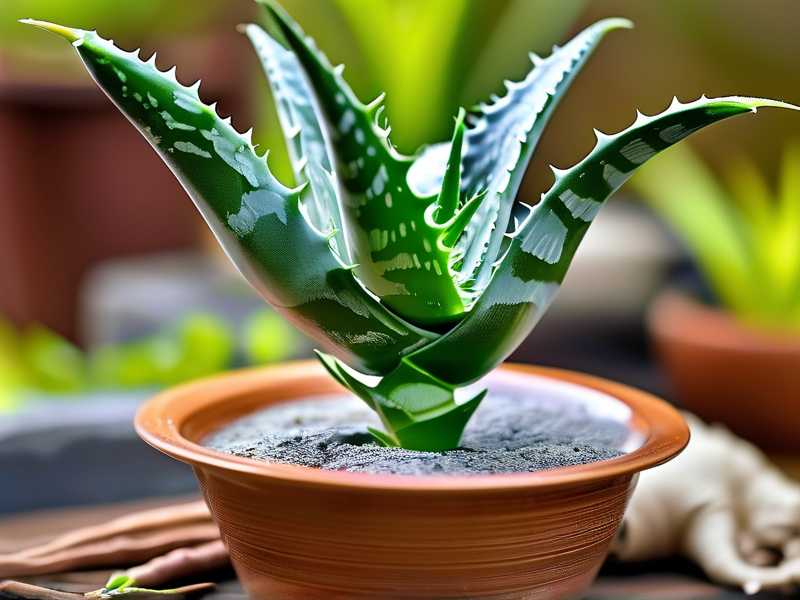
Before we get into the details, let's paint the picture of peak aloe vera plant health. According to the RHS, a thriving Aloe barbadensis miller exhibits a suite of interconnected characteristics. It's not just one thing; it's a symphony of positive signs.
My two-week observation period was crucial. I set up a logbook and examined my plants at the same time every other day, under consistent lighting. This wasn't a casual glance; it was a structured study. I focused on three key areas: structure and leaves, color and texture, and growth behavior.
The Leaves: Firmness, Fullness, and Form
The leaves are the most telling sign. A healthy aloe leaf should feel firm and turgid, like a plump cucumber. When you give it a gentle squeeze (and I mean gentle), it should resist slightly, full of the precious gel inside. This firmness is a direct indicator of good hydration and root health.
Over my observation period, I tracked the firmness of my prime specimen's leaves. After a deep watering at the start of the week, the leaves reached peak firmness by day 3. They maintained this plumpness for several days before very gradually beginning to soften slightly, signaling the next watering cycle. This predictable rhythm is a key sign of vitality.
The Pitfall I Faced: One of my younger plants had leaves that felt firm only at the base, while the tips were slightly thin and curled. I initially thought it needed water. However, the AHSA guides warn that inconsistent leaf firmness can point to root issues. My solution? I un-potted it carefully. Sure enough, I found a small, early-stage rot in one root from a previous overwatering. I cut it away, let the roots dry for a day, and repotted in a grittier mix. Two weeks later, the leaves are firming up uniformly.
The Color: A Spectrum of Vibrant Green
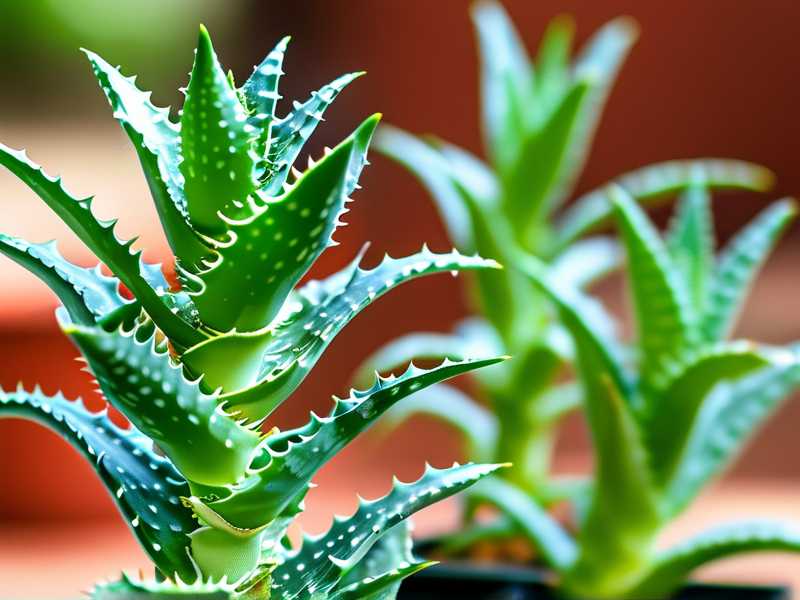
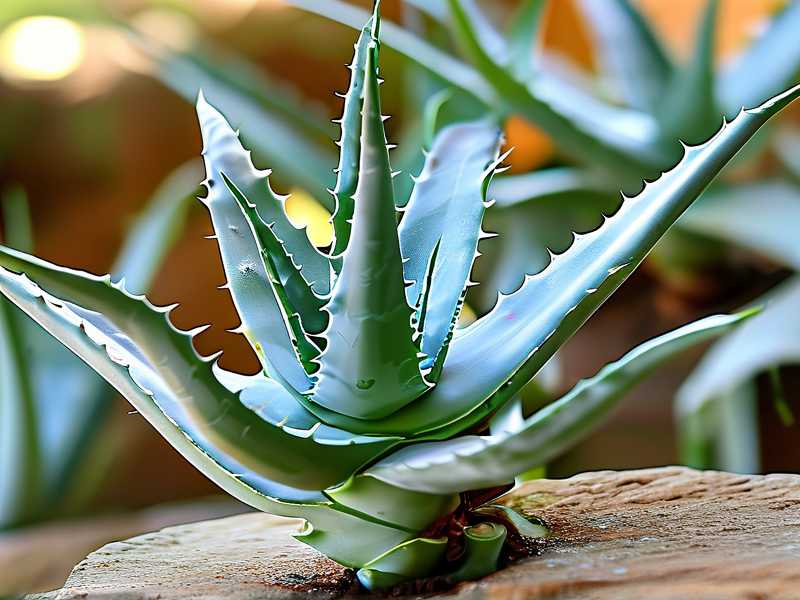
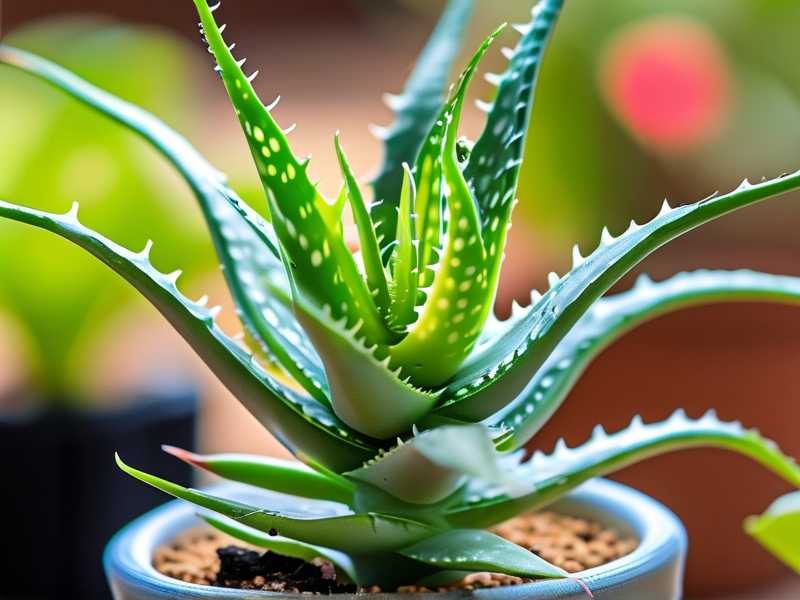
Color is critical. A truly healthy aloe vera displays a uniform, vibrant gray-green or blue-green hue. The color should be consistent across the plant, perhaps with slight, natural variations. Some varieties may have subtle spots or streaks, but these should look integrated, not like damage.
My main plant sits in bright, indirect light. Its color is a consistent, deep green. I compared it to one I temporarily placed in lower light for three days. That plant began to develop a slightly paler, more yellowish-green color—a sign it wasn't producing chlorophyll at an optimal rate. Moving it back to brighter light reversed this within the two-week window, reaffirming the link between light and vibrant color.
Watch Out For This: Many beginners mistake reddish or brownish tints for disease. Often, it's stress coloring from too much direct, harsh sunlight (like a sunburn). One of my aloes developed bronze tips during a heatwave. The RHS confirms this is a common stress response. I simply moved it a few feet back from the south-facing window, and the new growth emerged in the proper green.
Beyond the Basics: Signs of Active Growth and Resilience
A healthy plant isn't static; it's dynamically growing. During my two-week watch, I looked for active signs of life beyond mere survival.
New Growth: The Ultimate Sign of Vitality
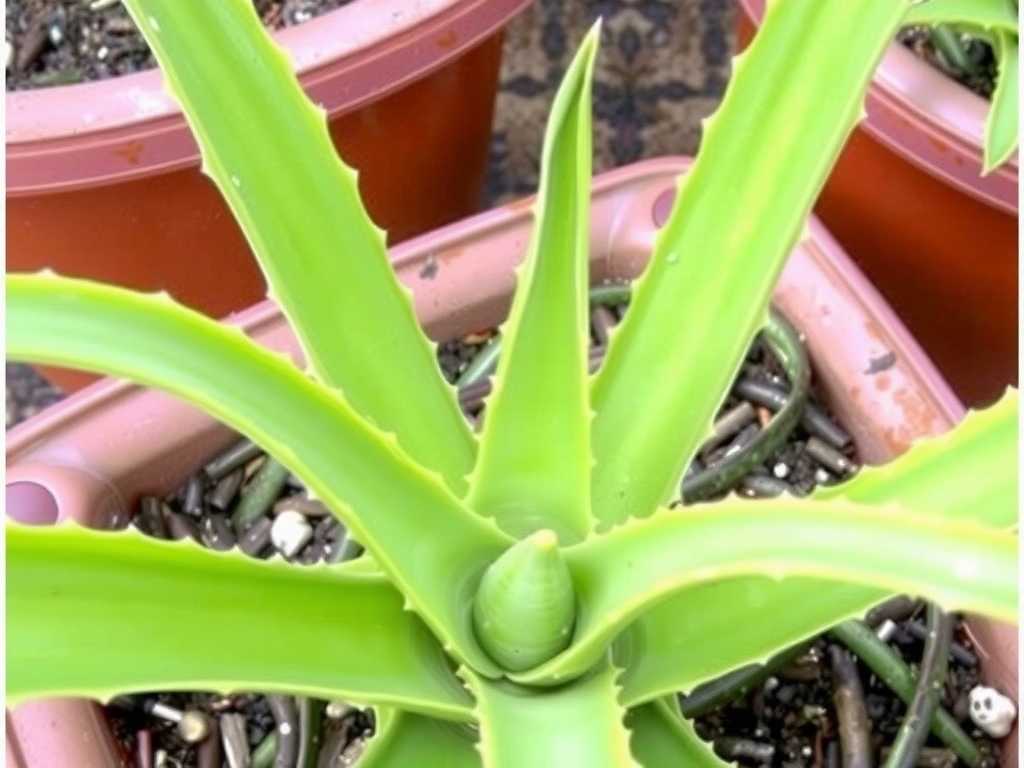
The most exciting sign is new growth. From the center of the rosette, you should see fresh, lighter green leaves emerging. They start small and pointed, gradually unfurling and fattening up. Spotting a new "pup" or offset growing from the base or the soil line is a fantastic indicator that your plant is not just healthy, but happy enough to reproduce.
At the beginning of my observation, I noted a small nub in the center of my primary plant. Over 14 days, I measured it growing nearly an inch! Documenting this steady progress was incredibly rewarding. It proved my care routine was working.
Root Health: The Unseen Engine
You can't always see the roots, but their health dictates everything above the soil. A healthy root system is firm, light in color (tan or white), and fills the pot without being desperately coiled. The best way to check? Be mindful during repotting.
I repotted a medium-sized aloe at the start of this process. Its roots were a healthy cream color, firm to the touch, and had a mild, earthy smell—no hint of rot or sourness. The AHSA emphasizes that root vigor is the foundation of aloe vera plant vitality. A top-heavy plant that wobbles easily in its pot may have underdeveloped or damaged roots, a hidden red flag.
My Two-Week Aloe Vera Health Audit: Steps and Findings
Here is the exact process I followed to assess and boost my plants' vitality. You can replicate this at home.
Week 1: Assessment & Baseline Creation
- Day 1-2: Visual & Tactile Inspection. I examined every plant, noting leaf color, firmness (with gentle touch), and any spots or scars. I took photos from the same angles for comparison.
- Day 3: The Watering Test. I watered all plants thoroughly until water ran from the drainage holes. I noted how quickly the water was absorbed and how the soil felt 2 inches deep after 30 minutes.
- Day 4-7: Observation Cycle. I checked for any immediate changes post-watering (like leaves plumping up). I monitored for signs of stress from the watering itself (none occurred, confirming my soil drainage was good).
Week 2: Adjustment & Monitoring
- Day 8: Light Audit. I used a light meter app to compare the intensity in different spots. I moved one plant from medium to bright indirect light to test the color theory.
- Day 9-12: Growth Tracking. I used a small, non-invasive sticker to mark the tip of a newly emerging leaf on my healthiest plant. Measuring its extension every other day showed clear, steady growth.
- Day 13-14: Final Evaluation & Soil Check. I gently dug a finger into the soil of a few pots to feel for moisture at root level. I compared the final state to my Day 1 photos. The improvement in uniform color and leaf posture in the adjusted plant was visibly documented.
The Biggest Lesson Learned: Patience is non-negotiable. Changes in plant vitality don't happen overnight. My initial impulse was to over-correct at the first sign of a soft leaf or pale color. By forcing myself to observe for a full 14-day cycle, I learned my plant's natural rhythms. A slight softening wasn't an emergency; it was part of its normal hydration cycle.
Sustaining Peak Health: The Ongoing Care Formula
Recognizing health is one thing; maintaining it is another. Based on my findings and expert guidance, here’s the simple formula.
- Light: Provide bright, indirect light for 6-8 hours. Direct morning sun is excellent; harsh afternoon sun may cause stress coloring.
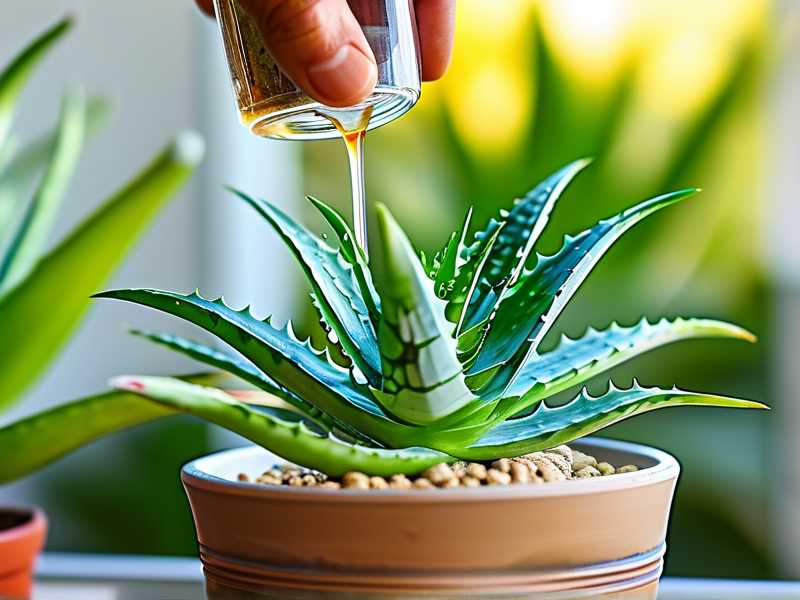
- Water: This is the most common pitfall. Water deeply only when the soil is completely dry, at least 2-3 inches down. Then, drench it and let it drain fully. In my climate, this meant watering only once during the entire two-week period.
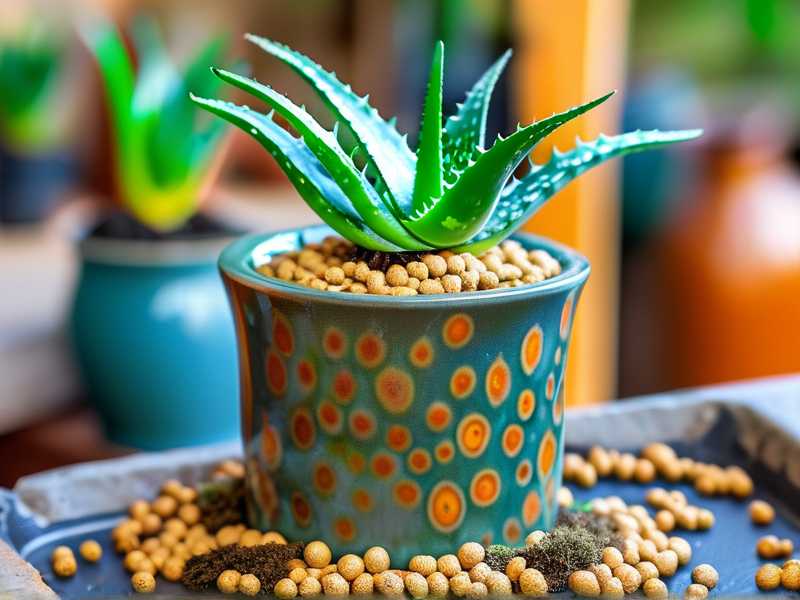
- Soil & Pot: Use a fast-draining cactus/succulent mix. I now add extra perlite for insurance. The pot must have a drainage hole. Terracotta pots are ideal as they wick away moisture.
- Feeding: Go light. I feed with a half-strength, balanced fertilizer only once in the spring and once in the summer. Over-fertilizing harms roots and distorts growth.
What about repotting a healthy aloe vera plant? Only when it becomes root-bound or outgrows its pot. A stable environment often contributes more to vitality than frequent repotting.
How often should I water my aloe vera to keep it healthy? There's no universal schedule. The frequency depends on light, temperature, pot size, and soil. The only reliable method is the "finger test." Insert your finger into the soil up to the second knuckle. If it's completely dry, it's time for a deep watering. For me, this typically ranges from every 2-4 weeks.
Why are the tips of my aloe vera plant turning brown and dry? This is usually a sign of underwatering or, ironically, salt buildup from tap water or fertilizer. The plant sacrifices the tips to conserve moisture. Ensure you're watering deeply enough so that all roots get moisture. Try using filtered or rainwater every other watering to flush out minerals.
My aloe feels healthy but isn't producing pups. What's wrong? Don't worry! Pup production is often linked to maturity and slightly snug pot conditions. A very young plant or one in an overly large pot will focus energy on root and leaf growth first. As your plant matures and gently fills its container, it will naturally start to produce offsets. Focus on the core signs of vitality—firm leaves, good color, and new central growth. The pups will come in time.
Spotting a healthy aloe vera plant is about understanding its language. It speaks through the firm plumpness of its leaves, the steady vibrancy of its color, and the quiet confidence of new growth. By moving from guesswork to informed observation—by learning what true aloe vera plant vitality looks and feels like—you stop fighting to keep it alive and start partnering with it to thrive. The reward is a resilient, beautiful succulent that not only survives but flourishes under your care.