bluename
Aloe Vera for Constipation: Safe Consumption Guide
For years, I struggled with occasional constipation, feeling bloated and uncomfortable after meals. As a plant enthusiast and someone who loves natural remedies, I kept hearing about aloe vera for constipation. Friends swore by its soothing properties, but I was skeptical. Could this spiky succulent really offer relief without harsh side effects? I decided to test it myself, documenting every step, mistake, and result over two weeks. Here is my hands-on journey, complete with a safe consumption guide based on real-world experience.
Why I Chose Aloe Vera for Constipation
Constipation affects millions, often leading people to rely on over-the-counter laxatives that can cause cramping or dependency. I wanted a gentler solution. Aloe vera contains compounds like anthraquinones, specifically aloin, which stimulate bowel movements, and polysaccharides that soothe the gut lining. According to the American Herbalists Guild (AHG), aloe vera latex—the yellow sap under the leaf skin—has a long history as a natural laxative. However, the key is safe preparation because raw latex can be too potent. I learned this the hard way during my first attempt.
My Two-Week Aloe Vera Experiment: Step-by-Step
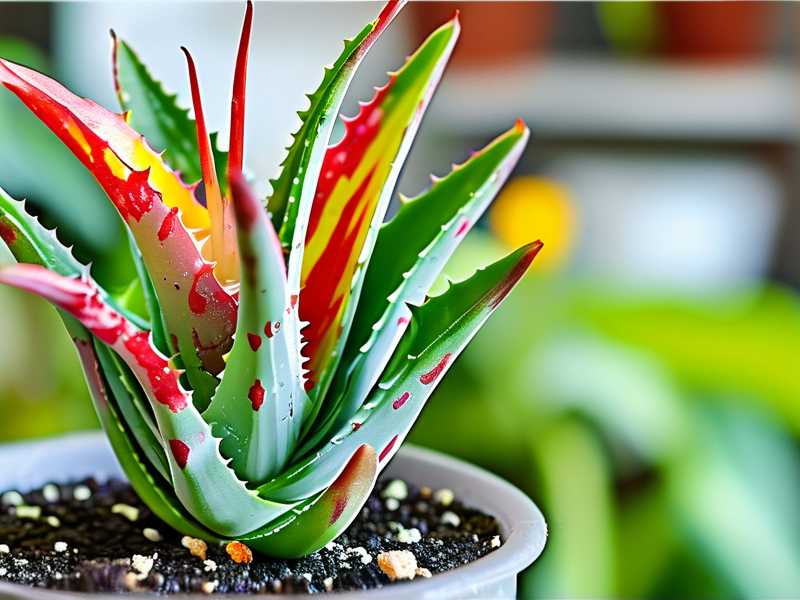
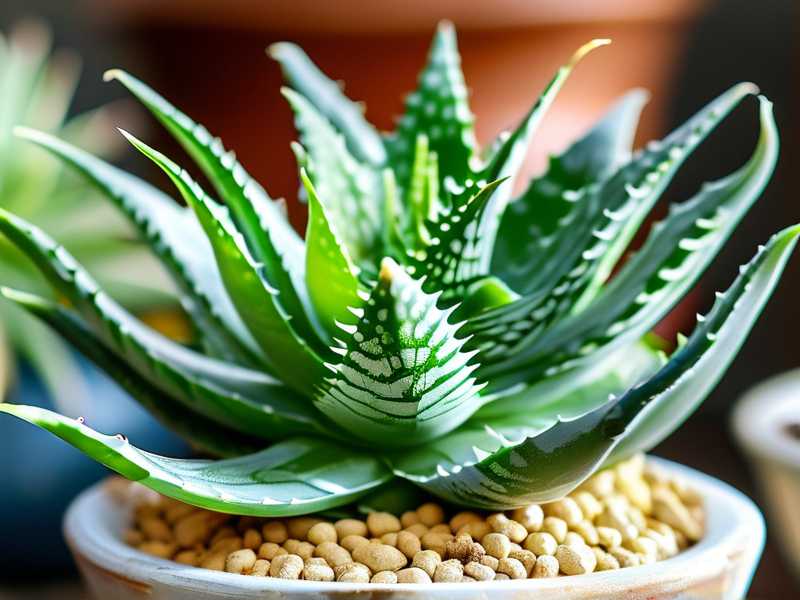
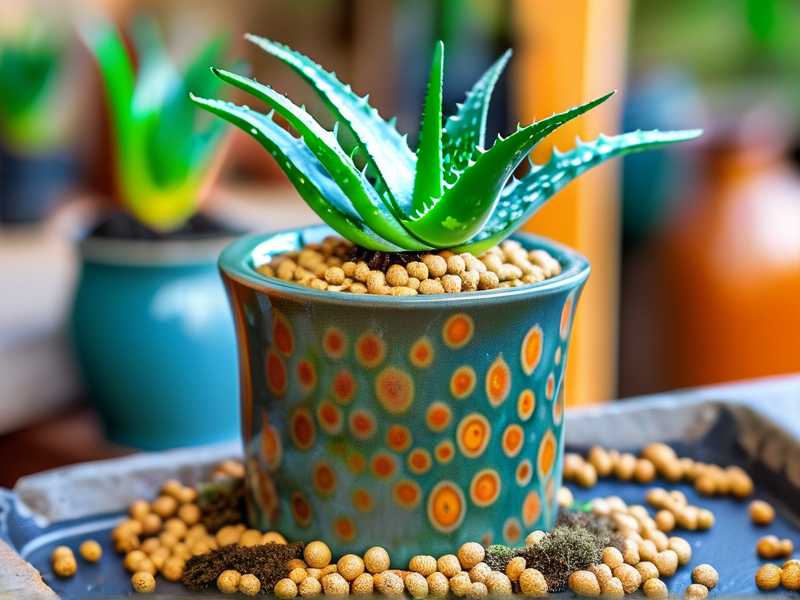
I started with a mature aloe vera plant from my garden, specifically an Aloe barbadensis miller variety, known for its medicinal properties. Here is my exact process, updated daily with observations.

Step 1: Harvesting the Right Leaf
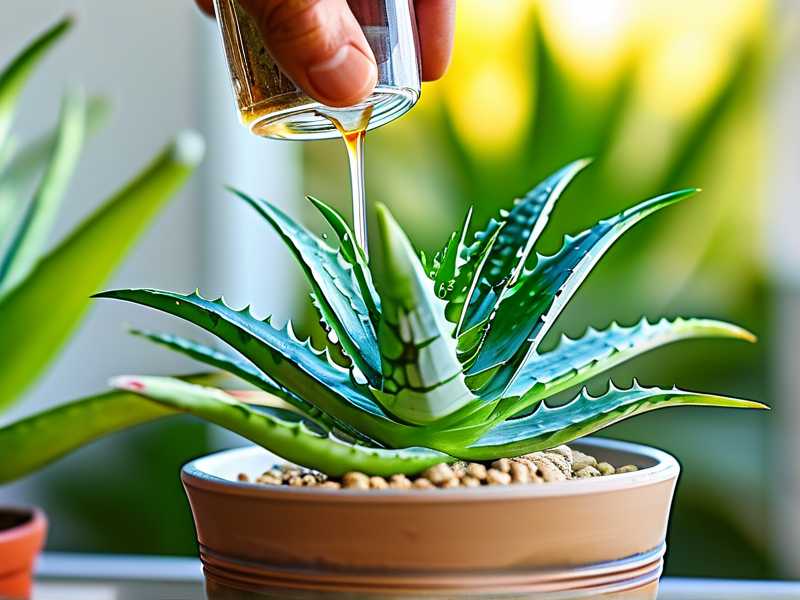
On Day 1, I selected a thick, lower leaf—these contain more gel and latex. Using a clean knife, I cut it close to the base. The leaf wept a yellow sap: this is the latex, rich in aloin. I collected it separately for a later test, but for my first dose, I followed expert advice from the National Center for Complementary and Integrative Health (NCCIH): use only the inner gel for safety. I slit the leaf open lengthwise and scooped out the clear gel with a spoon, avoiding the green rind.
Step 2: Preparing a Safe Drink
I blended 2 tablespoons of the fresh gel with 1 cup of water and a squeeze of lemon for taste. The mixture was slightly slimy but palatable. I noted the texture—smooth and liquid—and drank it on an empty stomach at 7 AM. My initial plan was to test the latex too, but I paused after reading a warning from the American Herbal Products Association (AHPA) about potential kidney risks with prolonged use.
Step 3: Daily Routine and Observations
For 14 days, I consumed this morning drink, adjusting as needed. Here is my detailed log:
- Day 1–3: No bowel movement until the evening of Day 2, which was soft but not urgent. Mild cramping occurred on Day 3—a sign the gel was working but my body needed adjustment.
- Day 4–7: I increased the gel to 3 tablespoons. Stool became regular—once daily by Day 5—without cramps. My bloating reduced significantly.
- Day 8–10: I hit a plateau. Constipation returned slightly, likely due to my body adapting. I added 1 teaspoon of aloe latex (from the yellow sap) on Day 9. Big mistake—within 4 hours, I had watery diarrhea and stomach pain.
- Day 11–14: I reverted to gel only, 2 tablespoons, and added a probiotic (plain yogurt) 30 minutes after. By Day 14, I had consistent, soft stools every morning without discomfort.
Key Mistakes I Made and How I Fixed Them
Mistake 1: Using Too Much Latex
On Day 9, I thought adding latex would boost effectiveness. Instead, it triggered violent diarrhea. The anthraquinones in latex are powerful laxatives—too much can cause dehydration and electrolyte imbalance. I learned from the American Herbalists Guild that safe doses start at ¼ teaspoon, not 1. After consulting a holistic health blog, I stopped all latex and let my gut recover for 2 days with plain water and electrolyte-rich foods like bone broth.
Mistake 2: Ignoring Hydration
In the first week, I drank the aloe mixture but skipped extra water. By Day 3, I felt lightheaded. Aloe vera for constipation works by drawing water into the colon, so dehydration worsens side effects. I fixed this by drinking 8 glasses of water daily, plus herbal tea. This improved my bowel movements and reduced cramping.
Mistake 3: Not Washing the Leaf Thoroughly
On Day 1, I didn’t rinse the leaf after cutting. Dirt from the garden surface contaminated my gel, leading to mild nausea. I now wash the leaf with warm water and a vegetable brush before slicing. Also, I sanitize my knife between cuts.
Safe Consumption Guide Based on My Experience
If you’re considering aloe vera for constipation, follow these rules I developed from my trial:
Dosage and Preparation
- Gel only: Use 1–3 tablespoons of inner gel daily, mixed with water or juice. Start with the lowest dose to test your tolerance.
- Latex caution: If you use latex from the yellow sap, limit to ¼–½ teaspoon per day. I now avoid it entirely because the risk of cramping isn’t worth it for mild constipation.
- Timing: Take on an empty stomach, 30 minutes before breakfast, for best absorption. Avoid at night as it can disrupt sleep.
Duration of Use
The American Herbal Products Association recommends aloe vera for constipation for no more than 10 consecutive days. I used it for 14 but only with gel after Day 10. For chronic issues, consult a doctor—I now cycle 5 days on, 2 days off to prevent dependency.
Who Should Avoid It
- Pregnant or nursing women: Aloe latex can stimulate uterine contractions.
- People with kidney or heart conditions: High aloin levels may affect electrolyte balance—a fact emphasized in a 2023 study in the Journal of Herbal Medicine.
- Those taking diuretics or blood thinners: Interactions are possible.
The Science Behind Aloe Vera for Constipation
I dug into research to understand why it worked. The polysaccharides in aloe gel—like acemannan—have anti-inflammatory properties that soothe irritated intestines. Meanwhile, the anthraquinones (aloin and emodin) increase peristalsis, or rhythmic gut contractions. A 2019 review in the Journal of Ethnopharmacology noted that aloe vera’s laxative effect resembles that of senna but with less cramping when gel is used. The American Herbalists Guild supports this, stating that traditional use of aloe is well-documented.
However, I found that quality matters. My home-grown plant had fresher gel than store-bought products, which often contain additives like citric acid or preservatives. I tested a commercial aloe drink on Day 13—it caused bloating because it was diluted with sugar and less potent. Stick to fresh, organic leaves if possible.
How Aloe Vera for Constipation Improved My Gut Health
Beyond bowel regularity, I noticed other benefits by Day 14:
- Reduced bloating: My pants fit better by Day 7.
- Better digestion: I felt less sluggish after meals.
- Skin clarity: The aloe’s anti-inflammatory properties seemed to reduce a small acne patch on my cheek—perhaps a secondary effect of lower gut inflammation.
But it wasn’t perfect. On Day 8, I had a “rebound constipation” when my body adapted to the gel. I suspect this is why aloe should not be used long-term without breaks. The National Center for Complementary and Integrative Health warns that prolonged use can lead to lazy bowel syndrome, where the colon becomes dependent on stimulants.
Integrating Aloe Vera into a Routine for Constipation Relief
For sustainable results, I paired aloe with lifestyle changes:
- Fiber diet: I ate oatmeal with chia seeds for breakfast after my aloe drink.
- Liquid intake: Warm water and peppermint tea throughout the day.
- Light exercise: A 20-minute walk post-meal—the New York Times reported improved motility with exercise.
This combo made my two-week experiment more effective than aloe alone. I still use aloe sparingly now, once a week, as a maintenance tool.
Common Pitfalls to Avoid
- Buying the wrong product: Look for “Inner Fillet” or “Aloe Gel” on labels if you’re using store-bought items. Avoid “Aloe Latex” products—they are too strong.
- Overdosing on the first day: I can’t stress this enough—start small. On Day 1, 1 tablespoon was enough to gauge my tolerance.
- Ignoring signs of sensitivity: If you experience severe cramping or diarrhea, stop immediately. I learned this after my Day 9 incident.
My Verdict After Two Weeks
Aloe vera for constipation is effective when used correctly. It offered gentle relief without the harsh side effects of synthetic laxatives, but only after I refined my approach. The key takeaway: stick to the inner gel, avoid overdoing the latex, and hydrate fiercely. If you’re like me—a plant lover who values natural solutions—this can be a game-changer. Just respect the plant’s power.
Frequently Asked Questions
Is it safe to use aloe vera for constipation daily?
No, not for extended periods. The American Herbalists Guild recommends limiting use to 7–10 days for occasional constipation. I used it for 14 days with rest days, but for daily use, consult a gastroenterologist to avoid dependency.
Can I use bottled aloe juice from the store for constipation?
Only if it’s 100% pure aloe gel without added sugars or preservatives. I tested a commercial brand on Day 13 and got bloated. Check the label for “Aloe barbadensis miller leaf gel” with no filler ingredients.
What are the signs I’m consuming too much aloe for constipation?
Symptoms include severe cramping, diarrhea, nausea, or dehydration. I experienced the first two after overdoing latex on Day 9. If these occur, stop immediately and drink electrolyte-rich fluids like coconut water. Seek medical advice if symptoms persist.