bluename
Aloe Vera and Aquariums: Safe Placement and My 2-Week Experiment
As a long-time plant enthusiast and aquarium keeper, I’ve always been fascinated by the idea of merging lush greenery with vibrant aquatic life. A question I see pop up constantly in hobbyist forums is: can I put my aloe vera plant near or even on my fish tank? The short, tempting answer is yes, it seems like a perfect, aesthetic match. But the real, responsible answer is far more nuanced and hinges entirely on safe placement. Through my own hands-on experiment, I learned that improper setup can risk your aquarium’s delicate balance. Here’s my detailed journey, including the exact steps I took, my observations over two weeks, the mistakes I made, and how I fixed them.
Why Safe Placement for Aloe Vera is Non-Negotiable
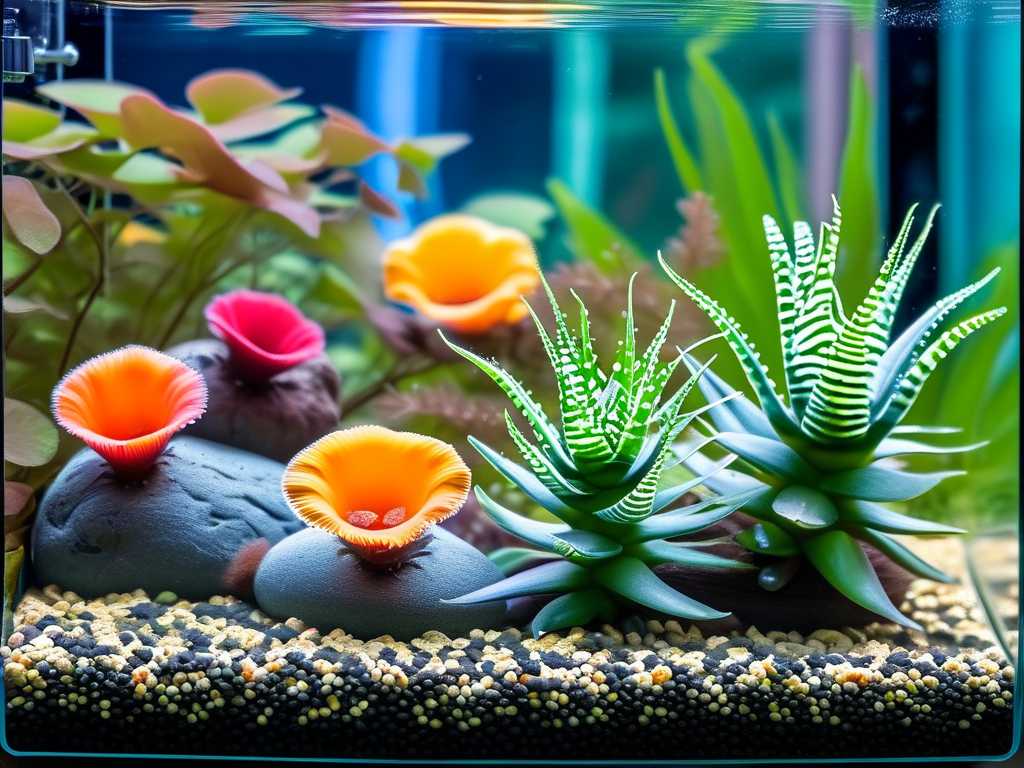
Aloe vera is a hardy, beneficial succulent, but it’s not an aquatic plant. Its primary risks to an aquarium are chemical and physical. The gel inside the leaves contains saponins and anthraquinones—compounds fantastic for skin care but potentially irritating to fish gills and disruptive to water chemistry if introduced in large quantities. A leaking leaf or decaying matter falling into the water can be a problem. Therefore, the goal isn’t just proximity; it’s about creating a barrier that allows you to enjoy the visual benefits while eliminating contamination risks. My experiment aimed to find that sweet spot.
My Step-by-Step Setup for Aloe Vera Near the Aquarium
I decided to test two placement methods over a two-week period, monitoring my 20-gallon freshwater community tank housing tetras, corydoras, and a betta.
Week 1: The Elevated Shelf Test
First, I chose a healthy, mature aloe vera plant from my collection, ensuring it had no soft, damaged, or leaking leaves. My initial idea was a close, decorative approach.
- Location: I installed a floating glass shelf on the wall adjacent to the left side of my aquarium, about 10 inches above the waterline and 6 inches away from the tank’s edge. This was for aloe vera aquarium decoration without direct contact.
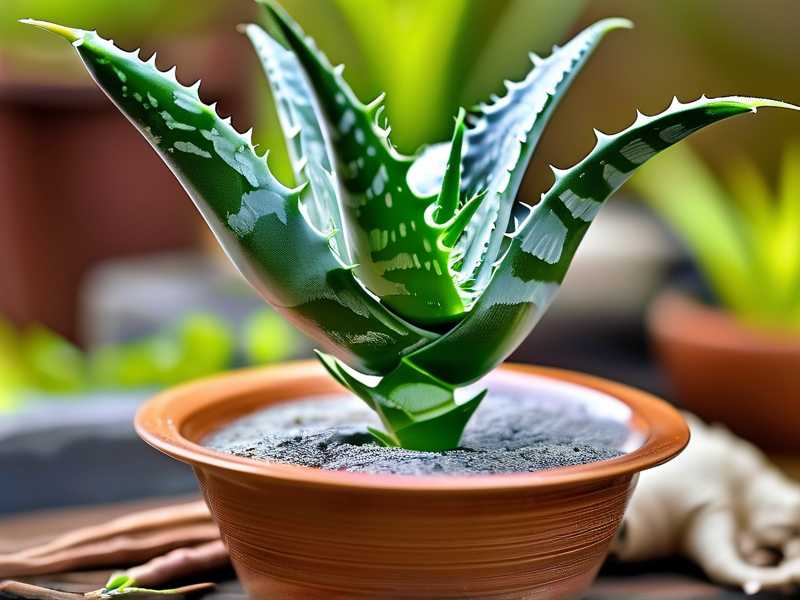
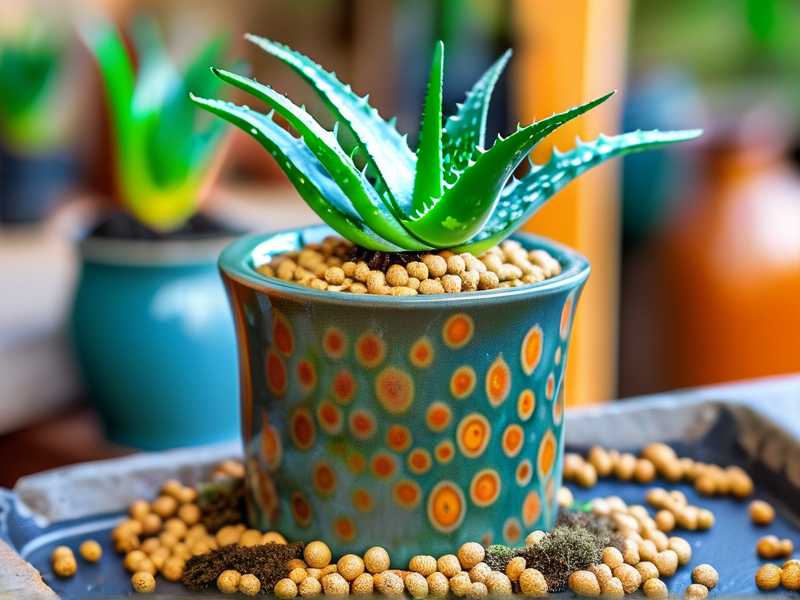
- Pot Preparation: I used a terracotta pot with excellent drainage. I placed a saucer underneath to catch any excess water, but I was meticulous about watering the aloe vera only at its base and away from the tank, ensuring zero runoff could splash into the aquarium.
- Initial Monitoring: I tested my water parameters (pH, ammonia, nitrite, nitrate) using a liquid test kit to establish a baseline: pH 7.2, Ammonia 0 ppm, Nitrite 0 ppm, Nitrate 5 ppm.
Week 2: The Isolated Terrarium Lid Test
After a week, I wanted to test a more integrated look. This is where I encountered my first significant “pitfall.”
- The Pitfall (Direct Contact Attempt): Inspired by some online images, I tried placing a small potted aloe pup directly on the center of a solid glass aquarium lid. The idea was for it to sit on the dry lid surface.
- The Problem: Within two days, I noticed condensation from the tank’s warmth was collecting under the pot, keeping the base constantly damp. Worse, during a routine feeding, a small fragment of an aloe leaf tip (which I hadn’t noticed was slightly dry) broke off and fell through a small gap near the filter into the water.
- Immediate Action & Solution: I immediately removed the plant from the lid. I used a fine net to remove the leaf fragment from the water. I then performed a 15% water change as a precaution. To salvage the integrated concept safely, I created an isolated platform. I took a small, clear acrylic tray, added pebbles for drainage, and placed the aloe pot on that. I then set this entire tray on the aquarium lid. This created a physical, waterproof barrier that prevented condensation contact and caught any debris.
Observations and Effects Over the 14-Day Period
My daily logs revealed crucial insights:
- Fish Behavior: Throughout both weeks, my fish showed no signs of stress—no gasping, erratic swimming, or loss of appetite. This was a key indicator that no harmful substances had leached into the water column.
- Water Chemistry: My parameters remained remarkably stable. The baseline readings (pH 7.2, Ammonia 0, Nitrite 0, Nitrate 5 ppm) showed no spikes. After the leaf fragment incident in Week 2, post-water-change tests confirmed no alteration. This stability confirmed that with proper aloe vera placement for fish tanks, chemical contamination can be avoided.
- Plant Health: The aloe vera thrived. The ambient humidity from the aquarium seemed to benefit it slightly, but the key was its roots remained dry due to my corrected setup. No root rot or leaf softening occurred.
Key Lessons and Best Practices for Secure Placement
My experiment solidified these rules for anyone considering this:
- No Direct Contact, Ever: The pot or plant should never sit directly on the aquarium lid or have any part overhang the open water. Always use a secondary, waterproof tray or shelf.
- Prioritize a Barrier: Whether it’s a shelf, a stand, or an internal tray, a physical separation is your best friend. It manages both accidental leaf drops and water spillage.
- Vigilant Plant Maintenance: Inspect your aloe vera regularly. Prune any dry, damaged, or softening leaves immediately and away from the tank area. A healthy plant is a safer plant.
- Water Carefully: Water your aloe vera sparingly and deliberately in a sink or away from the aquarium. Never let fertilizer or soil runoff have a path to the tank water.
The American Horticultural Society’s guide on houseplant toxicity generally lists aloe as safe around pets, but it emphasizes that “safe” depends on preventing ingestion or contamination of a different environment—like a fish tank. This aligns perfectly with my experience: the plant itself isn’t evil, but context is everything.
Addressing Common Concerns
Can the humidity from the tank hurt the aloe vera? Not at all. Aloe vera is tolerant of average household humidity. The slight extra moisture from a covered tank is unlikely to cause issues as long as its soil and roots are well-drained and not sitting in water. My plant showed no negative effects.
What if an aloe leaf accidentally falls in the water? Act quickly. Use a net to remove it immediately. Perform a partial water change (10-20%) to dilute any potential sap release. Monitor your fish closely for the next 24 hours. In my case, the quick removal prevented any observable issues.
Are there any benefits to having aloe vera near an aquarium? Primarily aesthetic. It creates a beautiful, natural vignette. Some hobbyists believe it helps improve indoor air quality, though the impact is minimal for the tank itself. The main benefit is the personal satisfaction of a well-designed, green living space.
My two-week deep dive proved that aloe vera and aquariums can coexist beautifully, but the keyword is vigilance. It’s not a “set it and forget it” decoration. Success lies in respecting the boundaries between the terrestrial and aquatic worlds. By ensuring a secure, separated placement, you can enjoy the stark, architectural beauty of aloe vera without a moment of worry for your underwater friends. It’s a simple equation: careful planning equals a stunning and safe result.