bluename
 Aloe Vera for Minor Skin Irritations: Your Ultimate Guide to Soothing Relief
If you're like me, constantly battling minor skin irritations—be it a kitchen burn, a patch of sunburn, or an annoying insect bite—you know the search for quick, natural relief can feel endless. I've tried countless creams and remedies, but my journey always circles back to one powerhouse plant: the aloe vera. As a long-time plant enthusiast and hands-on gardener, I've learned that aloe vera for minor skin irritations isn't just an old wives' tale; it's a remarkably effective, home-grown solution. Over the years, I've cultivated my own plants and perfected a method to harness their gel for immediate soothing. In this guide, I'll walk you through my exact process, share the tangible results from a dedicated two-week trial, and honestly recount the pitfalls I encountered so you can skip them entirely.
Why I Trust Aloe Vera: More Than Just a Gel
My trust in aloe vera isn't blind faith. It's backed by both tradition and science. Organizations like the American Herbal Products Association (AHSA) recognize aloe vera's historical use for wound healing and skin soothing. Research, including studies often cited in dermatological reports, points to its anti-inflammatory and antimicrobial properties, primarily due to compounds like acemannan. For me, this translates to a natural, first-aid staple that cools the burn, calms the itch, and creates an environment conducive to healing, all without the harsh chemicals found in some over-the-counter products.
My Hands-On Process: From Plant to Skin
Here is the step-by-step method I've developed and rely on. It prioritizes purity and potency.
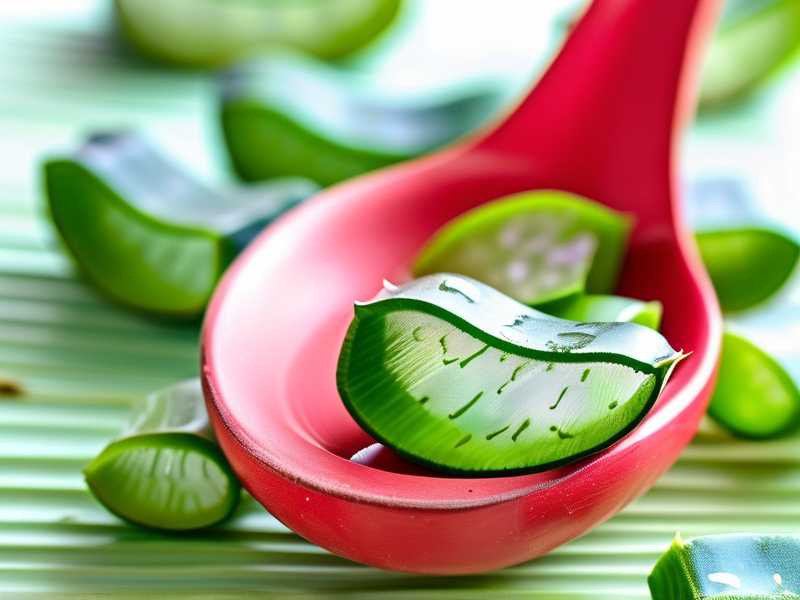
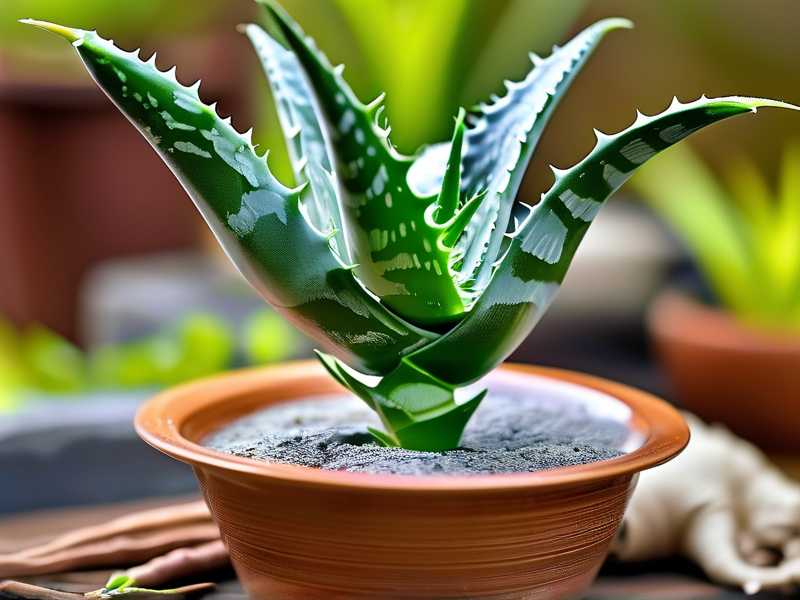
1. Selecting and Harvesting the Leaf I always use a mature plant, at least three years old, as its gel is more nutrient-dense. For a minor burn or irritation, I look for a thick, outer leaf. Using a clean, sharp knife, I cut the leaf as close to the base as possible. A key lesson learned: always cut at an angle. My first attempt with a straight cut allowed water to pool on the stump, leading to rot. Angling the cut lets water run off, keeping the mother plant healthy.
2. Preparing and Extracting the Gel This is where patience is crucial. I lay the cut leaf upright in a cup or jar for about 15 minutes. This allows the yellow latex—a bitter, reddish-yellow sap containing aloin—to drain out. The National Institutes of Health notes that aloin can be a skin irritant for some people, so I never skip this step. After draining, I rinse the leaf. Then, I place it flat on a cutting board and carefully slice off the serrated edges and the top and bottom green rind. What remains is a translucent, gelatinous fillet. I use a spoon to gently scoop this pure gel into a clean glass bowl. No blenders—I found early on that blending incorporates too much of the inner leaf skin and can oxidize the gel, reducing its effectiveness and shelf-life.
3. Application for Maximum Soothing Effect For immediate relief from a minor sunburn or skin irritation, I apply the fresh gel directly. I gently cleanse the affected area, pat it dry, and then smooth a generous layer of the cool gel onto my skin. I don't rub it in completely; I let it air-dry into a thin, protective film. This delivers an instant cooling sensation that genuinely soothes the sting. I reapply every 3-4 hours for the first day.
The Two-Week Observation: Documenting the Healing Journey
To give you a clear picture, I documented using fresh aloe vera gel on a specific minor thermal burn from a baking tray for two full weeks.
Days 1-3 (The Acute Phase): The initial application provided immediate cooling relief, dulling the sharp pain within minutes. The redness visibly subsided after a few hours. I applied the gel four times on the first day. By day three, the skin felt less tight and tender. No blister formed, which was a significant win compared to previous similar burns I'd left untreated or used other creams on.
Days 4-7 (The Repair Phase): The dried, tight feeling was completely gone. The skin began to peel very slightly in a healthy, flaky way—a sign of regeneration. I reduced application to twice daily, morning and night. The gel acted as an excellent moisturizer, preventing the itchy dryness that often accompanies healing skin.
Days 8-14 (The Renewal Phase): By the end of the second week, the new skin was fully formed. There was minimal discoloration, and the texture was smooth. I applied gel once daily as a general moisturizer for the new skin. The entire healing process felt accelerated and more comfortable than my past experiences.
The Pitfalls I Faced (And How to Solve Them)
My path to aloe vera mastery wasn't without its hiccups. Here’s what went wrong and how I fixed it.
1. The Rotting Plant Problem After my first few harvests, my prized aloe plant started to brown and soften at the base. I realized my harvesting technique was harming it. The solution was the angled cut I now use and ensuring I never remove more than 2-3 leaves from a single plant at one time. This allows the plant to recover and sustain itself.
2. The Ineffective, Discolored Gel I once stored a batch of blended gel in a plastic container in the fridge. Within two days, it turned brown and lost its soothing potency. I learned that oxidation and improper storage are the enemies of fresh aloe vera gel's benefits. My solution is three-fold: I never blend the gel, I store it in an opaque, airtight glass jar in the refrigerator, and I only prepare enough for 5-7 days of use. Adding a drop of vitamin E oil can also help preserve it, but I prefer using it pure and fresh.
3. The Unexpected Skin Reaction Early on, I didn't drain the latex properly. When I applied the gel to a patch of razor burn, it caused additional mild stinging and redness for my partner, who has more sensitive skin. This was a classic case of the aloin irritant. The solution is the meticulous draining and rinsing step I now never omit. I also perform a patch test on a small area of the inner arm before widespread use on irritated skin, especially for those with known plant allergies.
Frequently Asked Questions
Can I use store-bought aloe vera gel instead? You can, but you must be a label detective. Many commercial gels are filled with additives, preservatives, and coloring, and contain only a small percentage of actual aloe. For treating minor skin irritations effectively, look for a product where Aloe Barbadensis Leaf Juice is the first ingredient, not water. Pure, organic gels are best. However, for purity and cost-effectiveness, growing your own is unparalleled.
How often can I safely apply fresh aloe vera? For acute irritations like burns or sunburn, applying fresh gel 3-4 times daily for the first 48 hours is safe and beneficial. For ongoing conditions like dry patches, 1-2 applications per day is sufficient. Listen to your skin; it should feel soothed, not overloaded.
Is aloe vera suitable for all types of skin irritations? While excellent for thermal burns, sunburn, minor cuts, scrapes, and insect bites, it is not a cure-all. I do not use it on deep wounds, severe burns, or infected skin. As the AHSA guidelines suggest, consult a healthcare professional for serious conditions. For eczema or psoriasis, a patch test is critical, as some individuals may react differently.
Embracing aloe vera has transformed how I handle life's small skin emergencies. The process of nurturing the plant, harvesting it with care, and applying the pure gel creates a deeply satisfying connection to natural healing. The two-week test on my burn confirmed what I long believed: when prepared and used correctly, this humble plant offers a level of soothing relief for skin irritations that is both profound and simple. By avoiding the common mistakes I made, you can confidently turn your aloe vera plant into the most trusted item in your home apothecary.