bluename
 Aloe Vera and Fireplaces: Safe Distance Guidelines for Thriving Plants
I love the cozy ambiance a fireplace brings, and like many plant enthusiasts, I’ve always wanted to merge that warmth with my indoor jungle. My aloe vera plants, with their plump, soothing leaves, seemed like perfect candidates to add a touch of green near the hearth. But I quickly learned that placing these succulents near a roaring fire isn't as simple as it looks. The question of the safe distance between aloe vera and fireplaces became my personal mission. I embarked on a two-week experiment to find the perfect spot, documenting every step, observing the effects, and navigating the pitfalls. If you're worried about your aloe getting scorched or stressed by the dry heat, follow my journey to find the ideal placement.
Why Fireplaces and Aloe Vera Can Be a Risky Combination
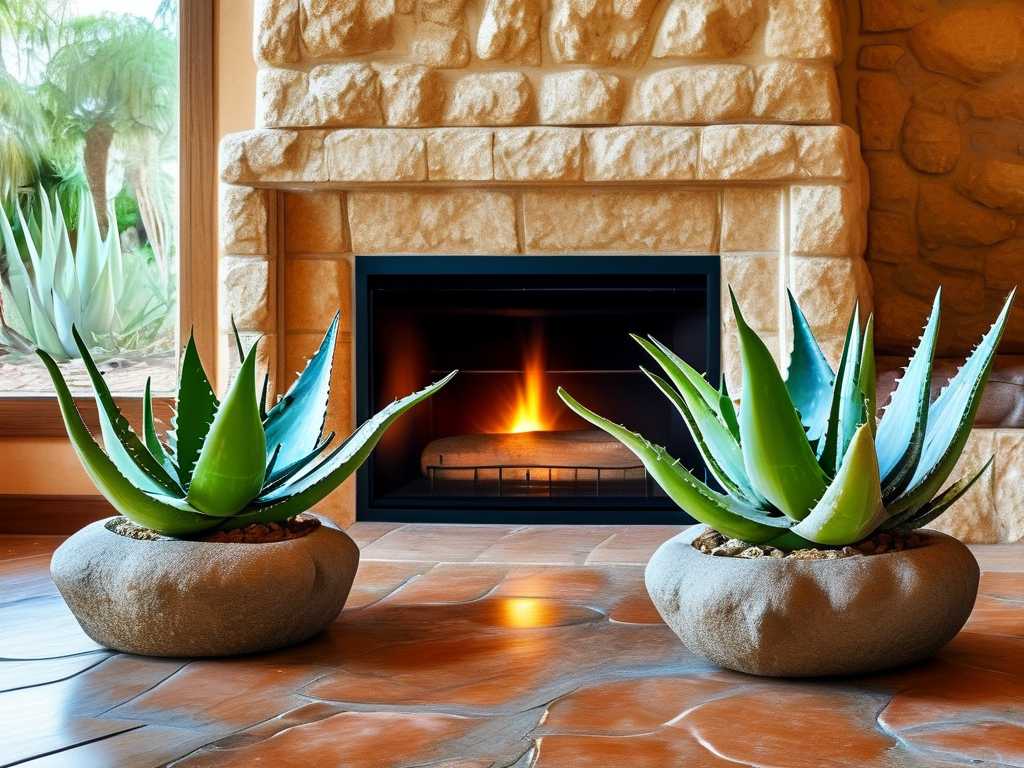
Aloe vera is a desert succulent, built for bright light and dry air, but a fireplace presents a unique set of challenges. It’s not just about the heat; it’s about the type of heat. Radiant heat from flames can be intense and direct, unlike the consistent warmth of a sunny window. More critically, active fireplaces sap moisture from the air, creating an environment drier than most aloe vera plants prefer for prolonged periods. The American Horticultural Society (AHS) notes that while many succulents tolerate low humidity, sudden and extreme dry heat can cause cellular damage in leaves. My goal was to find a spot where my aloe could enjoy the ambient light without suffering from thermal shock or dehydration.
My Two-Week Experiment: Finding the Perfect Spot
I selected three healthy, mature aloe vera plants from my collection for this test. Each was placed in a different location relative to my wood-burning fireplace.
Week 1: The Trial Begins
- Plant A (The Close Companion): I placed this one on the hearth, approximately 3 feet from the firebox. This is where many people might intuitively put a decorative plant.
- Plant B (The Middle Ground): This plant went on a sturdy side table about 6 feet away from the fireplace, still within the direct zone of flickering light.
- Plant C (The Roommate): I positioned this one across the room, roughly 12 feet away, where it received bright, indirect light from the room’s windows and only the faintest ambient warmth from the fire.
I committed to lighting a fire each evening for 2-3 hours, simulating typical usage. I used a digital hygrometer/thermometer to log conditions.
Initial Observations and The First Pitfall
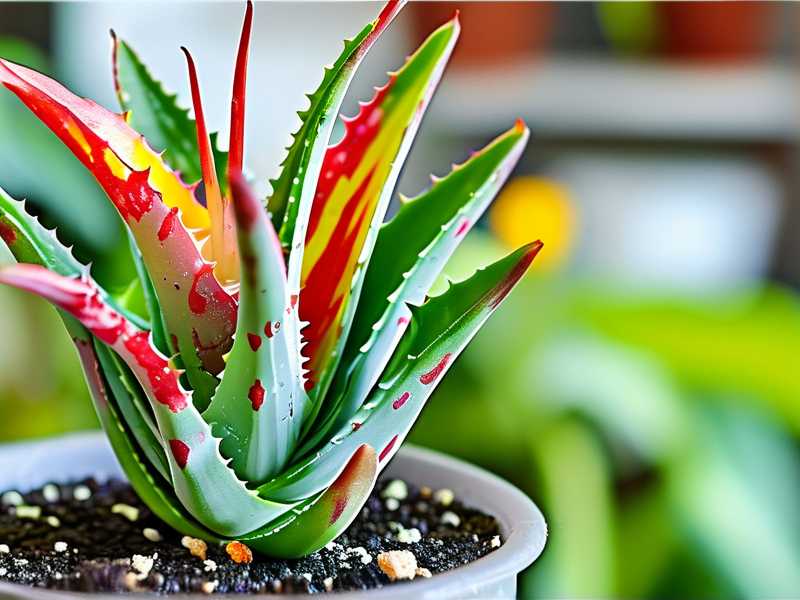
Within just three days, the issues with Plant A became glaringly obvious. The leaves facing the fireplace began to develop a reddish, then brownish tinge. They felt thinner and slightly leathery to the touch. This wasn't sunburn, but heat stress. The radiant heat was simply too intense. Furthermore, the soil dried out at an alarming rate. My first "aha" moment was realizing that the safe distance for aloe vera from fireplace heat isn't just about preventing leaf-tip burn; it's about protecting the entire plant from rapid moisture loss and infrared radiation.
I immediately moved Plant A to join Plant C across the room for recovery. This was my first major pitfall: underestimating the power of radiant heat. The solution was simple but crucial: always use a physical barrier or significant distance. A stone hearth doesn't protect the plant; it actually absorbs and radiates heat back upwards.
Week 2: Adjustments and Clear Results
With Plant A in recovery, I focused on Plants B and C. Plant B, at 6 feet, fared better but showed subtle signs. The leaf tips furthest from the fire remained plump and green, but the side angled toward the warmth lost some of its vibrant green luster. The soil still dried faster than Plant C's.
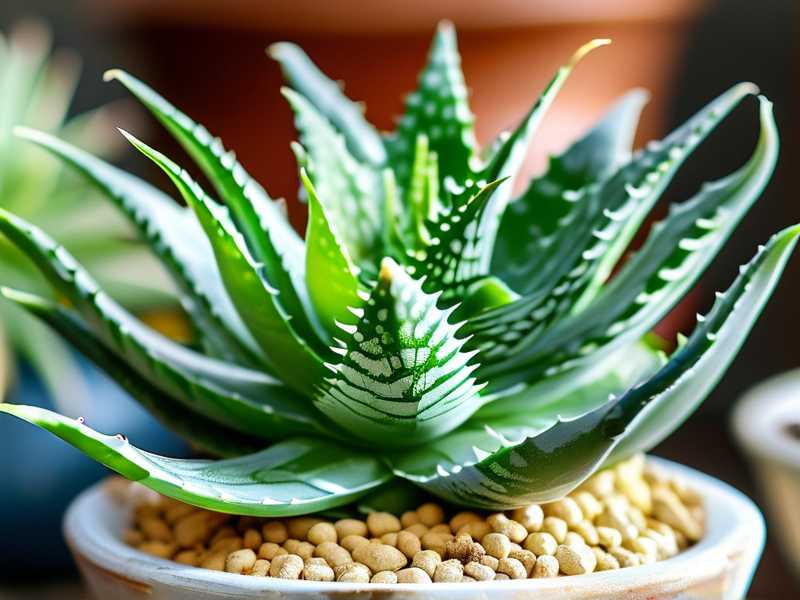
Plant C, across the room, thrived. It showed no signs of stress, maintained deep green color, and its soil moisture remained stable with my regular (infrequent) watering schedule.
By the end of the two weeks, the evidence was clear. The constant cycle of hot, dry air and rapid soil moisture fluctuation was a significant stressor, even for a drought-tolerant plant like aloe vera.
The Golden Rules: My Practical Safe-Distance Guidelines
Based on my experiment and cross-referenced with general plant care guidelines from resources like the Royal Horticultural Society (RHS), which advises protecting plants from "direct sources of heat" like radiators and fireplaces, here is my actionable advice.
For an Active, Wood-Burning Fireplace: A minimum distance of 8 feet (about 2.5 meters) from the opening of the firebox is my strong recommendation. This places the plant outside the worst of the radiant heat and drastic air moisture swings. Always ensure the plant is not in a direct line of sight with the flames.
For Gas Fireplaces or Electric Inserts: These can be trickier because their heat output is often more consistent and can involve hot surfaces (like the glass front). A distance of 5-6 feet (1.5-2 meters) is a safer starting point, but always feel the air and the plant’s leaves after the fireplace has been on for an hour. If the air feels hot and dry on your skin, it’s too close for your aloe.
Essential Mitigation Strategies for Closer Placement
Maybe 8 feet isn't practical for your room layout. If you must place an aloe vera somewhat closer, these non-negotiable steps are crucial:
- The Humidity Tray Hack: This was a game-changer. Place your aloe pot on a wide, shallow tray filled with pebbles and a bit of water. As the water evaporates, it creates a microclimate of slightly higher humidity around the plant, counteracting the fireplace's dryness. Ensure the pot sits above the water line to prevent root rot.
- Vigilant Watering Checks: Do not stick to a schedule. Check the soil moisture by finger every 3-4 days when the fireplace is in regular use. Water only when the soil is completely dry an inch down. Overwatering in reaction to dry air is a common killer.
- Rotate, Rotate, Rotate: If one side of the plant receives more warmth than the other, rotate the pot a quarter turn every time you water. This promotes even growth and prevents one-sided stress.
- The Barrier Method: A large piece of furniture, like a solid side table or a decorative screen, placed between the fireplace and the plant can block a significant amount of direct radiant heat.
Signs Your Aloe Vera is Too Close to the Heat
Monitor your plant closely. Danger signs include:
- Leaves turning red, brown, or pale yellow, especially on the side facing the heat.
- Leaves becoming thin, wrinkled, or curling inward excessively.
- The normally plump, gel-filled leaves feeling soft or deflated.
- Rapid browning of leaf tips.
If you see these, move the plant immediately to a cooler, bright location and reassess your fireplace plant safety distance.
Can Aloe Vera Recover from Fireplace Heat Stress? Yes, absolutely. My Plant A is on the mend. I moved it to a bright, warm (but not hot) south-facing window away from drafts and held off on watering until the soil was fully dry. The damaged leaves won’t revert to green, but new growth from the center is healthy and strong. I’ll remove the fully browned leaves once the plant is more robust.
FAQs: Your Questions, Answered
How far away from a fireplace is truly safe for most houseplants? For tender tropical plants (like ferns or prayer plants), I’d recommend even greater distance—10 feet or more—or avoiding the room altogether. For succulents like aloe, jade, or snake plants, the 8-foot guideline is a solid minimum. Always research your specific plant's tolerance to dry air.
What are the best plants to put near a fireplace if not aloe? If you desire greenery near the hearth, consider truly heat-loving dry air champions. A mature snake plant (Sansevieria) or a ZZ plant (Zamioculcas zamiifolia) can tolerate lower light and drier conditions better than aloe in my experience. Even with these, use the humidity tray and maintain a respectful distance.
I have a mantel. Can I put my aloe vera up there? This is often the worst spot. Heat rises, making the mantel a hotspot for dry, warm air. Combined with likely lower light levels, it’s a stressful environment. I strongly advise against it. Opt for a side table or plant stand at floor level, further from the direct upward heat plume.
Finding the right balance between home decor and plant health is key. My two-week test proved that with careful observation and a few simple tricks, you can enjoy both your fireplace and your aloe vera. The core principle is respect for the plant’s natural limits. By maintaining a safe buffer zone from fireplace heat, employing humidity tricks, and staying observant, your aloe can continue to thrive, adding serene, green beauty to your cozy fireside moments without the risk of getting burned.