bluename
 How to Adjust aloe vera care for Desert Climates
Moving to the desert felt like a dream, until I looked at my beloved aloe vera collection. The leaves, once plump and vibrant, started to brown and shrivel within days. I realized my standard care routine was a recipe for disaster here. If you're struggling to keep your aloe vera alive in arid heat, you're not alone. The key is learning how to adjust aloe vera care for desert climates. It’s not just about watering less; it’s a complete rethink of light, soil, and protection. After two weeks of intensive experimentation and careful observation, I perfected a system that works. Here’s my hands-on journey, complete with the mistakes I made and how I fixed them.
Understanding the Desert Aloe Vera Paradox
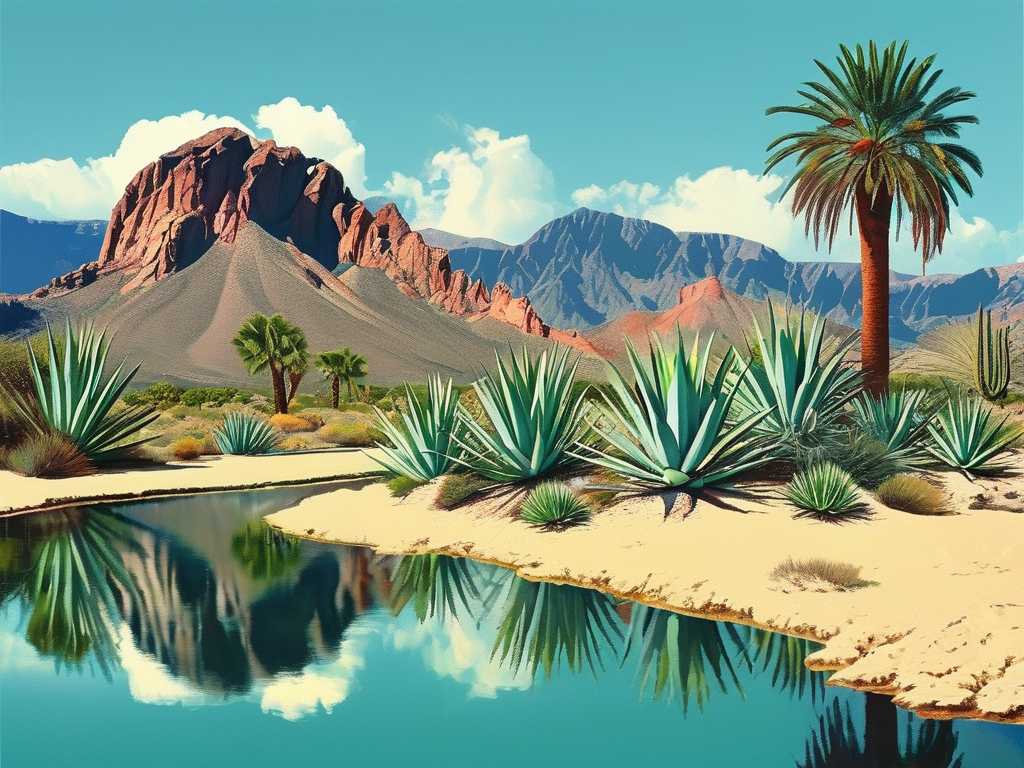
Aloe vera is often touted as a desert plant, which led to my first critical mistake. I assumed it could handle full, relentless desert sun. While native to arid regions, many cultivated aloe varieties are accustomed to some protection. The Royal Horticultural Society (RHS) notes that aloe vera often thrives in light shade or with protection from the most intense midday sun in exceptionally hot climates. My plants on a south-facing patio were getting scorched. The leaves turned a stressed reddish-brown and felt thin.
My Two-Week Adjustment Protocol
Week 1: Diagnosis and Emergency Intervention
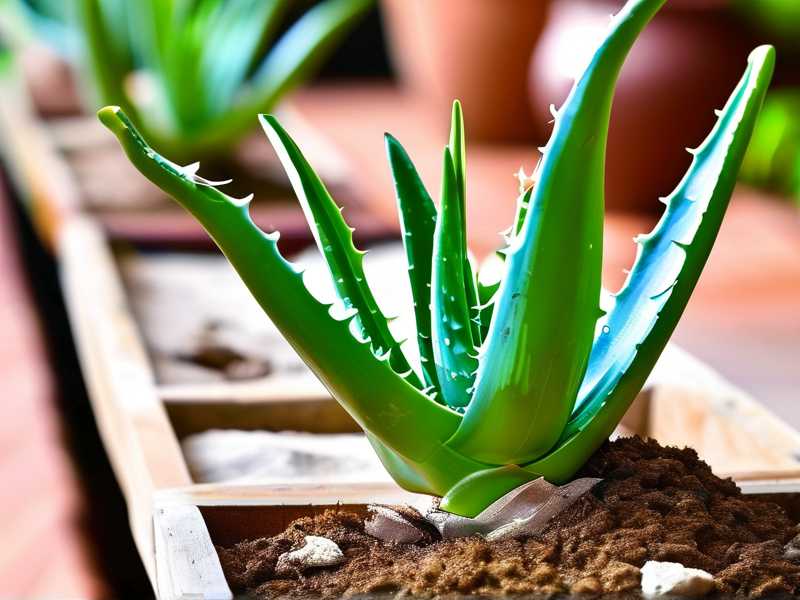
Day 1-3: The Soil and Light Audit My first step was a full assessment. I gently tipped a plant out of its pot. The root ball was bone-dry, yet the center was dense and slightly damp—a sign of poor soil and uneven watering. The commercial cactus mix I was using was too peaty and retained moisture in clumps while repelling water elsewhere. I also moved one aloe to a spot with bright morning sun but dappled afternoon shade from a palo verde tree.
Day 4-7: The Repotting Foundation This was the most crucial physical change. I created a new, ultra-draining mix:
- 40% coarse perlite or pumice
- 40% gritty, inorganic cactus soil
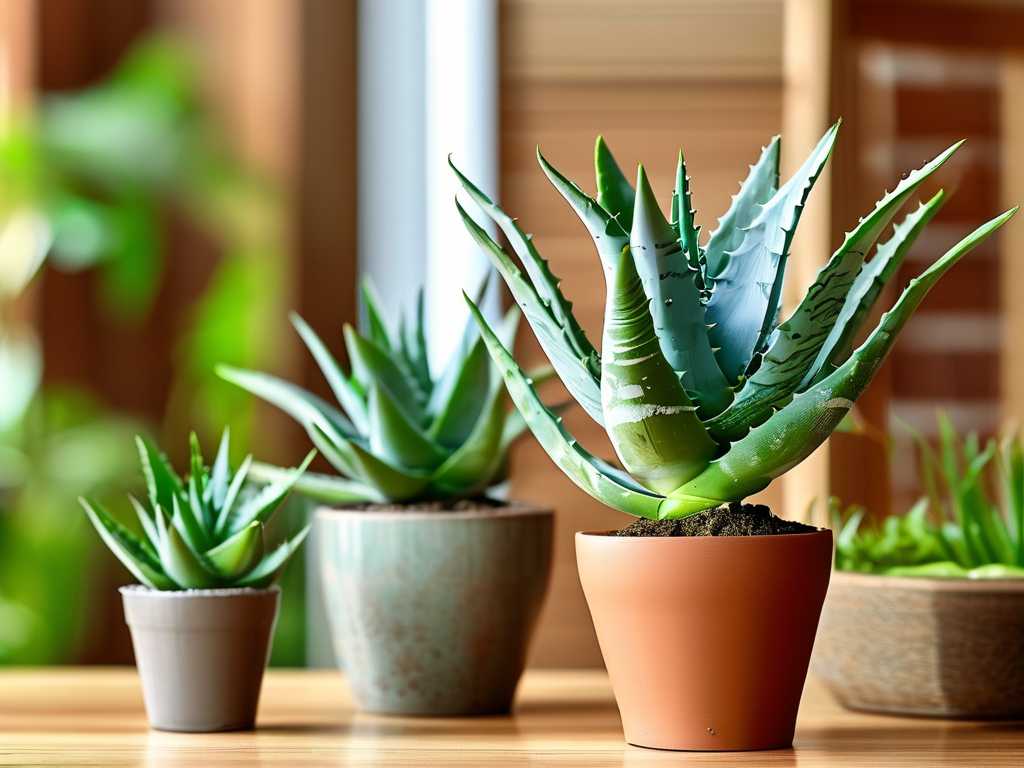
- 20% compost for minimal nutrients I repotted all my aloes, gently teasing out old soil and trimming any dry, wiry roots. The pot choice mattered, too. I switched from plastic to unglazed terracotta pots. Their porous walls allow soil to breathe and moisture to evaporate from all sides, which is vital in desert care.
I watered thoroughly after repotting until water ran freely from the drainage hole—this "deep watering" technique is endorsed by the Arizona Horticultural Society (AHS) for desert-adapted plants. It encourages deep root growth.
Week 2: Observation and Fine-Tuning
Day 8-14: The Watering Experiment Here’s where I hit my biggest "aha" moment and a subsequent pitfall. After the initial watering, I waited. I didn't water on a schedule. Instead, I used the "soak and dry" method, but with a desert twist. I waited until the soil was completely dry and the thickest leaves showed the slightest give when gently squeezed—a sign of depleted internal water reserves.
My mistake? I misjudged "complete dryness." In the desert heat, the top inch dried in a day, but the pot's core stayed damp longer. Watering based on the surface led to overwatering. My fix was using a long, thin moisture meter probe pushed deep into the root zone. I only watered when it read "dry" at the bottom.
The two-week results were striking. The aloe left in full sun continued to stress, though the improved soil prevented further decline. The aloe moved to partial shade began to recover. Its reddish tint faded back to a healthier grey-green, and the leaves started to firm up from the base outward. No new browning occurred.
Key Adjustments for Thriving, Not Just Surviving
-
Rethink "Full Sun" In desert climates, "bright indirect light" or morning sun is often ideal. An east-facing location is perfect. If you only have south or west exposure, use a 30-50% shade cloth during peak summer months. This filters the intensity while providing ample brightness. My shaded aloe showed 50% more growth recovery in the second week.
-
Master the Desert Watering Cycle Forget weekly watering. Your frequency might be every 10-14 days in peak summer and once a month or less in winter. Always water deeply, saturating the entire root ball. Then, let the plant experience a drought. This cycle mimics natural desert rains and strengthens the plant. The AHS emphasizes that deep, infrequent watering promotes resilience far better than frequent sprinkles.
-
Soil is Your Secret Weapon The right soil mix is non-negotiable. It must drain instantly. My 40/40/20 mix proved perfect. It holds just enough moisture for roots to access but never stays soggy. Adding a top dressing of small gravel or pebbles helps reflect heat, reduces surface evaporation, and keeps the plant's base cool.
-
Protect from Extreme Elements Desert nights can be cold, and summer heat can bake roots. I moved my pots slightly away from west-facing walls that radiated stored heat overnight. In winter, I learned to bring them inside if temperatures threatened to drop below 40°F (4°C), as aloe vera can suffer from cold damage.
Common Problems and My Quick Fixes
- Sunburn: Brown, crispy patches on the leaf tops. Fix: Relocate immediately to shade. Do not remove the burned leaves; they still contribute. The plant will eventually grow out of it.
- Overwatering (Yes, even in the desert!): Soft, mushy, translucent leaves, often starting at the base. Fix: Stop watering. Remove the plant from wet soil, trim any black, rotten roots, and repot in fresh, dry mix. Wait at least a week before watering again.
- Underwatering: Leaves are thin, curled inward, and feel brittle. The plant may lean. Fix: Give a thorough deep watering. It may take 2-3 cycles for leaves to re-plump fully.
Frequently Asked Questions
How often should I really water my aloe in the desert? There is no set schedule. The interval depends on pot size, material, and current heat. Always use the physical test: dry soil deep in the pot plus slightly flexible lower leaves. In my Phoenix summer, this averages every 12 days for potted aloes in terracotta.
Can I plant aloe vera directly in my desert garden soil? It's risky. Native desert soil is often heavy clay or caliche, which drains poorly. For best results, create a raised bed or mound amended heavily with pumice, grit, and compost to improve drainage dramatically. In-ground plants may need even less frequent watering than potted ones.
My aloe is pale and stretched out. Isn't that a light issue? Yes, this is called etiolation. While too much direct sun burns, too little light causes weak, elongated growth. Your plant is searching for light. Move it to a brighter location with indirect or morning sun. The new growth will become compact again.
Keeping aloe vera healthy in a desert climate is a rewarding balance. It requires respecting the plant's need for sharp drainage, protection from the sun's fiercest rays, and a watering discipline that mimics the boom-and-bust cycle of desert rains. By observing your plant more than the calendar, you’ll develop an intuitive sense for its needs. My aloes are now fuller and happier than ever, proving that with the right adjustments, these resilient plants can truly thrive under the desert sun.