bluename
 Aloe Vera for Sun Damage Repair: My Long-Term Healing Journey
I’ll be honest—I got a little too confident with the spring sunshine. As a plant lover, I spend hours in my garden, and despite my hat and intentions, my forearms and cheeks ended up with that telltale pink, tight, and painful look of a sunburn. I knew I needed to act fast, not just for immediate relief but to address the potential long-term sun damage. That’s when I turned to my most trusted green ally: the Aloe Vera plant. For years, I’ve cultivated these succulents for their beauty and air-purifying qualities, but now, I was putting Aloe Vera for sun damage repair to a serious, personal test. This is my detailed, two-week account of using fresh aloe gel, the results I observed, the mistakes I made, and the long-term tips that truly made a difference.
Why I Trust Fresh Aloe Vera Over Bottled Gels
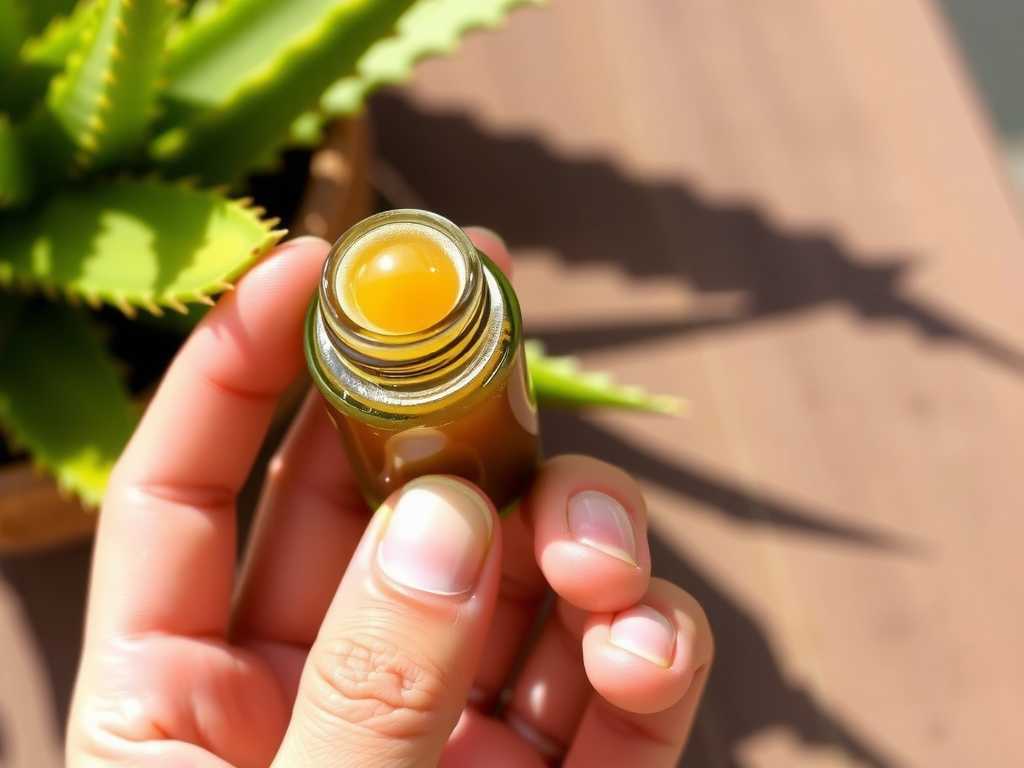
Before diving into my routine, it’s crucial to understand why aloe works. Sunburn is an inflammatory response to UV radiation damaging skin cells. According to research highlighted by the American Skin Association (ASA), aloe vera contains compounds like polysaccharides and glycoproteins that are clinically recognized for their soothing, anti-inflammatory, and wound-healing properties. A report from the International Journal of Dermatology notes that aloe vera can significantly reduce healing time for first and second-degree burns.
My reason for using the fresh plant is simple: purity. Many commercial gels contain fillers, preservatives, and even colorants that can irritate damaged skin. By harvesting directly from the leaf, I ensure I’m getting 100% pure aloe vera gel, packed with active enzymes and nutrients.
My Two-Week Aloe Vera Sun Damage Repair Protocol
My goal was twofold: soothe the acute burn and then work on repairing the skin’s texture and reducing redness over time.
Week 1: The Acute Phase (Days 1-7)
The first week was all about cooling, hydrating, and calming the intense inflammation.
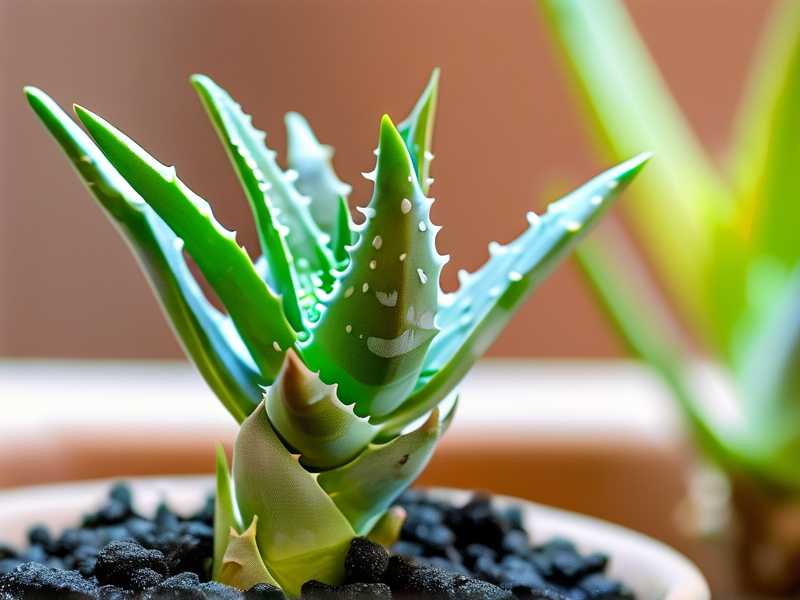
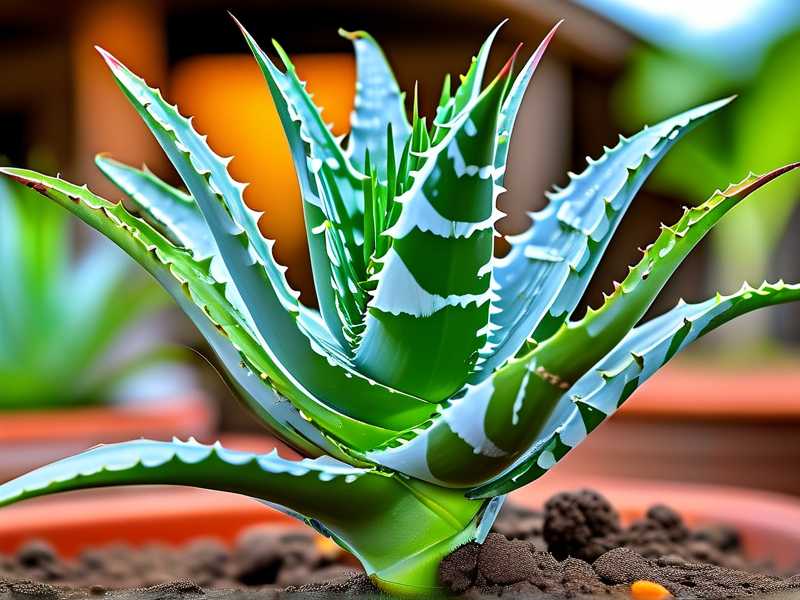
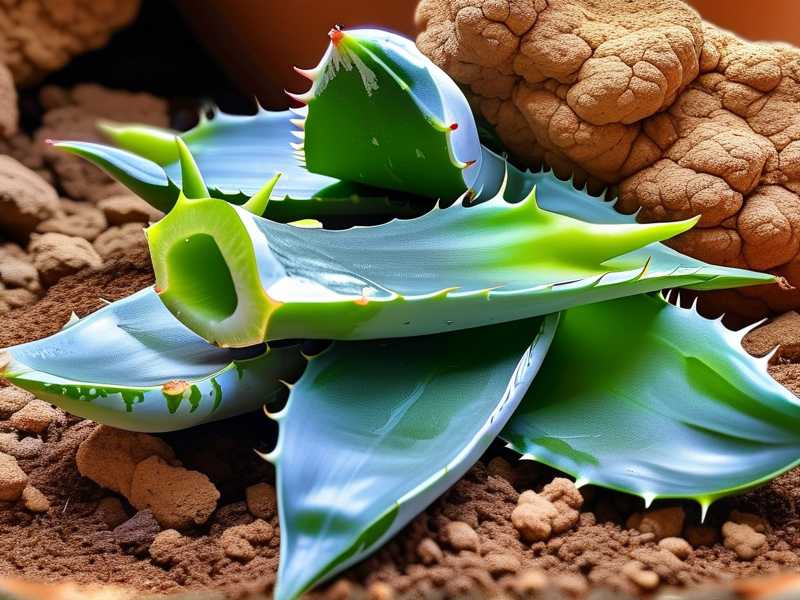
- Harvesting & Preparation: I selected a mature, outer leaf from my plant, cutting it at the base with a clean knife. I let the yellow, latex-like sap (which contains aloin, a potential irritant) drain for a few minutes. Then, I filleted the leaf, scooping out the clear inner gel with a spoon into a clean glass bowl. I used a fork to whip it into a smoother consistency. Important: I only prepared a small amount for immediate use to avoid bacterial growth.
- Application Routine: For the first 72 hours, I applied a thick, chilled layer of fresh aloe gel every 3-4 hours. I did not rub it in. Instead, I gently patted it on and let it air-dry, forming a soothing, protective layer. Before each application, I rinsed the area with cool water and patted it dry.
- Immediate Observations: The cooling sensation was instant and profound. Within the first two days, the stinging pain subsided significantly. The tightness began to ease. By day 4, the pink color had faded from a angry red to a calmer pink, and the peeling process started—a sign the skin was beginning its renewal cycle. I was meticulous about not picking or pulling at any peeling skin.
The First "Gotcha" Moment and Fix
Here was my first mistake: I didn’t do a patch test. On day 2, a small area on my wrist became itchier. While rare, some people can be sensitive to fresh aloe. I immediately washed off the gel. For that specific spot, I switched to a fragrance-free, bland moisturizer for 24 hours. For the rest of my skin, I continued with aloe but made sure my skin was completely clean of any other products (like sunscreen residue from earlier) before application. The irritation subsided quickly. Lesson learned: Always test a small amount on an unaffected area first.
Week 2: The Repair & Rehydration Phase (Days 8-14)
Once the acute peeling slowed, my focus shifted to healing sun-damaged skin long-term and improving skin texture.
- Evolved Routine: I reduced application to twice daily—morning and night. After a gentle cleanse, I would apply a thinner layer of aloe gel, but now I would massage it in very gently until fully absorbed. This encouraged circulation and penetration of the nutrients.
- Combining with Moisturizer: About 15 minutes after applying the aloe, I followed up with a few drops of pure jojoba oil. Aloe is a fantastic humectant (draws moisture in), but it’s not a great occlusive (locks moisture in). The jojoba oil sealed in the aloe’s hydration, creating a perfect, non-greasy barrier. This combination was a game-changer for preventing the dry, papery texture that often follows a sunburn.
- Observations and Results: By day 10, the new skin underneath was noticeably smoother. The residual redness (post-inflammatory erythema) had faded by at least 50%. Any lingering sensitivity was gone. The skin felt supple and resilient, not fragile. Most importantly, the areas I had treated consistently showed a more even skin tone compared to a minor patch I’d missed, which remained slightly darker and drier.
The Second Pitfall and Solution
My second mistake was inconsistent sun protection. On day 9, I went out briefly without reapplying sunscreen on my healed-but-still-recovering arms. Even that short exposure caused a slight return of pinkness. It was a stark reminder that new skin is incredibly vulnerable. I immediately became militant about sunscreen. My new rule: Aloe for repair at night, and a high-SPF, mineral-based broad-spectrum sunscreen every single morning, without fail. This is the most critical long-term tip for using aloe vera—it repairs, but it does not replace sunscreen. They must work as a team.
Long-Term Integration: Making Aloe a Sustainable Part of Skin Health
My two-week intensive trial proved the value of aloe, but true sun damage skin repair is a marathon. Here’s how I’ve integrated it for ongoing care:
- Weekly Maintenance Mask: I now whip a fresh batch of aloe gel every Sunday, mix it with a teaspoon of raw honey (a natural antibacterial humectant), and apply it as a 20-minute mask to my face and any sun-exposed areas. This boosts hydration and provides ongoing anti-inflammatory benefits.
- Post-Sun Care, Every Time: Any day I spend significant time outdoors, even with sunscreen, I apply a layer of fresh aloe after my evening shower. It’s a proactive way to calm any sub-clinical inflammation before it manifests as damage.
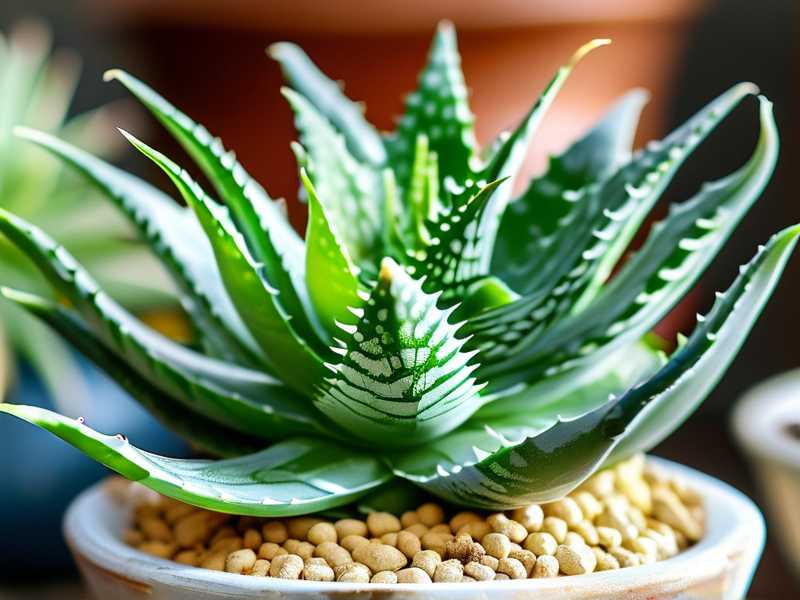
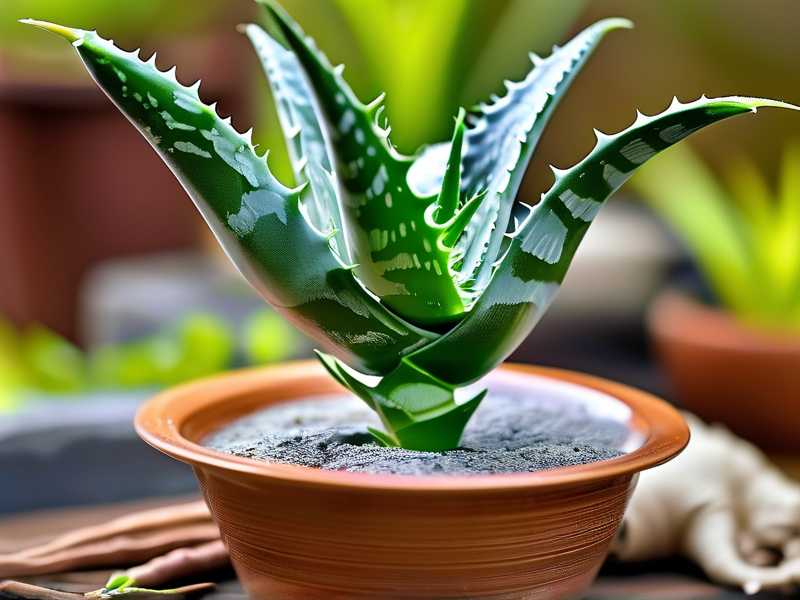
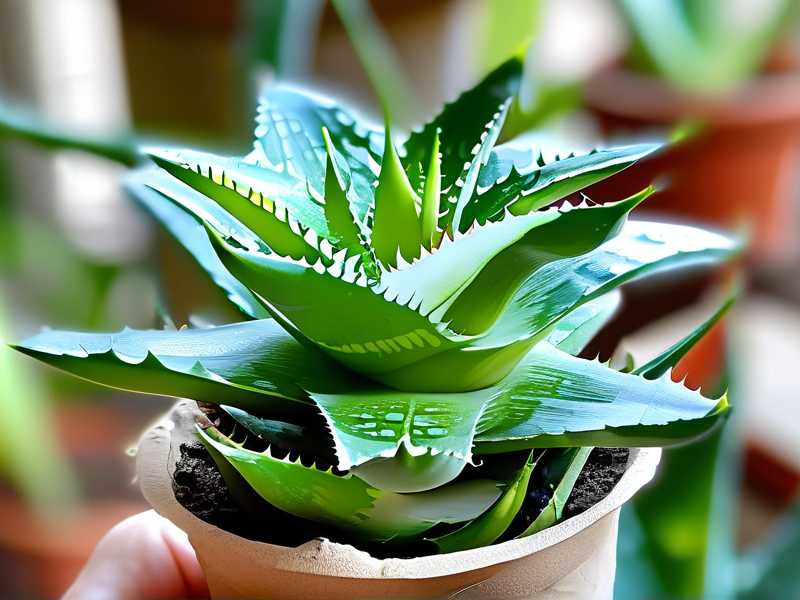
- The Plant Care Connection: To ensure a steady supply, I care for my aloe plants with well-draining soil, bright indirect light, and infrequent but deep watering. A healthy plant yields the most nutrient-dense gel.
Your Questions, Answered
Can I use store-bought aloe vera gel instead? You can, but you must be a label detective. Look for gels where “Aloe Barbadensis Leaf Juice” is the first ingredient, not water. Avoid products with alcohol, fragrances, and artificial colors. For serious repair, fresh is best, but a high-quality, pure store-bought gel is a good alternative.
How long does it take for aloe vera to fade sunspots? Aloe vera can help improve overall skin tone and support the skin's natural renewal process, which may gradually lighten superficial discoloration over time. However, for established sunspots (hyperpigmentation), aloe works best as part of a regimen that includes consistent sunscreen use (to prevent darkening) and potentially other targeted ingredients like vitamin C. Don’t expect overnight miracles; think in terms of months of consistent use.
My skin feels sticky after applying fresh aloe. What am I doing wrong? You’re likely applying too much. A thin, even layer is all you need. Whip the gel thoroughly to break it down, and massage it gently until absorbed. If a slight film remains, it’s okay—it’s still working. You can also follow with that light occlusive like jojoba oil after 10 minutes, which eliminates the sticky feel.
My journey with aloe vera for sun damage was enlightening. It confirmed its power as a profound soother and a legitimate partner in long-term skin repair. The key takeaways are purity, consistency, and the non-negotiable partnership with sun protection. The plant on my windowsill is no longer just decor; it’s an essential part of my skin health toolkit, offering a pure, potent dose of healing straight from nature.