bluename
 Can Aloe Vera Grow in a Bathroom? My 2-Week Experiment Reveals the Truth
I’ve always loved the idea of a bathroom oasis. The steam, the quiet, the greenery—it seemed perfect. But as a plant enthusiast, I knew not every plant thrives in that unique environment. The question nagged at me: can aloe vera grow in a bathroom? I’ve seen the stunning Pinterest photos, but was it just a pretty fantasy? I decided to stop wondering and start testing. I moved one of my mature aloe vera plants into my master bathroom for a full two weeks to document everything: the setup, the daily changes, the surprises, and the final verdict.
My bathroom has a small, north-facing window. It’s not a bright, sunny space, but it gets consistent, soft indirect light for most of the day. Humidity, of course, spikes dramatically during and after showers. This experiment wasn't about creating perfect greenhouse conditions; it was about testing real-life, bathroom growing conditions for a succulent known for loving dry, bright deserts.
Setting the Stage: My Aloe Vera Bathroom Setup
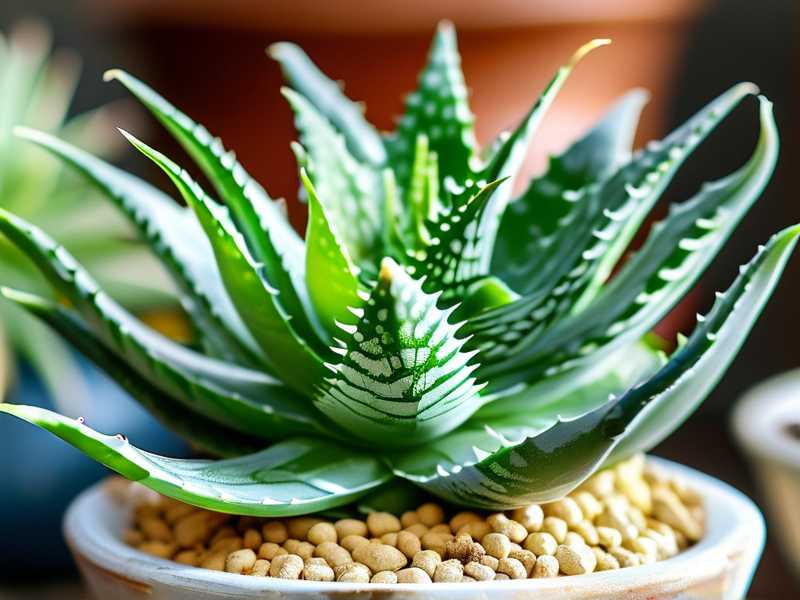
I didn’t just plop the plant on the counter and hope for the best. Preparation was key. I started with a healthy, established aloe that had been living happily on a sunny kitchen windowsill. Its potting mix was a fast-draining cactus and succulent blend, which was non-negotiable. The pot had a large drainage hole—critical for any environment, but especially a humid one.
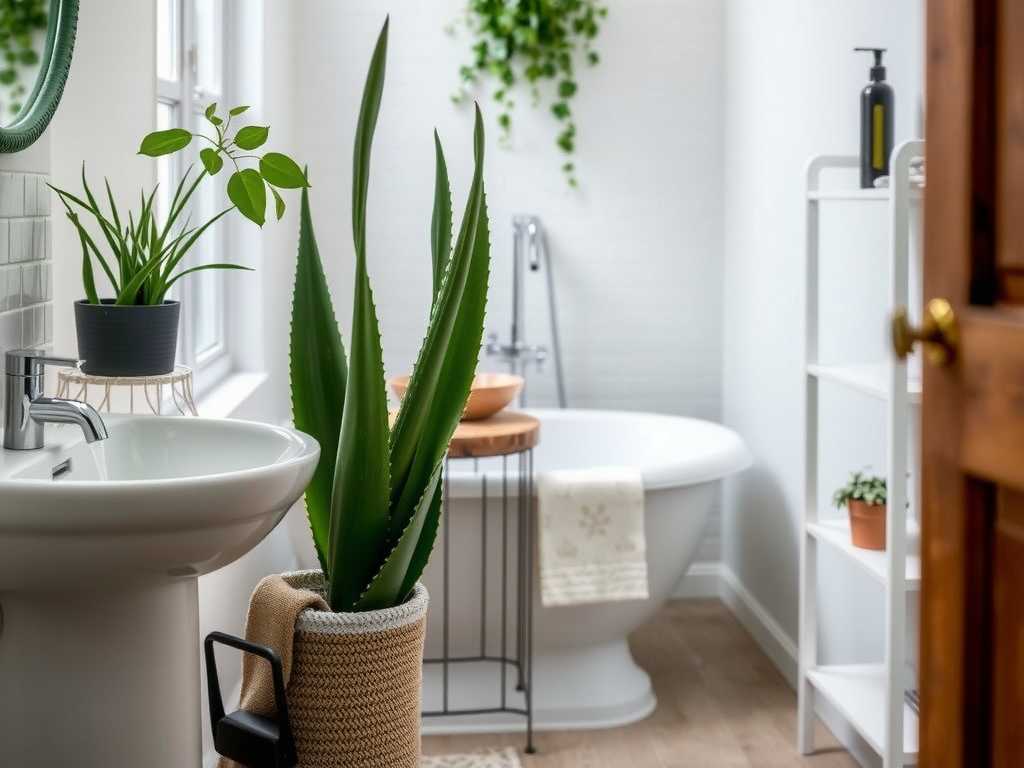
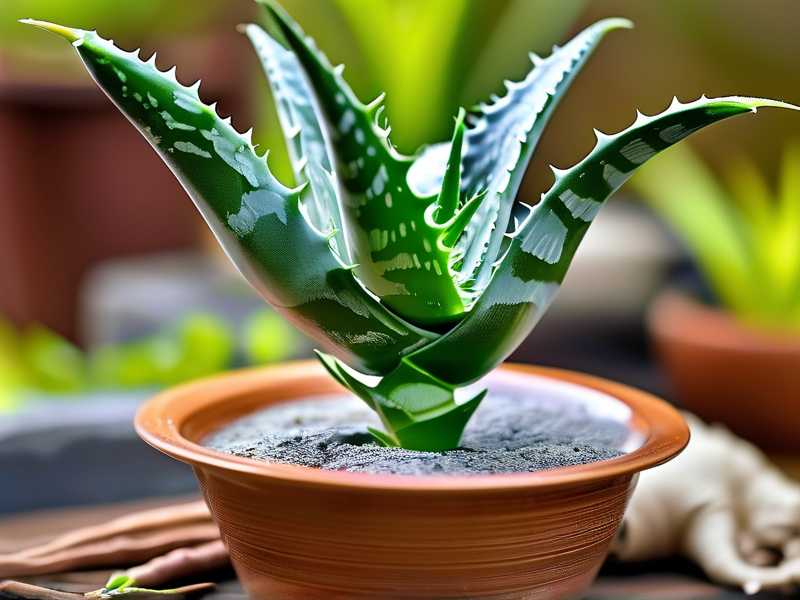
I chose a spot about three feet from the window, on a wooden shelf. This ensured it received ambient light without being in a potential draft from the window or too close to the heat of light fixtures. I placed a small saucer underneath, but I made a mental note to be extra vigilant about emptying any collected water. My goal was to simulate the ideal bathroom environment for plants by leveraging the humidity while mitigating the biggest risk: overwatering and root rot.
The Two-Week Observation Diary: Growth, Gloom, and Adjustments
Days 1-3: The Acclimation Period The first few days were uneventful. The plant looked fine. The soil, which usually dried out in 3-4 days in the kitchen, was still noticeably damp on the surface by day 3. This was my first red flag. The ambient humidity was slowing evaporation dramatically. I resisted the urge to water, which is a common mistake. The Royal Horticultural Society (RHS) emphasizes that overwatering is the single biggest killer of pot plants, and succulents are especially vulnerable.
Days 4-7: The First Challenge Appears By day 5, I noticed the very base of one outer leaf starting to feel slightly soft and discolored—a classic sign of too much moisture. My heart sank. This was the "pit" I had feared. I immediately took two corrective actions. First, I moved the plant closer to the window, giving it the brightest possible spot to help the soil dry. Second, I gently fanned the soil surface for a few minutes after my showers to disperse the heavy, stagnant humid air around the pot. According to the American Horticultural Society (AHS), good air circulation is crucial for preventing fungal diseases in high-humidity settings.
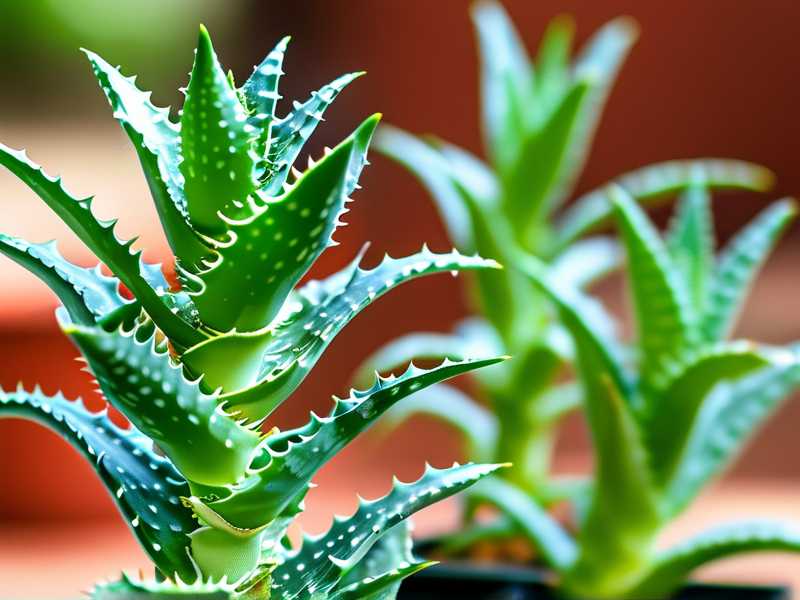
Days 8-14: Signs of Stability and a Surprise After my interventions, the plant stabilized. The soft leaf did not recover; I carefully removed it to prevent any potential spread of rot. However, I observed something fascinating: the newer, central leaves seemed plumper and had a deeper, richer green hue compared to their siblings in the dry kitchen. The humidity benefits for aloe vera were showing! The plant was absorbing moisture from the air, which can be beneficial as long as the roots aren’t sitting in wet soil. No new growth emerged (it was only two weeks, after all), but the plant’s core looked healthy and vibrant.
The Key Factors for Success (And the Pitfalls to Avoid)
My experiment taught me that growing aloe in a bathroom is a balancing act. It’s not a simple yes or no answer; it’s a "yes, if."
Light is Non-Negotiable A bright bathroom is essential. A dark, windowless bathroom will lead to etiolation—where the plant stretches weakly and loses its compact form—and eventual decline. My north-facing window provided the bare minimum. An east or south-facing window would be ideal. If you only have low light, this experiment strongly suggests considering a different, more shade-tolerant plant.
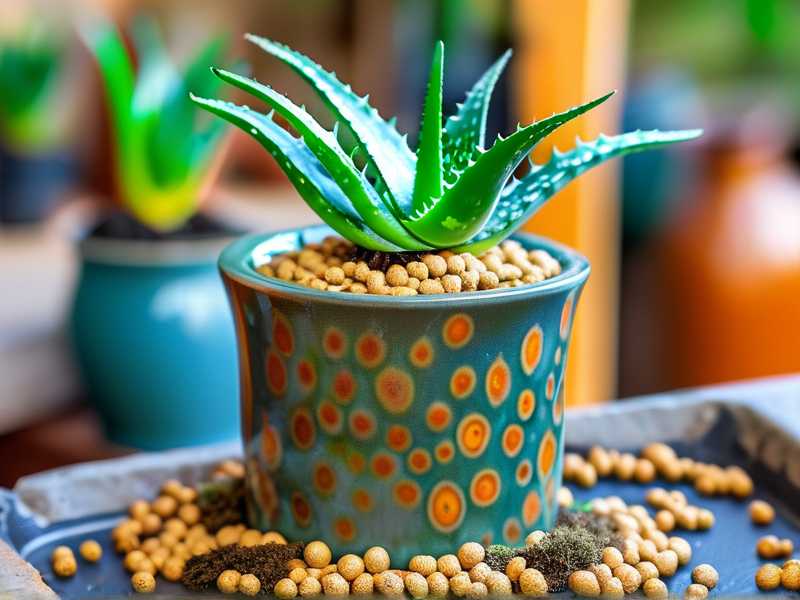
Humidity: Friend and Foe The high humidity was a double-edged sword. It helped the leaves stay hydrated, reducing my need to water. In two weeks, I did not water the plant once, whereas I would have watered it at least once in my kitchen. However, it also created a high-risk environment for root and stem rot. The fix? A perfectly draining potting mix and a pot with excellent drainage are more critical here than anywhere else. Terracotta pots, which breathe, are superior to plastic or ceramic in this scenario.
Watering: Less is Infinitely More This is the biggest takeaway. Your watering schedule must be completely recalibrated. Do not water on a timetable. Always, always check the soil. I stuck my finger two inches deep. If it felt at all cool or damp, I waited. In a humid bathroom, the interval between waterings could be double or triple what it is in a drier room.
So, Can You Keep an Aloe Vera Plant in the Bathroom?
After 14 days of close observation, my answer is a cautious yes. The experiment showed that aloe vera bathroom survival is possible with the right conditions. The plant enjoyed the atmospheric moisture but was perilously close to suffering from the wet soil conditions that humidity encourages. The success hinges entirely on providing enough light and mastering a hands-off watering approach.
For me, the experiment continues. I’ve left the aloe in the bathroom but on a strict "observe, don’t water" regime. It’s become a lesson in reading the plant’s cues rather than following my own routines.
How often should I water my bathroom aloe vera? There is no set schedule. Water only when the soil is completely dry, at least two inches down. In a humid bathroom, this could mean watering every 4-6 weeks or even longer, depending on light and temperature. When in doubt, wait another week.
What are the signs my bathroom aloe isn’t getting enough light? Look for the plant stretching or leaning dramatically toward the light source, leaves becoming flatter and less upright, and a general fading or loss of the rich green color. Growth will also be very slow or non-existent.
My aloe’s leaves are turning brown and mushy. What should I do? This is almost certainly root rot from overwatering. Immediately remove the plant from its pot, cut away any black, mushy roots and leaves with a sterile knife, and let the plant and its root ball air dry for a day or two. Repot in fresh, dry cactus mix and do not water for at least a week. Place it in the brightest spot possible and hope for recovery.