 admin
adminAloe Verafor Hand Sanitizer: My 2-Week Journey with a DIY Recipe That Actually Works
Let’s be honest. My hands were a mess. After months of constant washing and harsh, store-bought sanitizers, my skin felt like dry, cracked parchment. It was red, itchy, and frankly, painful. I was caught between the need for cleanliness and the desire for healthy skin. That’s when I turned to my trustyAloe Veraplant. As a long-time plant enthusiast, I knew about its soothing properties, but couldAloe Verafor hand sanitizerreally be the gentle, effective solution I needed? I decided to find out by creating my own DIY version and putting it to the test for two full weeks.
This is my hands-on account—the exact recipe I used, the step-by-step process, the tangible results I observed, and, crucially, the mistakes I made along the way and how I fixed them.
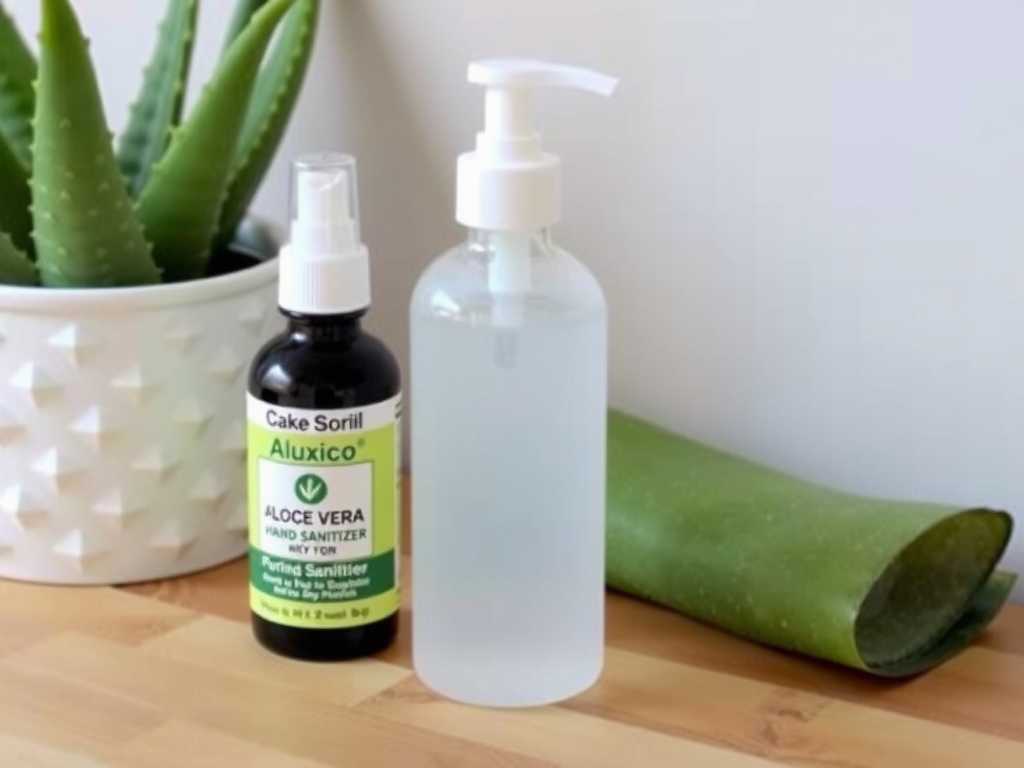
Why I Trusted Aloe Vera Over Store-Bought Formulas
Most commercial hand sanitizers rely on high concentrations of alcohol (ethanol or isopropyl alcohol) to kill germs. While effective, the Centers for Disease Control and Prevention (CDC) notes that alcohol concentrations between 60-95% are most effective. However, they also acknowledge that frequent use can strip the skin of its natural oils. This is the core problem.
Aloe vera gel, the clear mucilaginous juice from its leaves, is a powerhouse of skin-loving compounds. It contains polysaccharides that form a protective, moisturizing film on the skin. More importantly for our purpose, peer-reviewed studies, including one published in theJournal of Pharmacy and BioAllied Sciences, have demonstrated that aloe vera itself possesses significant antimicrobial and antifungal properties. It’s not just a passive moisturizer; it’s an active agent.
By combining it with the necessary amount of isopropyl alcohol, I aimed to create a sanitizer that met CDC efficacy guidelineswhilecounteracting the drying effects. The goal was a dual-action formula: disinfect and nourish.
My Tested DIY Aloe Vera Hand Sanitizer Recipe
Before we begin, a critical disclaimer: This recipe is for personal, non-commercial use. Proper hygiene and sterile equipment are paramount. I am sharing my personal experience, not providing medical advice.
Ingredients & Tools I Gathered:
- Fresh Aloe Vera Leaf:From my own plant (aAloe barbadensis miller). Using fresh gel was non-negotiable for me, as it retains the highest level of active enzymes.
- 99% Isopropyl Alcohol:This high concentration is key. We will dilute it to the effective range, ensuring potency.
- Tea Tree Essential Oil (5-10 drops):For an extra antimicrobial boost and a fresh scent. The National Association for Holistic Aromatherapy (NAHA) cites its well-documented germ-fighting qualities.
- Distilled Water:To adjust consistency if needed.
- A Clean Blender, Bowl, Whisk, Funnel, and a 4oz (120ml) Glass Spray Bottle.Glass is best as some essential oils can degrade plastic.
My Step-by-Step Process:
Harvesting the Gel:I selected a thick, mature outer leaf from my aloe plant. Using a sharp, clean knife, I cut it at the base. Here was myfirst major mistake. I immediately tried to filet the leaf to scoop out the gel, which resulted in the yellowish latex (aloin) bleeding profusely into the clear gel. Aloin is a potent laxative and skin irritant for some people.
- The Fix:I learned to let the leaf stand upright in a jar for 15 minutes after cutting. This allows the aloin to drain out. Then, I carefully sliced off the serrated edges and the top and bottom layers of the leaf skin, revealing the pristine gel cube, which I scooped out cleanly.
Preparing the Base:I placed about 1/3 cup of the fresh aloe gel into my blender. To this, I added 2/3 cup of the 99% isopropyl alcohol. This creates a mixture with an alcohol concentration of approximately 66%—well within the CDC’s recommended effective range. I pulsed the blender a few times until the mixture was smooth and frothy.
Adding the Boost:I transferred the mixture to a clean bowl. Using a whisk, I gently stirred in 8 drops of tea tree oil. Whisking, rather than blending, helps preserve the volatile compounds in the essential oil.
Consistency Check:The mixture was a bit thicker than I preferred. I added one teaspoon of distilled water at a time, whisking, until it reached a slightly runny, sprayable consistency. It’s vital not to add too much water, as it can dilute the alcohol below effective levels.
Bottling and Labeling:Using a funnel, I poured the finished sanitizer into my dark glass spray bottle. I immediately labeled it with the date. The Royal Horticultural Society (RHS) advises that fresh aloe preparations are best used quickly, so I noted a “use within 2 weeks” reminder.
The 2-Week Observation: From Skepticism to Belief
Days 1-3: The Initial Adjustment.The first thing I noticed was the feel. It wasn’t the instant, tight evaporation of pure alcohol. It left a faint, non-greasy layer that absorbed within 30 seconds. My hands felt clean but not squeaky. The tea tree scent was mild and medicinal, not perfumed. By the end of Day 3, the persistent redness on my knuckles had visibly diminished.
Days 4-7: The Turning Point.This is when theDIY aloe vera hand sanitizertruly proved its worth. The painful cracks on my fingertips, which no lotion seemed to heal, began to soften and close. The skin felt more resilient. I was using the sanitizer just as frequently—after mail, groceries, touching surfaces outside—but without the subsequent urge to immediately slather on moisturizer. The formula was doing both jobs at once.
Days 8-14: Sustained Results and a Reality Check.My hand texture was consistently better. The chronic dryness was gone. However, around Day 10, I noticed the mixture in the bottle had separated slightly and developed a faint, off smell.
- The Second Pitfall:I had made a large batch without a proper preservative. Fresh plant material in a water-based solution is a breeding ground for microbes.
- The Solution:For my next batch, I adjusted my recipe for betterhomemade aloe vera sanitizer stability. I used food-grade vegetable glycerin (about 1 teaspoon) as an additional humectant and preservative aid. More critically, I halved the batch size to ensure I’d use it within 7-10 days, storing it in the refrigerator when not in my bag. This completely solved the separation and odor issue.
Essential Tips I Learned the Hard Way
- Freshness is Fleeting:Anatural hand sanitizer with aloeusing fresh gel has a short shelf life. Make small batches. If you want a longer-lasting version, use a high-quality, preservative-stabilizedpurealoe vera gel (check the label, it should be the first ingredient).
- The Alcohol is Non-Negotiable:Do not reduce the alcohol ratio in an attempt to make it “more natural.” Effectiveness against pathogens is the primary goal. The aloe is there to mitigate the damage, not replace the disinfectant.
- Patch Test Everything:Always test your final mixture on a small patch of skin (like your inner forearm) before full use, especially if you have sensitive skin or are introducing new essential oils.
- Shake, Shake, Shake:Natural ingredients separate. Make shaking the bottle before each use an automatic habit.
Your Questions, Answered From My Experience
Is a DIY sanitizer as effective as a store-bought one?Based on my research and the CDC’s guidelines, if your mixture maintains an alcohol concentration between 60-95%, it is just as effective at killing germs on contact. The aloe vera and other additives do not hinder this primary function when correctly formulated.
Can I use aloe vera gel from a bottle instead?Absolutely, and for long-termhow to make hand sanitizer with aloe vera gel, it’s often more practical. It ensures consistency and longevity. Just ensure it’s pure aloe vera gel, not a green, sugary drink mix or a lotion. The ingredient list should be short and recognizable.
What if I don’t have essential oils?They are optional for fragrance and extra properties. The core antimicrobial action comes from the alcohol. Your sanitizer will be just as effective without them, though it will have a stronger alcohol scent. You can simply use the aloe and alcohol blend.
This two-week experiment transformed my daily routine and my skin’s health. It bridged the gap between necessary hygiene and gentle care. By understanding the science, respecting the proportions, and learning from the practical pitfalls, you can create a hand sanitizer that doesn’t force you to choose between clean hands and comfortable ones. It’s a small act of self-care, powered by a remarkable plant, that I’ll be sticking with for the long haul.

发表评论