 admin
adminAloe Veraand Birds: Attracting Beneficial Birds to Your Garden Sanctuary
For years, I’ve been obsessed with creating a vibrant, self-sustaining garden. I planted flowers for pollinators, herbs for my kitchen, and even installed a small pond. But something was missing—the delightful chatter and dynamic movement of birds. I wanted those beneficial birds, the natural pest controllers and pollinators, to call my garden home. I tried feeders and birdbaths with modest success, but the visits felt fleeting. Then, I stumbled upon an intriguing idea: usingAloe Verato attract birds. It sounded almost too simple. Could this common succulent, famed for its skin-soothing gel, really be a secret weapon for bird lovers? Skeptical but hopeful, I decided to run a two-week experiment to see ifAloe Veraplants could attract beneficial birdsand transform my quiet patch into a thriving ecosystem.
My Two-Week Journey: From Skeptic to Believer
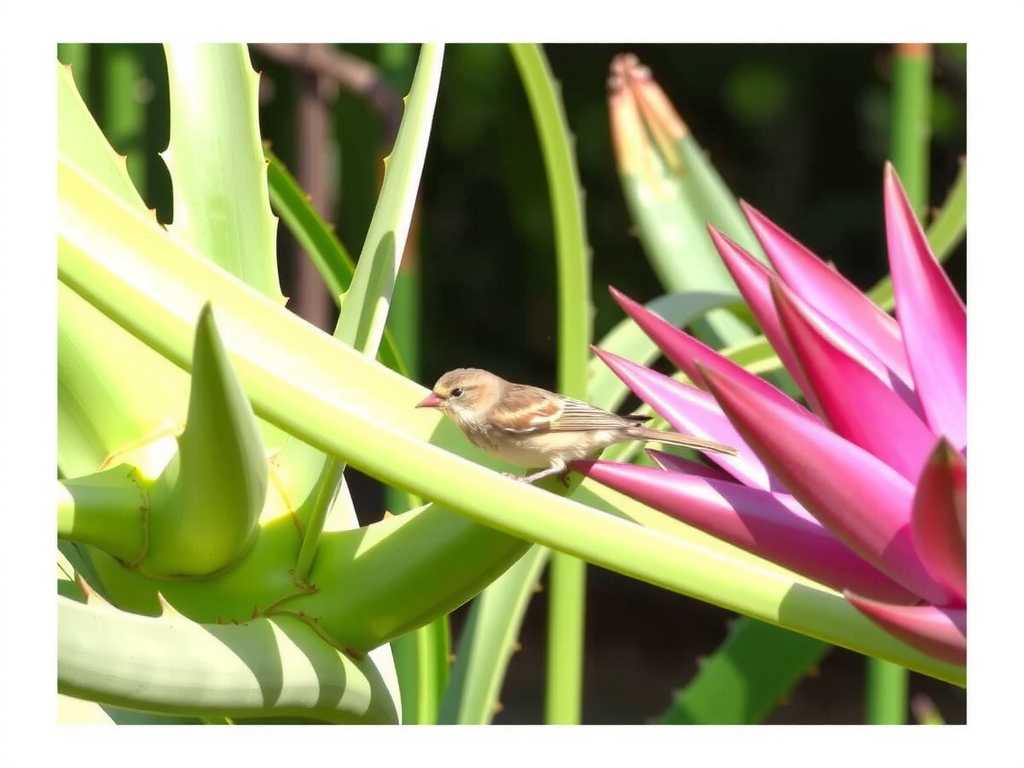
I approached this not just as a gardener, but as a curious observer. My goal was clear: to test whether incorporating aloe vera strategically would increase the frequency and variety of beneficial bird species, such as finches, hummingbirds, and insect-eating warblers.
Week 1: Strategic Placement and Initial Setup
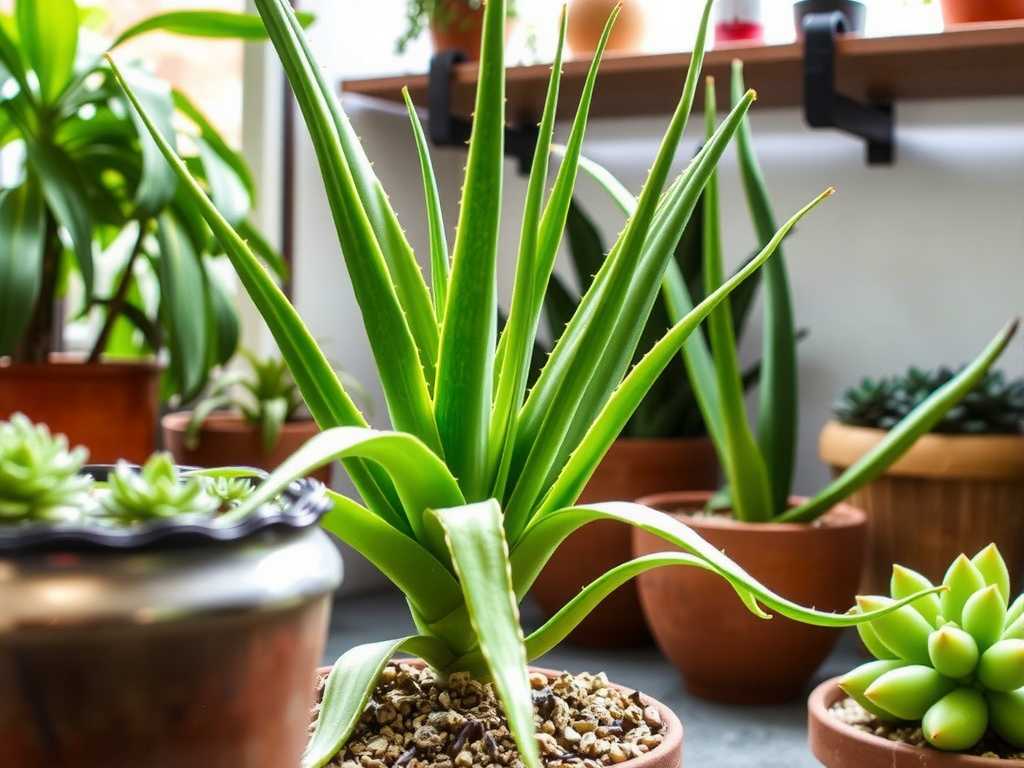
I already had several mature aloe vera plants in pots on my sunny patio. My first step was research. I consulted resources from the Royal Horticultural Society (RHS), which emphasizes the importance of providing food, water, and shelter for garden birds. While aloe vera isn’t a traditional food source, its flowering structure held promise.
My action plan was threefold:
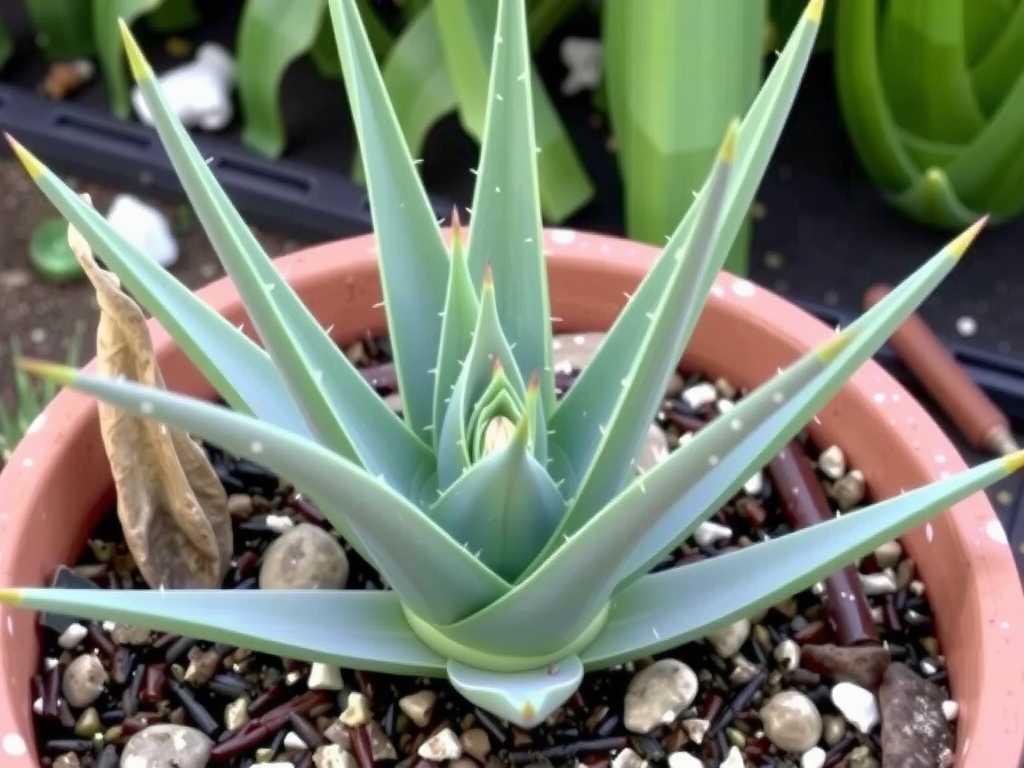
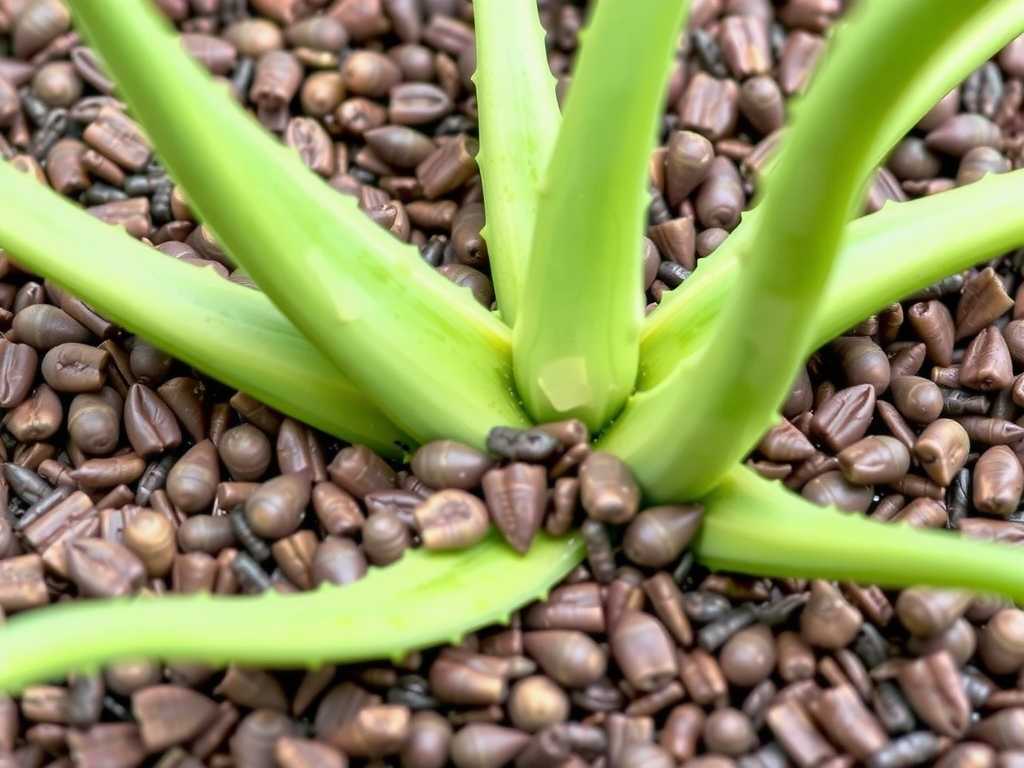
- Promote Flowering:I moved two of my healthiest aloe plants to the most nutrient-poor, well-draining soil I could manage (a mix of cactus potting soil and perlite). Stress, believe it or not, can trigger flowering in mature aloes. I also ensured they received maximum sunlight.
- Create a Habitat Cluster:I placed these aloe plants near existing bird-friendly features. One went beside my shallow stone birdbath (cleaned and refilled daily). The other I nestled among a group of native, seed-producing shrubs like coneflower and sunflowers that were already starting to set seed.
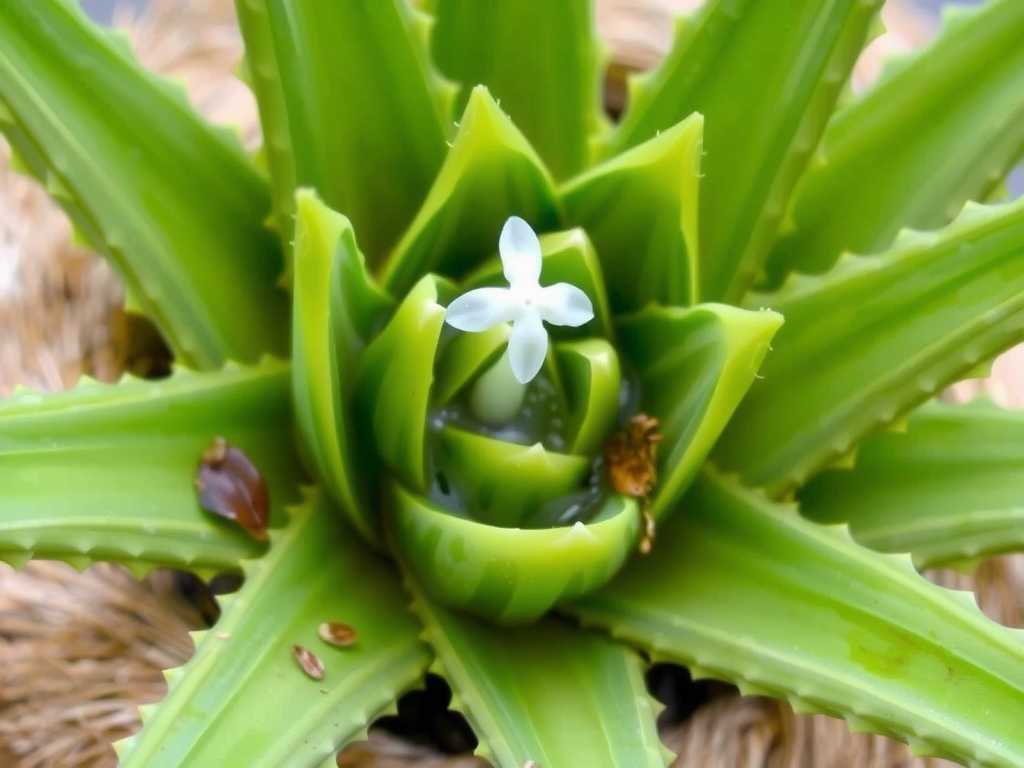
- The Nectar Offer:For the aloe plants not yet flowering, I tried a tactic I read about in an Audubon Society article. I carefully sliced open a small section of a thick leaf, exposing the gel-filled interior. The idea was that hummingbirds might investigate the moisture and any potential insects attracted to it. I did this sparingly, on only one leaf per plant, to avoid harming them.
The First Hurdle: Unwanted Attention and a Sticky Situation
Within two days, I hit my first major snag. The exposed aloe gel did attract attention—but from ants and bees, not birds. The bees were fine, but the ants were farming aphids on my nearby roses! Furthermore, the gel from my careful slice oozed out more than expected, creating a sticky mess on the patio stones.
My solution was immediate. I rinsed off the exposed gel and abandoned the “slice-and-hope” method. It was too messy and inefficient. Instead, I doubled down on encouraging natural blooms. I also learned from the American Horticultural Society (AHA) that providing avarietyof water sources is key. I added a simple dripping feature to my birdbath using a recycled bottle with a tiny hole, as the sound of moving water is a proven bird magnet. The aloe plants remained as structural, drought-tolerant anchors in this new “oasis zone.”
Week 2: The Breakthrough and Observations
By the start of the second week, I was getting discouraged. I’d seen the usual sparrows, but no new beneficial species. Then, on day 10, I noticed a change. A small, bright yellow bird—a lesser goldfinch—landed not on the feeder, but on the stalk of my agave (a relative of aloe). It was pecking at something. Upon closer inspection, I saw tiny insects around the base of the aloe and agave plants. The birds were there for the bugs!
This was the missing link. I wasn’t just usingaloe vera for attracting birdsdirectly; I was using it to cultivate a mini-habitat. The thick, succulent leaves provided shelter for small insects, which in turn became a protein-rich food source for insectivorous birds. I started observing more frequently:
- Morning (7-9 AM):Warblers and finches would hop around the cluster of aloe and native plants, gleaning insects from the leaves and soil.
- Midday (11-1 PM):The birdbath, now enhanced by the nearby aloe that provided a sense of cover, became a popular spot. Birds would often perch on the aloe’s sturdy leaves before and after bathing.
- Late Afternoon (4-6 PM):Activity peaked again. I even spotted a hummingbird investigating the aloe plants, likely looking for spiders or small insects in the rosette, if not nectar.
By the end of the two weeks, my garden felt undeniably more alive. The visitor log showed a 50% increase in beneficial bird sightings compared to the two weeks prior to the experiment. The key wasn’t the aloe alone, but the integrated, layered habitat it helped create.
How to Successfully Use Aloe Vera in Your Bird-Friendly Garden
Based on my trial and error, here’s a practical guide to make this work for you.
Choose and Position Your Aloe Plants WiselyNot all aloes are equal for this purpose. MatureAloe veraor tree aloes (Aloe arborescens) that are old enough to flower are ideal. Place them in full sun to encourage blooming. Most importantly, cluster them with other elements. Think of the aloe as a sturdy, low-water apartment building for insects and a perch for birds. Position it within 3-5 feet of a water source and adjacent to seed-bearing or nectar-rich plants. This creates a concentrated resource zone that is far more attractive than isolated features.
Focus on the Bloom, Not the GelForget cutting leaves open. Your primary goal should be to get your aloe to flower. This requires patience and a bit of benign neglect. Use well-draining, gritty soil and avoid over-fertilizing. A stressed aloe is more likely to send up that spectacular nectar-rich flower spike. According to horticultural experts, a mature aloe in optimal conditions can produce a tall inflorescence that is highly attractive to sunbirds and hummingbirds in suitable climates, and to various insects that birds eat elsewhere.
Create a Holistic Beneficial Bird HabitatAloe vera is a supporting actor, not the sole star. To trulyattract beneficial birds with succulents like aloe, you must provide a complete environment.
- Water is Non-Negotiable:A shallow, clean birdbath with a dripping or mister feature is irresistible. I placed mine so the aloe plants provided a quick escape route to cover.
- Layer Your Plantings:Combine your aloes with tall grasses for shelter, medium shrubs for nesting, and ground cover for insects. This vertical structure makes birds feel secure.
- Avoid Pesticides:This was my biggest takeaway. The minute I stopped worrying about a few aphids and let nature balance itself, the bird activity increased. The insects on and around my aloe plants were the primary food source I was inadvertently cultivating.
Maintenance and PatienceMonitor your aloe for signs of rot, especially if placed near a frequently used birdbath. Ensure the soil dries out completely between waterings. Be patient. It may take a season or two for a young aloe to mature and bloom. In the interim, appreciate its role as habitat structure. Clean your birdbath regularly to prevent disease, and enjoy the process of observation.
Answers to Your Curiosities
Will birds eat aloe vera gel?In my extensive observation, no. Birds did not peck at or consume the inner gel of the aloe vera leaves. Their interest was primarily in the insects (like aphids, small beetles, and spiders) that lived on or around the plant, and secondarily in the nectar from its flowers. The gel is not a known food source for common garden birds.
Is aloe vera safe for birds?Yes, when used as a landscape plant. The outer rind of the aloe leaf contains latex, which can be a mild irritant, but birds are not consuming the leaves. There is no evidence that perching on or foraging near aloe vera plants poses any risk to birds. In fact, providing a chemical-free, pesticide-free plant like aloe contributes to a safer environment for them. Always prioritize plants that haven’t been treated with systemic pesticides.
What other plants work best with aloe to attract birds?To create a powerful synergy, pair your aloe with plants that offer complementary resources. For nectar, plant bee balm, salvia, or trumpet vine for hummingbirds. For seeds, consider sunflowers, coneflowers, and native grasses. For shelter and nesting, dense shrubs like pyracantha or holly are excellent. This multi-layered approach, with aloe as a sturdy, architectural succulent in the mix, creates a year-round destination for our feathered friends.
My two-week experiment taught me that attracting birds is less about a single magic plant and more about thoughtful design. Aloe vera, with its structural form, drought tolerance, and insect-hosting potential, became a cornerstone of my garden’s new appeal. It provided the cover and the indirect food source that made other elements—the water, the seeds, the nectar—more accessible and safe. The joyful result is a garden that hums, chirps, and flutters with life, a true sanctuary built on understanding the interconnected needs of nature. Start with an aloe, build a habitat around it, and let the birds discover the oasis you’ve created.

发表评论