bluename
 How to Treat Aloe Vera Bacterial Soft Rot: A Step-by-Step Rescue Guide
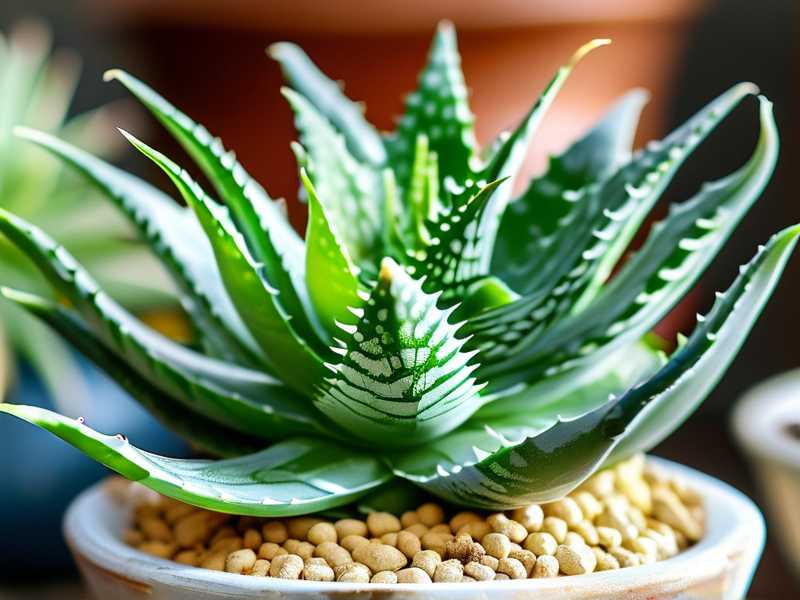
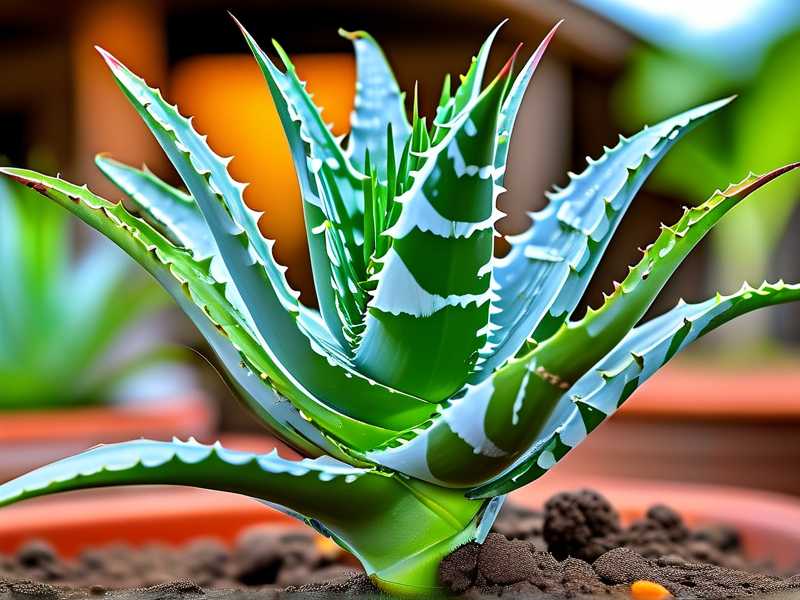
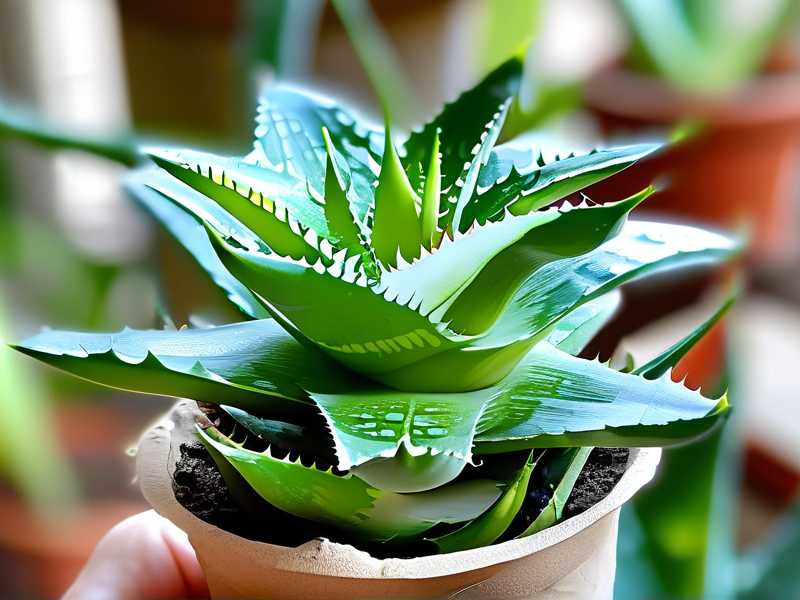
I’ll never forget the sinking feeling. I walked over to my prized, large Aloe vera ‘Blue Elf’, a plant I’d nurtured for years, and gave its plump leaf a gentle squeeze. Instead of the firm, turgid response I expected, it felt mushy and collapsed under the slightest pressure. A foul, sour smell hit my nose. My heart dropped. This wasn’t simple overwatering; this was the dreaded Aloe vera bacterial soft rot. If you’re reading this, you likely know that panic. Your aloe is turning into a brown, watery mess, and you’re scrambling for a solution. I was there. Through trial, error, and diligent care, I managed to save my plant. Here is my complete, firsthand account of how to treat Aloe vera bacterial soft rot, from desperate diagnosis to a healthy recovery two weeks later.
Understanding the Enemy: What Is Bacterial Soft Rot in Aloe Vera?
Before you can fight it, you need to know what you’re dealing with. Bacterial soft rot, often caused by pathogens like Pectobacterium carotovorum (formerly Erwinia), is a fast-moving nightmare. These bacteria enter through wounds or weakened tissue, often in overly wet soil. They literally dissolve the plant’s cell walls, turning firm, gel-filled leaves into a smelly, liquefied pulp. The Royal Horticultural Society (RHS) notes that these bacteria are ubiquitous in soil and water, only becoming a problem when conditions are perfect for them—namely, excess moisture and poor air circulation around the plant.
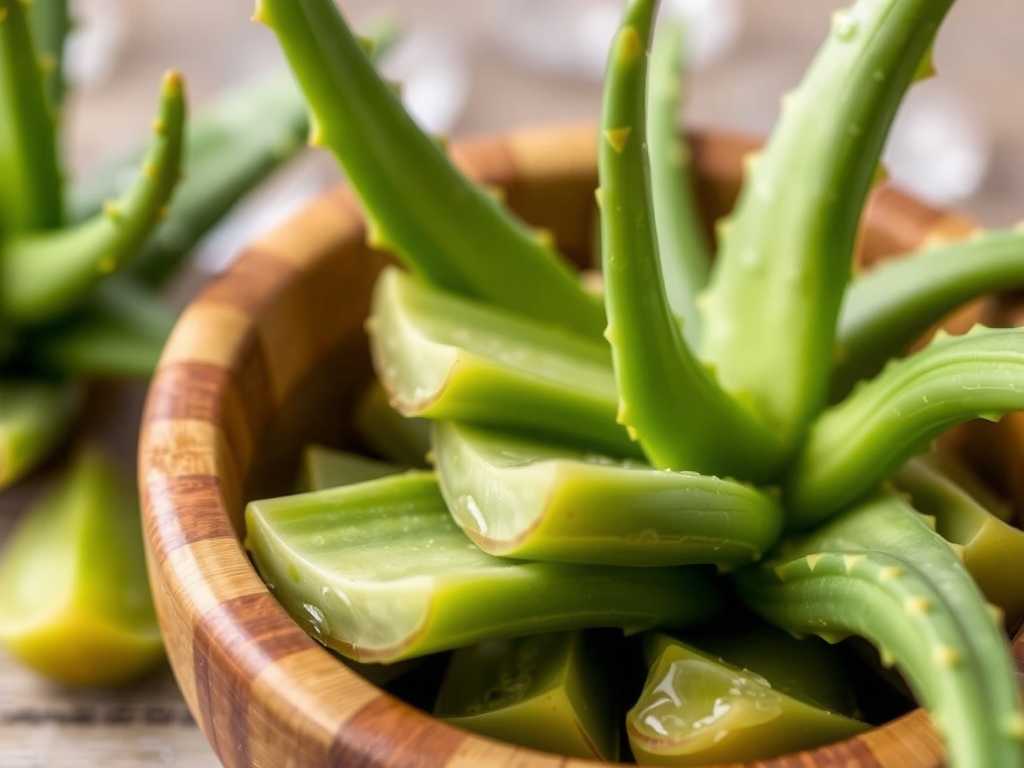
My mistake was classic: I had repotted the aloe into a container that was slightly too large and used a standard potting mix that retained too much moisture. A cool, damp week was all it took for the bacteria to launch their attack at the base of the plant.
The Emergency Surgery: Step-by-Step Salvage Operation
Time is critical. The infection spreads rapidly. You must act with the decisiveness of a plant surgeon.
Step 1: Immediate Isolation and Assessment I immediately moved the sick aloe away from all my other succulents and houseplants. Bacterial ooze can contaminate nearby plants. I laid out clean newspaper on my worktable and gathered my tools: a sharp, sterile knife (I wiped it down with isopropyl alcohol), a fresh pot with a drainage hole, a bag of specialized succulent and cactus mix, and some perlite for extra drainage.
Step 2: The Unpotting and Root Inspection Gently, I tipped the plant out of its pot. The soil was unpleasantly damp. I carefully brushed away the soil from the root ball. The sight wasn’t good. While some thicker, white roots seemed okay, the finer roots were dark and slimy, and the very base of the stem had a translucent, brownish area—ground zero for the rot.
Step 3: Radical but Necessary Excision This is the hardest part. You must cut away all infected tissue. Any bit left behind will continue to spread. Using my sterilized knife, I started cutting about an inch above the visibly rotted area on the stem. I kept slicing thin sections until I saw completely clean, firm, white or green tissue with no brown streaks. I had to remove almost the entire lower third of the plant, including all the original roots. It felt drastic, but it’s non-negotiable.
Step 4: The Crucial Drying Period Here was my first major “gotcha” moment. In my initial panic during a previous, less severe bout with rot on another plant, I had repotted immediately after cutting. Big mistake. The fresh cut needs to callous over. I placed the decapitated aloe rosette in a warm, dry, shaded spot with good air circulation. I left it there for a full seven days. The cut end must form a dry, hard seal. This callous is the plant’s primary defense against reinfection when it goes back into soil.
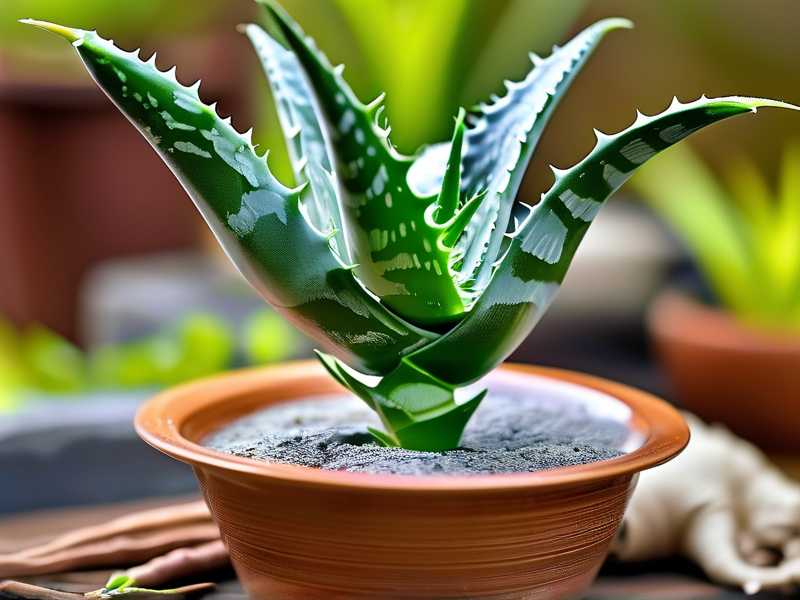
Step 5: Repotting in a Fortified Home After a week, the callous was firm. I prepared the new pot—this time, one only slightly larger than the rosette’s diameter. I mixed two parts succulent/cactus mix with one part perlite for hyper-drainage. I planted the aloe just deep enough to support itself, ensuring the calloused end was above the soil line. I did not water it. Not a drop.
The Two-Week Recovery Protocol and Observation Diary
The work isn’t over after repotting. The next two weeks are a careful balancing act of patience and observation.
Days 1-3 Post-Repotting: The plant looked stable. No further mushiness. The outer leaves, which had been slightly stressed, began to show signs of mild wrinkling—a normal sign of thirst, which is exactly what we want to encourage root growth. I kept it in bright, indirect light.
Days 4-7: The wrinkling became more pronounced. This was the plant signaling it was ready to seek water, which would prompt root development. On Day 7, I gave it its first watering: a thorough soak until water ran from the drainage hole, then I allowed it to drain completely. The soil was allowed to dry out completely again before the next step.
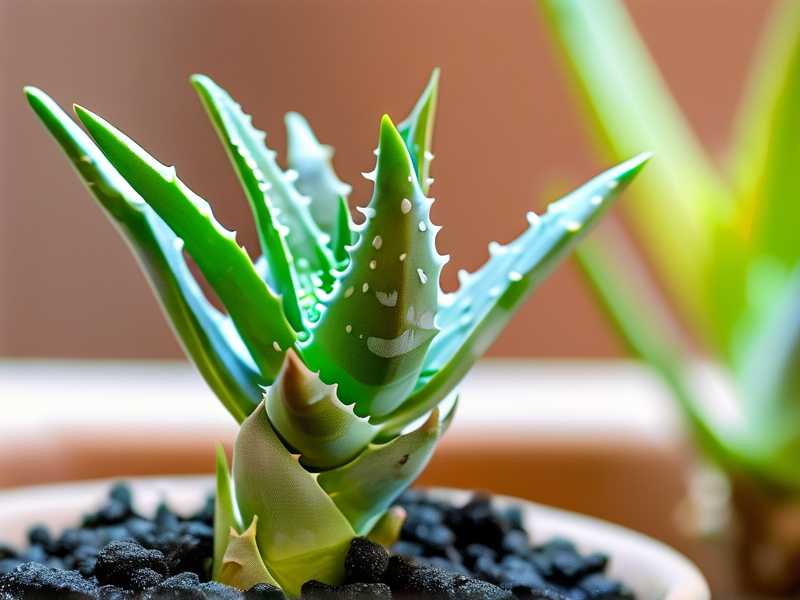
Days 8-14: This is where I saw real progress. After that first watering and another complete dry-down cycle, I gently wiggled the plant on Day 12. There was slight resistance! A clear indicator that new roots were forming and anchoring it. The once-wrinkled leaves began to plump up again, regaining their firm texture. The color improved, and I saw the very beginning of new growth from the center. No foul smell, no soft spots. The battle was being won.
The Pitfalls I Encountered and How to Avoid Them
My journey wasn’t flawless. Learning from these missteps is key to your success.
Pitfall 1: Under-Cutting the Rot. The first time I ever faced soft rot, I was too timid. I cut away the obviously mushy part but didn’t go far enough into healthy tissue. The rot came back with a vengeance within days. Solution: Be ruthlessly thorough. Cut until you see only pristine, healthy tissue.
Pitfall 2: Skipping the Callousing Period. Repotting a fresh cut is like putting a bandage on a wet wound. It traps moisture and invites reinfection. Solution: Patience is a treatment. Wait the full 5-7 days for a proper callous, no matter how anxious you are.
Pitfall 3: Wrong Soil and Pot. My original soil was too organic and moisture-retentive. The pot was too big, meaning soil stayed wet for too long around the small root system. Solution: Always use a gritty, fast-draining mix and a pot that’s cozy, not cavernous, with an excellent drainage hole.
Pitfall 4: Watering Too Soon After Repotting. Watering before the plant has formed roots leads to soggy soil around the calloused stem, creating the perfect environment for the bacteria to return. Solution: Wait for clear signs of thirst (wrinkling) before the first water, usually 1-2 weeks post-repotting.
Creating a Hostile Environment for Bacteria: Prevention
Treatment is reactive; prevention is proactive. The American Horticultural Society (AHS) emphasizes that plant health starts with the roots and their environment.
- Water with Purpose: Only water when the soil is completely dry, and then water deeply. Never let your aloe sit in a saucer of water.
- The Right Foundation: Use a gritty, inorganic-heavy potting mix. You can amend regular succulent soil with extra perlite, pumice, or coarse sand.
- Pot Wisely: Terracotta pots are excellent as they wick away moisture. Ensure there is a drainage hole.
- Clean Tools: Always sterilize cutting tools between plants to prevent cross-contamination.
Frequently Asked Questions
Can I use hydrogen peroxide or cinnamon on the cut? I’ve tried both. After cutting, I sometimes dust the fresh wound with cinnamon, which is a natural fungicide and helps dry it out. For a severe case, a light spray of 3% hydrogen peroxide can help disinfect before callousing. However, neither is a substitute for complete removal of infected tissue and a proper drying period.
What if the rot is in the leaves but not the crown? If the central rosette and stem are firm, you may only need to remove the affected leaves. Sterilize your tool, cut the leaf off at its base where it meets the stem, and monitor the plant closely. Ensure your watering habits are corrected.
My entire plant is mushy. Is it too late to save? If the central growing point (the crown) is completely soft and brown, the plant may not be salvageable. However, if there are any firm, healthy leaves left, you can try leaf cuttings. Remove a healthy leaf, let it callous for a few days, then place it on dry soil. It may eventually produce a new pup, though this is a slow process and not always successful with badly compromised plants.
Bacterial soft rot in Aloe vera is a frightening and fast-moving disease, but it is not always a death sentence. My ‘Blue Elf’ is now thriving again, a testament to the effectiveness of swift, decisive action and disciplined aftercare. The core principles are simple: remove all rot without mercy, allow a full callous to form, repot in a sterile, gritty mix, and water only when the plant signals it’s ready. By creating an environment of excellent drainage and careful watering, you protect your aloe not just from this bacterial issue, but from many common succulent ailments. Your plant’s resilience will surprise you.