 admin
adminAloe Verafor Acne Prone Skin: My 2-Week Journey to Clearer Skin
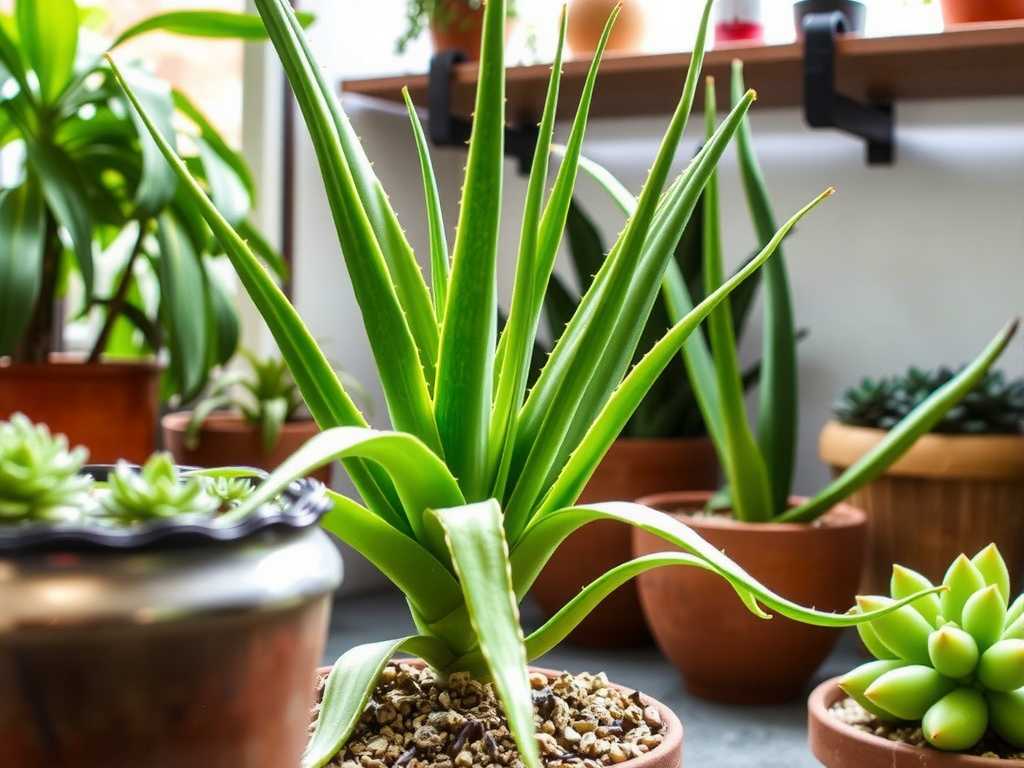
Let's be honest. If you have acne-prone skin like mine, you've probably tried it all. The harsh chemical spot treatments that leave your skin raw, the endless cycle of hope and disappointment with new products. I was stuck in that loop, frustrated with the redness, the bumps, and the feeling that my skin was constantly at war with itself. That's when I decided to go back to basics, to a remedy my grandmother always swore by:Aloe Verafor acne prone skin. As a long-time plant enthusiast, I had a thriving aloe plant on my windowsill, used mostly for sunburns. I wondered, could this simple gel truly be the gentle, daily solution I needed? I committed to a full two-week experiment, integrating freshAloe Veragel into my daily routine. Here’s exactly what I did, what happened, and the crucial lessons I learned the hard way.
Why I Trusted Aloe Vera: More Than Just an Old Wives' Tale
Before slathering anything on my face, I needed to understand thewhy. My initial hope was backed by more than just folklore. Research from institutions like the American Horticultural Society (AHS) highlights aloe vera's composition of polysaccharides, gibberellins, and salicylic acid—compounds known for wound healing, anti-inflammatory action, and mild exfoliation. A review in theJournal of Dermatological Treatmenthas noted its efficacy in reducing inflammation and bacterial load in mild to moderate acne. For my skin, prone to angry, red papules and post-inflammatory erythema, this anti-inflammatory promise was the key. It wasn't about aggressively zapping each pimple, but about calming the entire landscape of my skin. This scientific backing gave me the confidence to move forward with my plant-based experiment.
My DailyAloe Vera CareProtocol: A Step-by-Step Guide
I established a simple, twice-daily routine. Consistency, I believed, was key.

1. The Harvest & PreparationEvery morning and evening, I would cut a thick, mature leaf from the lower section of my aloe plant. Using a clean knife, I'd fillet it open and scoop out the clear inner gel, carefully avoiding the yellow latex (aloin) right beneath the green skin—a lesson I learned quickly, which I'll detail later. I placed about a tablespoon of fresh gel into a small, sterilized glass bowl. Sometimes, for a cooling boost, I'd store this bowl in the refrigerator for 10 minutes before application.
2. The Cleansing FoundationI never applied aloe to a dirty face. I used my regular, gentle, fragrance-free cleanser to remove dirt and oil. Patting my skin dry left it slightly damp, which helped the next layer adhere.
3. The Main Application: Pure and SimpleUsing clean fingertips, I would take a pea-sized amount of the fresh gel and gently massage it into my entire face. I avoided the delicate eye area. The sensation was immediately soothing—cool, hydrating, and non-sticky as it dried. I let it absorb fully for about 5-10 minutes. It dried to a smooth, slightly tightened finish, not a tight or dry one.
4. Locking It InThis was a critical step. Aloe vera is a humectant, meaning it draws moisture to the skin. To prevent that moisture from evaporating and potentially leaving my skin drier, I always followed with a light, non-comedogenic moisturizer. This sealed in the aloe's benefits and maintained my skin's barrier.
For Spot Treatment:On active, inflamed pimples, I applied a tiny dab of thicker gel directly after cleansing and left it on overnight without rinsing.
The 2-Week Observation: A Diary of Changes
Days 1-3:The immediate effect was intense soothing. The persistent redness around my chin and jawline seemed to visually diminish within an hour of application. My skin felt plumper and more hydrated. No dramatic changes in active breakouts yet, but the overall inflammation was down.
Days 4-7:I noticed my skin's texture beginning to smooth. The small, under-the-skin bumps along my forehead felt less raised. The healing time for existing pimples appeared shorter. However, around day 5, I developed a few small, itchy bumps on my cheek. This was my first "pitfall," which I'll address next.
Days 8-14:By the start of the second week, the itchy bumps had subsided after I corrected my mistake. The most significant change became clear: a dramatic reduction innewinflammatory acne. My skin stopped producing those painful, red cysts. Post-acne red marks (PIE) faded noticeably faster. My complexion looked calmer, more even, and had a healthy glow—not from oil, but from hydration. The oiliness in my T-zone also balanced out considerably.
The Pitfalls I Encountered (And How I Fixed Them)
My journey wasn't perfectly smooth. I made mistakes that are crucial for anyone trying this to avoid.
Pitfall 1: The Yellow Latex MenaceIn my initial haste, I didn't meticulously separate the clear gel from the yellow sap (latex) that sits between the gel and the leaf's skin. I applied gel with traces of it. This latex contains aloin, a potent laxative and a known skin irritant. By day 5, it caused those small, itchy contact dermatitis bumps.Solution:I became surgical in my harvesting. I now carefully slice off the serrated edges and the top green layer, then rinse the exposed gel under cool water to wash away any residual latex before scooping. This eliminated the irritation completely.
Pitfall 2: Neglecting MoisturizationFor the first two days, I used aloe alone, thinking its moisture was enough. My skin started feeling oddly tight and then paradoxically produced more oil.Solution:I remembered the humectant principle. By diligently following the aloe with my light moisturizer, I locked in hydration, supported my skin barrier, and balanced sebum production.
Pitfall 3: Inconsistent SourcingOne weekend I ran out of fresh gel and used an over-the-counter bottled "pure aloe vera gel." It contained a thickening agent and preservatives. My skin didn't react badly, but I didn't get the same calming, anti-inflammatory effect. The fresh gel was unmistakably superior.Solution:I committed to my plant. For those without one, sourcing high-quality, cold-pressed, and preservative-free aloe gel with the shortest ingredient list is non-negotiable. Thebest aloe vera gel for acneshould have aloe barbadensis leaf juice as the first and primary ingredient.
Integrating Aloe Vera into a Holistic Acne-Fighting Routine
Aloe vera is a powerful ally, not a lone warrior. Fortreating acne with aloe veraeffectively, it must be part of a sensible routine. I continued using a salicylic acid cleanser a few nights a week for exfoliation, but aloe became my constant calming buffer. I never used harsh physical scrubs. Sunscreen became even more critical, as aloe can make skin more photosensitive, and sun damage worsens post-acne marks. The National Aloe Science Council emphasizes aloe's role in skin repair, which works best when protected from further UV insult.
Addressing Your Top Concerns
Can aloe vera clog pores and cause more breakouts?Pure, fresh aloe vera gel is non-comedogenic. My experience and its molecular structure confirm it absorbs cleanly. The breakout risk comes from additives in commercial gels (like thickeners) or improper cleansing. Always patch test and choose your source wisely.
Is it safe to use aloe vera on my face every day?Absolutely. For two weeks, I used it twice daily with excellent results. Its gentleness is its strength. Think of it as a daily soothing tonic, not an occasional harsh treatment. Consistency is what yields the anti-inflammatory and healing benefits.
Can I just use the bottled gel from the drugstore?You can, but you must be a detective. Many are filled with water, thickeners, and preservatives that dilute the active compounds. For results akin to my experience, seek out bottles labeled as high purity, cold-processed, and with over 90% aloe content. Nothing, however, beat the potency and purity of the fresh gel from my plant.
My two-week deep dive into using aloe vera for acne prone skin was a revelation. It shifted my focus from aggressive attack to gentle, consistent care. The reduction in inflammation was profound, the healing accelerated, and my skin finally found a state of calm. It taught me that sometimes, the most effective solutions are the simplest, most ancient ones, provided we approach them with knowledge and respect. By understanding the plant, preparing it correctly, and integrating it thoughtfully into your routine, you might just find that same path to a clearer, calmer complexion.
发表评论