bluename
 How to Prevent Aloe Vera from Being Damaged by Wind: A Gardener’s 2-Week Rescue Mission
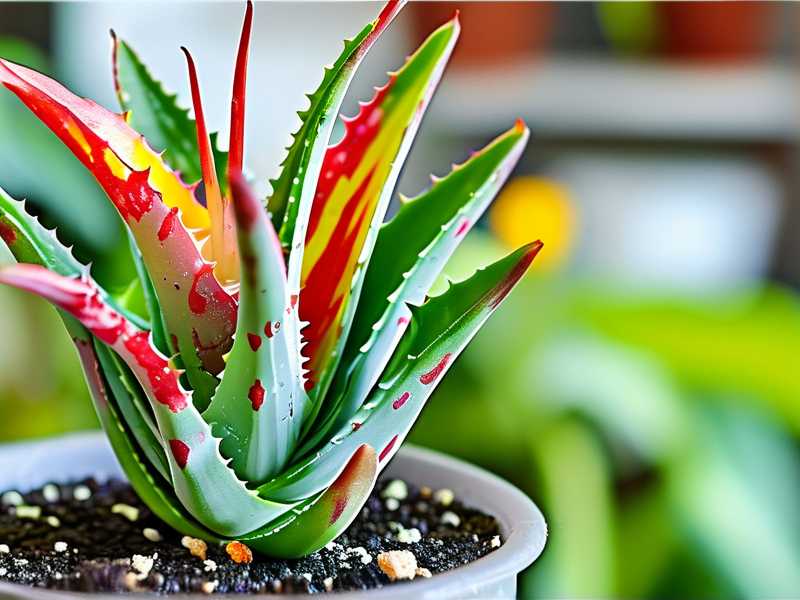
I’ve always thought of my aloe vera plants as tough survivors. They thrive on neglect, forgive my occasional overwatering, and reward me with soothing gel. That’s why it was such a shock to walk onto my patio one breezy spring morning and find my prized, large aloe vera leaning precariously, its once plump and upright leaves now scarred with brown, papery patches and ragged tears. The wind had turned from a gentle breeze into a damaging force overnight. If you’ve ever wondered how to prevent aloe vera from being damaged by wind, you’re not alone. I embarked on a focused, two-week mission to not only rescue my plant but to build a foolproof system against windy assaults. Here’s my hands-on journey, complete with steps, observations, and the pitfalls I navigated.
Understanding the Enemy: Why Wind Wrecks Aloe Vera
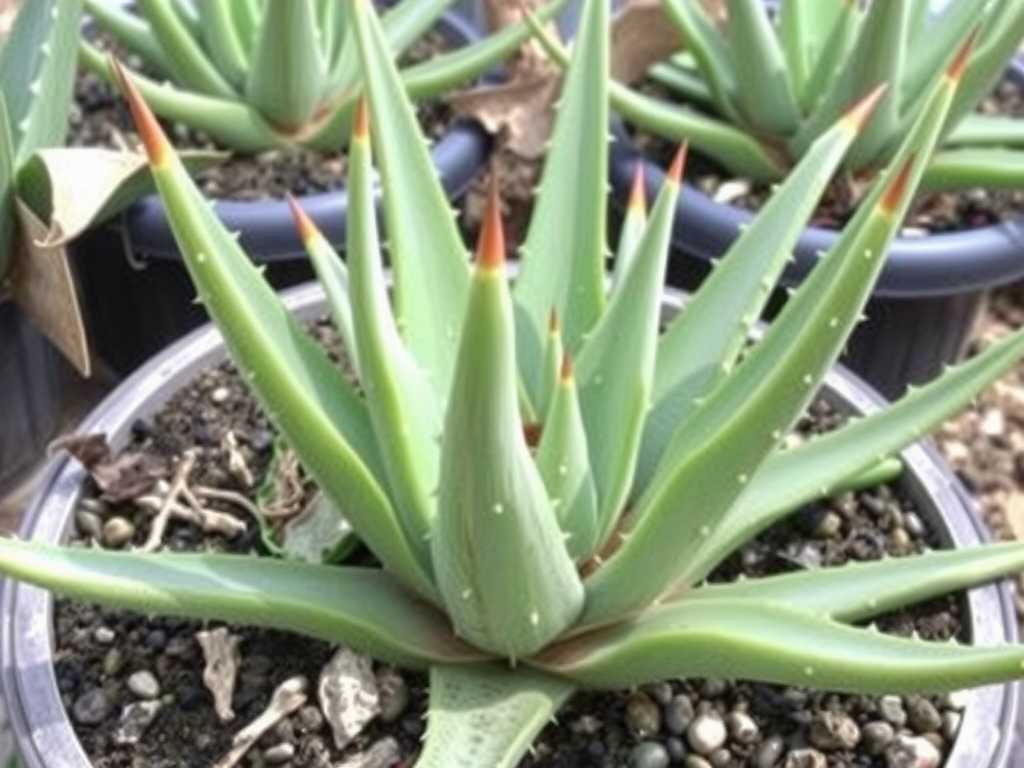
Most guides talk about sun and water, but wind is a silent saboteur. Aloe vera plants have shallow root systems and heavy, water-filled leaves. Strong, sustained winds act like a lever, rocking the plant at its base. This loosens the soil and destabilizes the entire structure. Physically, the leaves can get bruised, torn, or desiccated. The Royal Horticultural Society (RHS) notes that physical damage to succulent leaves isn’t just cosmetic; it creates open wounds susceptible to fungal and bacterial infections. My plant was a textbook case—wind damage had begun to compromise its health.
My Step-by-Step Wind Protection Protocol
Seeing the damage, I didn’t panic. I devised a three-phase plan: immediate triage, strategic relocation, and long-term fortification.
Week 1: Emergency Care and Initial Relocation
First, I brought the plant indoors to a bright, wind-free spot. This was my critical step to shield aloe from strong gusts. I inspected the damage. The brown, dry patches were superficial, but one leaf had a deep tear. Using sterilized scissors, I carefully cut this damaged leaf off at the base to prevent rot and allow the plant to redirect energy. I didn’t water it immediately, as the stress called for a dry, stable environment.
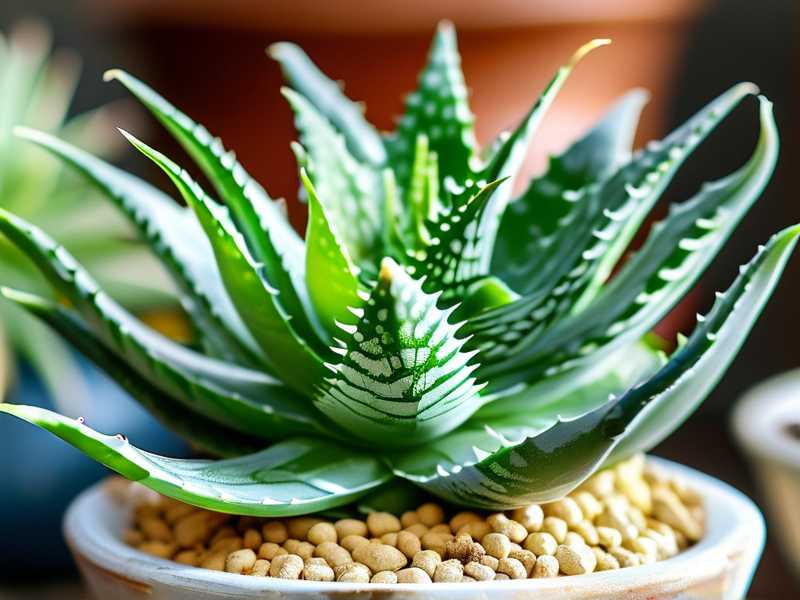
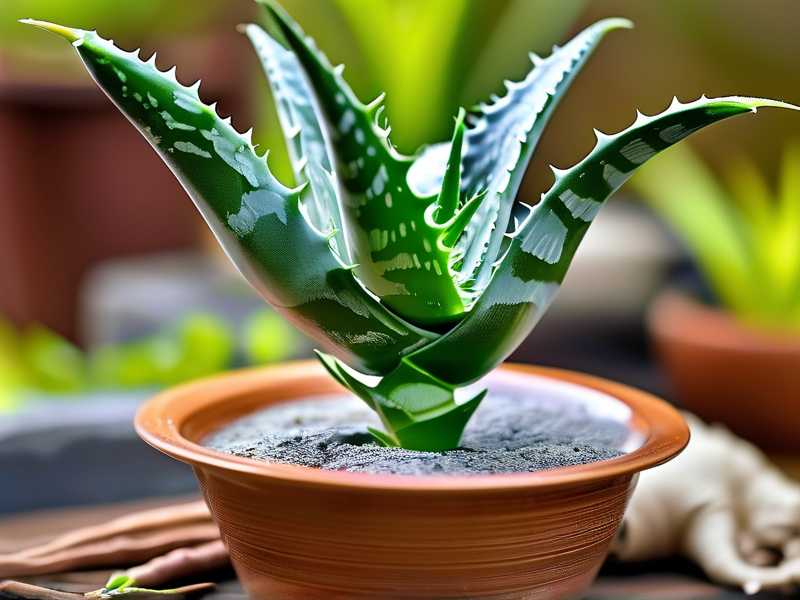
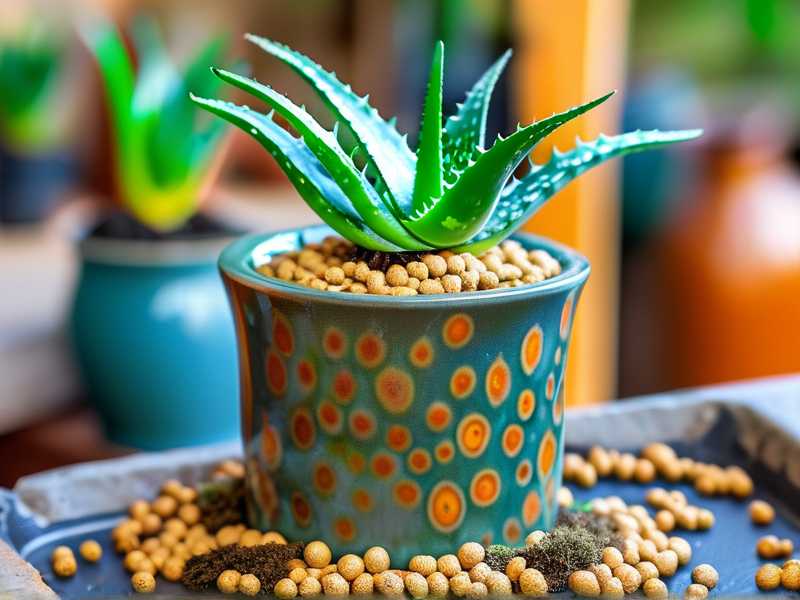
After 48 hours of observation, I addressed the instability. Gently tipping the pot, I found the root ball was indeed loose. I repotted it into a heavier, wider terracotta pot. Terracotta’s weight provides ballast. I used a well-draining cactus mix and firmly, but gently, tamped the soil around the base to give the roots maximum anchorage. I placed it back on my sheltered, east-facing patio corner, which gets morning sun but is protected by a side wall. This spot represented a key method for stopping wind harm to aloe plants.
The First Week’s Observations: The plant stopped declining immediately. The remaining leaves felt firm, and no new damage appeared. However, the existing brown scars remained, a permanent record of the trauma. The plant seemed to be in a state of “pause,” which I considered a win—stabilization was the goal.
The Pitfall I Encountered (And How I Fixed It)
Here’s where I messed up. Confident in my new pot and location, I assumed a week of calm weather meant success. Then, an unexpectedly gusty afternoon hit. My “sheltered” corner became a wind tunnel. The plant was safe, but I realized I’d only solved half the problem. Passive placement wasn’t enough for variable weather. I needed an active barrier.
My solution was twofold. I purchased a small, decorative wooden lattice screen from a garden center. Placed a few feet upwind of my aloe, it disrupted and diffused the direct force of the wind without creating a stagnant air pocket. For extra security, I also used a few large, smooth stones around the base of the plant. This served dual purposes: they added more stability to the pot, and they helped retain soil moisture, reducing the drying effect of any residual breeze. The American Horticultural Society (AHA) emphasizes creating microclimates for plant protection, and this was exactly that—a crafted, safer microclimate.
Week 2: Fortification and Monitoring
With the lattice screen in place, the second week was about fine-tuning. I monitored soil moisture closely, as the wind protection reduced air flow and slightly changed the drying rate of the soil. I watered only when the soil was completely dry two inches down.
I also began a gentle feeding regimen. A diluted, half-strength balanced liquid fertilizer was applied once to support new growth and help the plant recover from its ordeal. The focus was on root and leaf strength.
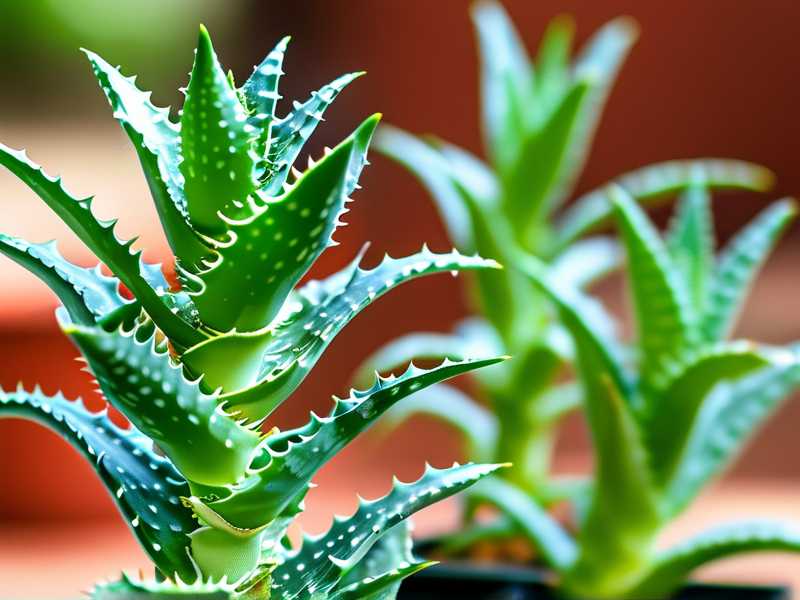
The Two-Week Verdict: The transformation was clear. My aloe vera was not just surviving; it was recovering. The center of the plant showed new, tight, green growth. The older leaves with scars stood firm, no longer threatening to topple. The plant had regained its structural integrity. Most importantly, during several breezy days, the leaves remained utterly still and unscathed behind their lattice shield. The system worked.
Building a Comprehensive Wind Defense Strategy
Based on my experience, here’s a consolidated guide to windproofing your aloe vera:
- Choose the Right Pot: Opt for heavy materials like terracotta or ceramic. Ensure the pot is wide-based to prevent tipping.
- Strategic Placement is Everything: Use walls, fences, or the lee side of your house as natural windbreaks. Observe wind patterns in your garden at different times of day.
- Create Artificial Barriers: Lattice screens, trellises with dense vines, or even groupings of taller, wind-tolerant plants can act as effective filters.
- Secure the Plant: For temporary storms, staking with a soft tie can help. For permanent plantings, using top-dressing rocks or planting in groups so they support each other are excellent strategies for protecting aloe vera in windy conditions.
- Mind the Soil: Well-draining yet slightly heavier soil (adding a bit more loam to a succulent mix) can help anchor roots better than a purely sandy mix.
Addressing Your Top Concerns
Can a wind-damaged aloe vera leaf heal? No, the scarred or torn tissue will not regenerate or turn green again. The plant will compartmentalize the damage. Your goal is to prevent infection and support new, healthy growth from the center. Severely damaged leaves should be removed cleanly.
Is indoor growing always the best solution to prevent wind damage? While effective against wind, indoor growing introduces other challenges like insufficient light, which causes etiolation (stretching). A bright, south-facing window is mandatory. Often, a protected outdoor location with better light is superior to a poorly lit indoor one.
How do I know if my aloe is getting some beneficial breeze versus harmful wind? A beneficial breeze is gentle; it rustles leaves slightly but doesn’t cause sustained swaying or physical distortion of the plant. It helps strengthen stems and prevent pest infestations. Harmful wind persistently rocks the plant, causes leaves to flap violently, and leads to visible physical damage or excessive drying. If your plant is constantly moving, it’s time to intervene.
Wind doesn’t have to spell disaster for your aloe vera. My two-week experiment proved that with prompt action, the right materials, and a keen understanding of your garden’s microclimate, you can create a sanctuary for your succulent. It moved from a casualty of the weather to a testament of resilient gardening. Start by assessing your plant’s exposure today—a simple barrier or a strategic move might be all it needs to stand tall and untouched, no matter what the breeze brings.