bluename
 Can Aloe Vera Grow in a Garage? My 2-Week Experiment Reveals the Truth
I’ve always believed that where there’s a will (and a decent grow light), there’s a way to garden. As a plant enthusiast with a home that’s rapidly running out of sunny windowsills, I started eyeing my semi-empty, temperature-controlled garage. The big question nagging at me was: can aloe vera grow in a garage? Not just survive, but truly thrive? I decided to turn my curiosity into a hands-on, two-week experiment to find out, documenting every step, success, and stumble along the way.
My goal was clear: to create a viable indoor gardening setup for aloe vera in a typical garage environment, addressing the core challenges of light, temperature, and care. If you’re considering using your garage for plants, join me as I walk you through my real-world trial.
Understanding the Aloe Vera Plant’s Basic Needs
Before moving a single plant, I revisited what aloe vera requires. Native to arid regions, it craves bright, indirect light, well-draining soil, infrequent watering, and warm temperatures. The garage posed immediate red flags: lack of natural sunlight and potential temperature fluctuations. This wasn’t going to be a simple relocation; it required a strategic setup.
My Step-by-Step Garage Aloe Vera Setup
I selected two mature, healthy aloe pups for this experiment. Here is the exact process I followed.
Week 1: Preparation and Acclimation
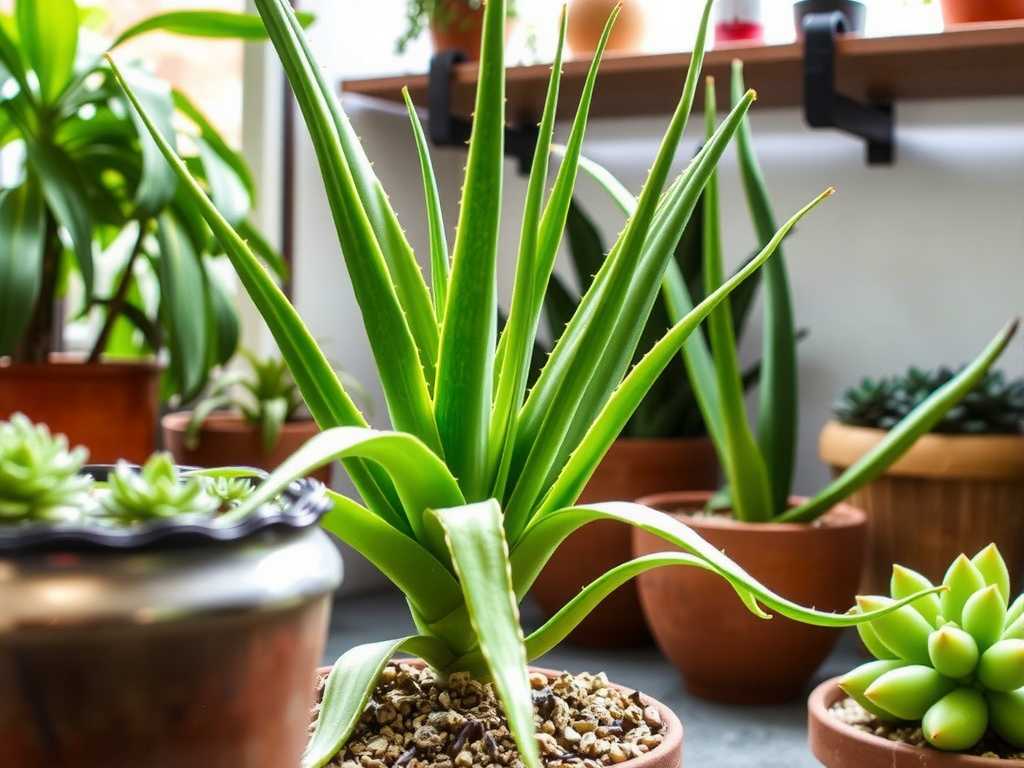
First, I chose their new home: a sturdy metal shelf in the center of my attached garage, away from drafty doors but not directly under the air vent. The ambient temperature here averaged a stable 68°F (20°C), which was promising.
The most critical investment was lighting. Knowing that the single, small north-facing window provided negligible light, I purchased a full-spectrum LED grow light panel. I mounted it approximately 12 inches above the shelf, setting a timer for a consistent 14-hour daily light cycle (7 AM to 9 PM). This was my attempt to mimic the long daylight hours aloe would enjoy outdoors.
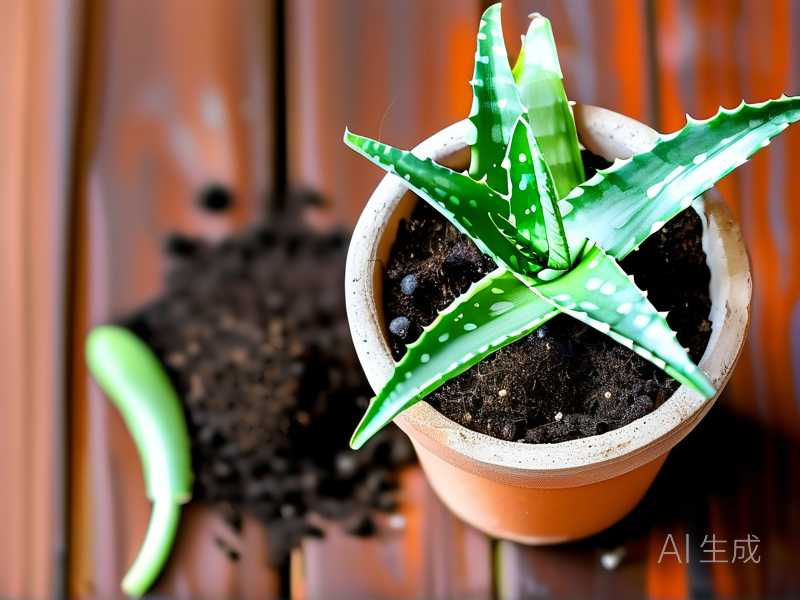
For the pots, I used terracotta with excellent drainage holes. I mixed a specialized succulent and cactus potting soil with extra perlite (about a 2:1 ratio) to ensure rapid drainage and prevent the number one killer: root rot.
On Day 1, I gave both plants a thorough watering until it drained from the bottom and placed them under the new lights. My observation log began.
The 2-Week Observation Log: Growth, Changes, and Challenges
The experiment was a rollercoaster of small victories and clear problems. Here’s my day-by-day account of the most significant findings.
Days 1-4: The Adjustment Period The plants looked unchanged, which I took as a good sign—no immediate shock. The soil dried out much slower than I anticipated. In my sunroom, the same pot would be dry in 3-4 days. Here, the top inch was still slightly damp on Day 4. This was my first clue: garage conditions for aloe vera significantly reduce evaporation rates.
Days 5-8: The First “Uh-Oh” and a Fix On Day 5, I noticed the very tips of the lower, older leaves on one plant were beginning to turn a pale, yellowish-brown and felt slightly soft. My heart sank. This was a classic sign of overwatering, confirmed by the still-moist soil deeper in the pot. The lack of natural heat and air circulation in the garage was causing the soil to stay wet for too long.
This was my first major “pitfall.” My solution was immediate:
- I stopped all watering plans.
- I pointed a small, oscillating fan on a low setting toward the shelf from several feet away. The goal wasn’t to chill the plants, but to gently simulate a breeze and improve air circulation around the soil surface and leaves.
- I carefully scraped back the top layer of soil to expose the dampness beneath to the air.
Days 9-14: Recovery and Signs of Success By Day 10, the softening had halted. The affected leaf tips didn’t recover (they never do), but the rest of the plant remained plump and green. The fan worked wonders—the soil drying time improved dramatically.
Most excitingly, by the end of Week 2, I spotted something new. From the very center of both aloe rosettes, a noticeably brighter, lime-green hue emerged. This is a telltale sign of new aloe vera growth in low light conditions—the plant was pushing out fresh leaves! They were slightly more elongated than previous growth, a condition called etiolation, indicating the light, while sufficient for survival, could be more intense. However, the color was good, and the growth was firm. The Royal Horticultural Society (RHS) notes that while aloe prefers bright light, it can adapt to lower levels with adjusted care, particularly reduced watering, which aligned perfectly with my experience.
Key Lessons and Solutions from My Garage Growing Trial
This short but intensive experiment taught me more than any guide could. Here are the definitive takeaways for anyone wanting to try this.
Pitfall 1: The Overwatering Trap in a Garage This was my biggest mistake. Garages are often cooler and less airy than our living spaces. Water evaporates slowly. My solution of adding a fan was a game-changer. It created a microclimate that prevented moisture stagnation. My new watering rule became: “When in doubt, wait it out.” I now only water when the soil is completely dry down to the bottom of the pot, which takes nearly twice as long as indoors.
Pitfall 2: Assuming “Light” is Enough My initial LED panel was adequate but not ideal. The slight elongation of new growth signaled a need for more lumens. For the long term, I’ve researched and plan to switch to a stronger, high-output LED grow light designed for succulents. The American Horticultural Therapy Association (AHTA) emphasizes the importance of light quality and duration for indoor plant health, supporting the need for proper artificial lighting as a non-negotiable for garage gardening.
Pitfall 3: Ignoring Temperature Drops While my garage is insulated, an unexpected cold snap midway through Week 2 saw nighttime temps dip to 55°F (13°C). Aloe tolerates this briefly, but growth stalls. I moved the plants to a slightly more interior spot away from any external walls. For unheated garages, a seedling heat mat under the pots during winter would be a wise investment to maintain root zone warmth.
Optimizing Your Garage for Aloe Vera
Based on my trial, here is my refined checklist for successful aloe cultivation in garages:
- Light is King: Invest in a quality, full-spectrum LED grow light. Position it 6-12 inches above the plant and use a timer for 12-14 hours of consistent light daily.
- Water with Extreme Caution: Treat your garage aloe like a cactus. Water deeply but infrequently, only when the soil is 100% dry. A moisture meter is a helpful tool here.
- Promote Airflow: A gentle fan is not optional; it’s essential to prevent fungal issues and mimic natural conditions.
- Monitor Temperature: Aim for a stable range between 60-80°F (15-27°C). Protect plants from drafts and sudden cold.
Will aloe vera get enough light in my garage without a window? Almost certainly not. Aloe requires significant light to maintain its compact shape and medicinal properties. A north-facing or small window provides insufficient intensity. A dedicated grow light is mandatory for healthy, long-term growth in a typical windowless garage.
How often should I water my aloe in the garage? Throw out any preset schedule. The frequency depends entirely on your garage’s temperature and humidity. In my setup, watering once every 3-4 weeks was sufficient, compared to every 2 weeks inside my home. Always check the soil moisture first.
Can I use any regular potting soil for garage aloe plants? I strongly advise against it. Regular potting soil retains too much moisture. You must use a fast-draining succulent/cactus mix amended with extra inorganic material like perlite or pumice. This is the best defense against root rot in a cooler, less evaporative garage environment.
So, can aloe vera grow in a garage? My two-week experiment proves a resounding yes—but with crucial caveats. It won’t happen passively. Success hinges on actively replacing what the garage lacks: abundant light with a proper grow lamp, careful moisture management aided by airflow, and stable warmth. It’s a rewarding project that requires attention and adjustment. My aloe plants are now putting out steady new growth, a quiet testament to the fact that with the right setup, even the most utilitarian space can become a haven for green life.