bluename
 Aloe Vera Nutrient Deficiency: Phosphorus Deficiency Signs and Solutions
You’ve been nurturing your aloe vera plant with care, expecting its signature plump, vibrant green leaves. Instead, you’re met with a plant that looks stunted, discolored, or just… off. Before you blame watering habits or sunlight, there’s a crucial factor often overlooked: nutrition. Specifically, a lack of phosphorus can silently sabotage your aloe’s health. Recognizing the signs of phosphorus deficiency is the first step to reviving your plant and ensuring it thrives, not just survives.
This guide will help you become a detective in your own garden. We’ll decode the visual cues, understand the underlying causes, and walk through effective, step-by-step solutions to correct this imbalance and restore your aloe vera to its healing glory.
Understanding Phosphorus: The Energy Currency of Your Aloe Vera
Phosphorus is a primary macronutrient, playing a non-negotiable role in plant biology. Think of it as the plant’s energy storage and transfer system. It’s vital for photosynthesis, the process where your aloe converts sunlight into growth fuel. More critically for aloe vera, phosphorus is a key driver of root development, flower production (in mature plants), and the overall transfer of energy within the plant.
When phosphorus is scarce, these fundamental processes slow down or halt. The plant cannot efficiently use the energy it creates, leading to a cascade of visible symptoms. Unlike nitrogen deficiency, which often shows up as uniform yellowing, phosphorus deficiency has its own distinct set of clues.
Key Visual Signs of Phosphorus Deficiency in Aloe Vera
Catching these signs early is crucial for a quick recovery. Here are the primary symptoms to watch for, progressing from early to more advanced stages.
Abnormal Leaf Coloration: The Purple and Bronze Tinge
This is the most classic and telling sign. Your aloe’s normally green leaves may develop unusual hues.
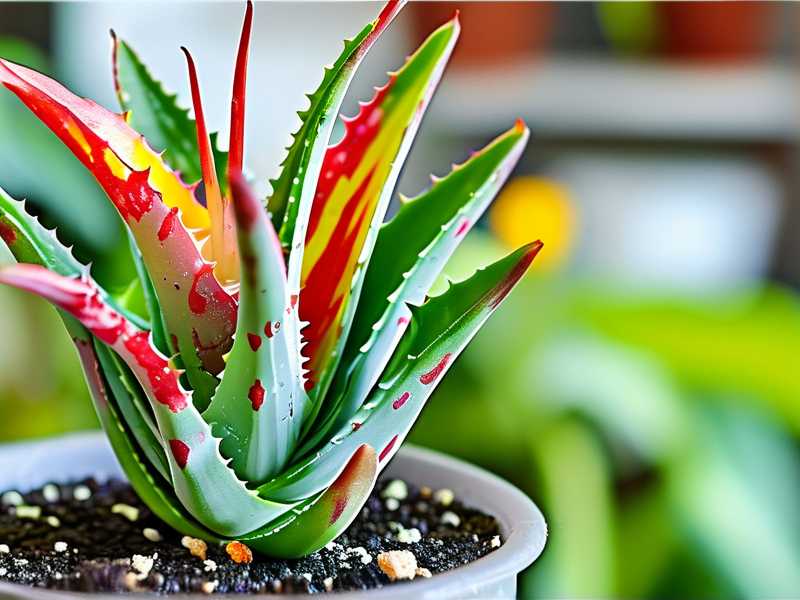
- Purpling or Reddish-Purple Tints: This often appears first on the older, lower leaves or along the leaf margins and tips. The pigment, called anthocyanin, accumulates when sugar metabolism is disrupted due to low phosphorus. It’s the plant’s stress response.
- Dark Green or Blue-Green Overcast: Sometimes, instead of purpling, leaves may take on an unusually dark, dull, or bluish-green color before other symptoms manifest.
- Bronze or Brownish Undertones: As the deficiency worsens, these discolorations can turn into bronze or rusty brown patches, particularly in areas exposed to strong light.
Stunted Growth and Lack of Vitality
Phosphorus is directly linked to cell division and new growth. A deficient plant essentially hits the pause button.
- Slowed or Halted New Growth: Your aloe will stop producing new leaves, or new pups (offsets) will be exceptionally slow to emerge and grow.
- Small, Underdeveloped Leaves: Any new leaves that do appear may be smaller than normal and seem weak or narrow.
- General Lack of Vigor: The entire plant loses its robust, perky appearance and looks lethargic.
Root Development Issues and Overall Weakness
Since phosphorus is critical for root health, the problems often start below the soil surface.
- Poor Root System: The roots may be underdeveloped, stubby, or dark-colored instead of a healthy white or tan. This makes the plant unstable and inefficient at absorbing water and other nutrients.
- Increased Susceptibility: A weakened plant becomes an easy target for diseases, pests, and environmental stress. You might notice secondary issues like rot or pest infestations taking hold more easily.
Why Is My Aloe Vera Phosphorus Deficient? Common Causes
Identifying the symptom is half the battle. Now, let’s diagnose the root cause to apply the right fix.
Soil pH Imbalance: The Locked Door
This is the #1 reason for phosphorus deficiency, even in soils that contain adequate phosphorus. Aloe vera prefers slightly acidic to neutral soil (pH 6.0 to 7.0). In soils that are too acidic (below 6.0) or, more commonly for aloe, too alkaline (above 7.5), phosphorus chemically binds with other minerals like calcium or aluminum. It becomes “fixed” in the soil—present but completely unavailable for the plant’s roots to absorb. A study by the University of Hawaii Cooperative Extension notes that phosphorus availability peaks in a narrow pH range, highlighting the importance of soil testing.
Consistently Waterlogged or Compacted Soil
Aloe vera requires excellent drainage. Soggy, compacted soil suffocates roots and creates an anaerobic environment that severely hampers the plant’s ability to take up phosphorus, even if it’s available.
Using an Improper or Exhausted Fertilizer
- High-Nitrogen Fertilizers: Using a fertilizer with a very high first number (N) and low middle number (P), like a 10-2-2 blend, can promote soft, weak growth at the expense of phosphorus-dependent root and metabolic health.
- Unbalanced “All-Purpose” Feeds: Some general plant foods aren’t formulated for the specific needs of succulents.
- Depleted Potting Mix: A plant that has been in the same soil for years may have simply used up all the available phosphorus.
Step-by-Step Guide to Correcting Phosphorus Deficiency
Follow these steps methodically to nurse your aloe vera back to health.
Step 1: Confirm the Diagnosis with a Soil Test
Before adding anything, get a clear picture. An inexpensive home soil pH test kit is invaluable. It will tell you if your soil pH is locking phosphorus away. This step prevents you from treating the wrong problem.
Step 2: Adjust Your Watering Practices Immediately
Ensure you are following the “soak and dry” method thoroughly. Water deeply only when the soil is completely dry, and ensure your pot has a drainage hole. Correcting moisture levels can sometimes improve nutrient uptake on its own.
Step 3: Address Soil pH (If Needed)
If your test shows alkaline soil (pH > 7.5), you can gently lower it.
- For a Mild Increase in Acidity: Incorporate a small amount of peat moss or composted organic matter when repotting. For a more direct approach, watering once with a diluted vinegar solution (1 tablespoon white vinegar per gallon of water) can provide a temporary shift, but repotting is a more stable solution.
- Repotting is Often Best: For a severe deficiency, the safest and most effective action is repotting with fresh, appropriate soil.
Step 4: Repot with a Proper Succulent Soil Mix
- Choose the Right Mix: Select a commercial “cactus and succulent” potting mix. These are formulated for drainage and often have a more suitable pH.
- Amend for Perfection: For optimal health, create your own blend by mixing 2 parts commercial succulent soil with 1 part perlite or coarse sand. This guarantees fast drainage.
- Inspect and Prune Roots: During repotting, gently remove old soil and inspect the roots. Trim away any that are black, mushy, or dry and brittle.
Step 5: Apply a Targeted Phosphorus Fertilizer
- Select a Balanced, Low-Dose Fertilizer: Look for a water-soluble fertilizer labeled for succulents or cacti. A balanced formula like a 5-5-5 or one where the middle number (phosphorus) is equal to or slightly higher than the others, such as a 2-3-2, is ideal.
- Apply at Half-Strength: Always dilute the fertilizer to half the recommended strength on the label. Aloe vera is sensitive to strong fertilizers. Apply this during the active growing season (spring/summer), not in winter dormancy.
- Consider a Phosphorus Boost: For a severe case, a single application of a mild organic source like bone meal (mixed into the top layer of soil) can provide a slow-release phosphorus boost. Liquid seaweed extract can also enhance overall nutrient uptake.
Step 6: Provide Optimal Light and Patience
Place your recovering aloe in bright, indirect light. Avoid harsh, direct sun immediately after repotting, as the plant is stressed. Recovery is not instantaneous. It may take several weeks to a few months to see new, healthy green growth emerge. Resist the urge to over-fertilize; patience is key.
Preventing Future Nutrient Deficiencies
Prevention is always simpler than cure. Establish a simple care routine:
- Potting: Always use a well-draining pot and succulent-specific soil mix.
- Watering: Master the “soak and dry” cycle.
- Feeding: Fertilize sparingly, only 1-2 times during the growing season with a diluted, balanced formula.
- Monitoring: Observe your plant regularly for early signs of color or growth changes.
Frequently Asked Questions
Can I use regular plant fertilizer for my aloe vera? It’s not recommended. Regular houseplant fertilizers often have high nitrogen levels, which can cause weak, leggy growth in aloe vera and disrupt the nutrient balance, potentially leading to other deficiencies. Always opt for a fertilizer designed for succulents, cacti, or at minimum, use a balanced all-purpose formula at half strength.
How long will it take for my aloe to recover after treatment? Don’t expect overnight changes. After correcting the soil, pH, and feeding, focus on the new growth. The existing discolored leaves may not fully revert to green. Recovery is signaled by the emergence of new, firm, and brightly green leaves from the center of the plant. This can take 4 to 8 weeks under ideal conditions.
Is a purple tint on aloe leaves always a sign of deficiency? Not always. Some aloe varieties, like Aloe ‘Purple Haze’ or Aloe cameronii, naturally develop reddish or purple hues, especially when exposed to intense sunlight or cooler temperatures. The key is context. Natural coloring is usually even and associated with sun exposure. Deficiency-related purpling is often patchy, appears on older leaves first, and is accompanied by stunted growth. If your plant is growing vigorously and only the sun-exposed parts are colored, it’s likely natural.
By learning to read your aloe vera’s leaves, you move from guesswork to informed care. Phosphorus deficiency, while serious, is a solvable problem. With accurate diagnosis, targeted action, and a shift toward preventative care, you can ensure your aloe vera plant remains a resilient and thriving source of beauty and natural remedy in your home.