bluename
 How to Choose Aloe Vera for Edible Use: A Complete Safety and Quality Guide
You've heard about the incredible health benefits of aloe vera—its soothing properties for digestion, its wealth of vitamins, and its natural detoxifying effects. Excitedly, you head to the garden center or grocery store, pick up a lush aloe plant or a bottle of gel, ready to blend it into your morning smoothie. But wait. Is that specific aloe vera actually safe to eat? Could consuming the wrong type or a poorly processed product do more harm than good? This critical question stops many health enthusiasts in their tracks. The truth is, not all aloe vera is created equal for internal use. Choosing incorrectly can lead to unpleasant side effects, missing out on the very benefits you seek. This guide is designed to demystify the process, giving you the clear, actionable knowledge to confidently select, prepare, and enjoy edible aloe vera safely and effectively.
Understanding the Two Key Aloe Vera Components
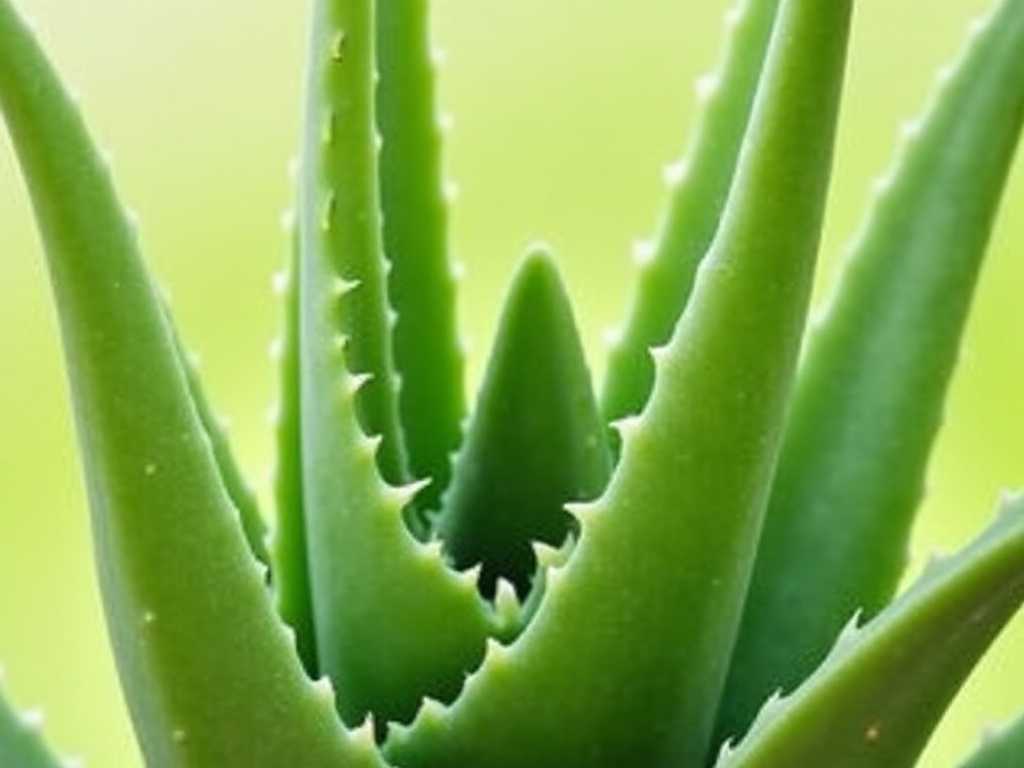
To make an informed choice, you first need to understand what you're dealing with. The aloe vera leaf contains two primary substances with very different properties.
The first is the clear, gelatinous inner leaf fillet, often called the gel. This is the prized part for edible aloe vera consumption. It's packed with water, vitamins, minerals, amino acids, and antioxidants. This gel is what provides the renowned soothing, hydrating, and nutritional benefits when ingested.
Surrounding this gel is a second substance: the aloe latex or aloin. This is a bitter, yellow-colored sap found just beneath the leaf's green skin. Crucially, aloin is a potent laxative. According to numerous health authorities, including the International Aloe Science Council, long-term or high-dose consumption of aloin can cause severe cramping, diarrhea, and electrolyte imbalances. In 2002, the U.S. Food and Drug Administration required the removal of aloin from over-the-counter laxative products due to safety concerns.
Therefore, the single most important rule for choosing safe aloe vera is ensuring you consume only the purified inner gel, completely free from the outer leaf and its latex residue.
Step 1: Selecting the Right Aloe Vera Plant for Consumption
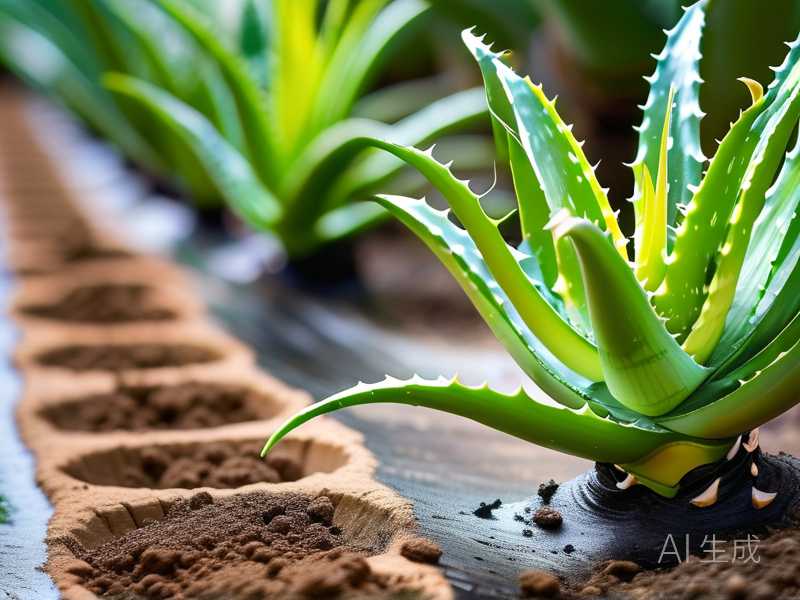
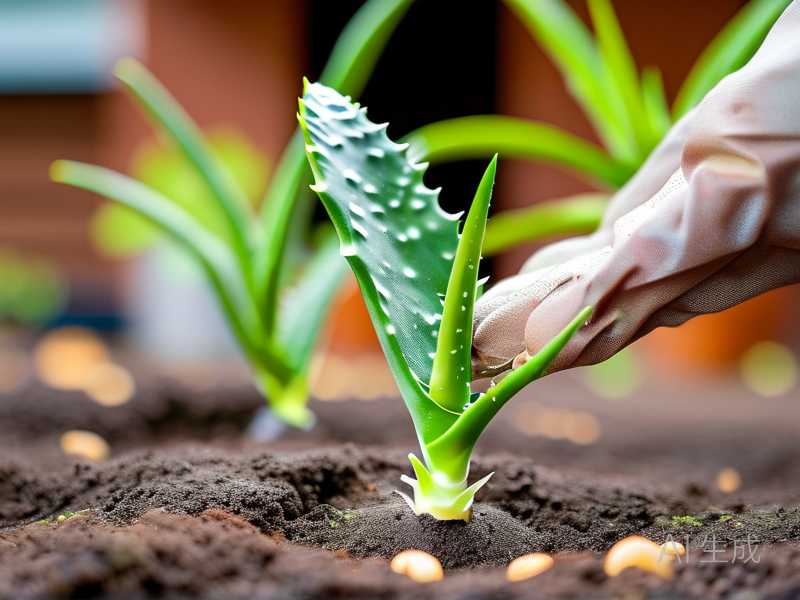
If you prefer going straight to the source, growing and harvesting your own plant is an excellent way to ensure quality. Here’s how to pick and identify the right one.
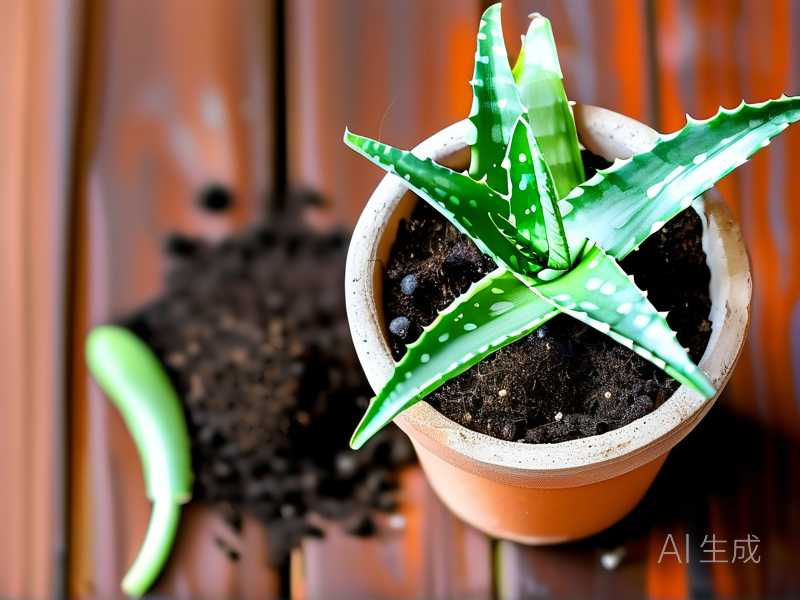
Opt for Aloe barbadensis miller. This is the most common and well-researched species for both topical and internal use. When shopping for a plant, look for the botanical name on the label. Avoid ornamental varieties like Aloe vera var. chinensis or spikey, decorative aloes, as their safety for consumption is not established.
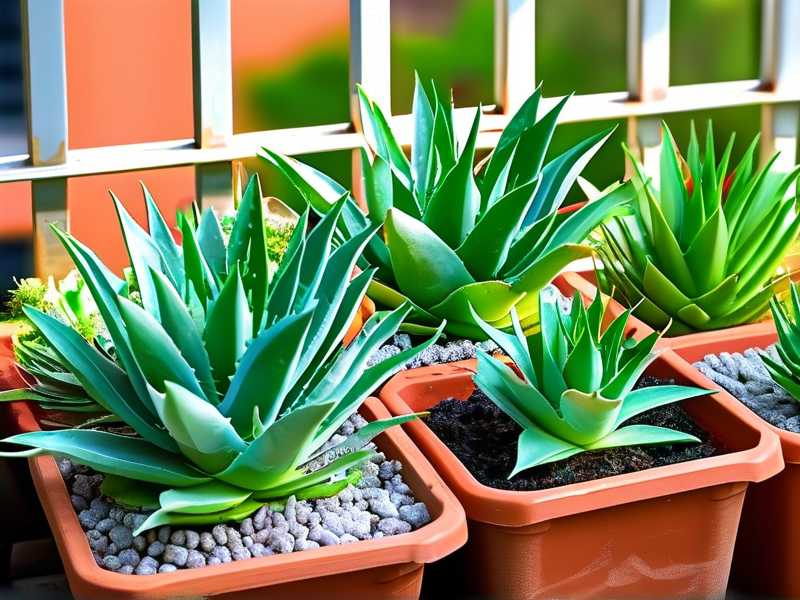
Choose a mature, healthy plant. A good plant for harvesting is at least 2-3 years old and has thick, firm, plump leaves. The leaves should be a vibrant grey-green color, growing upright. Avoid plants with thin, red-tinged, or drooping leaves, as they may be stressed, immature, or lacking in nutrient-dense gel.
Source from reputable growers. Purchase your plant from a trusted nursery, organic garden center, or reputable online retailer specializing in herbs and edible plants. This reduces the risk of acquiring plants treated with pesticides not meant for food crops.
Step 2: How to Identify and Process Edible Aloe Vera Gel at Home
Once you have a mature Aloe barbadensis miller plant, proper harvesting and processing are non-negotiable for safety.
Harvesting: Select a large, outer leaf from the base of the plant. Using a clean, sharp knife, cut it close to the stem. Place the leaf upright in a container for 10-15 minutes. This allows the yellow aloin latex to drain out from the cut end. Rinse the leaf and pat it dry.
Filleting – The Critical Step: Lay the leaf flat on a cutting board. Carefully slice off the serrated edges on both sides. Then, using a vegetable peeler or the knife, slice off the top green skin layer. You will now see the yellow latex layer. Gently scrape this layer off completely with a spoon, revealing the pristine, clear gel beneath. This step of removing aloin from aloe is essential. Scoop out the clean gel into a clean bowl.
Preparation for Use: The fresh gel can be used immediately. For a smoother texture, blend it. Store unused gel in an airtight container in the refrigerator for up to a week, or freeze it in ice cube trays for longer storage. Always perform a small skin patch test first if you have sensitive skin, and start with a small amount (about 1-2 tablespoons) when first introducing it to your diet to assess tolerance.
Step 3: Choosing a Safe and High-Quality Commercial Aloe Vera Juice or Gel
For convenience, many people opt for ready-to-drink aloe products. The market is flooded with options, making selecting edible aloe vera products a task that requires a discerning eye.
Decode the Label: The ingredient list is your best friend. Look for products labeled as "inner leaf gel," "decolorized whole leaf," or "aloin-free." "Whole leaf" products can be safe only if they have been properly filtered and decolorized to remove aloin. Reputable brands will often state "aloin-free" or "anthraquinone-free" prominently.
Check for Certification: Seek out bottles bearing the seal of the International Aloe Science Council (IASC). This independent organization certifies products for quality, purity, and the actual aloe content. Their certification is a strong indicator of a trustworthy product that contains what it claims.
Purity is Paramount: The ideal product should have aloe vera inner leaf gel or juice listed as the first (and often only) ingredient. Avoid products with excessive fillers, artificial colors, high fructose corn syrup, or excessive sugars. A high-quality aloe drink should have a mild, slightly bitter taste, not be overly sweet.
Packaging Matters: Aloe vera's active enzymes are sensitive to light and heat. Choose products in dark glass bottles or opaque, BPA-free plastic containers, and store them as directed, usually in the refrigerator after opening.
Integrating Edible Aloe Vera into Your Diet
Once you have your safe, pure aloe gel or juice, the benefits await. Start with small amounts. You can blend a quarter cup of fresh gel into smoothies, mix a shot of pure juice into water or herbal tea, or add it to homemade salad dressings and salsas. Its mild flavor pairs well with citrus, ginger, and coconut water. Remember, consistency with a moderate dose is more beneficial than occasional large quantities.
Frequently Asked Questions
Can I eat aloe vera straight from the plant? Not directly, no. Even from an Aloe barbadensis miller plant, you must properly fillet the leaf to completely remove the green skin and the yellow latex (aloin) layer beneath it. Eating the unprocessed leaf can lead to digestive discomfort and negate the health benefits.
How can I tell if my commercial aloe juice is pure? Beyond checking for IASC certification and the ingredient list, a simple test is to look at the texture and separation. Pure, high-quality aloe vera juice may naturally separate over time, with a clearer liquid on top and a denser gel at the bottom. This is normal. Shake it gently before use. An unnaturally uniform, brightly colored liquid that never separates may indicate heavy processing or additives.
Are there people who should avoid edible aloe vera? Yes. Pregnant or breastfeeding women should avoid internal aloe use due to its potential stimulant effects. Individuals with intestinal conditions like Crohn's disease, ulcerative colitis, or hemorrhoids should also avoid it, as the residual laxative properties (even in purified forms) may cause irritation. Anyone on medication, especially for diabetes, heart, or kidney conditions, should consult a doctor first, as aloe may interact with certain drugs. When in doubt, seek professional medical advice.
Navigating the world of edible aloe vera requires a blend of enthusiasm and cautious discernment. The rewards—enhanced hydration, digestive support, and a boost of nutrients—are well worth the initial effort of learning to choose correctly. By prioritizing the pure inner gel, whether from a carefully processed home plant or a certified, high-quality commercial product, you transform this ancient succulent from a simple topical remedy into a powerful and safe component of your internal wellness routine. Let this knowledge empower you to harness the true potential of aloe vera, confidently and safely.