bluename
 Aloe Vera for Hair Breakage: Your Ultimate Guide to Stronger, Healthier Strands
Does your brush collect more hair than you’d like? Do you notice short, broken strands scattered on your shoulders, a telltale sign of fragility? Hair breakage is a common, frustrating issue that can leave your hair looking thin, dull, and lifeless. While genetics and environmental factors play a role, the daily wear and tear from styling, chemical treatments, and even rough handling can weaken the hair’s structure. The quest for stronger hair often leads to expensive salon treatments and shelves full of products. But what if a powerful, natural solution has been growing quietly in homes for centuries? Enter aloe vera. This humble succulent is more than a sunburn soother; it’s a potent, science-backed ally in the fight against hair breakage, offering deep strengthening from root to tip.
Understanding the Root Cause of Hair Breakage
Before we dive into the solution, it’s crucial to understand the problem. Hair breakage occurs when the protective outer layer of the hair shaft, the cuticle, becomes damaged. This exposes the inner cortex, making the strand vulnerable to snapping.
Common culprits include excessive heat styling, harsh chemical dyes or relaxers, rough towel-drying, tight hairstyles, and environmental stressors like sun and pollution. Over time, these factors strip the hair of its natural moisture and proteins, leading to weak points that eventually fracture. This is where aloe vera for strengthening hair shifts from a folk remedy to a logical, effective strategy.
Why Aloe Vera is a Breakthrough for Brittle Hair
Aloe vera gel, extracted from the plant’s fleshy leaves, is a nutrient-rich powerhouse. Its effectiveness against breakage isn’t anecdotal; it’s rooted in its unique biochemical composition. According to a review in the Indian Journal of Dermatology, aloe vera contains vitamins A, C, E, B12, and folic acid, along with enzymes and amino acids that are the building blocks of keratin, hair’s primary protein.
More importantly, aloe vera is rich in polysaccharides and phytosterols. These compounds provide deep hydration and have anti-inflammatory properties that can soothe a stressed scalp. A healthy scalp environment is the non-negotiable foundation for strong hair growth. By moisturizing the hair shaft, sealing the cuticle, and nourishing the follicle, aloe vera directly addresses the core reasons hair becomes brittle and breaks.
How to Use Aloe Vera for Hair Breakage: A Step-by-Step Guide
Integrating aloe vera into your hair care routine is simple and versatile. For best results, use fresh gel from the plant or opt for a high-quality, pure organic store-bought gel with minimal additives.
The Pure Aloe Vera Pre-Shampoo TreatmentThis intensive treatment penetrates deeply to fortify strands before you even cleanse.
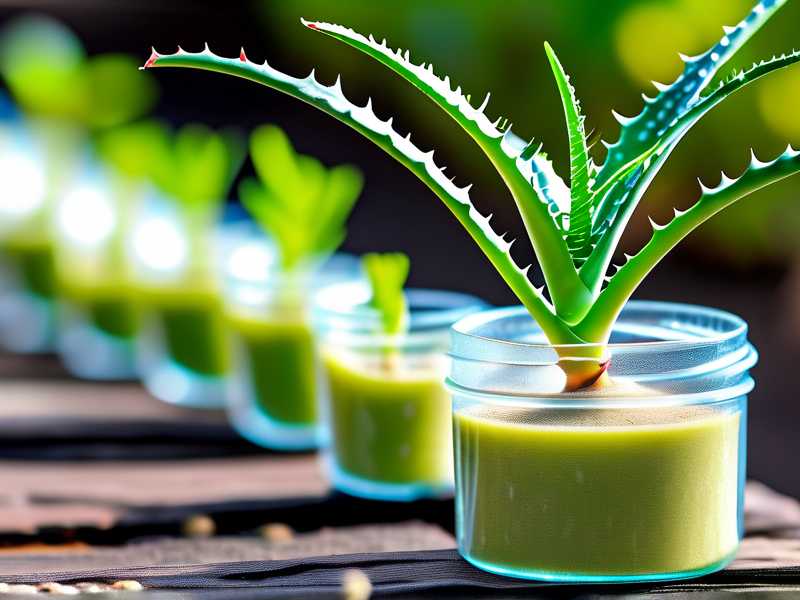
Scoop out the fresh gel from a large aloe leaf. Blend it until smooth and strain if you prefer a completely clear gel.
Section your damp hair and apply the gel generously from your scalp down to the ends. Focus on areas most prone to breakage.
Gently massage your scalp for 5 minutes to stimulate circulation.
Cover your hair with a shower cap and leave the treatment on for 30-45 minutes. For a deeper treatment, you can leave it on overnight.
Rinse thoroughly and follow with your regular, gentle shampoo and conditioner. You’ll immediately notice a smoother, more manageable texture.
The Aloe Vera and Coconut Oil Strengthening MaskCoconut oil is renowned for its ability to penetrate the hair shaft and reduce protein loss. Combined with aloe, it creates a potent repair for broken hair.
Mix two tablespoons of pure aloe vera gel with one tablespoon of melted coconut oil.
Add a teaspoon of honey for extra humectant properties.
Apply this mixture to clean, towel-dried hair, concentrating on the mid-lengths and ends.
Leave it on for at least 20 minutes before rinsing with cool water. Use this mask once a week for visibly stronger, more resilient hair.
Aloe Vera as a Daily Leave-In ConditionerFor ongoing protection and detangling, which prevents mechanical breakage, aloe vera is a perfect lightweight leave-in.
After washing, take a small amount of aloe vera gel (about the size of a coin).
Rub it between your palms and smooth it over your damp hair, focusing on the ends.
Style as usual. This seals in moisture, adds shine, and provides a protective layer without any heaviness or buildup.
Supporting Hair Health from the Inside Out
While topical application is key for managing breakage, holistic hair strength also comes from within. Aloe vera juice, consumed in moderation, offers internal benefits. It’s packed with antioxidants that combat free radical damage and supports digestive health, which is linked to nutrient absorption for hair growth. Always consult with a healthcare professional before adding any new supplement to your diet, and ensure you choose food-grade, decolorized (purified) aloe vera juice designed for consumption.
Building a Breakage-Proof Hair Care Routine
Using aloe vera is most effective when paired with breakage-conscious habits.
Be Gentle: Detangle with a wide-tooth comb on damp hair, starting from the ends. Avoid rough towel-drying; instead, use a soft microfiber towel or an old cotton t-shirt to blot hair.
Protect Before Heat: Always apply a heat protectant spray before using any hot tools. Consider lowering the temperature setting on your styling tools.
Choose Protective Styles: Looser braids, buns, and styles that don’t pull on the hairline can prevent tension breakage.
Trim Regularly: Getting rid of split ends every 6-8 weeks prevents the split from traveling up the hair shaft and causing further breakage.
Frequently Asked Questions
Can aloe vera cause hair loss?No, pure aloe vera does not cause hair loss. In fact, its soothing properties can improve scalp health, which may support a better environment for hair growth. However, if you have a specific allergy to plants in the Liliaceae family (like onions or tulips), it’s possible to have a scalp reaction. Always do a patch test before full application.
How long does it take to see results from using aloe vera on hair?Consistency is key. You may notice an immediate improvement in softness and manageability after the first use. However, for a visible reduction in breakage and improved strength, regular use over 4 to 8 weeks is typically needed. Hair health is a journey, not a quick fix.
Is it better to use fresh aloe vera gel or store-bought products?Fresh gel is excellent and free of preservatives, but its potency can vary, and it requires preparation. High-quality, organic store-bought gels (with aloe vera listed as the first ingredient) offer consistent concentration and convenience. The best choice is the one you will use consistently.
Embracing aloe vera is about harnessing a timeless, natural ingredient to address a modern hair concern. Its multifaceted action—deeply hydrating, sealing cuticles, nourishing the scalp, and reinforcing strands—makes it a uniquely effective tool for combating breakage. By incorporating these strengthening tips with aloe vera into a mindful hair care routine, you’re not just patching up damage; you’re actively building a foundation of resilience. The path to stronger, healthier hair that resists snapping and shines with vitality is clearer than ever, and it might just be growing on your windowsill.