bluename
 How to Boost Nutrient Absorption for Aloe Vera: A Complete Guide for Lush Growth
You’ve given your aloe vera plant the perfect spot with bright, indirect light. You water it carefully, waiting for the soil to dry completely. You might even use a specialized succulent fertilizer. Yet, something’s off. The leaves aren’t as plump or vibrant as you’d like. Growth seems sluggish, or worse, the tips are turning brown. This common frustration often points to one underlying issue: poor nutrient absorption. It’s not just about what you feed your plant, but how well it can take up and use those essential nutrients. This guide will walk you through the science and practical steps to significantly boost nutrient absorption for aloe vera, transforming it into the thriving, resilient succulent you desire.
Understanding the Aloe Vera Root System: The Gateway to Nutrients
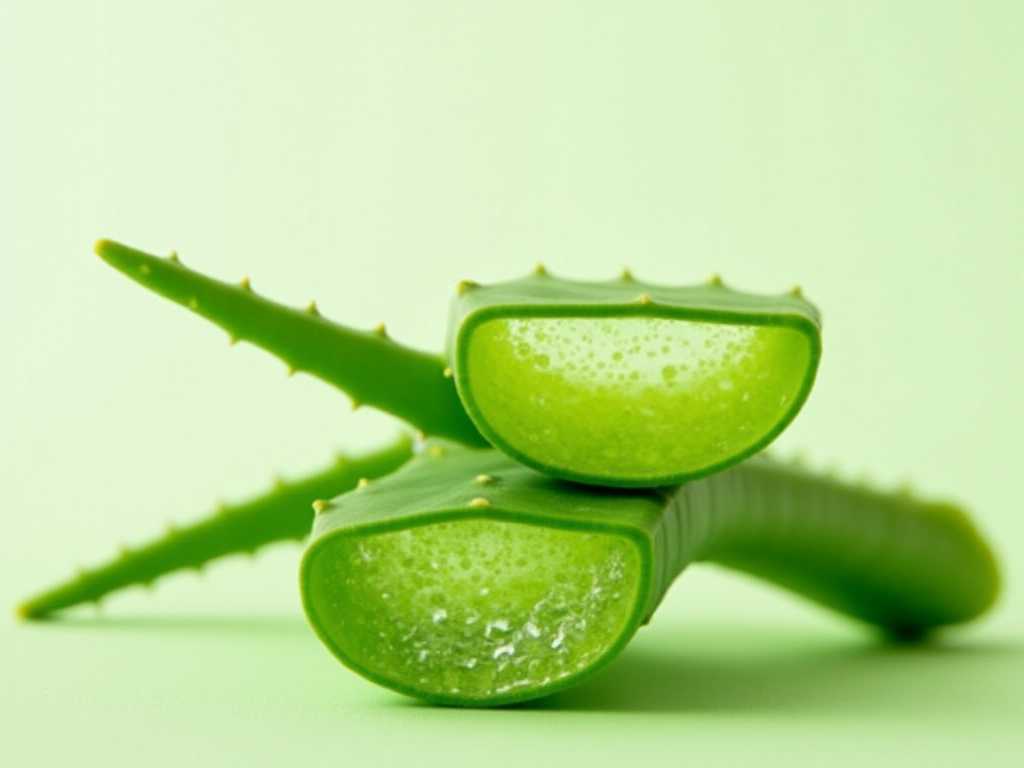
Before we can enhance absorption, we must understand the gateway. Aloe vera has a shallow, fibrous root system that spreads out horizontally rather than digging deep. This adaptation is perfect for quickly capturing scarce rainwater in its native arid environments but makes it particularly sensitive to its growing conditions.
- The Role of Roots: These fine roots are responsible for uptaking water and dissolved minerals (nutrients). Their health is paramount. Damaged, rotten, or constricted roots simply cannot perform their job, no matter how rich your fertilizer is.
- The Symbiotic Relationship: In optimal soil, beneficial microbes and mycorrhizal fungi form partnerships with the roots. These microorganisms help break down nutrients into forms the plant can easily absorb, effectively extending the root system’s reach.
Creating the Perfect Foundation: Soil and Potting
This is the single most critical factor for healthy nutrient uptake. Wrong soil leads to a cascade of problems, primarily root rot, which destroys the plant’s ability to absorb anything.
Choosing and Crafting the Ideal Soil Mix Aloe vera demands a fast-draining, gritty, and slightly acidic to neutral soil pH (around 6.0 to 7.0). Dense, moisture-retentive potting soil is a death sentence.
- Commercial Mixes: Look for bags labeled “Cactus & Succulent Mix.” However, many gardeners find even these retain too much moisture.
- The DIY Recipe: For optimal drainage and aeration, create your own blend. A proven recipe is:
- 50% Potting Soil (a good quality, base soil)
- 25% Coarse Sand or Poultry Grit (for drainage and weight)
- 25% Perlite or Pumice (for aeration and preventing compaction) This mix ensures water flows through quickly, delivering oxygen to the roots—a process crucial for nutrient absorption—while preventing soggy conditions.
Pot Selection and Root Health The container is an extension of your soil strategy.
- Drainage Holes Are Non-Negotiable: Every pot must have at least one large drainage hole.
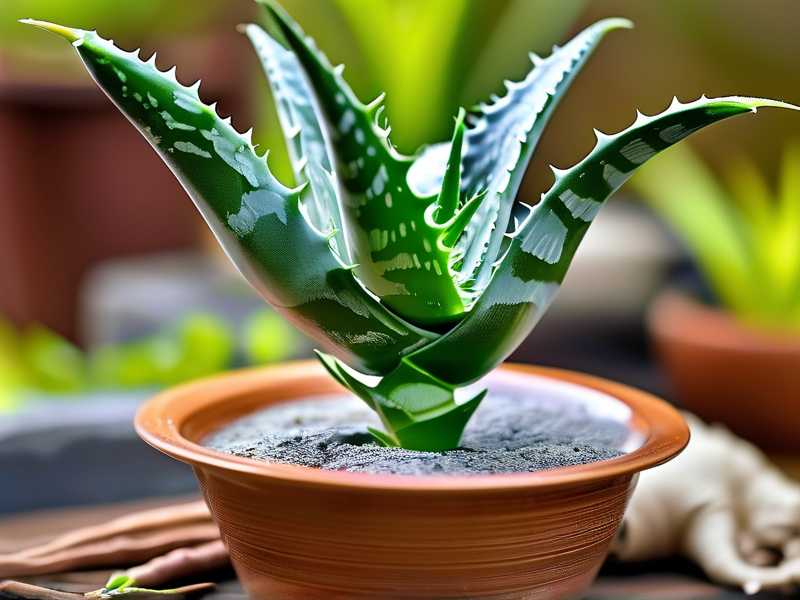
- Material Matters: Terracotta or clay pots are excellent because they are porous, allowing the soil to dry more evenly from the sides as well as the top.
- Size Appropriately: A pot that is too large holds excess wet soil around the small root ball, promoting rot. Choose a pot that is only 1-2 inches wider in diameter than the root ball of your aloe.
Mastering the Watering Technique for Maximum Uptake
Water is the vehicle that carries dissolved nutrients to the roots. Incorrect watering is the fastest way to disrupt this transport system.
The “Soak and Dry” Method This technique mimics the natural desert rains aloe vera is adapted to.
- Soak Thoroughly: Water the soil slowly and evenly until excess water flows freely out of the drainage holes. This ensures the entire root ball is moistened.
- Dry Completely: Wait until the soil is completely dry all the way to the bottom of the pot before watering again. You can check this with a moisture meter or a simple wooden skewer. This cycle prevents the salts from fertilizers from building up in the soil (which can “burn” roots and block uptake) and guarantees the roots have access to both water and oxygen.
The Quality of Water Tap water, especially in hard water areas, can contain high levels of minerals like calcium and salts. Over time, these can accumulate in the soil, altering pH and creating a hostile environment for roots.
- Ideal Choices: Where possible, use rainwater, distilled water, or filtered water. If using tap water, let it sit out for 24 hours to allow some chlorine to evaporate.
Strategic Fertilization: Feeding for Absorption
Less is more when fertilizing aloe vera. The goal is to provide support without overwhelming the plant’s delicate systems.
Type, Timing, and Dilution
- Formula: Use a balanced, water-soluble fertilizer diluted to half-strength. A formula like 10-10-10 or one slightly higher in phosphorus (e.g., 5-10-5) is suitable. Some experts, like horticulturist Dr. Linda Chalker-Scott, emphasize that succulents often thrive with minimal fertilization, as over-fertilization can lead to soft, weak growth.
- Schedule: Fertilize only during the active growing season (spring and summer). Do not fertilize in fall and winter when the plant is dormant. Once every 4-6 weeks is sufficient.
- Application: Always apply to damp soil. Never fertilize a dry plant, as this can shock and damage the roots.
The Role of Micronutrients While NPK (Nitrogen, Phosphorus, Potassium) are the primary macronutrients, micronutrients like iron, magnesium, and zinc are vital for chlorophyll production and enzyme functions that drive absorption. A quality fertilizer will include these. Signs of deficiency (e.g., yellowing between leaf veins) can indicate poor uptake of these elements.
Optimizing Environmental Factors
Nutrient absorption is a biological process influenced by the plant’s overall environment.
- Light is Energy: Bright, indirect light is essential. Light drives photosynthesis, which creates the energy (sugars) needed to power the active transport of nutrients from the soil into the roots. A weak, etiolated plant lacks the energy for efficient uptake.
- Temperature Matters: Aloe vera absorbs nutrients best in warm conditions (between 55°F and 80°F / 13°C and 27°C). Cold temperatures slow down metabolic processes, including nutrient absorption.
- Ensuring Proper Aeration: Compacted soil suffocates roots. The gritty soil mix mentioned earlier prevents this. Gently aerating the top layer of soil with a chopstick can also help, but be careful not to damage shallow roots.
Troubleshooting: When Absorption Fails
Even with perfect care, issues can arise. Here’s how to diagnose and fix them:
- The Root Check: If your aloe is persistently struggling, gently remove it from its pot. Inspect the roots. Healthy roots are firm and white or tan. Rotten roots are mushy, brown, or black, and may smell. Prune all affected roots with sterile scissors, let the plant callous over for a day or two, and repot in fresh, dry soil. Do not water for a week.
- Flushing the Soil: To remove fertilizer salt buildup, which can create a chemical barrier to absorption, practice “soil flushing.” Every few months, during a regular watering session, slowly pour a large volume of clean water (about 4-5 times the pot’s volume) through the soil, letting it drain completely. This leaches out excess salts.
- pH Testing: If problems persist, test your soil’s pH. A pH that is too high (alkaline) can lock up iron and other nutrients. You can slightly lower pH by occasionally watering with a diluted vinegar solution (1 tablespoon white vinegar per gallon of water) or using a soil acidifier.
Frequently Asked Questions
Can I use coffee grounds to help my aloe vera absorb nutrients? It’s not recommended. While coffee grounds are slightly acidic and can add organic matter to garden soil, they tend to clump and retain moisture in potted environments, increasing the risk of mold and root rot for succulents like aloe vera. For improving aloe vera nutrient uptake, stick to a well-draining mineral-based soil mix.
How do I know if my aloe is absorbing the fertilizer I give it? Look for signs of vibrant, active growth during the growing season: new, firm leaves emerging from the center, a deepening green color, and overall plant vigor. Soft, rapid, or discolored growth can indicate over-fertilization, where the plant is overwhelmed rather than healthily absorbing nutrients.
My aloe vera plant’s leaves are thin and curled. Is this a nutrient absorption problem? Thin, curled leaves are primarily a sign of underwatering or extreme thirst. While nutrient issues can compound stress, the plant is likely not taking up enough water. Ensure you are using the “soak and dry” method thoroughly. Once watering is corrected, the plant will be better positioned to absorb available nutrients.
Transforming your aloe vera from merely surviving to vigorously thriving hinges on mastering the conditions that govern its roots. By prioritizing a gritty, breathable soil foundation, perfecting a watering rhythm that balances moisture and oxygen, and applying a minimalist, strategic feeding program, you directly enable efficient nutrient absorption for aloe vera. Remember, a robust root system in a healthy environment is the ultimate driver of lush growth and resilience. Pay attention to your plant’s signals—firm, plump leaves and steady new growth are the best indicators that your efforts to enhance aloe vera nutrient intake are truly working.