bluename
 Aloe Vera and Pets: Is It Toxic to Dogs and Cats?
You’ve seen the green, spiky plant on countless windowsills, hailed as a miracle worker for sunburns and skin irritations. As a pet owner, you might have wondered if this popular houseplant could offer the same soothing benefits to your furry friend. But before you snap off a leaf to treat your dog’s itchy paw or your cat’s minor scrape, you need to know the critical answer to one question: Is aloe vera safe for pets?
The short and vital answer is no, aloe vera is not considered safe for dogs and cats. While the inner gel is often used topically for humans, the plant contains components that are toxic when ingested by our pets. This guide will cut through the confusion, providing clear, authoritative information to help you keep your companion safe while exploring any potential benefits under strict veterinary guidance.
Understanding Aloe Vera’s Composition: The Good and The Toxic
To understand the risk, we must look at what’s inside the aloe leaf. The plant is composed of three main parts, and only one is relatively benign.

- The Outer Green Rind (Leaf): This tough, green exterior is a physical barrier and is generally not consumed.
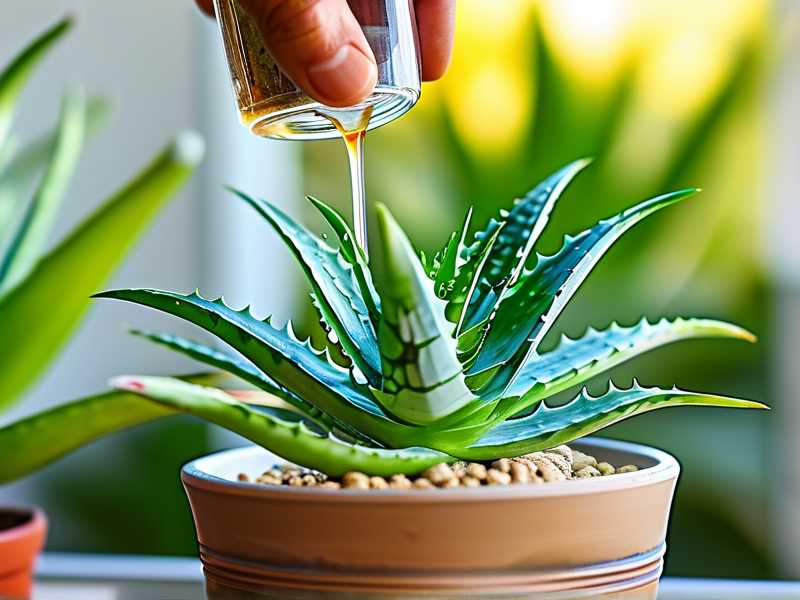
- The Latex (Yellow Sap): This is the primary danger zone. Found just beneath the green rind, this bitter, yellow liquid contains anthraquinone glycosides, notably aloin. Aloin is a potent laxative. When ingested by pets, it can cause severe gastrointestinal distress, including vomiting, diarrhea, and abdominal cramping. In large enough quantities, it can lead to dehydration, electrolyte imbalances, and tremors.
- The Inner Clear Gel: This is the mucilaginous substance most people recognize. It consists mostly of water, along with vitamins, enzymes, minerals, and amino acids. In humans, this gel is praised for its cooling, moisturizing, and potentially anti-inflammatory properties when applied to the skin. For pets, the gel itself is considered mildly toxic if ingested, primarily due to residual latex and saponins, which can irritate the digestive system.
Dr. Sarah Wooten, a well-known veterinary expert, emphasizes this point: "The difference between the gel and the latex is crucial for pet owners. While we might separate them for our use, a pet chewing on a plant ingests everything—including the toxic latex. It's simply not worth the risk."
Recognizing Symptoms of Aloe Vera Poisoning in Pets
If you suspect your pet has chewed on or ingested any part of an aloe vera plant, watch for these signs of toxicity. Symptoms typically appear within a few hours.
Common signs in dogs and cats include:
- Vomiting
- Diarrhea (which may contain blood)
- Lethargy and depression
- Loss of appetite
- Abdominal pain or discomfort (your pet may whine, pace, or assume a "praying" position)
- Changes in urine color (to a reddish-brown)
In more severe cases of ingestion, you might observe:
- Tremors or muscle weakness
- Increased heart rate
- Severe dehydration
If your pet displays any of these symptoms and you have an aloe plant in your home, contact your veterinarian or an animal poison control center immediately. Be prepared to describe the plant, the part consumed, and the amount if possible.
Safe Use of Aloe Vera for Pets: Is There Any Scenario?
Given the risks of the raw plant, the consensus among veterinarians is clear: do not give your pet raw aloe vera or allow them access to the plant. However, the conversation about aloe vera for dogs' skin or aloe vera for cats' minor wounds often arises due to its human reputation.
The potential for benefit lies only in highly processed, purified aloe vera gel products that have had all traces of the toxic latex (aloin) removed. Even then, caution is paramount:
- Never Use DIY or Store-Bought Human Products: Products meant for human skin often contain other ingredients like alcohols, essential oils (e.g., tea tree oil), or fragrances that are highly toxic to pets.
- Veterinary Guidance is Non-Negotiable: Only use aloe-derived products specifically formulated and approved for veterinary use. These are designed to be safe if licked in small amounts.
- Topical Application Only: Any safe use is strictly for topical application on intact skin, not for ingestion or use on open wounds without direct veterinary instruction.
- The "Lick Risk": Dogs and cats will instinctively lick applied substances. Ingesting even a purified topical product can cause stomach upset.
A 2020 review in the Journal of Veterinary Science noted that while certain purified aloe polysaccharides show promise in studies for wound healing, "the translation to safe, effective over-the-counter pet products requires stringent processing standards to eliminate toxic compounds." This underscores the gap between raw plant danger and potential processed ingredient benefit.
Creating a Pet-Safe Home: Alternatives to Aloe Vera
The safest strategy is to treat aloe vera like any other toxic houseplant. Keep it completely out of reach of curious paws and mouths—remember, cats can access high shelves. Consider opting for pet-safe plants like spider plants, Boston ferns, or certain palms instead.
For the skin and minor wound care needs that might lead you to consider aloe, discuss these safer, vet-recommended alternatives with your veterinarian:
- For Soothing Skin Irritations: Your vet may recommend gentle, pet-safe oatmeal shampoos, hypoallergenic moisturizers, or medicated wipes.
- For Minor Abrasions: A sterile saline solution is excellent for cleaning minor cuts and scrapes. Your vet can prescribe or recommend appropriate antibacterial ointments that are safe for pets.
- For Overall Skin Health: A diet rich in omega-3 fatty acids (from fish oil supplements approved by your vet) can support healthy skin and coat from the inside out.
Frequently Asked Questions (FAQs)
What should I do if my dog eats aloe vera? Remove any plant material from their mouth if safe to do so. Do not induce vomiting unless instructed by a professional. Immediately call your veterinarian or the ASPCA Animal Poison Control Center (888-426-4435). Monitor closely for symptoms like vomiting, diarrhea, or lethargy and inform the expert of the approximate amount ingested.
Can I put aloe vera gel on my dog's hot spot? It is strongly advised against using raw or human aloe gel on hot spots. Hot spots are painful, infected wounds that require proper veterinary diagnosis and treatment, which may include clipping the hair, cleansing, and prescribed topical or oral antibiotics and anti-inflammatories. Using the wrong product can worsen the irritation or be toxic if licked.
Are there any pet-safe aloe vera products? Yes, some pet-specific shampoos, conditioners, or topical gels contain purified aloe vera as an ingredient. The key is that they are commercially formulated for animals, ensuring the removal of aloin and the safety of other ingredients. Always choose products from reputable pet care brands and follow label instructions.
The well-being of our pets hinges on informed caution. While the aloe vera plant holds benefits in human contexts, its inherent toxins make it a household hazard for dogs and cats. The risks of ingestion—from severe gastrointestinal upset to more serious complications—far outweigh any unverified topical benefits. By understanding the difference between the toxic latex and the inner gel, recognizing the signs of poisoning, and consulting your veterinarian for safe skin care alternatives, you can ensure your home remains a sanctuary for your furry family member. Prioritize products and plants designed with their safety in mind, and when in doubt, always seek professional veterinary advice.