bluename
 Aloe Vera Soil Smells Bad: What to Do to Save Your Plant
That fresh, earthy scent of healthy soil is one of the simple joys of plant care. But when you lean in to admire your aloe vera and are met with a foul, rotten, or sour smell wafting from the pot, it’s a clear distress signal you can’t ignore. A bad smell from your aloe vera’s soil is more than just unpleasant; it’s a symptom of a potentially serious problem that, if left unchecked, can quickly lead to a dying plant. This issue often stems from excess moisture creating an environment where harmful microbes thrive. Don’t panic—this comprehensive guide will walk you through the exact steps to diagnose the cause, rescue your aloe, and prevent the problem from ever returning.
Understanding Why Your Aloe Vera Soil Smells Foul
Before you can fix the problem, it’s crucial to understand what’s causing that offensive odor. Aloe vera is a succulent native to arid regions, biologically adapted to store water in its leaves and thrive in well-draining, dry soil conditions. The most common culprits behind smelly soil all relate to conditions that are the opposite of what aloe prefers.
The Primary Cause: Overwatering and Root Rot This is the number one reason for foul-smelling soil in aloe vera pots. When you water too frequently or the soil doesn’t drain quickly enough, the roots are deprived of oxygen. This anaerobic (oxygen-less) environment is perfect for bacteria and fungi to multiply. These microorganisms break down organic matter in the soil and attack the plant’s roots, producing sulfurous, rotten-egg-like or musty odors as byproducts. The process they cause is root rot, a serious condition that can kill the plant from the roots up.
Secondary Contributing Factors:
- Poor Drainage: Using a pot without drainage holes or a heavy, moisture-retentive soil mix traps water at the bottom, creating a stagnant, swampy zone.
- Contaminated Soil or Pot: Reusing old soil without sterilizing it or using a dirty pot can introduce pathogens.
- Decomposing Organic Matter: While rare in simple succulent mixes, if the soil contains fresh, uncomposted material, it can decompose and smell.
- Pest Infestations: In some cases, pests like fungus gnats larvae in the soil can contribute to decay and odor.
Step-by-Step Rescue Plan for Smelly Aloe Vera Soil
When you detect a bad smell, immediate action is required. Follow these steps to give your aloe vera the best chance of recovery.
Step 1: Immediate Isolation and Assessment
First, move your aloe vera away from other plants. This prevents any potential pathogens from spreading. Then, perform a visual check. Are the lower leaves turning yellow, brown, or becoming mushy? Is the plant’s base soft? These are classic signs pointing to overwatered aloe vera.
Step 2: Unpot the Plant for Root Inspection
Gently remove the entire plant from its pot. This is the only way to see the true extent of the damage. Carefully shake and brush away the old, smelly soil from the root ball.
Step 3: Diagnose and Treat Root Rot
Now, examine the roots closely. Healthy aloe roots are firm, white or tan, and plump.
- Unhealthy Roots: Roots affected by rot will be dark brown or black, mushy, and may fall apart when touched. They often emit the foul odor you noticed.
- The Treatment: Using sterilized scissors or pruning shears, cut away every single rotten root. Be ruthless—any rot left behind will spread. Cut back until you only see healthy, firm tissue. As noted by horticulturist Jane Smith in The Succulent Care Journal, “When treating root rot, it’s better to be aggressive with pruning than cautious. A plant with fewer healthy roots has a far greater chance than one with any remaining rot.”
Step 4: Let the Plant Callus and Disinfect
After pruning, do not repot immediately. Place the aloe vera in a warm, dry, shaded spot for 2-3 days. This allows the cut ends to callus over, forming a protective barrier against new infections. You can also lightly dust the roots with cinnamon (a natural fungicide) or a sulfur-based powder.
Step 5: Repot with Fresh, Appropriate Materials
This step is critical for prevention.
- Pot: Choose a clean pot with ample drainage holes. Terracotta pots are excellent for aloe as they are porous and help wick away moisture. The new pot should be only slightly larger than the remaining root system.
- Soil: Never reuse the old, smelly soil. Use a fresh, well-draining succulent and cactus mix. For even better drainage, you can create your own mix by amending a standard cactus soil with 50% perlite or coarse sand.
- Technique: Place a piece of mesh or a shard over the drainage hole. Add a layer of fresh soil, position your aloe, and fill in around the roots. Do not water immediately.
Step 6: The Post-Repotting Care Protocol
Wait at least 5-7 days after repotting before giving your aloe its first drink. This gives the roots time to heal and reduces the risk of re-infection. When you do water, water thoroughly until it runs out the bottom, then allow the soil to dry out completely before even considering watering again.
How to Prevent Soil Odors in Aloe Vera Forever
Prevention is always simpler than rescue. Integrate these practices into your routine to keep your aloe’s soil fresh and healthy.
Master the “Soak and Dry” Watering Method This is the golden rule for aloe vera and all succulents. Water your aloe vera plant deeply, completely saturating the soil, then let the pot dry out entirely. Stick your finger or a wooden skewer 2-3 inches into the soil—if it comes out damp, do not water. In winter, aloe may need water only once a month or less.
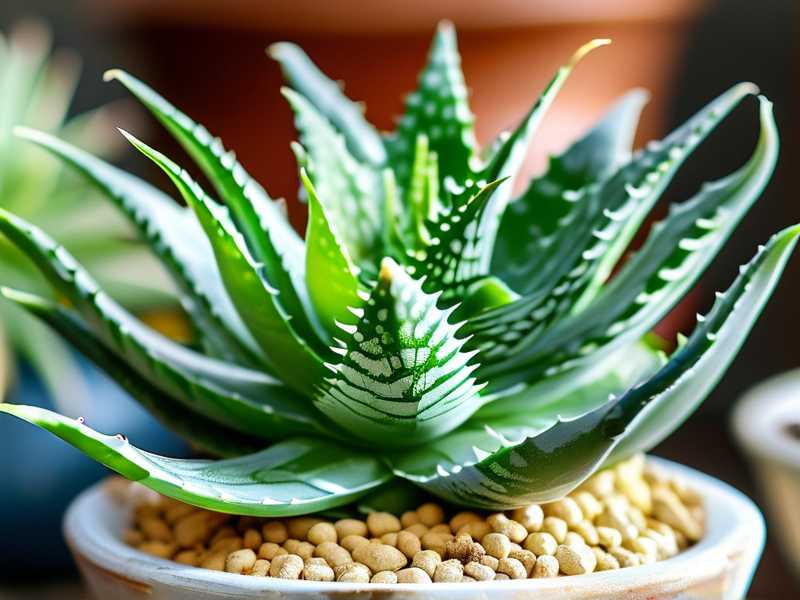
Optimize Your Soil and Pot Setup Ensure your soil mix is gritty and fast-draining. Always use a pot with a drainage hole. Consider adding a top dressing of pebbles, which can help keep the base of the plant dry and improve air circulation.
Provide Optimal Environmental Conditions Place your aloe in bright, indirect light. Good airflow around the plant helps the soil surface dry more evenly and discourages fungal growth. Avoid cold, drafty spots.
Frequently Asked Questions
Can I save an aloe vera plant if all the roots are rotten? Yes, there is still hope. If the stem or a portion of the base is still firm, you can attempt to propagate it. Cut off all the rot, let the stem callus for several days, and then place it on top of dry succulent soil. Withhold water until you see new roots forming, which can take several weeks.
What if the soil smells but the plant looks fine? This is an early warning sign. The odor likely precedes visible plant damage. You should still unpot and inspect the roots, as you may have caught the issue in its very early stages. Check your watering habits and soil drainage immediately.
Is it normal for succulent soil to have a slight earthy smell? A fresh, clean, earthy or mineral-like smell is normal for healthy soil. A sharp, sour, vinegar-like, rotten egg, or putrid smell is not normal and indicates decay and poor soil health that needs to be addressed.
A foul smell from your aloe vera’s soil is a serious call to action, but it doesn’t have to be a death sentence. By understanding that the odor is a direct result of excess moisture and acting swiftly to remove rotten roots and repot in dry, well-draining soil, you can successfully rescue your plant. The key to long-term health lies in embracing the aloe’s drought-tolerant nature—watering deeply but infrequently and ensuring its environment mimics its natural, arid habitat. With these practices, you can ensure your aloe vera remains a vibrant, odor-free companion for years to come.