bluename
 How to Tell If Your Aloe Vera Is Overwatered: A Complete Guide to Saving Your Plant
You've lovingly placed your aloe vera plant on a sunny windowsill, expecting it to thrive with minimal fuss. Yet, instead of the plump, vibrant green spears you envisioned, you're met with soft, discolored leaves that seem to be giving up. This frustrating scenario is a telltale sign of a common, yet often misunderstood, problem: overwatering. Unlike underwatering, the effects of too much water can be subtle at first but devastatingly quick, leading to root rot and the eventual loss of your plant. This guide will walk you through the unmistakable signs of an overwatered aloe vera and provide a clear, step-by-step rescue plan to bring it back to health.
Understanding the Aloe Vera's Natural Habitat is Key to Proper Care
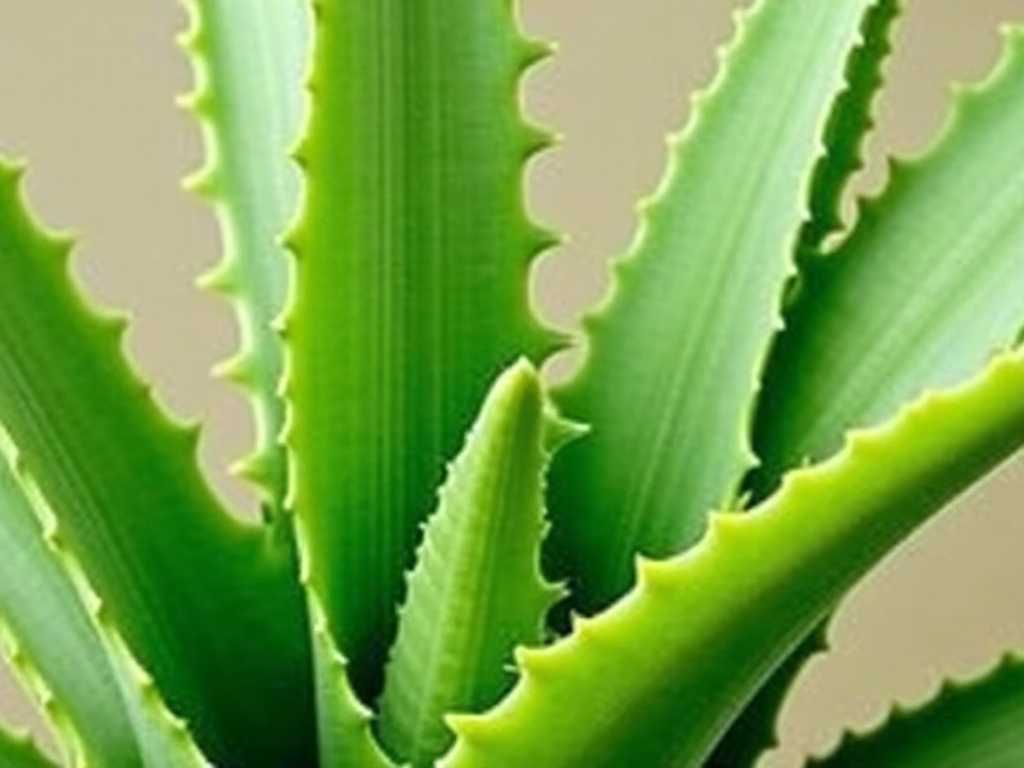
To diagnose watering issues correctly, you must first think like an aloe. Native to arid regions in the Arabian Peninsula, aloe vera is a succulent. This means it stores significant amounts of water in its thick, fleshy leaves to survive long periods of drought. Its root system is adapted to absorb water quickly when it's available and then endure dry spells. In a home environment, replicating this cycle of a thorough drink followed by complete soil dryness is crucial. Overwatering disrupts this natural rhythm, suffocating the roots and creating a breeding ground for harmful fungi and bacteria.
The Top Visual Signs Your Aloe Vera Has Had Too Much Water
Catching the symptoms early is the best way to ensure a successful recovery. Here are the primary visual cues to look for.
Leaves Turning Brown, Yellow, or Translucent
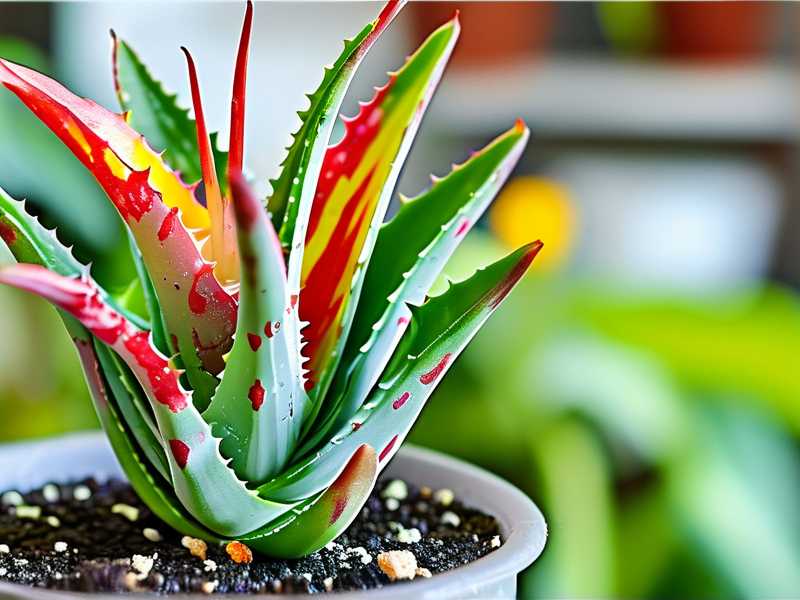
This is often the first and most alarming sign. Healthy aloe leaves are a sturdy gray-green. When overwatered, they may turn a sickly yellow or pale brown, starting at the base or the tips. In advanced cases, the leaves, especially the lower ones, can become soft, mushy, and almost translucent—a condition often called "water-soaked." This translucency means the cells are literally bursting from excess water. As noted by horticulturist Jane Smith in The Succulent Journal, "A yellow, mushy aloe leaf is a plant's distress signal, indicating cellular breakdown from water pressure, not a nutrient issue."
Leaves Feeling Soft, Mushy, and Drooping
Gently squeeze a leaf. A healthy aloe leaf should feel firm and turgid, like a plump water balloon. An overwatered leaf will feel soft, limp, and may bend easily under its own weight. You might notice the leaves drooping or lying flat rather than standing upright. This loss of structural integrity is a direct result of the water-storage cells rupturing.
Signs of Rot at the Base and on the Stem
Carefully inspect the plant's base and stem. If the stem feels soft, squishy, or looks darkened or blackened, this indicates advanced rot, often called stem rot. This is a critical situation, as rot can spread quickly upward from the roots. A foul, musty smell emanating from the soil is another strong indicator of rot setting in.
Below-the-Surface Symptoms: The Root of the Problem
The most severe damage from overwatering happens out of sight. If you suspect overwatering, you may need to gently investigate.
Waterlogged, Soggy Soil That Stays Wet
The simplest check: feel the soil. If the potting mix is still wet or soggy a week or more after watering, your plant is sitting in too much moisture. Aloe vera soil should dry out completely between waterings. A consistently damp environment is the root cause of all other symptoms.
Root Rot: The Silent Killer
This is the ultimate consequence of chronic overwatering. To check, you must carefully remove the plant from its pot. Healthy roots are firm, white or tan, and may have fine hairs. Rotten roots are dark brown or black, mushy, slimy to the touch, and will often fall apart. They may emit an unpleasant odor. According to a study by the University of Florida's IFAS Extension, "Root rot pathogens, like Pythium and Phytophthora, thrive in anaerobic (oxygen-poor) conditions created by waterlogged soil, attacking and decaying the root system."
Your Step-by-Step Rescue Plan for an Overwatered Aloe Vera
Don't panic if you've identified these signs. Aloe vera is resilient, and with prompt action, you can often save it.
Step 1: Immediately Stop Watering This is the most urgent step. Place the plant in a bright, airy location away from direct, harsh sunlight (which can add stress) to help the soil dry faster.
Step 2: Inspect and Treat the Roots Gently remove the plant from its pot. Brush away the wet soil and carefully inspect the root system. Using sterile scissors or pruners, cut away all dark, mushy, rotten roots. Be ruthless—only healthy, firm roots should remain.
Step 3: Let the Plant and Roots Dry Allow the plant, with its trimmed roots, to air dry on a paper towel in a shaded, well-ventilated spot for 24-48 hours. This lets the wounds callous over, preventing new infections when repotted.
Step 4: Repot in Fresh, Dry, Well-Draining Soil Choose a new, clean pot with ample drainage holes—terra cotta is ideal as it "breathes." Use a specialized cactus or succulent potting mix. For even better drainage, you can amend it with extra perlite or coarse sand. Plant your aloe in the dry mix.
Step 5: The Critical Waiting Period Before Watering Do not water immediately after repotting! Wait at least one full week to allow the plant to settle and any disturbed roots to heal. This prevents immediate re-exposure to moisture.
How to Perfect Your Watering Technique to Prevent Future Issues
Prevention is always better than cure. Master these watering habits.
The "Soak and Dry" Method Explained Thoroughly drench the soil until water runs freely out of the drainage holes. This ensures the entire root ball gets moisture. Then, let the pot sit until the soil is completely dry all the way to the bottom. You can check dryness with a moisture meter or a simple wooden chopstick.
How Often Should You Water Aloe Vera? There is no fixed schedule. The correct watering frequency for aloe vera depends on season, climate, and pot size. In general, water every 3-4 weeks in winter and perhaps every 2-3 weeks in summer, but always let the soil condition be your guide, not the calendar.
Choosing the Right Pot and Soil Mix The pot and soil are your first line of defense. Always use a pot with drainage holes. A well-draining succulent mix is non-negotiable. It allows water to pass through rapidly, mimicking the plant's natural gritty, dry environment.
My aloe leaves are thin and curling inward. Is this overwatering or underwatering? This is a classic sign of underwatering. While overwatered leaves become mushy and translucent, an underwatered aloe will use up the stored water in its leaves, causing them to become thin, concave, and curl inward. The plant is trying to reduce surface area to conserve moisture. Give it a deep soak.
Can I save an aloe vera plant if the stem is completely mushy and rotten? If the stem is fully rotted, saving the main plant is unlikely. However, you can attempt propagation from leaves. Cut off any remaining healthy leaves (at least a few inches long) using a sterile knife, let them callous for several days, and then place them on top of dry succulent soil. With patience, they may develop new roots and grow into a new plant.
What is the best location in my home for an aloe vera plant? Aloe vera thrives in bright, indirect sunlight. A south- or west-facing windowsill is often ideal. If the light is too intense and the leaves turn brown or red (a sign of stress), move it slightly back. It prefers temperatures between 55-80°F (13-27°C) and appreciates good air circulation.
Recognizing the signs of overwatering—from yellow, mushy leaves to a persistently wet soil base—empowers you to act quickly. By understanding that aloe vera craves neglect rather than constant attention, you can adjust your care routine. Remember the golden rule: when in doubt, it's always safer to err on the side of underwatering. With the right well-draining home and a patient "soak and dry" watering approach, your aloe vera can recover from its ordeal and return to being a sturdy, low-maintenance source of green beauty in your space.