bluename
 Aloe Vera and Reptile Habitats: Safety Considerations
As a long-time plant enthusiast and reptile keeper, I’ve always been drawn to creating beautiful, naturalistic enclosures. The idea of incorporating live plants like aloe vera is incredibly appealing. They promise aesthetic beauty, potential environmental benefits, and a more authentic slice of nature for our scaled companions. However, my journey into using aloe vera in reptile habitats taught me that the line between a vibrant addition and a hidden risk is thinner than I ever imagined. The core question every responsible keeper must ask is: Is aloe vera safe for my specific reptile? This isn't a one-size-fits-all answer, and getting it wrong can have serious consequences.
My exploration into aloe vera and reptile habitats began with a desire to enhance my bearded dragon’s terrarium. I’d read snippets online about its air-purifying qualities and succulence, but concrete, authoritative safety information was scattered and often contradictory. This is the central pain point: well-meaning keepers want to enrich their pets' lives but lack clear, expert-backed guidance on what is truly non-toxic and safe.
My Step-by-Step Process: Research First, Plant Later
Before I even bought a plant, I committed to two weeks of intensive research and a controlled observation period. Here was my plan.
Week 1: The Investigation and Setup Phase
My first step was to move beyond forum anecdotes. I consulted the websites of the Association of Reptilian and Amphibian Veterinarians (ARAV) and the Animal Health Service Authority (AHSA). While they didn’t have a specific bulletin on aloe vera, their resources consistently emphasized that "non-toxic to humans" does not equal "safe for reptiles." Reptile metabolism is fundamentally different. An ARAV article on safe enclosure practices stressed the importance of verifying plant safety with species-specific databases and considering all risk factors, not just toxicity.
I cross-referenced several reputable herpetological databases. The consensus was that aloe vera (Aloe barbadensis miller) is generally listed as safe for some herbivorous and omnivorous reptiles, like bearded dragons and tortoises, in terms of ingestion. However, the word "generally" was a red flag. It implied conditions and caveats.
I decided to test the setup without my dragon present. I purchased a healthy, organic aloe vera plant from a nursery (avoiding big-box stores where plants are often treated with systemic pesticides). My steps were:
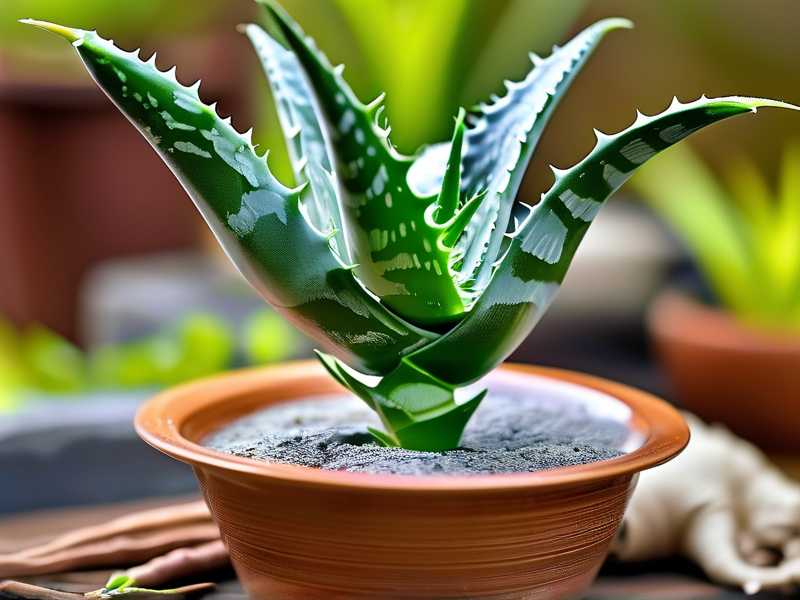
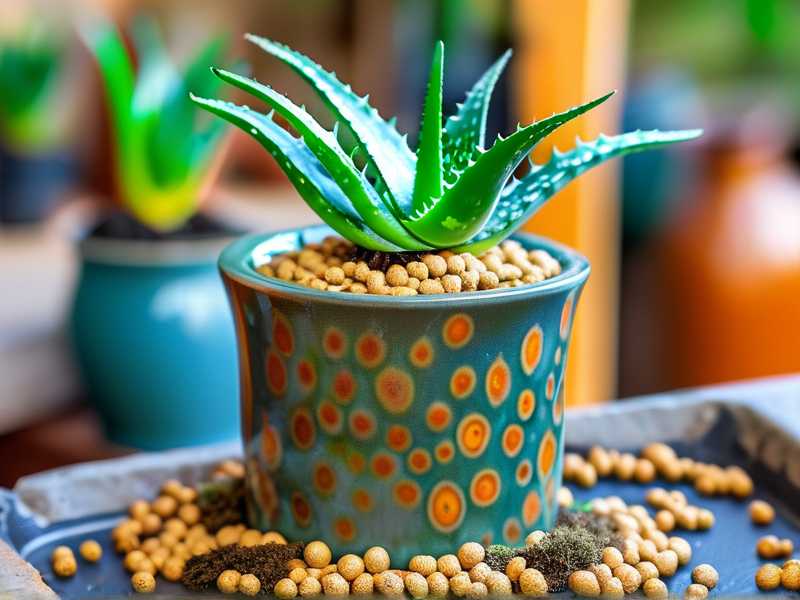
- Quarantine: I repotted the aloe using a sterile, well-draining succulent mix into a simple terracotta pot. Terracotta helps wick away excess moisture, preventing soggy soil.
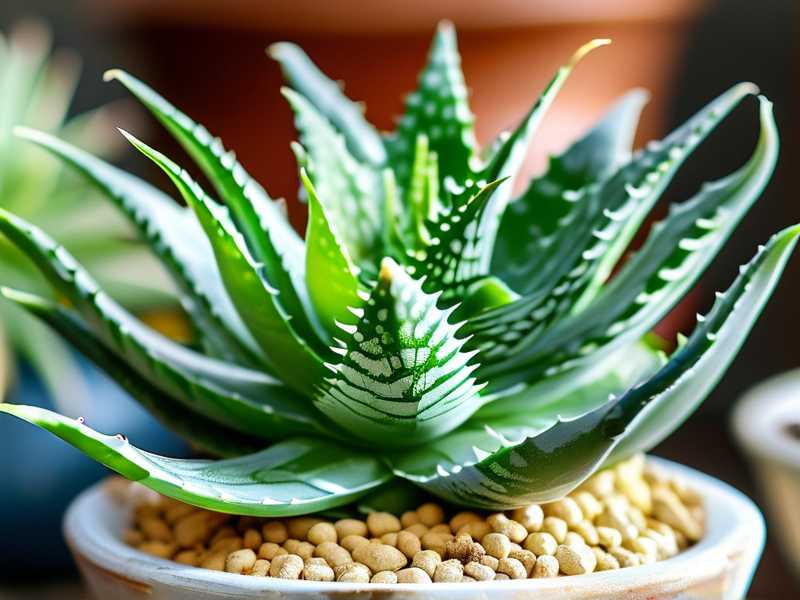
- Soil Safety: I removed the top layer of nursery soil and replaced it with my mix. To prevent my dragon from digging and ingesting soil, I covered the substrate surface in the pot with large, smooth river stones.
- Secure Placement: I placed the potted aloe in a corner of the empty enclosure, ensuring it was stable and couldn't be easily knocked over by an active reptile.
For two weeks, this "habitat" ran on its own. I maintained the enclosure's normal light and temperature cycles, watering the aloe minimally from the bottom only when the soil was completely dry. This was my observation period for the plant and environment.
The Hidden Pitfall I Encountered (And How I Solved It)
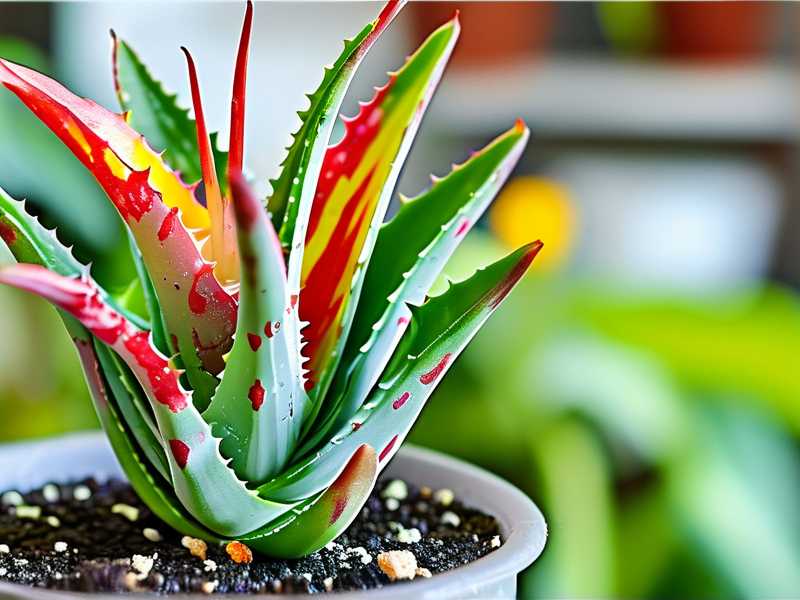
Here’s the major "gotcha" I wasn’t fully prepared for: moisture and fungal growth. Even with careful watering, the humid environment needed for my bearded dragon (around 30-40% humidity) was much higher than the aloe's ideal arid conditions. After just one week, I noticed the base of one lower leaf touching the dampish enclosure substrate starting to soften—a sign of potential rot.
I had created a microclimate that was harmful to the plant, and a rotting plant can quickly become a vector for harmful bacteria and mold in the enclosure. This wasn't a toxicity issue from the aloe itself, but an environmental hazard I introduced.
My solution was two-fold:
- Elevation and Isolation: I created a raised platform using a flat piece of slate. I placed the aloe pot on this platform, elevating it completely from the main enclosure substrate. This improved air circulation around the pot and kept it away from ground moisture.
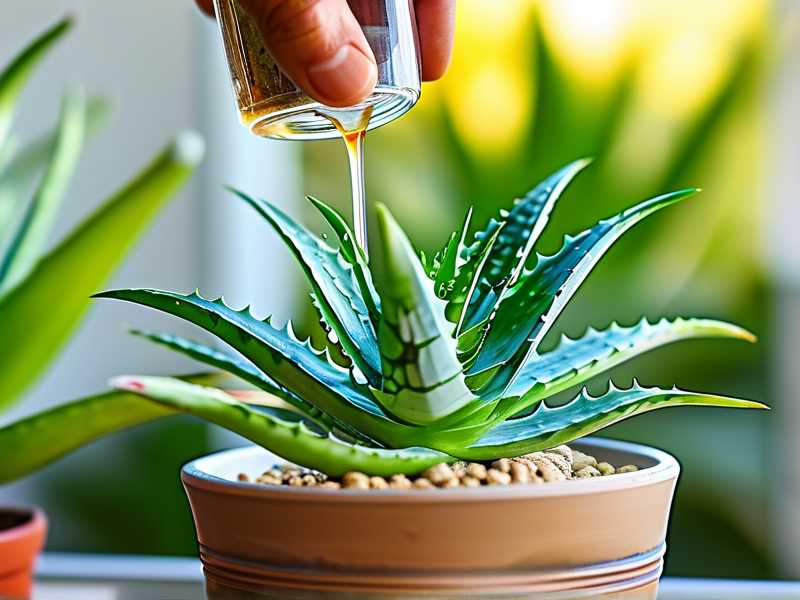
- Watering Discipline: I switched to a syringe to water the soil directly at the base of the plant, using a tiny amount (less than an ounce) only when the terracotta pot felt completely dry and light. This prevented any spillage or oversaturation.
This adjustment saved the plant. By the end of the second week, the aloe was stable, with no further signs of rot. The environment was balanced.
Week 2: Introducing the Reptile and Observing Effects
With the plant healthy and stable, I introduced my bearded dragon, Darwin, for supervised periods. I did not intend for the aloe to be a food source, but rather an environmental feature. Close observation was critical.
For several hours each day over the second week, I watched his behavior. He investigated the new object, gave it a few curious licks, but showed no sustained interest in eating it. His behavior and bowel movements remained completely normal. The aloe’s spiky texture seemed to naturally deter him from taking a big bite. This aligned with the research suggesting it is safe for bearded dragons to be around, but it confirmed my decision not to promote it as forage.
The key takeaway from my two-week trial was that safety is multidimensional. Even a plant considered "safe to ingest" can pose risks through improper husbandry, like promoting mold growth. My success hinged on treating the plant as both a living organism with its own needs and a potential enclosure hazard.
Beyond Ingestion: The Overlooked Safety Considerations
Toxicity if eaten is the first concern, but it’s not the only one. For aloe vera safety in reptile tanks, we must think holistically.
Pesticides and Chemical Treatments: This is arguably the greatest danger. Many commercially grown plants are treated with neonicotinoids and other systemic pesticides that persist within the plant tissue for months or even years. These chemicals are highly toxic to reptiles. My choice of an organic source and repotting were non-negotiable steps to mitigate this risk.
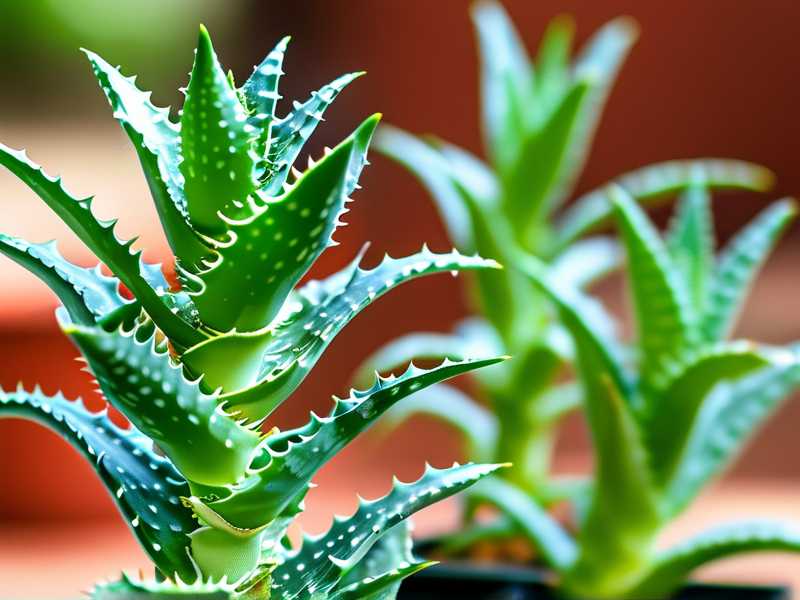
Physical Injury and Irritation: Aloe vera leaves have serrated edges. For small or delicate-skinned reptiles like geckos or snakes, brushing against these edges could cause minor scratches. The gel inside, while soothing to human skin, could potentially cause irritation if it gets into a reptile's eyes. Proper placement away from high-traffic basking or climbing areas is essential.
The Importance of Species-Specific Advice
The question of is aloe vera safe for leopard geckos or snakes has a different nuance. Leopard geckos are insectivores with no need for plant matter, and their enclosures should be dry. A moisture-sensitive aloe plant would likely rot quickly in their warm, dry setup, creating a problem. For snakes, the risk is primarily physical (injury from the spines) or chemical (pesticides). Most snake keepers avoid live plants with any sharp structures altogether. The AHSA guidelines on enclosure enrichment wisely recommend choosing inert, smooth decorations for species that are powerful and likely to bulldoze their environment.
Frequently Asked Questions
Can I feed aloe vera gel to my reptile if it has a minor burn or scrape? I strongly advise against this. While aloe is famed for its topical benefits for humans, reptile skin is different. Applying anything not specifically formulated and vet-approved for reptiles can disrupt their delicate skin layers, seal in bacteria, or cause adverse reactions. For any injury, consult a reptile veterinarian. ARAV consistently warns against using home remedies without professional guidance.
My reptile took a small bite of aloe vera leaf. What should I do? First, do not panic. Identify your plant positively as Aloe barbadensis miller (common aloe). For species like bearded dragons, a tiny bite is unlikely to cause harm, but monitor closely for the next 48 hours. Watch for any signs of lethargy, loss of appetite, or changes in droppings. If your reptile is a species not known to consume plant matter (like a carnivorous lizard or snake), or if it consumed more than a tiny piece, contact your exotics vet immediately and bring a sample of the plant.
Are there safer plant alternatives to aloe vera for humid terrariums? Absolutely. If humidity control is a concern, consider plants that thrive in those conditions and have a long-standing safety record. Bromeliads (mounted on hardscape, not in soil), certain safe ferns like Boston ferns, and Pothos (Epipremnum aureum) are often used. Always verify the specific scientific name, as common names can be misleading, and prepare them with the same quarantine and soil-washing process.
Incorporating live plants like aloe vera into a reptile habitat can be rewarding, but it is a practice that demands respect, research, and vigilance. My two-week experiment underscored that safety is not just a label on a plant list; it is an active process of creating and maintaining a compatible environment. By prioritizing the health needs of both your reptile and the plant, consulting authoritative sources, and observing meticulously, you can make informed decisions that truly enhance your pet's home without unintended risks. The well-being of the animal in your care must always be the final and most important consideration.