bluename
 How to Treat Aloe Vera Scale Insect Infestations: A Complete Rescue Guide
Discovering your beloved aloe vera plant covered in strange, waxy bumps or sticky residue can be a heart-sinking moment. These uninvited guests, known as scale insects, are a common but serious threat to the health and beauty of your succulent. Left untreated, a scale insect infestation can weaken your aloe, stunt its growth, and even lead to its demise. This comprehensive guide is designed to walk you through every step, from accurate identification to effective treatment and future prevention, empowering you to save your plant.
Understanding Your Enemy: Identifying Scale on Aloe Vera
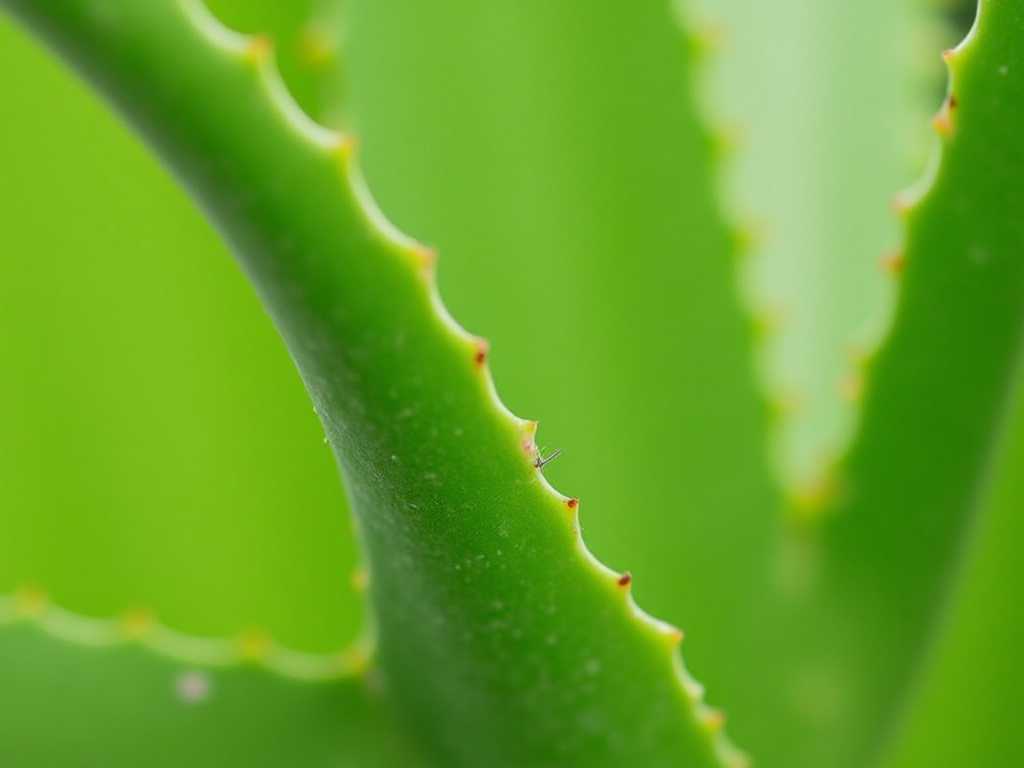
Before declaring war, you must correctly identify the pest. Scale insects are sneaky; they don’t look like typical bugs. Adult females lose their legs and form a hard or soft, shell-like covering, adhering motionlessly to stems and leaves.
What Do Scale Insects Look Like on Aloe Vera? You’ll likely notice them as small, oval, or circular bumps on the leaves, especially along the midrib or leaf edges, and on the stem. Their color can range from white and tan to brown. A clear, sticky substance called honeydew on the leaves or a surrounding surface is a major giveaway. This honeydew often leads to a secondary problem: sooty mold, a black, powdery fungus that grows on the sugary excretion.
Soft Scale vs. Armored Scale: Knowing the Difference
- Soft Scale Insects: These pests produce honeydew. Their covering is waxy and can be scraped off, revealing a soft-bodied insect underneath. They are often the culprits behind the sticky leaves.
- Armored Scale Insects: Their hard, shield-like cover is not attached to their body. They do not produce honeydew. The scale covering remains stuck to the plant even after the insect inside has died.
A 2022 study in the Journal of Applied Horticulture noted that soft scales are often more prevalent on indoor succulents due to their life cycle and reproduction rates in stable environments.
Step-by-Step Treatment: How to Get Rid of Scale on Aloe Plants
Acting quickly and methodically is key. Here is your action plan, starting with the least invasive methods.
Initial Isolation and Physical Removal Immediately isolate the infested aloe vera plant from your other houseplants to prevent the scales from spreading. Your first line of defense is physical removal.
- Manual Removal: Use a soft toothbrush, cotton swab, or your fingernail (gently) to dislodge the scale insects. Dampening your tool with a little rubbing alcohol (isopropyl alcohol 70%) helps dissolve their waxy coating and kills them on contact.
- Wipe Down: After scraping, wipe all leaves and stems with a cloth soaked in a mild soapy water solution (1 teaspoon of mild liquid soap per liter of water) to clean off honeydew and any remaining young crawlers.
Natural and Organic Treatment Solutions For light to moderate infestations on aloe vera, these eco-friendly methods are highly effective.
- Neem Oil Treatment: Neem oil is a powerful, natural insecticide that disrupts the life cycle of scale. Mix according to label instructions (typically 1-2 teaspoons per liter of water with a few drops of dish soap as an emulsifier). Spray thoroughly, ensuring you coat the upper and lower leaf surfaces and stems. Repeat every 7-10 days for at least three applications. Always test on a small leaf first and avoid direct, hot sunlight after application.
- Insecticidal Soap Spray: Commercial insecticidal soaps or homemade versions (using pure castile soap) work by breaking down the insect’s outer layer. They are most effective against the immature “crawler” stage. Coat the plant thoroughly, as the soap must contact the insect to work.
- Rubbing Alcohol Application: For a targeted approach, dip a cotton swab directly in 70% isopropyl alcohol and dab it directly onto each scale insect. This method is practical for small infestations.
When to Escalate: Chemical Control Options If natural remedies fail for a severe aloe vera pest control situation, you may consider systemic insecticides. These are absorbed by the plant and poison the sap that sucking insects feed on. Use products containing imidacloprid or acephate, but do so with extreme caution, especially for indoor plants. Always follow the manufacturer’s instructions precisely. Consider this a last resort.
Post-Treatment Care and Monitoring
Your job isn’t over after the last spray. Recovery is crucial.
- Inspect Religiously: For the next several weeks, inspect your plant every few days for any signs of new scale activity. The life cycle can mean new crawlers hatch after your initial treatment.
- Adjust Care: Hold off on fertilizing until the plant shows strong new growth. Ensure it receives appropriate, bright indirect light and be careful not to over-water, as a stressed plant is more susceptible to pests.
- Clean the Area: Wipe down the area where the plant was kept to remove any fallen crawlers or honeydew.
Preventing Future Aloe Vera Scale Infestations
An ounce of prevention is worth a pound of cure. Integrate these habits to keep your aloe scale-free.
- Quarantine New Plants: Always isolate new plants for 2-3 weeks before placing them near your existing collection.
- Optimize Growing Conditions: A healthy aloe is a resilient aloe. Provide plenty of light, use well-draining soil, and water only when the soil is completely dry. Avoid overwatering, as this stresses the plant.
- Regular Health Checks: Make inspecting the undersides of leaves and stem joints part of your regular watering routine. Early detection makes eradication simple.
- Maintain Airflow: Good air circulation around your plants discourages pest establishment.
Common Questions About Managing Scale on Succulents
Can a heavily infested aloe vera plant be saved? Yes, in most cases. Even if the infestation seems severe, if there is still some healthy, firm green tissue, the plant can recover. Be aggressive with treatment and patient with recovery. If the core or stem is mushy and rotten, the plant may be beyond salvage.
How often should I apply neem oil to treat scale? Consistency is vital. Apply neem oil solution every 7 to 10 days for a minimum of three to four applications. This frequency helps break the reproductive cycle by targeting new crawlers as they hatch, which is critical for complete control of aloe plant scales.
Why do my scale insects keep coming back? Recurrence usually points to one of three issues: 1) The treatment didn’t continue long enough to eliminate all generations of scale, 2) Nearby plants are harboring an unnoticed infestation, or 3) The plant’s growing conditions (often low light or overwatering) are keeping it in a weakened, vulnerable state. Re-evaluate your plant’s environment and treatment thoroughness.
Scale insects are a formidable foe for your aloe vera, but they are not invincible. Success lies in a combination of prompt identification, persistent treatment, and diligent preventive care. By understanding the pest’s life cycle and methodically using the right tools—from a simple cotton swab to natural horticultural oils—you can reclaim your plant’s health. The resilience of aloe vera is on your side; with your informed action, it can outgrow the damage and thrive once again.