bluename
 How to Control Fertilizer Dosage for Small Aloe Pups
You’re staring at a tiny aloe pup, probably no bigger than your thumb, and wondering if you should even bother feeding it. I get it, because I’ve been there myself. The short answer: wait at least 2 weeks after potting before you even think about fertilizer, and then use a half-strength, balanced liquid feed every 4 to 6 weeks during the growing season. Let me walk you through exactly how I learned this the hard way.
I remember my first batch of aloe pups. I was so eager to help them grow fast that I dumped a full dose of cactus fertilizer straight into the soil. Within a few days, the leaves turned soft and yellowish. The roots basically cooked. That’s when I realized that controlling fertilizer dosage for small aloe pups isn’t just a suggestion—it’s essential for their survival.
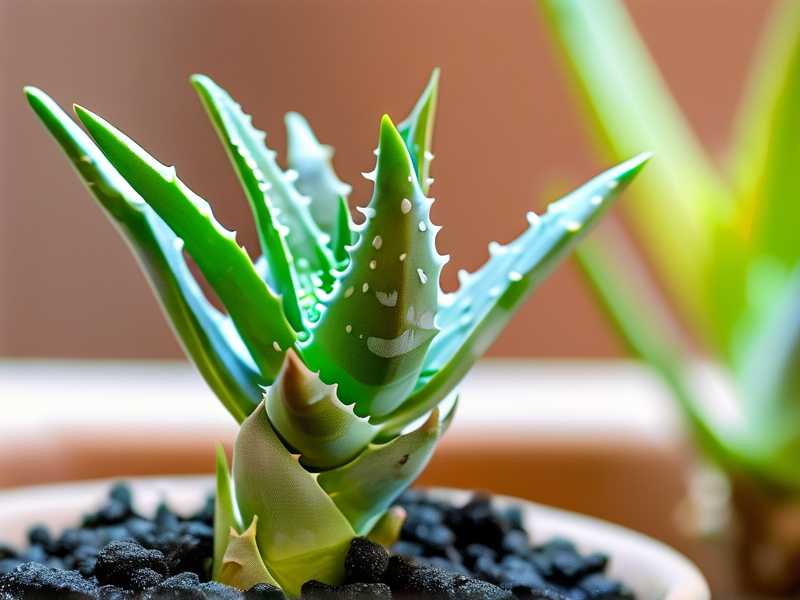
Why Small Aloe Pups Are So Sensitive to Fertilizer
Aloe pups are essentially baby clones of the mother plant. They come with a tiny root system that’s not ready to handle heavy nutrients. The Royal Horticultural Society (RHS) suggests that young succulents need minimal feeding because their natural habitat—rocky, arid soil—is low in organic matter.
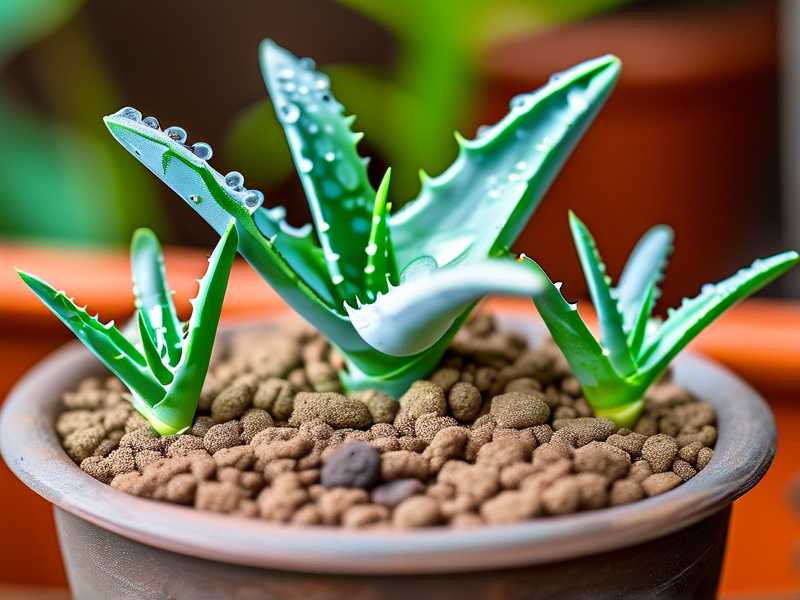
I’ve killed more plants than I care to admit, but after burning three batches of pups, I finally understood the logic. A small aloe pup’s roots are like a newborn’s stomach. You wouldn’t feed a baby steak, right? Same idea. Too much fertilizer too soon causes root burn, stunted growth, and sometimes death.
The 2-Week Rule I Swear By
After potting your aloe pup, give it exactly two weeks of nothing but water and bright, indirect light. No fertilizer. Zero.
Here’s what I do step by step:
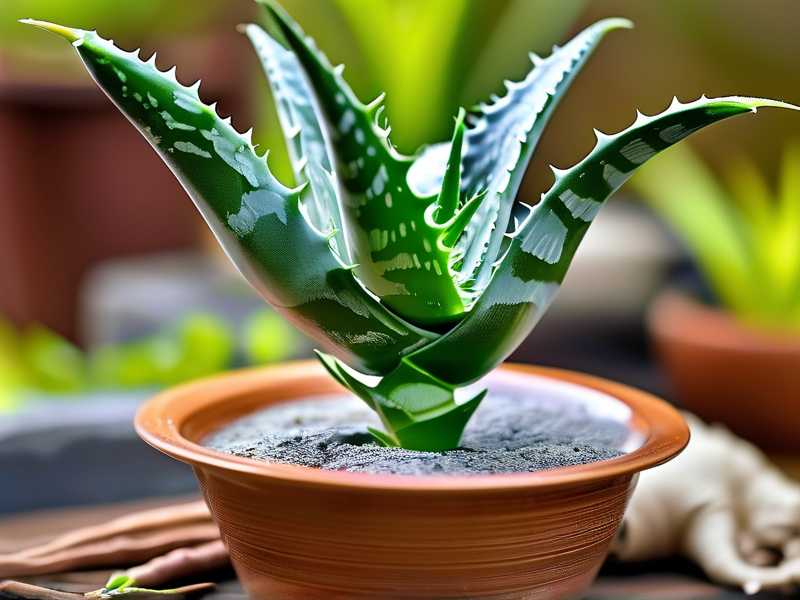
- Day 1: Pot the pup in a well-draining mix (I use 50% cactus soil and 50% perlite).
- Day 7: Check if the soil is dry. Water lightly if needed. Still no fertilizer.
- Day 14: This is when I introduce my first feeding. I mix a balanced 10-10-10 liquid fertilizer at half the recommended strength. I apply it right after watering, never to dry soil.
I repeat this feeding every 4 to 6 weeks through spring and summer. If you live in a cooler climate like the UK or Canada, stop feeding entirely from October to March. The American Horticultural Society (AHS) confirms that succulents enter a dormant phase during winter, and feeding them then just invites root rot.
The 3 Deadly Mistakes New Aloe Pup Owners Make
I made all these mistakes myself. You don’t have to.
Mistake #1: Overwatering (And It’s Not Just About Water)
Here’s a number that shocked me: 90% of indoor plants die from overwatering. For aloe pups, it’s even worse because their small pots dry out fast, so people think they need constant moisture.
I used to water my aloe pups every three days. The leaves turned mushy, and the base got dark. That’s root rot. I lost four pups before I learned to stick my finger into the soil. If the top inch is dry, water. If it’s damp, walk away.
The fix: Use a terracotta pot. It wicks away extra moisture. Never use a pot without drainage holes. I learned that one after my fifth plant died in a pretty but deadly ceramic cup.
Mistake #2: Wrong Light Placement
Aloe pups want bright, indirect light for about 6 hours daily. Direct afternoon sun burns their thin leaves. I once placed a pup on a south-facing windowsill in Texas. Within a week, the leaves turned brown and crispy.
My fix now: I keep them on an east-facing window. Morning sun is gentle, and the rest of the day is bright but filtered. If you’re in the UK or Pacific Northwest, you might need a grow light during winter. Just keep it 12 inches away from the plant.
Mistake #3: Using the Wrong Pot Size
A huge pot is not a good idea. The soil stays wet for too long down deep, and the tiny pup roots can’t reach all that moisture. The result? The bottom layer stays damp and rots the roots from below.
I pot my aloe pups in small 3-inch pots. That’s it. Once the roots fill that pot, I move them up only one size. Keep in mind that a too-large pot also wastes fertilizer because the roots can’t access it.
How Much Fertilizer Does a Small Aloe Pup Actually Need?
Here’s the honest truth: most aloe pups will survive just fine in fresh potting mix for at least six months without any extra feeding. The soil itself contains enough nutrients for their slow growth.
But if you want to encourage faster root and leaf development, you need to be careful.
My Fertilizer Recipe for Small Pups
I use a liquid fertilizer with an N-P-K ratio around 10-10-10 or 8-8-8. Succulent-specific fertilizers work too, but they’re not necessary. What’s critical is the concentration.
- Mix the fertilizer at one-quarter strength for the first feeding.
- After 4 weeks, move up to half strength for the rest of the growing season.
- Never use slow-release pellets for tiny pots. They release nutrients unevenly and can cause spikes that burn the tender roots.
I tried a slow-release pellet once. It was a disaster. The pup grew lopsided because one side got more nutrients than the other.
The Right Way to Apply Fertilizer
Always water your aloe pup first. Then pour the diluted fertilizer solution onto the damp soil. This prevents root burn because the chemicals don’t hit dry, fragile roots directly.
I learned this after I poured fertilizer onto dry soil. The pup wilted in 48 hours. Now I pre-water every single time.
What to Do If You Over-Fertilize
Accidents happen. If you notice leaf tips turning brown or the soil has a white crust, you’ve overdone it.
Here’s what I do to fix the problem:
- Flush the pot thoroughly with clean, room-temperature water. Let water run through the drainage holes for 2 minutes.
- Don’t feed again for at least 6 weeks.
- Repot the pup into fresh dry soil if the damage looks severe.
I had to repot a pup last summer after I forgot I had already fed it that week. The leaves were drooping and pale. After a flush and a month of rest, it bounced back.
Seasonal Fertilizing Schedule for Aloe Pups
Your location affects when you should feed. For readers in the US (especially colder states like Minnesota) and Canada, growing season is short.
- Spring (March to May): Start feeding once, half-strength, after the last frost.
- Summer (June to August): Feed every 4 weeks. This is the peak growth window.
- Fall (September to November): Reduce to once every 6 weeks.
- Winter (December to February): Stop completely.
For gardeners in the UK and Australia, adjust by your local temperatures. If your winter is mild, you might feed once in early winter. But honestly, I don’t risk it. My aloe pups rest from October until March.
My Personal Mistakes and Fixes
I’ve killed more aloe pups than I want to admit. The first dozen taught me patience. Here are two specific failures that stick with me.
The first year: I thought “more is better” with fertilizer. I dosed my pups every week. They all died within a month. Burnt roots, collapsed leaves, the whole disaster.
The second failure: I used a fertilizer with too much nitrogen. The leaves grew fast but weak. They flopped over and couldn’t hold themselves up. That’s when I switched to a balanced formula.
Now, after years of trial and error, I can keep even the tiniest pup alive. The trick is simple: less is more. Start slow, observe, and adjust.
Common Questions About Fertilizing Small Aloe Pups
Can I use coffee grounds or kitchen scraps as fertilizer for aloe pups?
No, please don’t. Coffee grounds add acidity and moisture, which aloes hate. Kitchen scraps rot and attract pests. Stick to a proper liquid fertilizer.
How do I know if my aloe pup needs fertilizer versus more light?
Yellow lower leaves usually mean overwatering or lack of light. Pale, thin leaves that look stretched mean too little sun. If the growth is just slow but the leaves are healthy, fertilizer might help. But if the leaves are soft or mushy, stop everything and fix the watering first.
Should I fertilize aloe pups differently if they’re growing indoors versus outdoors?
Indoor pups grow slower and need less fertilizer. Outdoor pups get more light and airflow, so they can handle slightly more feeding. But even outdoor pups shouldn’t get full-strength fertilizer until they’re at least four months old.
What the Experts Say
According to the RHS, young succulents like aloe pups benefit from minimal fertilization because their natural growth habit is slow. Overfeeding forces weak, unnatural growth that’s prone to pests and disease.
The AHS recommends using a water-soluble fertilizer at half the label rate for all container-grown succulents during their active season. I follow that advice strictly now.
One Final Piece of Advice
If you’re new to aloe pups, keep it simple. Don’t fertilize for the first 2 weeks. Then use half-strength liquid food every month during warm weather. Watch the leaves for signs of happiness—green, firm, and upright means you’re doing it right.
I wish someone had told me this when I started. I wasted so many plants learning the hard way. But now, every pup I’ve saved gives me more confidence. You can do this too.
Just remember: control is the keyword. With small aloe pups, you control the dosage, the timing, and the environment. Do that, and they’ll reward you with steady, healthy growth for years.