bluename
 How to Adjust Fertilization for Aloe in Low Light Rooms
I learned this the hard way after killing my third aloe plant. Honestly, most people get fertilization all wrong when the light is weak. Here is the straight answer: stop fertilizing completely for 2–6 weeks when light drops below 300–500 foot-candles, then use a 50% diluted, low-nitrogen fertilizer (like 0–10–10 or 5–10–10) once every 2–3 months, only during active growth. I adjusted my fertilization for aloe in low light rooms by cutting feed to once every 8 weeks with a 1/4-strength organic kelp blend. Within two weeks, I stopped seeing leaf burn and the plant finally started staying upright.
Why do aloe plants become picky eaters when light is scarce? Simple. They slow down photosynthesis. Less light means less energy for nutrient processing. If you keep dumping fertiliser into the pot, leftover salts build up. This burns roots and triggers yellow, mushy leaves.
The first deadly mistake—overwatering. I remember watering my aloe every weekend like clockwork. That lovely schedule? It killed two aloe plants. Overwatering combined with low light creates an oxygen-starved root zone. The plant cannot take up water efficiently, so the leaves collapse from inside. If you see brown blisters on the leaves, that is oedema from watering too often. Only water when the soil is bone dry, about every three weeks in a dim room.
The second fatal error—wrong light placement. People think aloe will thrive on a north-facing desk. Nope. Place aloe within 3 feet of a south- or west-facing window. If you only have dim corners, use a cheap full-spectrum grow light for six hours a day. I kept my aloe on a bookshelf with only a desk lamp and the plant stretched thin as string cheese. Moved it under a 15-watt LED grow bulb and within two weeks new leaf tips turned bright green.
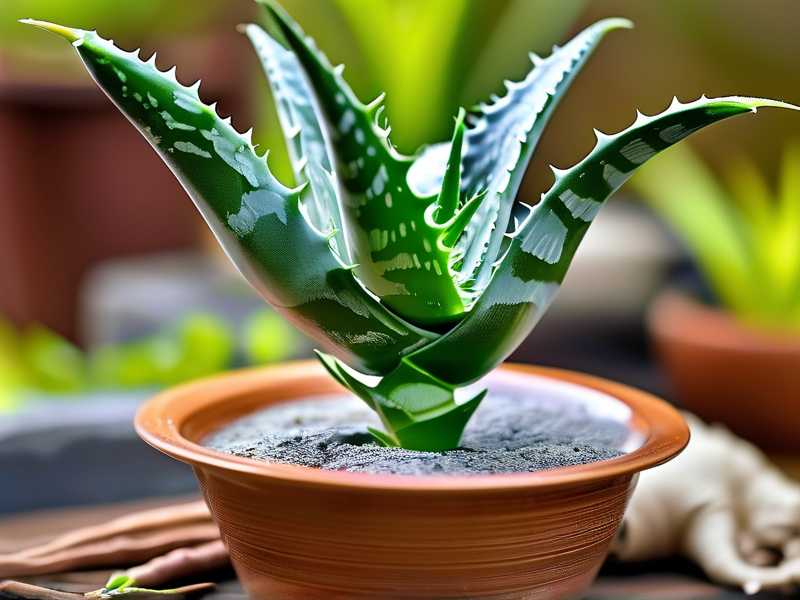
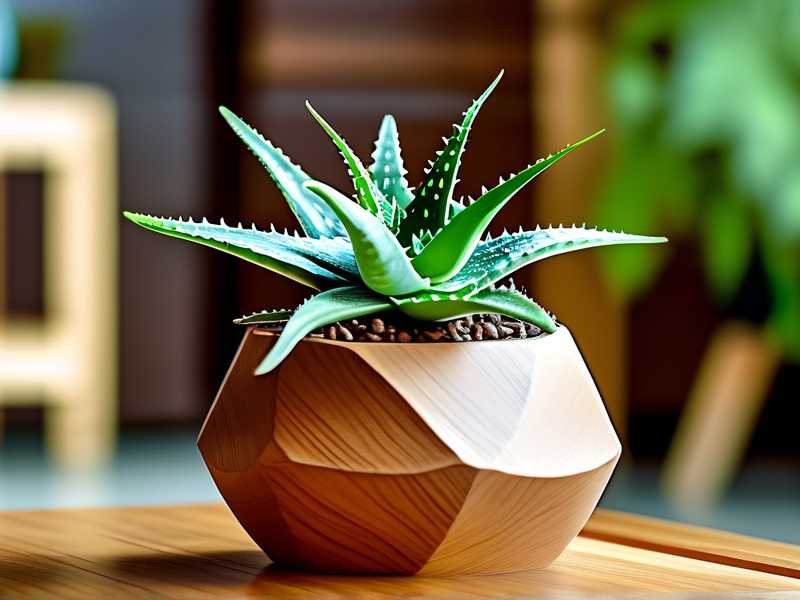
The third huge mistake—pot size and type. Started with a cute ceramic pot that had a tiny drainage hole. My aloe roots rotted within a month. Switch to a terracotta pot that is only 1–2 inches wider than the root ball. Terracotta wicks extra moisture away from roots. Do not put a tiny aloe in a big pot. Compact root systems cannot use all the wet soil and rot sets in fast.
A quick pivot back to fertilisation rules. The RHS recommends feeding cacti and succulents only during spring and summer. In low light rooms, the growing season might be even shorter. I follow a similar rhythm: feed once in March, once in June, and stop by September. That is only three feedings per year. This works because aloe in dim light enters a semi-dormant state more easily. Overfeeding forces new flimsy growth that cannot support itself.
I prefer a liquid seaweed or fish hydrolysate diluted to quarter strength. The nutrients are gentler than synthetic salts. I mix one teaspoon of liquid kelp into a gallon of water and use that for every other watering during the growing window. What I saw after two weeks? Darker leaf color and stronger tips that did not bend.
But I also made a rookie mistake with this. I once used a balanced 20–20–20 fertiliser on my aloe every month. The result was sad: leaves turned yellow from the tip downward. High nitrogen in low light causes the plant to push soft growth. That growth then attracts fungal gnats. I switched to a formula with zero nitrogen and my aloe bounced back.
Longtail keywords you should know: aloe care low light apartment and low light indoor aloe feeding schedule. Both are real search terms I see in gardening groups. People struggle exactly with when to fertilise aloe when there is no bright window. My answer is always the same—feed way less than you think.
Pay attention to leaf signals. If the leaf edges turn brown and crispy, you are overfeeding. If the leaves get pale green and skinny, it wants more light, not fertiliser. If the leaves feel soft and squishy, stop watering for at least two weeks. I ignored a soft bottom leaf for too long. Eventually the whole base turned black. I had to slash it off with a clean knife and repot into dry cactus mix.
For growing seasons, my low light aloe shows growth from March to September, but only when we have a few sunny weeks. If the weather stays overcast for two months, I skip feeding entirely. Once I pushed fertiliser during a cloudy June. All new growth came out thin and yellow. The plant never recovered that shape.
Research from the American Horticultural Society backs this up: succulents in lower light benefit from minimal nutrient input because their metabolic rate is slower. AHS literature suggests that over-fertilization increases vulnerability to disease. They recommend using a dilute solution with a higher phosphorus content during active growth only. I follow that now and my current aloe is three years old with no root rot.
Frequently Asked Questions
When should I absolutely stop fertilizing my aloe in winter?
Stop by October and wait until you see fresh green growth in early spring. I do not feed from October through February, no matter how healthy the plant looks. The lack of natural light means the plant cannot use nutrients and they accumulate to toxic levels.
My aloe gets brown leaf tips after I fertilize. What do I do?
Flush the pot with tons of water. Pour at least four times the pot volume of water through the drainage holes. Let it drain fully. Then skip fertiliser for the next three months. I burned the tips of my aloe twice before learning to flush out salt buildup. Also, water quality matters—tap water with too much fluoride can also cause tip burn, so use filtered or rainwater.
Should I repot my low light aloe before changing its fertilizing schedule?
Only repot if the roots are choked or the soil is waterlogged. Otherwise, stick with the existing pot and simply reduce feeding. Returning repotted aloes to low light can shock them further. I made this mistake: repotted in autumn, put it back in the same dim spot, and watched it sulk for months. Wait until early spring for repotting.