bluename
 How to Resume Fertilization for Aloe After Dormancy
I’ve killed more aloe plants than I care to admit. You probably have too. The leaves turn brown, mushy, or paper-thin. You panic. You water more. It gets worse. Here’s the short answer: wait until nighttime temperatures stay above 50°F (10°C) consistently, then feed your aloe once with a balanced, diluted fertilizer (10-10-10 at half strength). Then wait two weeks, observe new growth, and only increase feeding if you see fresh green tips. Most people start too early, feed too strong, and drown the roots immediately.
Why Aloe Goes Dormant in the First Place
Aloe vera is a succulent native to arid climates. It naturally slows down in winter when light levels drop and temperatures cool. This is normal. The plant is resting, not dying.
I remember my first winter with aloe. I kept watering it like summer. The leaves swelled, split open, then rotted. I lost three plants before I understood that dormancy means “stop everything.”
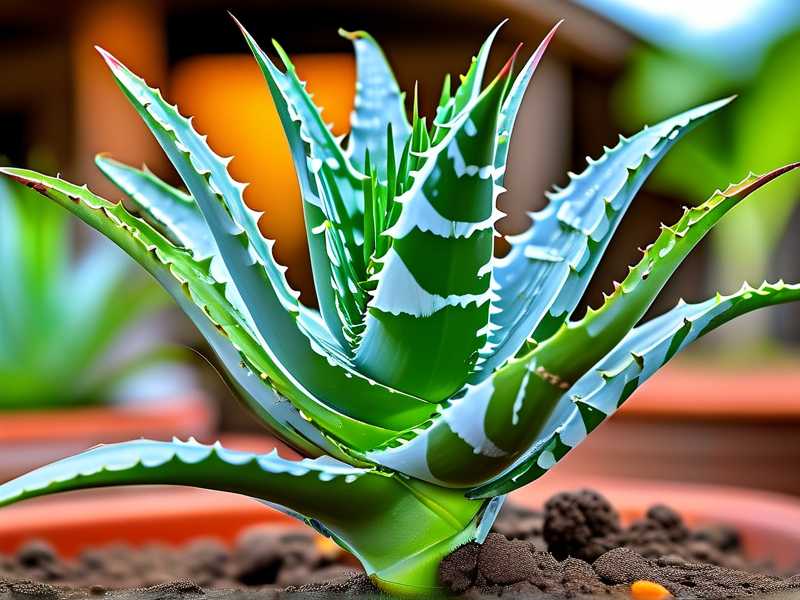
During dormancy, the roots absorb very little water. Fertilizer salts will burn them. The leaves won’t grow anyway. So feeding during this time is pointless and harmful.
I follow the Royal Horticultural Society’s guideline: no fertilizer from November through February unless you live in a very warm climate. The RHS recommends waiting until spring growth resumes naturally.
When Exactly to Resume Fertilization
The trick is reading your plant, not the calendar. I live in the UK. My aloe stays indoors. It doesn’t feel the outdoor seasons the same way.
Here’s what I watch for:
- Leaves regain firmness, not just at the base but all the way to the tip
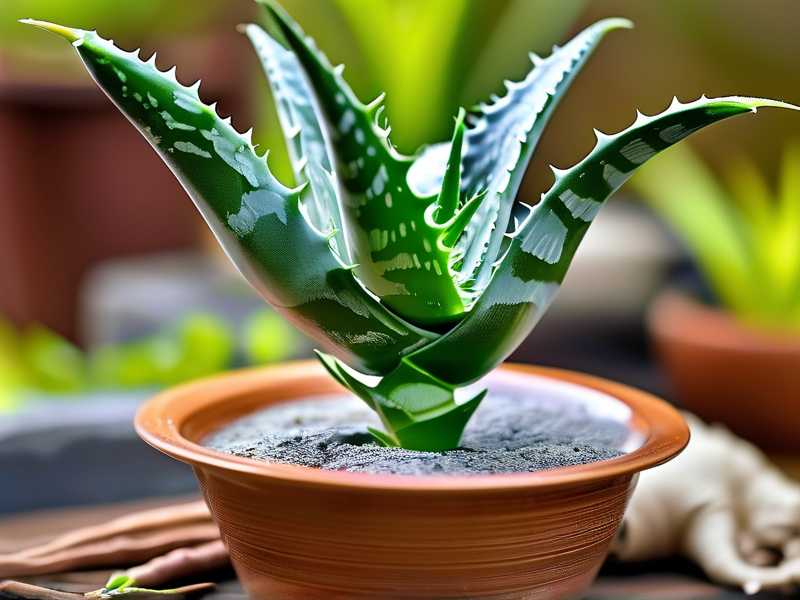
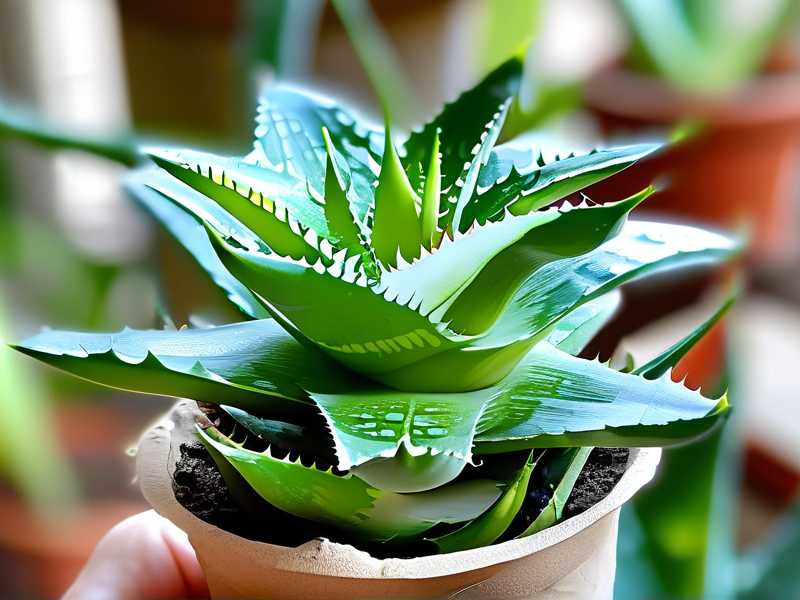
- New, lighter green leaves appear in the center rosette
- The plant starts leaning toward the window more aggressively
Once I see any of these signs, I start feeding. But I don’t jump in full strength. I learned that the hard way.
The Two-Week Observation Period
I call this “the slow reintroduction.” You don’t go from zero to 100 with fertilizer. That shocks the plant.
Week One: Diluted Feeding Only
Mix your fertilizer at one-quarter strength. I use a balanced liquid succulent food. Apply it only after watering the soil first. Never apply fertilizer to bone-dry soil. That burns the roots instantly.
I watered my aloe thoroughly, waited one day, then applied the diluted feed. I kept the plant in bright indirect light, not direct sun.
Week One Observation
Day three: no change. Day five: still no change. I started worrying. But on day seven, I noticed the leaf color deepened slightly. The base of the center leaf stood up straighter.
That told me the roots were waking up. They weren’t overwhelmed yet.
Week Two: Slight Strength Increase
I increased to half strength. Same application method: water first, feed second.
I also rotated the pot 90 degrees every two days. Aloe grows toward light. If you don’t rotate, one side feeds more actively and the plant gets lopsided.
Week Two Observation
Day ten: I saw a tiny spear of new growth in the center. It was about a quarter inch long. Light green, almost translucent at the edge. That was my green light.
Day fourteen: I increased fertilizer to full strength, but only every other watering. I still kept the soil on the drier side. Aloe hates wet feet.
The 3 Deadly Mistakes Beginners Make (I Made All of Them)
Mistake 1: Overwatering After Dormancy
90% of indoor plants die from overwatering. Aloe is especially sensitive. When you resume fertilization, your instinct is to water more so the nutrients soak in. That’s wrong.
I did this with my second aloe. I watered every three days during spring. The leaves swelled up, then popped. Black spots appeared. Root rot set in within two weeks.
The fix: water deeply but rarely. Let the top two inches of soil dry completely before watering again. During the feeding period, I water once every 10 to 14 days.
Mistake 2: Wrong Light Placement
Succulents love light. But direct afternoon sun right after dormancy burns them. They’re not used to it yet.
I put my aloe on a south-facing windowsill without thinking. Within three days, the tips turned brown and crispy. I had to cut off the damaged parts.
The fix: start with bright indirect light for two weeks. Then gradually increase to one hour of morning sun. Then two hours. Never expose your aloe to more than four hours of direct sunlight right after dormancy.
The American Horticultural Society confirms that succulents need an acclimatization period after low-light months. The AHS recommends starting with filtered light before moving to direct sun.
Mistake 3: Using the Wrong Pot
I used a decorative ceramic pot with no drainage hole for my third aloe. It looked beautiful. It killed the plant in six months.
Aloe roots need air circulation. They also need to dry out quickly. A pot without drainage holds moisture at the bottom. Fertilizer salts accumulate there. The roots rot from the bottom up.
The fix: always use a pot with at least one drainage hole. Terracotta is best because it wicks away excess moisture. Plastic pots work too, but they retain more moisture. If you must use a decorative pot, keep the aloe in a plastic nursery pot inside it. Pull it out when you water, let it drain completely, then place it back.
My Personal Feeding Routine (Step by Step)
I’ve refined this over five years. It works for my aloe, my friends’ aloes, and the ones I gift to neighbors.
- Wait until nighttime temperature is above 50°F (10°C) consistently
- Check for new growth in the center of the rosette
- Water the soil thoroughly first, let it drain completely
- Mix liquid fertilizer at half strength
- Apply the fertilizer solution around the base, not on the leaves
- Wait two weeks before the next feeding
- Increase to full strength only after you see fresh green leaves
I do this from March to September. Then I stop completely through the winter.
What If You Miss the Window?
Let’s say you already started feeding too early. Or you fed too late. Don’t panic.
If you fed too early: stop immediately. Let the soil dry out completely. Don’t water for at least three weeks. The aloe will recover on its own if the roots aren’t already rotted.
If you fed too late: start now. The plant might have lost some leaves, but it will bounce back. Just follow the diluted method. Don’t try to catch up with a stronger dose. That never works.
Common Fertilizer Types for Aloe
Not all fertilizers are the same. I’ve tried three main types. Here’s what I recommend.
Liquid Balanced Fertilizer (10-10-10)
This is my go-to. It’s simple, cheap, and works. I buy the concentrate and dilute it. A bottle lasts me two years.
Succulent-Specific Fertilizer
These are lower in nitrogen, which prevents leggy growth. They’re slightly more expensive but worth it if you have many succulents.
Slow-Release Pellets
I don’t use these for aloe. They release nutrients gradually, but you can’t control the timing. During the transition from dormancy, I want full control. Pellets also build up salt levels in the pot over time.
How Often Should You Fertilize After Dormancy?
Once per month is plenty. Aloe is not a heavy feeder. It grows slowly even in ideal conditions.
I mark my calendar: first feeding in March, second in April, skip May if the plant looks happy. Always watch the leaves more than the schedule.
If the leaves start stretching upward and getting skinny, you’re overfeeding. If they stay flat and wide, you’re on the right track.
Signs You’re Doing It Right
After two weeks of correct feeding, look for these signs:
- Center leaf turns bright green, almost neon
- Leaves stand upright, not drooping
- No new brown spots or yellow patches
- Soil dries out within 7 to 10 days after watering
If you see these, keep doing exactly what you’re doing.
FAQ
Q: Can I use coffee grounds or eggshells as fertilizer for aloe? I tried both. Coffee grounds made the soil too acidic. Eggshells took months to break down. Aloe prefers a neutral pH around 6.5 to 7.5. Stick with balanced liquid fertilizer. It’s consistent and safe.
Q: My aloe is still droopy after two weeks of feeding. What’s wrong? It could be overwatering, not underfeeding. Check the soil moisture. If it feels wet below the surface, stop feeding and watering completely. Let the pot dry out for two weeks. Droopiness from overwatering looks different from underwatering—the leaves are soft and mushy, not thin and wrinkled.
Q: Should I fertilize aloe pups (offsets) separately? No. I leave the pups attached to the mother plant for the first year. They get their nutrients through the shared root system. If you separate them early, wait three months before feeding. Their roots are too delicate for fertilizer right away.
Final Thoughts
Resuming fertilization after dormancy is about patience. You don’t need to rush. Your aloe will tell you when it’s ready. The leaves speak first. The new growth follows.
I killed four aloe plants before I learned this. Now my current one has been alive for three years. It has six pups. It blooms every summer. And it started with one simple rule: feed slowly, watch closely, stop when in doubt.
That’s the whole trick. Nothing fancy. Just timing, observation, and a little restraint.