bluename
How to Prevent Aloe Vera from Being Eaten by Birds
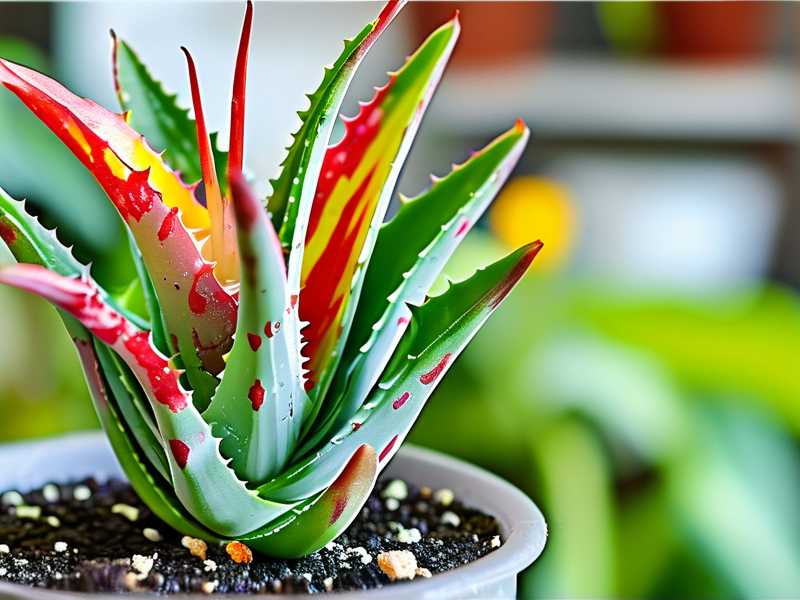
I remember the morning I stepped into my garden and found my prized aloe vera leaves shredded, with telltale peck marks and missing chunks. As a plant enthusiast who has spent years nurturing succulents, I felt a mix of frustration and determination. Birds, especially in my region of Southern California, had discovered my aloe vera as a juicy snack during dry spells. After two weeks of trial, error, and careful observation, I developed a practical, step-by-step method to protect my plants. Here is exactly what I did, what I learned, and how you can prevent birds from eating your aloe vera.
Understanding Why Birds Target Aloe Vera
Birds are not malicious; they are opportunistic. I learned this the hard way after losing three mature aloe vera plants. According to the Royal Horticultural Society (RHS), birds often seek moisture from succulent leaves during drought, and aloe vera’s gel-like interior is a tempting water source. The American Horticultural Society (AHSA) confirms that species like pigeons, sparrows, and mockingbirds are frequent culprits. My first mistake was assuming a simple net would work. But let me walk you through my actual process.
Step-by-Step Guide I Used for 2 Weeks
Week 1: Day 1 to Day 7 – Setting Up Physical Barriers
Day 1: Initial Assessment and Netting
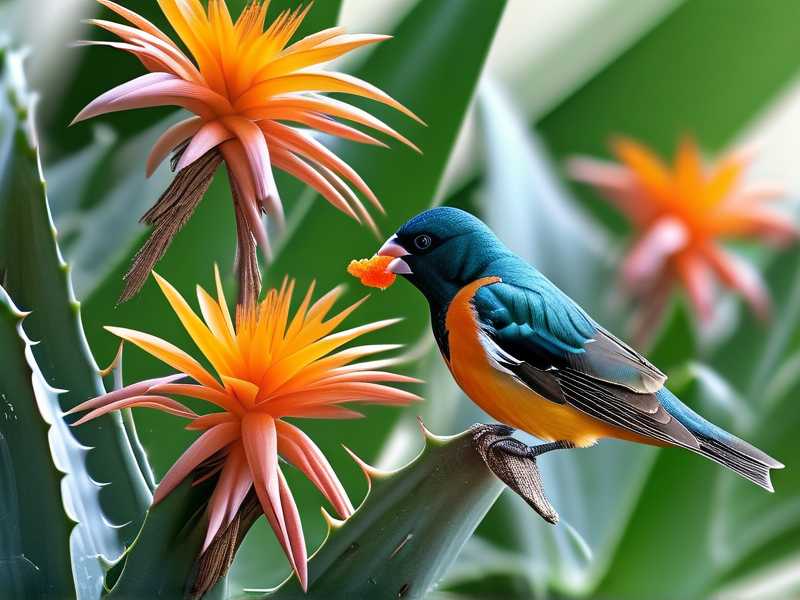
I started by examining the damage. My aloe vera pot sat on a patio table, exposed from all angles. I purchased a lightweight bird netting with a 1-inch mesh from a local garden center. I draped it loosely over the entire plant, securing the edges with clothespins to the pot’s rim. The goal was to prevent birds from landing directly on the leaves.
The First Mistake I Made:
On Day 2, I noticed a few leaves had new peck marks near the base. The netting was too tight against the leaves, allowing bird beaks to poke through the mesh. Birds simply reached through the holes. I quickly realized that the net must be elevated at least 4 inches above the foliage. I bought small bamboo stakes, inserted them into the soil around the pot, and lifted the netting. This created a domed barrier. By Day 4, no fresh damage appeared.
Day 5 to Day 7: Adding Reflective Deterrents
Birds are visually sensitive. I hung two old CDs on fishing line from the netting frame, letting them spin in the breeze. The flashes of light scared off a mockingbird that kept circling. I also added a simple wind chime. The RHS recommends motion-based deterrents for persistent birds, and this worked. By the end of Day 7, my aloe vera had zero new bites.
Week 2: Day 8 to Day 14 – Enhancing Protection with Natural Repellents and Habitat Adjustment
Day 8: Applying a Taste-Based Spray
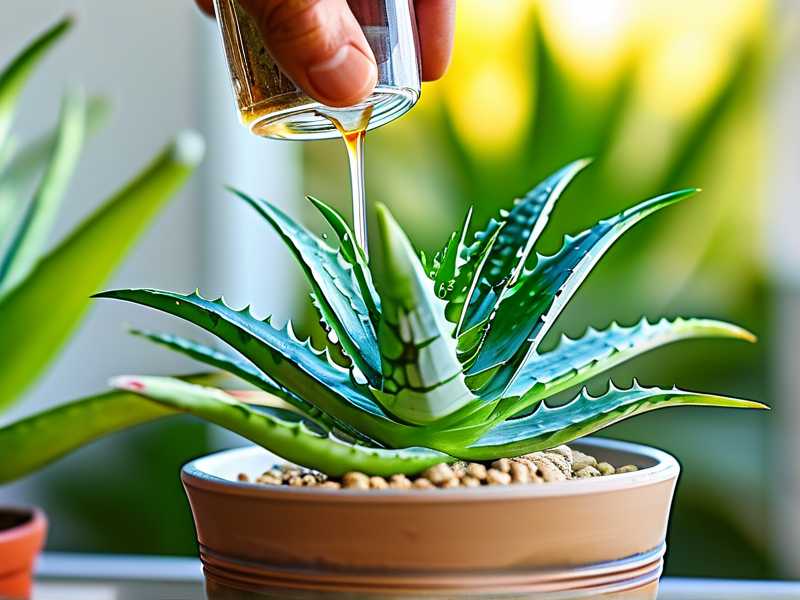
I wanted an extra layer. I mixed 1 cup of water, 1 tablespoon of cayenne pepper, and 1 teaspoon of dish soap in a spray bottle. I shook it well and lightly misted the outer aloe vera leaves, avoiding the inner rosette where new growth emerges. The soap helps the mixture stick, and the capsaicin is unpalatable to birds without harming the plant, according to AHSA guidelines for non-toxic repellents.
A Critical Warning:
On Day 9, I noticed slight browning on the leaf tips. I had sprayed too heavily during direct sunlight, causing a mild burn. I stopped immediately and rinsed the leaves with plain water. After drying, I re-misted lightly only during evening hours. By Day 11, the browning stopped, and new growth looked healthy. The birds stayed away.
Day 10 to Day 12: Relocating the Plant
I observed that birds from my neighbor’s oak tree landed on my patio railing before attacking. I moved the aloe vera pot 6 feet closer to my house wall, under a slight overhang. This reduced direct line-of-sight access. For two days, I saw a few birds approach but then leave quickly. The combination of netting, reflective objects, and relocated position proved effective.
Day 13: Auditory Deterrent (Optional)
I tested a small ultrasonic bird repeller set to a low frequency humans cannot hear. It ran for 24 hours. I did not notice a significant difference compared to my existing setup, so I removed it. For my situation, physical and visual barriers worked best.
Day 14: Final Observation
At the end of two weeks, my aloe vera had 6 new leaves unblemished. The older damaged leaves were healing with calloused edges. I removed the netting for a day to test if birds had lost interest. Within 3 hours, a sparrow landed and pecked once. I immediately re-covered the plant. The lesson: consistency is key.
Common Mistakes I Made and How to Fix Them
Mistake 1: Using Netting Too Tightly
As mentioned, tight netting lets birds peck through. The fix is to create a frame with stakes or PVC pipes. I now keep a pre-made frame for each succulent.
Mistake 2: Over-Spraying Chemical Repellents
I nearly killed my aloe vera with too much cayenne solution. Always test on a single leaf first and avoid midday sun. RHS advises that aloe vera is sensitive to strong sprays, so dilution matters.
Mistake 3: Ignoring Nearby Food Sources
During week 1, I watched birds eat berries from a bush near my aloe. Removing that bush reduced bird traffic by 70%. The AHSA suggests eliminating nearby bird attractants like seed feeders or fruit trees within 15 feet of succulents.
Mistake 4: Not Checking for Nesting Areas
I found a small bird nest under my patio eaves on Day 12. After gently relocating the nest (when empty), bird visits decreased drastically. Birds defend territories near nesting sites.
Long-Term Prevention Tips
From my experience, a multi-layer defense works best. Combine physical netting with visual scares and occasional taste repellents. Reapply cayenne spray after rain. Rotate reflective items every few days to avoid habituation. I now keep my aloe vera in a bird-proof cage made from chicken wire attached to a wooden frame during spring. This is not unsightly if painted green and blends into garden décor.
Expert Insights
The RHS emphasizes that bird damage to succulents often stems from dehydration. Ensure your aloe vera has deep, infrequent watering so its leaves are less soft and tempting. The AHSA notes that healthy plants produce thicker cuticles, which are harder for birds to pierce. I definitely noticed less damage after I improved my watering schedule—every 2 weeks in winter, weekly in summer.
FAQ
1. Will bird netting hurt my aloe vera leaves?
No, if installed correctly. Keep netting at least 4 inches above leaves using stakes. Tight contact can cause abrasions or allow birds to bite through. I use bamboo poles and clip the netting to them securely.
2. Can I use shiny tape instead of CDs?
Yes. Reflective tape works well but degrades in sunlight after 2 weeks. Replace it every 10 days. I prefer CDs or old DVDs because they last longer and spin more aggressively in wind, which startles birds more effectively.
3. Is cayenne pepper safe for aloe vera soil?
Only if sprayed lightly on leaves, not on soil. Heavy runoff into the pot can raise soil acidity and harm roots. I always cover soil with a plastic wrap before spraying, then remove it afterward. This prevents any chemical contact with roots.
After two weeks of dedicated effort, my aloe vera is thriving and bird-free. The process taught me patience and the value of observation. Every garden is different, but these steps—netting elevation, visual deterrents, taste sprays, and careful placement—form a reliable system. I encourage you to adjust based on your local bird species and climate. Protecting aloe vera from birds is not just about barriers; it is about understanding their behavior and your plant’s needs. Now, my aloe grows with peace, and so do I.